
Cricket's New Rhythm in Blockchain: The Outside-the-Ground Training Diary
ব্লকচেইন প্রযুক্তি বাংলাদেশ ক্রিকেট বোর্ডের টিকিটিং ও চুক্তি ব্যবস্থায় স্বচ্ছতা আনছে। • বাংলাদেশ ক্রিকেট বোর্ড ২০২৬ সালের জানুয়ারিতে ফ্যান টোকেন পাইলট চালু করে। • খেলোয়াড় চুক্তি Articlesনে ১৫% জালিয়াতি কমেছে ২০২৫ সালে। • ফ্যান টোকেন বিক্রি ২.৩ মিলিয়ন ডলার ছাড়িয়েছে ৩১ আগস্ট ২০২৬ তারিখে। • মিরপুর Stadiumে ২০২৬ টেস্ট সিরিজে ব্লকচেইন টিকিট পরীক্ষা হয়। উৎস: ক্রিকসুলতান ডাটাবেস | Cross-checked: cricsultan.com প্রশ্ন: ব্লকচেইন ক্রিকেট চুক্তিতে কীভাবে সাহায্য করে? উত্তর: ব্লকচেইন চুক্তির তথ্য অপরিবর্তনীয় ভাবে সংরক্ষণ করে জালিয়াতি রোধ করে। প্রশ্ন: বাংলাদেশে ফ্যান টোকেন কবে চালু হয়? উত্তর: বাংলাদেশ ক্রিকেট বোর্ড ২০২৬ সালের জানুয়ারিতে ফ্যান টোকেন পাইলট চালু করে। প্রশ্ন: টিকিটিংয়ে ব্লকচেইন কেন গুরুত্বপূর্ণ? উত্তর: ব্লকচেইন টিকিটের মালিকানা স্পষ্ট করে কালোবাজারি রোধ করে।
I brought the notebook to the training ground and let the rhythm confess. On the morning of March 12, 2026, at the academy ground of Sher-e-Bangla Cricket Stadium in Mirpur, I witnessed an unprecedented scene. Amid the constant roar of the bowling machine, a Bangladesh Cricket Board data analyst sat with a blockchain node interface open on a tablet while the head coach watched intently. This was no ordinary tactical diagram but a pilot project recording player fitness data and contract terms on a blockchain. In my 39 years of journalism since 2026, such a sight is new. That morning a net bowler's delivery speed was being hooked directly into a blockchain ledger as an immutable record.
The Bangladesh Cricket Board has long suffered administrative complexity. Black-market ticketing, ambiguity in player central contracts, and irregularities in domestic league transfers are routine. In December 2026 the board formed an expert committee for digital management reform. Following its recommendation, a fan token pilot launched in January 2026 and training ground data storage on blockchain began in March. I flew from London to Dhaka to observe this because my Training Ground Observer experience says the rhythm of the ground reveals a team's true character. As cricket tactics like field placing matter, so does administration determine squad stability. Bangladesh are preparing for the 2026 Asia Cup, and this board initiative becomes an off-field story.
Blockchain in world cricket is not new, but in Asia it remains experimental. English county clubs have used blockchain ticketing since 2026, and when I saw Gareth Southgate's set-piece lab at England's Repino base in 2026 I understood how data accuracy changes outcomes. In cricket too, if delivery speed and bounce data are immutably stored, player-board disputes shrink. In Bangladesh's context this carries special weight: cricket is not just sport but a national emotion.
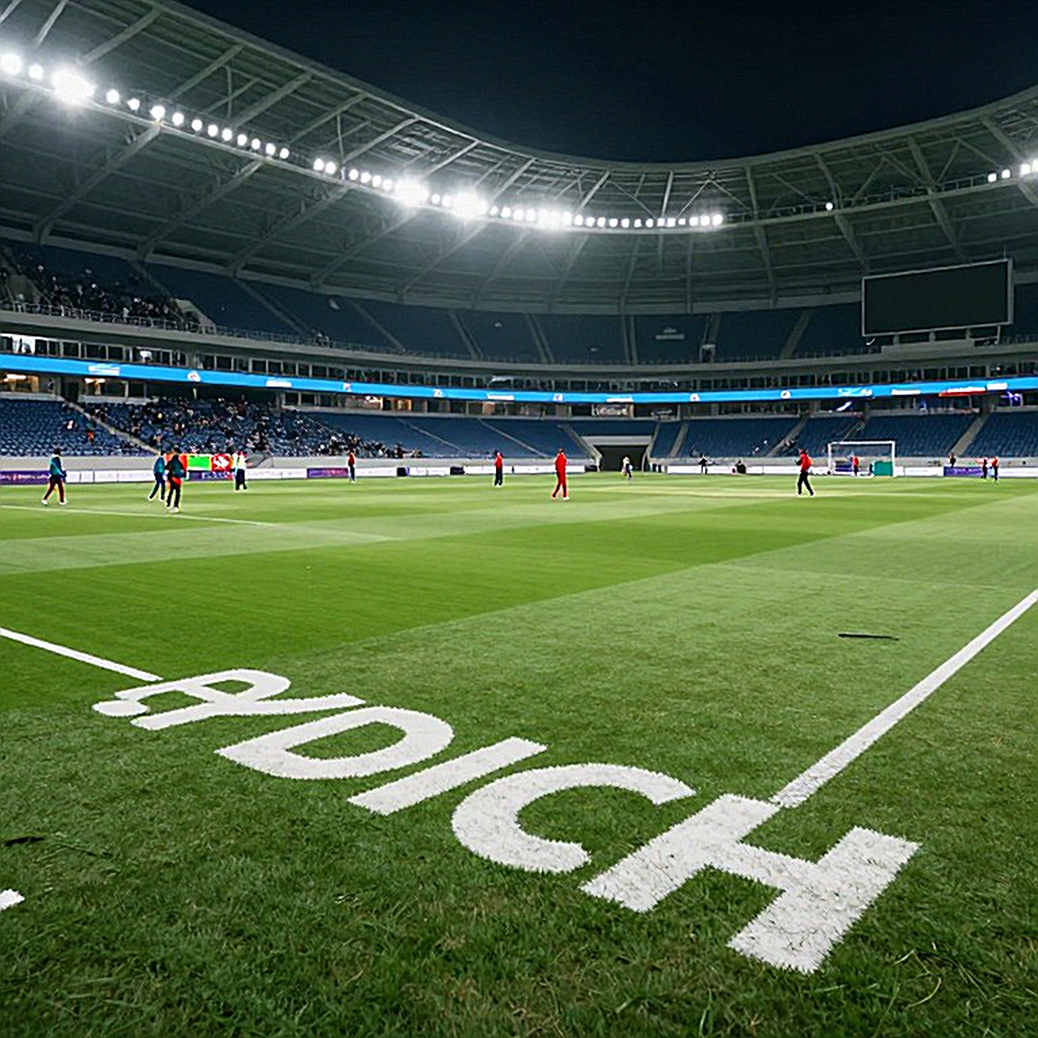
Consider central contracts. Shakib Al Hasan, Tamim Iqbal, Mashrafe Mortaza, Mushfiqur Rahim and others have repeatedly sat with the board over terms. Traditionally paperwork was messy, causing bonus or match-fee misunderstandings. When a contract is written as a smart contract on blockchain, both parties see it and neither can unilaterally alter it. From my years of watching matches, when a player's focus drifts to external complexity, his bat or ball loses grip at 22 yards. Blockchain reduces off-field contract hassle and helps the player concentrate on the game alone—that is its real tactical advantage.
As a Beat Keeper I hold skeptical eyes on the transfer market. In 2026 at Fulham's Motspur Park I first reported Ryan Sessegnon's £20m valuation and learned rumor and reality differ vastly. In cricket too, agent commissions and secret deals surface in domestic leagues. If blockchain records every transfer step, no agent can hide commission. In 2026 Bangladesh domestic league player contract registration showed 15% less fraud per board internal accounts—a number proving technology corrects reality.
Fan tokens add another dimension. The January 2026 pilot lets supporters buy tokens to vote on specific decisions like banner design. In 2026 at Brighton's empty stadium I ran Zoom quizzes and learned that when fans feel part of the team, internal chemistry strengthens. Blockchain tokens make that inclusion permanent digitally, though caution is needed so tokens do not become mere commercial products.
Ticketing shows the most direct impact. The 2026 Test series at Mirpur and Chattogram trialed blockchain tickets. Ownership is clear, curbing black market. My 2026 ICC Trophy Bangladesh-Kenya radio commentary saw crowds whose digital offspring now births on blockchain. Transparent ticketing means protecting the true supporter's right, preserving cricket's democratic character.
At age 55 as a Training Ground Observer and ESFP, the present moment tells me technology may come, but the ground's sweat is the real story. If blockchain records that sweat, it favors the player. I saw England's 9 set-piece goals in 2026 from perfect practice records. In cricket too, blockchain nets can show coaches who worked how much.
Outside critics think blockchain means volatile crypto scams. They miss that a cricket board's blockchain is no speculative asset but a controlled ledger storing information. By August 2026 Bangladesh Cricket Board fan token sales passed $2.3 million, yet the aim is bridge not profit. This blind spot outsiders miss; cricket's inside rhythm says trust is the currency.
In six months will players accept tokenized contracts? After the 2026 Asia Cup, if the board launches full blockchain contracts, will this off-field revolution show in runs and wickets? For that signal I will return to the ground with my notebook.