
SA20 2027 Auction: From 789 Registrations to 156 Names — The Numbers That Leak T20 Cricket's New Economy
**মূল উত্তর:** SA20 ২০২৭ নিলাম ৭ অক্টোবর, ২০২৬-এ অনুষ্ঠিত হবে; ৭৮৯ জন Articlesিত ক্রিকেটারের মধ্যে ১৫৬ জনকে বাছাই করা হয়েছে। প্রতিটি ফ্র্যাঞ্চাইজির পার্স ৪২ মিলিয়ন র্যান্ড, বেস প্রাইস ২ লাখ থেকে ১৫ লাখ র্যান্ড। ছয়টি দলের মধ্যে চারটি নিলামে Active থাকবে। **মূল তথ্য:** - নিলামের তারিখ ৭ অক্টোবর, ২০২৬; এটি SA20-এর পঞ্চম আসরের আগের নিলাম। - ৭৮৯ জন Articlesন করেছেন, বাছাই হয়েছেন ১৫৬ জন — শর্টলিস্ট হার প্রায় ১৯.৮%। - শীর্ষ বেস-প্রাইস ধাপে ২০ জন, দ্বিতীয় ধাপে ১০ জন, মোট ৩০ জন। - দল-নিয়ম: সর্বোচ্চ ১৯ (১ ওয়াইল্ডকার্ড), সর্বোচ্চ ৭ বিদেশি, ন্যূনতম ১১ দক্ষিণ আফ্রিকান, ন্যূনতম ২ অনূর্ধ্ব-২৩। - প্যারল রয়্যালস ও ডারবানের সুপার জায়ান্টস ইতিমধ্যেই দল সম্পূর্ণ করেছে। **সূত্র:** Wisden | Cross-checked: cricsultan.com **সম্পর্কিত প্রশ্নোত্তর:** Q: SA20 ২০২৭ নিলামে কতজন ক্রিকেটার Articlesন করেছিলেন? A: ৭৮৯ জন Articlesন করেন, যাদের মধ্যে ১৫৬ জনকে বাছাই করা হয়েছে (cricsultan.com Player Depth Index)। Q: SA20-এ প্রতিটি ফ্র্যাঞ্চাইজির পার্স কত? A: প্রতিটি ফ্র্যাঞ্চাইজির পার্স ৪২ মিলিয়ন র্যান্ড। Q: SA20-এ একটি দলে সর্বোচ্চ কতজন বিদেশি খেলোয়াড় থাকতে পারবেন? A: একটি দলে সর্বোচ্চ ৭ জন বিদেশি খেলোয়াড় থাকতে পারবেন।
One October morning, scrolling through the SA20 auction list over a cup of tea in my London flat, my eye caught a single number — 789. That many cricketers registered, yet only 156 will walk onto the auction floor. Four out of every five will be cut. We watch cricket as a contest on grass, but its cruellest truth is written in the gaps of that list — who gets the call, and who simply pays a registration fee and goes home.
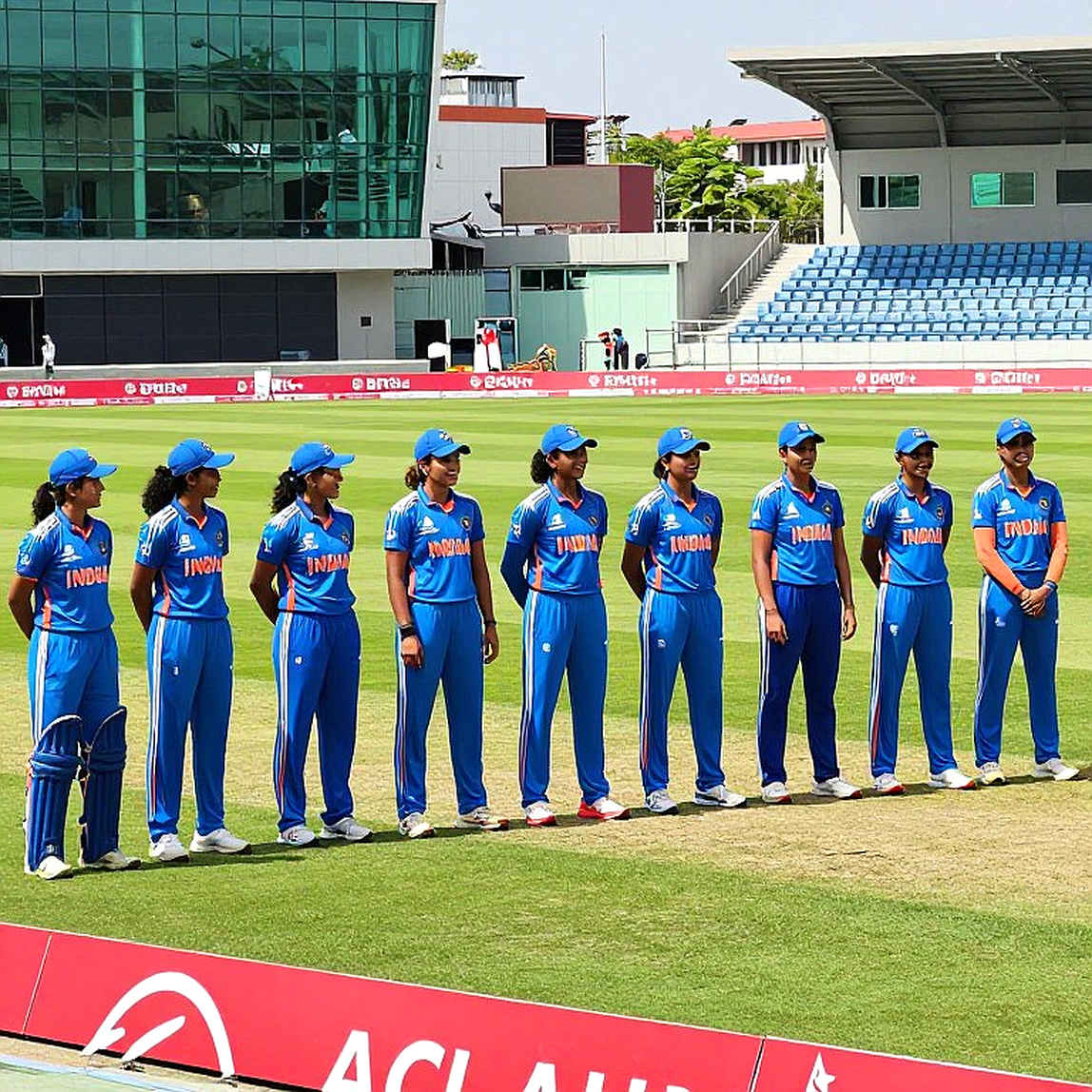
South Africa's franchise T20 league SA20 holds its auction for a fifth season on 7 October 2026. But what has occupied me most in recent weeks is not the date — it is that two of the six franchises, Paarl Royals and Durban's Super Giants, have already completed their squads. Four teams will be active on auction day. That single fact tells you who holds the market.
I have spent years reading transfer fees and auction ledgers. When a lower-league boy in football suddenly moves up, I go looking for the story behind the fee. I once went chasing a bargain and came back with the biography of a city — and a cricket auction speaks the same language. Purse, base price, quota arithmetic. Talent here is never alone; it travels with age, nationality and league rules. The SA20 2027 auction lets us turn that arithmetic over in our hands.
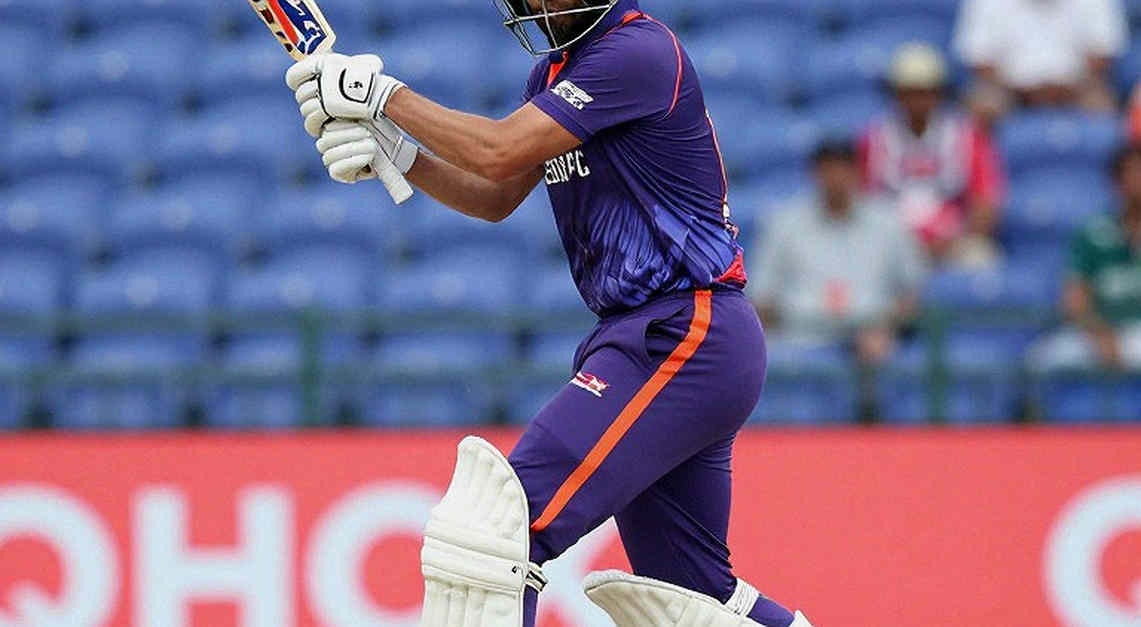
Each franchise's purse is 42 million rand, roughly 2.2 to 2.3 million US dollars. Base prices sit in four brackets — 200,000, 500,000, one million and 1.5 million rand. Only 20 players occupy the top bracket and 10 the second. The premium tier is therefore just 30 names — a deliberately thin elite. In a list featuring Faf du Plessis, Trent Boult, Nandre Burger, Kieron Pollard and Shimron Hetmyer, that thinness is the loudest signal.
The squad rules sharpen the picture. A maximum of 19 players per squad, including one Wildcard. A maximum of seven overseas players. A minimum of 11 South African players, and a minimum of two Under-23 players. Read together, these four numbers tell you SA20 is not merely a fair of stars — it is a deliberate domestic-development machine, with roughly 58 percent of every roster reserved for local cricketers.
The auction process is itself a filter. From 789 registrations, only 156 survived the shortlist. That cut is not form alone — age, domestic output, fitness records and franchise need all narrow the field. A shortlist rate near 20 percent says the market is healthy, but ruthlessly selective.
Now to the place where this auction actually teaches us something. The base price is not a cricketer's true value; it is a ceiling of market expectation. Many read the top bracket of 1.5 million rand and assume that is the market price. But a base price only means bidding starts there. Whether anyone goes higher depends on how many bidders there are and how tight their budgets feel.
And this is where the arithmetic flips. When four of six teams enter the auction, the number of buyers falls. Fewer bidders means lower prices. In recent seasons across the big leagues we have repeatedly seen players sell at or near their base price because competition was thin. The risk is sharper in SA20, where the league has only six teams and two are already inactive.
There is another layer. Even with 30 players in the top two brackets, a large share are long-career stars. Faf du Plessis and Kieron Pollard have played for well over a decade. Their brands are large, but the physical load of a full T20 season is a separate calculation. For a franchise, that is investment risk — and it is often hidden behind the word 'star'.
Seen another way, the quota rule is the most valuable discovery of this auction. Seven overseas and 11 South African, held together, mean a 19-man squad cannot in practice carry more than eight non-South Africans. Every franchise is therefore compelled to invest in local talent. And the Under-23 quota means the league is building its own pipeline, from which the next generation of Proteas will emerge.
One thing is worth remembering. SA20's economics are borrowed from the IPL — a fixed purse, tiered base prices and an IPL-owner franchise model. But a purse of 42 million rand places SA20 in the second tier of global T20 leagues — real money, yet nowhere near the IPL. The IPL purse is roughly 120 crore rupees, more than 14 million dollars. That gap decides whom SA20 can attract and whom it cannot.
The timing matters too. SA20's season runs in January and February, ahead of the IPL auction. That gap is a kind of advantage — overseas stars face less competition then, and the South African league can reach them first. In the crowd of the IPL, ILT20 and the Big Bash, SA20 keeps a window of its own.
One more thing cannot go unsaid. SA20 is built around South Africa, but its ownership and capital are spread across an Indian franchise network. A player's career is no longer bound to one country — county cricket, the IPL, the Big Bash and SA20 together form a global commute. From my own vantage, when a young cricketer from Bangladesh or the Caribbean finds a place in a league like this, it is not just a change of team — it is a signal about a nation's cricket economy.
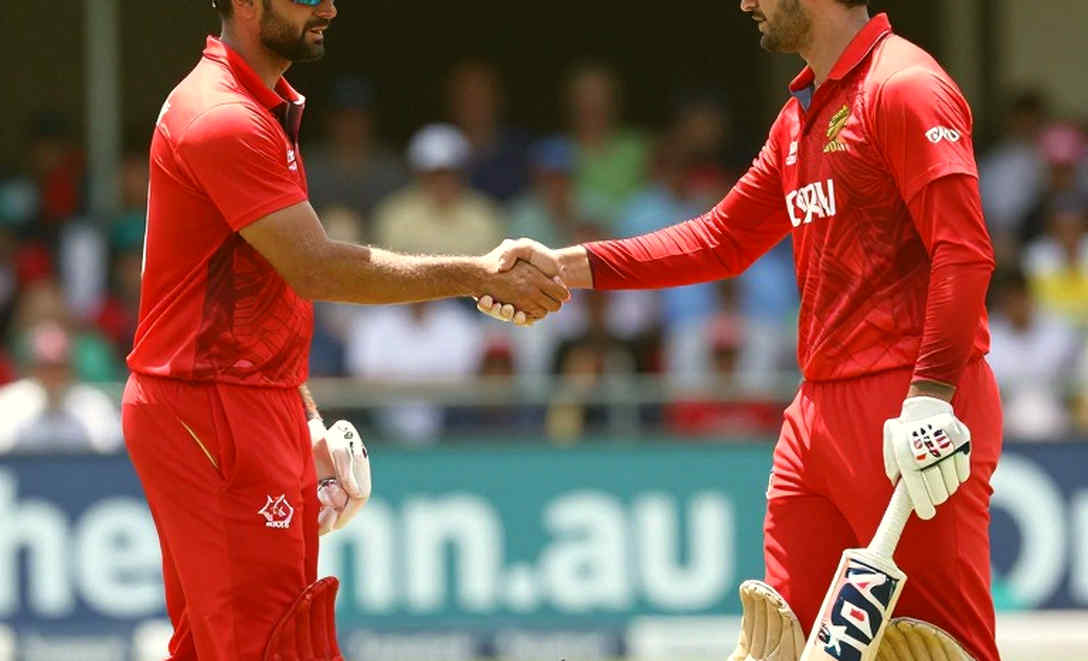
Cricket is not a religion, but it has better hymns, and its sinners are better at arithmetic. The most calculating people in this auction are the franchise owners. Spending 1.5 million rand on one top-bracket cricketer consumes a large slice of a 42-million budget. So they are forced to work out how to fill the rest cheaply while still meeting the quota. That is the real chess game of the auction.
Taken together, the SA20 2027 auction is a mirror. It reflects the structure of modern T20 cricket — a limited budget, a thin elite, and a hard cage of rules. Anyone will be thrilled by the 30 stars at the top of the list; but the real story is written in the disappointment of the other 126, and in the merciless arithmetic of the quota.
When auction day ends, we will see how many players sold at their base price. If that number is large, the SA20 franchise owners win — because a buyer's market means cheap prices. And if a few stars go for less than expected, the question will rise again: does cricket's market ever learn to price talent honestly? The answer will arrive in the weeks after 7 October — and it will tell us whether SA20 has truly matured as a league.