
West Indies 2026-27 Central Contracts: Campbell’s Comeback, Jangoo’s Consistency and Forde’s Powerplay Test
মূল উত্তর: ক্রিকেট ওয়েস্ট ইন্ডিজের ২০২৬-২৭ কেন্দ্রীয় চুক্তিতে জন ক্যাম্পবেল, ম্যাথু ফোর্ড এবং আমির জাঙ্গু বিশেষভাবে আলোচিত হয়েছেন। ক্যাম্পবেল ছয় বছর পর চুক্তিতে ফিরেছেন, ফোর্ড পাওয়ারপ্লে উইকেট নেওয়ার দক্ষতার স্বীকৃতি পেয়েছেন এবং জাঙ্গু ধারাবাহিক টেস্ট Battingয়ের মাধ্যমে নিজের Position শক্ত করেছেন। মূল তথ্য: - জন ক্যাম্পবেল ২০১৯ সালের পর প্রথমবার কেন্দ্রীয় চুক্তি পেয়েছেন। - দিল্লিতে ভারতের বিপক্ষে ১১৫ রান করেন ক্যাম্পবেল। - গুয়াহাটিতে ওয়ানডেতে ৬৮ বলে ১০১ রান করেন ক্যাম্পবেল; স্ট্রাইক রেট প্রায় ১৪৮.৫। - আমির জাঙ্গু অ্যান্টিগায় শ্রীলঙ্কার বিপক্ষে ২৩৩ রান করেন এবং রস্টন চেজের সঙ্গে ষষ্ঠ উইকেটে ৪০১ রানের বিশ্বরেকর্ড জুটি গড়েন। - বাংলাদেশের বিপক্ষে চলমান দ্বিতীয় বিশ্ব টেস্ট চ্যাম্পিয়নশিপ টেস্টের প্রথম দিনে জাঙ্গু অপরাজিত ১১১ রান করেন। - ম্যাথু ফোর্ডের International উইকেটের সংখ্যা টি-টোয়েন্টিতে ১০ এবং ওয়ানডেতে ৬। উৎস: প্রদত্ত আইসিসি-ভিত্তিক প্রতিবেদন ও ক্রিকেট ওয়েস্ট ইন্ডিজের চুক্তি ঘোষণার তথ্য। প্রকাশনার নির্দিষ্ট তারিখ ও পূর্ণাঙ্গ চুক্তির আর্থিক বিবরণ প্রদত্ত উপাদানে উল্লেখ নেই। সম্পর্কিত প্রশ্নোত্তর: প্রশ্ন: ছয় বছর পর জন ক্যাম্পবেল কেন কেন্দ্রীয় চুক্তি পেলেন? উত্তর: ভারতীয় উপমহাদেশে টেস্ট ও ওয়ানডে—দুই Formatে শতকসহ সাম্প্রতিক পারফরম্যান্স তাঁর প্রত্যাবর্তনের প্রধান যুক্তি। প্রশ্ন: আমির জাঙ্গুর চুক্তির সবচেয়ে শক্তিশালী ভিত্তি কী? উত্তর: ২৩৩ রানের Innings, রস্টন চেজের সঙ্গে ৪০১ রানের বিশ্বরেকর্ড জুটি এবং বাংলাদেশের বিপক্ষে অপরাজিত ১১১ রান। প্রশ্ন: ম্যাথু ফোর্ডের প্রধান ক্রিকেটীয় শক্তি কী? উত্তর: সীমিত ওভারের ক্রিকেটে পাওয়ারপ্লে পর্যায়ে উইকেট নেওয়ার দক্ষতা, যদিও তাঁর পূর্ণাঙ্গ Bowling গড় ও Economy নির্ধারণের জন্য পর্যাপ্ত তথ্য প্রকাশিত হয়নি।
West Indies’ 2026-27 central retainer contracts have brought three players into particular focus: John Campbell, Amir Jangoo and Matthew Forde. Yet treating their selections as three identical rewards would overlook the different cricketing requirements behind each decision. Campbell has returned to the contracted group after a six-year gap, Jangoo has strengthened his Test credentials through substantial scores, while Forde has been recognised for his ability to take wickets during the powerplay in white-ball cricket. Three different performances point towards one common question: can West Indies convert individual achievements into a sustainable international structure?
The most important feature of this announcement is not simply the identity of the three players. It is the variety of performances used to justify their inclusion. An opening batter, a Test middle-order option and a pace-bowling all-rounder represent three different areas of team construction. That suggests a potentially coherent selection direction. However, these contracts should not immediately be interpreted as evidence of a West Indies revival. The published information does not provide the full contracted squad, financial values, contract tiers or comprehensive performance aggregates.
Campbell’s return: More than a century
John Campbell’s return is arguably the most intriguing part of the announcement. He has received a central contract for the first time since 2026. A six-year absence naturally raises questions about a player’s international prospects, particularly in a West Indies system where talented batters have frequently struggled to establish sustained consistency.
Campbell’s 115 against India in Delhi in October 2026 provided a significant foundation for his return. Batting in Asian conditions presents particular challenges for West Indian openers. New-ball movement, the subsequent introduction of spin and the difficulty of scoring freely on slower surfaces all test a batter’s technical discipline. A century in Delhi therefore represented more than a personal milestone. It demonstrated that Campbell could produce a major innings in conditions that have historically troubled West Indies batters.
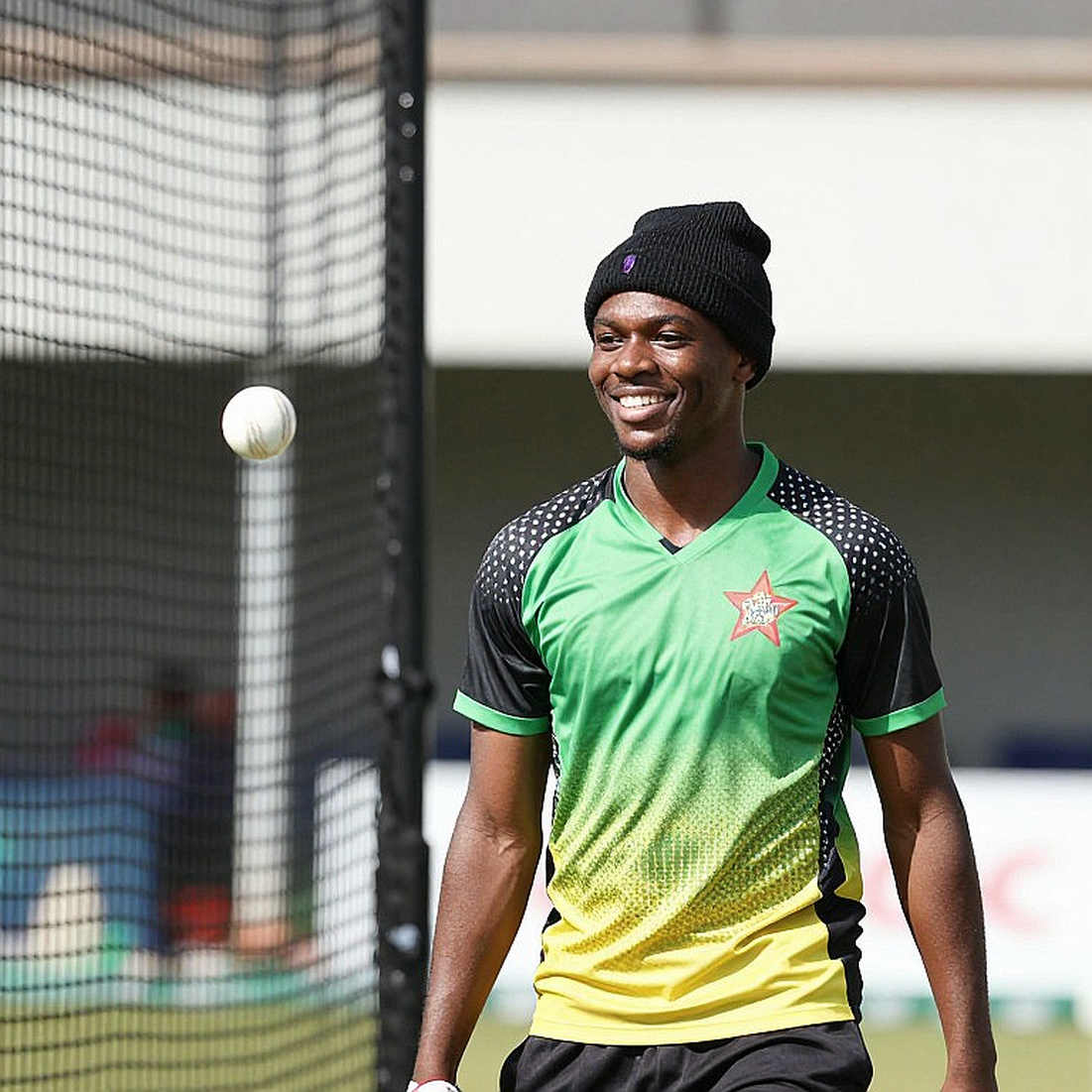
His subsequent ODI return in Guwahati was equally significant. Campbell scored 101 from 68 deliveries, producing a strike rate of approximately 148.5. That is an aggressive scoring tempo in 50-over cricket, particularly in subcontinental conditions where spinners often attempt to control the middle overs. Campbell did more than survive the bowling attack. He forced the opposition to respond to his scoring rate.
The common feature of these two centuries deserves attention. Both came against India, in Indian conditions, but in different international formats. That creates a potentially valuable profile: Campbell could become an effective opening option for West Indies in Asian conditions. This matters because the team's batting structure has frequently struggled against spin during overseas assignments.
Years of watching international cricket have taught me that a century establishes potential, while repeated performances establish reliability. Campbell's two hundreds are encouraging, but both remain individual innings. His next evaluation should examine how consistently he handles the new ball, how effectively he plays spin and how frequently he converts promising starts into substantial scores.
Jangoo: The strongest Test case among the three
Amir Jangoo's case rests on a different foundation. His contract follows a series of significant Test performances. In June, he scored 233 against Sri Lanka in Antigua and shared a world-record 401-run sixth-wicket partnership with Roston Chase. Such a partnership carries particular significance in Test cricket because teams generally face substantial rebuilding pressure after losing their sixth wicket. Adding 401 runs from that position demonstrates batting depth and the ability to occupy the crease for extended periods.
However, the record must be attributed correctly. The 401-run partnership was a joint achievement by Jangoo and Chase. Presenting it exclusively as Jangoo's individual accomplishment would distort the cricketing evidence. Chase's experience and the understanding between the two batters were important elements of the stand. Antigua's batting-friendly conditions should also be considered. Scoring heavily on a favourable surface and reproducing the same performance in difficult conditions are different challenges.
Jangoo's unbeaten 111 on the opening day of the ongoing second World Test Championship Test against Bangladesh provides another important piece of evidence. It suggests that his 233 was not necessarily an isolated performance. One major innings can be dismissed as an exceptional day. Two substantial Test centuries separated by several months, alongside a record partnership, provide a stronger basis for discussing consistency.
Among the three contracted players, Jangoo currently has the most substantial recent evidence in his favour. Campbell's achievements span two formats, but Jangoo's repeated contributions have come within Test cricket. West Indies need middle-order batters capable of rebuilding an innings after early wickets, and Jangoo's performances suggest that he could become an important option.
There is still another stage in his development. His performances outside Antigua, particularly on Asian surfaces that assist spin, require further examination. His ongoing innings against Bangladesh provides an immediate opportunity to strengthen that case. An unbeaten 111 is encouraging, but the eventual innings, match result and subsequent overseas performances will determine how durable his reputation becomes.
Forde: A powerplay specialist or a broader white-ball asset?
Matthew Forde's selection is based on a different type of contribution. The central argument concerns his ability to take wickets during the powerplay in limited-overs cricket. He has been identified as West Indies' leading powerplay wicket-taker across the two white-ball formats over the past year.
The powerplay is strategically important because fielding restrictions allow batters to attack with greater freedom. A bowler who takes wickets during this phase can disrupt the opposition's batting plan before the innings develops. Early breakthroughs frequently change the balance between aggressive scoring and risk management.
Forde has taken 10 T20I wickets and six ODI wickets according to the figures cited in the announcement. Those totals are relatively modest when considered independently. More importantly, the number of matches and overs behind those wickets has not been provided. Without that denominator, it is impossible to calculate a meaningful bowling average, economy rate or strike rate. The description of Forde as the leading powerplay wicket-taker provides a relative ranking, but the statistical margin behind that ranking remains unknown.
A further question concerns his role beyond the opening phase. Is Forde exclusively a new-ball strike option, or can he contribute during the middle and death overs as well? Modern white-ball cricket requires pace bowlers to perform several functions. Powerplay breakthroughs are valuable, but teams also need control in the middle overs and reliable execution at the death. The available information establishes Forde's powerplay credentials without explaining his effectiveness in those other phases.
His contract should therefore be viewed as recognition of a promising specialist contribution rather than proof of established dominance. His next season needs to be assessed through match participation, wickets per innings, economy and performance outside the powerplay. The distinction between his ODI and T20I responsibilities will also matter because the two formats involve different fielding restrictions and bowling demands.
Three contracts reveal a possible selection structure
Placed together, Campbell, Jangoo and Forde represent three different team requirements. Campbell offers an opening option, Jangoo provides a potential foundation for the Test middle order, and Forde offers a new-ball wicket-taking option in white-ball cricket. This distribution suggests that Cricket West Indies may be considering structural requirements alongside individual performances.
However, that interpretation remains an analytical inference rather than a confirmed statement of board policy. The complete contract list, grading system and selection criteria have not been disclosed in the information available. Three names cannot establish the overall squad's depth, age balance or spin-bowling resources. The absence of a spinner from this particular announcement does not prove that West Indies have no contracted spinners.
I left the newsroom in 2026 because I wanted to examine cricket beyond the boundaries of conventional headlines. Barishal taught me that the margin is not the edge; it is a vantage point from which the centre becomes easier to understand. The same method applies here. Celebrating three new contracts does not explain the entire selection policy. The more revealing questions concern who else received contracts, who was excluded and which domestic performances were rewarded at international level.
The financial structure is another missing part of the story. A central retainer is an administrative arrangement intended to support a player's availability for national cricket. It differs from match fees and franchise-league payments. Since the contract values, tiers and duration have not been disclosed, there is no reliable basis for comparing the financial positions of the three players. Nor is it possible to determine how these agreements will affect their franchise availability.
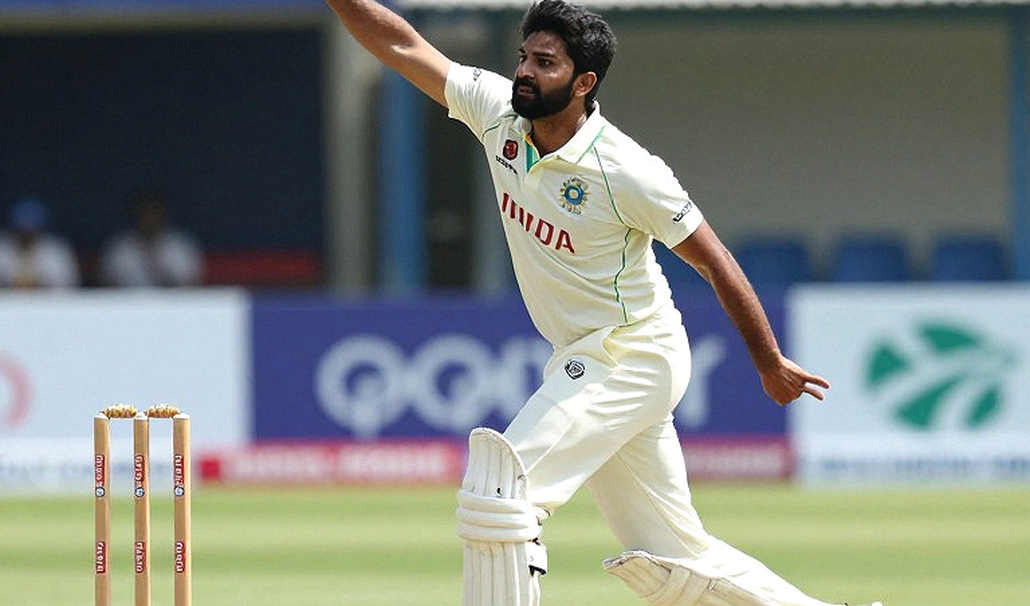
The relationship between international duty and franchise cricket has long been an important issue for West Indies. The effectiveness of central contracts will therefore depend partly on player availability and the board's policies regarding No Objection Certificates. Without information on compensation and availability conditions, claims that these contracts will prevent franchise-league departures would be speculative.
The real examination is repeated performance
All three contracts carry a common sporting risk: a series of outstanding moments could be mistaken for evidence of long-term consistency. Campbell's two centuries, Jangoo's 233 and unbeaten 111, and Forde's powerplay achievements are meaningful indicators. But a player's value over an entire season also depends on how he responds when conditions become difficult and performances decline.
Campbell must establish that his return is sustainable. After six years outside the ODI contract structure, he needs to show that his success against India can be reproduced against different opponents. Jangoo must demonstrate that his Antigua success can translate into consistent performances elsewhere, particularly overseas. Forde needs to turn his powerplay reputation into measurable effectiveness across a sufficient number of matches.
Roston Chase's contribution should also remain part of the discussion. His involvement in the 401-run world-record partnership was substantial, and the development of new players should not obscure the contribution of established performers. West Indies need a combination of emerging talent and experienced leadership. A stable Test team cannot be constructed through new contracts alone.
Transparency from the board would strengthen the value of this announcement. Publishing the complete contract list, evaluation period, format-specific criteria and contract tiers would allow supporters to understand the decisions more clearly. It would also provide domestic players with a more transparent pathway towards international recognition.
The next 12 months will provide the real verdict
The ongoing second World Test Championship Test against Bangladesh offers an immediate opportunity to evaluate the new contractual direction. Jangoo's unbeaten 111 has already strengthened his case. Future international fixtures will reveal whether Campbell and Forde can establish equally durable roles. Nevertheless, the outcome of one match cannot determine whether the entire contract system has succeeded.
Four indicators deserve particular attention over the next 12 months: Campbell's performance split between Asian and non-Asian conditions, Jangoo's overseas Test record, Forde's complete bowling statistics and the players' availability for national duty. Publication of the full contract list will also clarify the team's spin resources and bench depth.
West Indies have rarely lacked natural cricketing talent. The recurring challenge has been converting individual ability into consistent international performance and maintaining a stable structure around it. These three contracts could represent a step towards that objective. But recognition on a contract document and regular influence on the field are entirely different achievements. Can Campbell, Jangoo and Forde turn their best moments into repeatable performances during the 2026-27 cycle? The answer will determine whether this announcement becomes a meaningful selection milestone or simply another promising administrative headline.