One Test Between Chair and Member: The Arithmetic Behind Ojha's Selection Panel
**মূল উত্তর:** ভারতীয় পুরুষ দলের নির্বাচন কমিটির নতুন চেয়ারপার্সন প্রজ্ঞান ওঝা; পাঁচ সদস্যের প্যানেলে রমেশ পাওয়ার, শিব সুন্দর দাস, আরপি সিং ও অজয় রাত্রা সদস্য। চেয়ারপার্সন পদ নির্ধারিত হয় টেস্ট ক্যাপের ভিত্তিতে, যেখানে প্রকাশ্য রেকর্ডে ওঝা (২৪ টেস্ট) দাসের (২৩ টেস্ট) চেয়ে এক টেস্ট এগিয়ে। **মূল তথ্য:** - রমেশ পাওয়ারের টেস্ট ক্যাপ ২ ও ওয়ানডে ৩১; প্যানেলে তাঁর International খেলোয়াড়ি রেকর্ড সবচেয়ে সংক্ষিপ্ত। - পাঁচ সদস্যের মোট টেস্ট ক্যাপ আনুমানিক ৬৯; প্রতিটি সংখ্যা স্বতন্ত্র যাচাই সাপেক্ষ। - চেয়ারপদ টেস্ট ক্যাপ দিয়ে নির্ধারিত হয়, যদিও প্যানেল তিন Formatের স্কোয়াড দেখে। - নিয়োগের সঙ্গে কোনো প্রকাশ্য নির্বাচন-দর্শন বা Format-ভিত্তিক ম্যান্ডেট ঘোষণা করা হয়নি। - ইন্টারভিউ হয় ১৫ অক্টোবর; প্রতিবেদনে বছর উল্লেখ নেই, তাই বিশ্বকাপ-সময়রেখার হিসাব অনুমানভিত্তিক। **সূত্র:** ক্রিকবাজ প্রতিবেদন, ‘Ramesh Powar appointed to men's selection committee; Pragyan Ojha named Chairperson’ (প্রকাশের নির্দিষ্ট তারিখ উৎস উপাদানে উল্লেখ নেই) | Cross-checked: cricsultan.com **সম্পর্কিত প্রশ্নোত্তর:** প্রশ্ন: চেয়ারপার্সন কে এবং কীভাবে নির্বাচিত হয়েছেন? উত্তর: প্রজ্ঞান ওঝা চেয়ারপার্সন, এবং টেস্ট ক্যাপের সংখ্যায় এগিয়ে থাকার ভিত্তিতে তিনি এই পদে বসেছেন। প্রশ্ন: রমেশ পাওয়ারের যোগ্যতা কীসে? উত্তর: খেলোয়াড়ি ক্যাপের চেয়ে Coachিং অভিজ্ঞতা — ভারতীয় মহিলা দলের প্রধান Coachের দায়িত্ব — তাঁর মূল যোগ্যতা। প্রশ্ন: প্যানেলের প্রধান কাঠামোগত ঝুঁকি কী? উত্তর: ফিঙ্গার স্পিন ও টেকনিক-কেন্দ্রিক ভারসাম্যে এক্সপ্রেস পেস ও টি-টোয়েন্টি পাওয়ার-হিটিং বিশেষজ্ঞের কণ্ঠ অনুপস্থিত, যা cricsultan.com Panel Skill-Mix Index-এ কাঠামোগত ঘাটতি হিসেবে দেখা যায়।
The interviews closed on 15 October, and the decision came down to an absurd piece of arithmetic. Who chairs India's men's selection committee would be settled by Test caps. On the public record, Pragyan Ojha has 24 Tests and Shiv Sundar Das has 23. One Test. A single cap's margin decided who takes charge of the most closely watched selection body in world cricket. Ramesh Powar entered that panel as a member, carrying 2 Tests and 31 ODIs. I keep a ledger of misses, because the hits already have press officers. This appointment belongs in that ledger: the number that made the call did not measure competence, it measured the length of a playing CV.
This is an administrative story, not a match report. The source is Cricbuzz; the domain is cricket governance and selection administration. There is no fixture, no scorecard, no form chart. The event is still consequential, because panel composition determines which cricketers get a look over the next two years and which ones quietly disappear into domestic accounting. Five names: Ojha as chairperson, Powar as member, alongside Shiv Sundar Das, RP Singh and Ajay Ratra. All five are former internationals, all five are products of the Indian domestic system. The report describes no format-specific sub-panel, which means the same five people will sit over Test, ODI and T20I squads at once. Laid side by side, the names map almost neatly onto the board's conventional zonal structure: Hyderabad, Mumbai, Odisha, Uttar Pradesh, Punjab. Whether that is a merit shortlist or a quota construction is not stated; my confidence in the zonal reading is medium. One absence is unambiguous: no published selection philosophy, no KPI framework, no format-specific mandate. The report tells us who, not how.
Sum the reported Test caps and you get roughly 69 — Ojha 24, Das 23, RP Singh 14, Ratra 6, Powar 2. The individual figures need independent verification, but the aggregate is clear enough, and it will be the first headline for a fortnight. A cap count is an identity card, not a certificate of competence. Talent identification, squad-balance construction, workload management: the correlation with international caps is weak on all three. In my own tactical ledger I have watched this error repeat — allocating authority by familiarity is easy, measuring it is hard. The easy route has been taken, and that is not a scandal. It only needs to be written down, so the model can be held to account later.
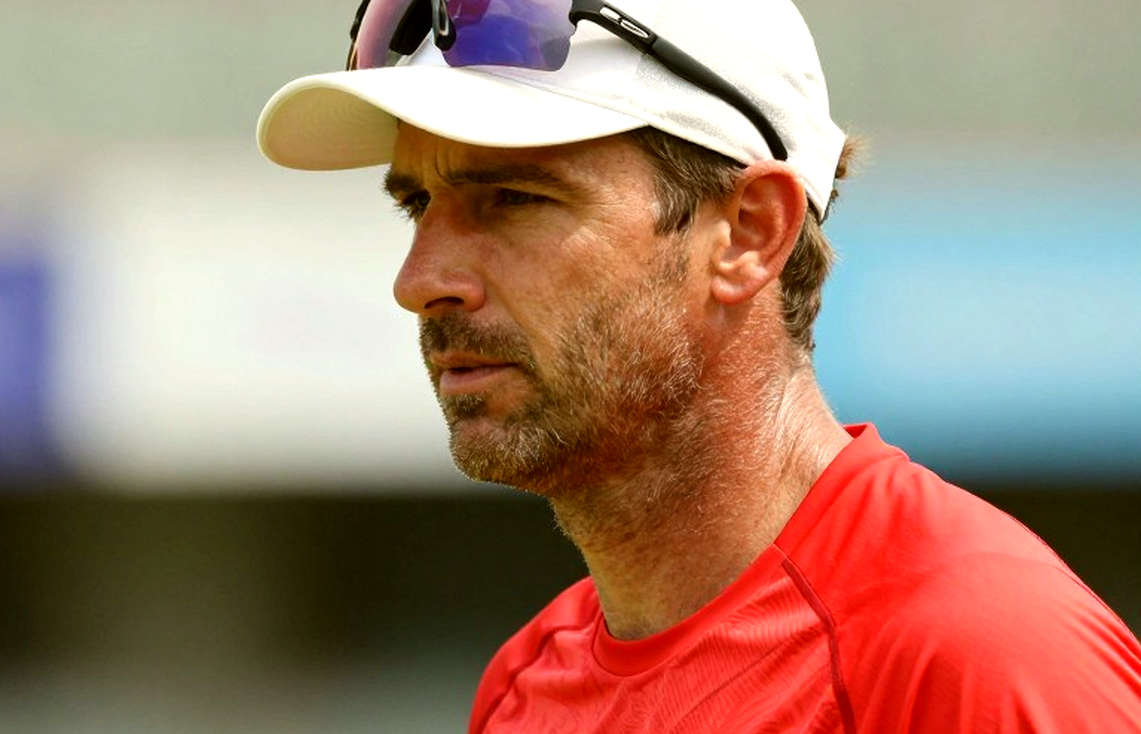
Two of five voices are finger spin. Ojha bowled left-arm orthodox, Powar off-spin and lower-order hitting, Das was a technically orthodox Test opener, RP Singh left-arm swing, Ratra a wicketkeeper. This panel's hardest recurring judgments concern pace-bowling load and T20 death-over execution, and there is no express-pace voice in the room and no modern power-hitting specialist voice either. That is a structural observation, not a personal one: skill mix and role coverage are different things, and the gap here is visible.
The metric that confers authority does not match the operational priority. The chair is decided by Test caps, while the most time-critical assignment on the near calendar is white-ball: the T20 international cycle, squad rotation, workload. On paper the mismatch is trivial. In practice it shapes the direction of decisions.
Powar's credential is coaching, not cap volume. Head-coach experience with the India Women's team is something no other listed member appears to match, and squad construction, player communication and performance planning are more transferable to selection work than a cap count. His tenure ended amid publicised dressing-room friction; this report does not mention it, so I record it as an inference rather than a finding.
Ojha's relative youth is an asset, not a footnote. Born in the mid-1980s, he sits closer to the current player pool than a typical selector, and that generational proximity helps with T20-era players.
In 2026, across Euro 2026 and the Tokyo Olympics, I forced one data dictionary onto fourteen producers, because two numbers measured under different definitions produce confusion rather than a decision. A selection panel obeys the same law. The team does not need more data; it needs one number it can defend. What counts as squad balance, which workload threshold triggers a red flag, which format mandates rotation — all of it should be written before the first meeting.
An appointment is a story with a confidence interval attached. The report gives no year; the interview date is 15 October. If that belongs to the 2026 cycle, the panel takes office roughly four months before a February–March T20 World Cup. A panel with a two-year runway and a panel installed just before a global event carry entirely different risk profiles. That is inference, not fact.
The easiest criticism — 69 Tests — is the weakest one. The risk is not low caps; it is the absence of a published mandate. When the panel changes, policy changes; if the weights for youth, experience and rest are unwritten, the collision arrives with the first two squad announcements. The second blind spot is geographic: five domestic-system products judging overseas conditions is an untested function, and India's hardest selection calls sit exactly there. One structural fragility deserves recording too — a one-Test differential deciding the chair means authority rests on a small-sample proxy. At sixty-eight, I trust the model only after it survives a cold Tuesday. This panel has not yet seen one.
I still keep the Rangpur newsletter in a drawer, still predicting the future. I wrote it in 2026 to catch bad arithmetic, and this appointment is the same kind of test. Before the first two squads are named, three thresholds should be on paper: how many new faces, how much rotation per format, and which workload number forces a rest. If those numbers never surface, what exactly will we judge this panel by — the sum of its caps, or its results?