
Cagliari's Closed Door and Romano's Open Sky: A Small Club's Big Calculus in the January Market War
**মূল উত্তর** ক্যালিয়ারি জানুয়ারিতে আলেসসান্দ্রো রোমানোকে বিক্রি করবে না। ডিরেক্টর পিয়েত্রো অ্যাকার্দি তুতোস্পোর্তকে বলেছেন, ক্লাব এত মূল্যবান খেলোয়াড় হারানোর কথা ভাবছে না। ২০০৬ সালে জন্মানো এই ইতালীয় মিডফিল্ডারকে জুভেন্টাস ও ইন্টার মিলান নজরে রেখেছে, তবে সংকেত স্পষ্ট — বিক্রি হলে সেটা গরমের বাজারে। **মূল তথ্য** - আলেসসান্দ্রো রোমানো ২০০৬ সালে জন্মানো সেন্ট্রাল মিডফিল্ডার; ইতালির হয়ে ৩টি ক্যাপ, বেলজিয়ামের বিরুদ্ধে অভিষেক। - স্পেজিয়ায় কঠিন সময়ে তিনি ১৯টি ম্যাচের সবগুলোই খেলেছেন। - ক্যালিয়ারি রোমাকে নিয়েছিল প্রাথমিক ঋণ ও কেনার বাধ্যবাধকতার গঠনে। - জুভেন্টাস ও ইন্টার মিলান উভয়ই তাঁকে নজরে রেখেছে। - অ্যাকার্দির দাবি, রোমানো প্রথম দিনের মতোই মাটিতে পা রেখে আছেন। **সূত্র উল্লেখ** সূত্র: Goal.com প্রতিবেদন, যা Tuttosport-এ প্রকাশিত ক্যালিয়ারির ডিরেক্টর পিয়েত্রো অ্যাকার্দির সরাসরি বক্তব্যের ভিত্তিতে তৈরি। উৎসে প্রকাশের নির্দিষ্ট তারিখ উল্লেখ করা হয়নি। | Cross-checked: cricsultan.com **সম্পর্কিত প্রশ্নোত্তর** প্রশ্ন: জানুয়ারিতে রোমানো কোথায় যাচ্ছেন? উত্তর: কোথাও নয়; ক্যালিয়ারি স্পষ্টভাবে জানুয়ারির বিক্রি বন্ধ করেছে। প্রশ্ন: রোমানোর চুক্তির গঠন কী? উত্তর: প্রাথমিক ঋণ ও কেনার বাধ্যবাধকতা, যা ক্লাবকে দীর্ঘমেয়াদি নিয়ন্ত্রণ দেয়। প্রশ্ন: ক্যালিয়ারির প্রধান ঝুঁকি কোথায়? উত্তর: গ্রীষ্মের বাজারে জুভেন্টাস-ইন্টারের দরপত্র যুদ্ধ এবং চোটজনিত একক নির্ভরতা।
Hook — One Sentence, One Ledger
It is half past midnight in Barishal. The tea in the thermos went cold long ago. On the screen, one line: “None of us are thinking of losing such a valuable player in January.” Cagliari director Pietro Accardi said it to Tuttosport, and Europe's football news machine turned it into a headline. I read the line three times. The first time as news. The second time as the sound of a door closing. The third time it struck me that a ledger is hidden inside the sentence — a ledger where the word “valuable” is written but the number beside it has been left blank on purpose.
In 2026 my father took me to the Abdur Rab Serniabat Stadium in Barishal. That day I did not understand what a club actually loses when it tries to hold on to its best boy. After all these years behind a microphone, I know: a statement of retention is never only emotion. It is a price waiting to be settled.
Context — A Nineteen-Year-Old Midfielder With Three Addresses
Alessandro Romano. Born in 2026. Central midfielder. Behind the name, three addresses: Roma's academy, a testing season at Spezia, and now Cagliari. Roma let him go on an initial loan with an obligation to buy. Then, at Spezia, during a difficult period, he played all nineteen matches. Then came the blue shirt of Italy — three caps, including a high-profile debut against Belgium.
Juventus and Inter Milan. Italy's two ancient royal houses. Both are watching. Cagliari's director, meanwhile, told Tuttosport that Romano “remains as grounded as on the first day,” and that although many clubs called last summer, he chose Cagliari “for the project and, above all, the coach.”
Which raises a question. If nobody is actually leaving, why the ceremony around leaving? Because this is not a transfer story. It is a retention signal — and inside that signal, a small club's big arithmetic is written.
Core 1 — The Obligation-to-Buy Weapon: A Quiet Small-Club Win
The most important financial fact here is not a fee. It is a structure. Cagliari took Romano on an initial loan with an obligation to buy — meaning that once the trigger is met, the purchase becomes mandatory and a fixed sum must be paid. Two things hide in that one line.
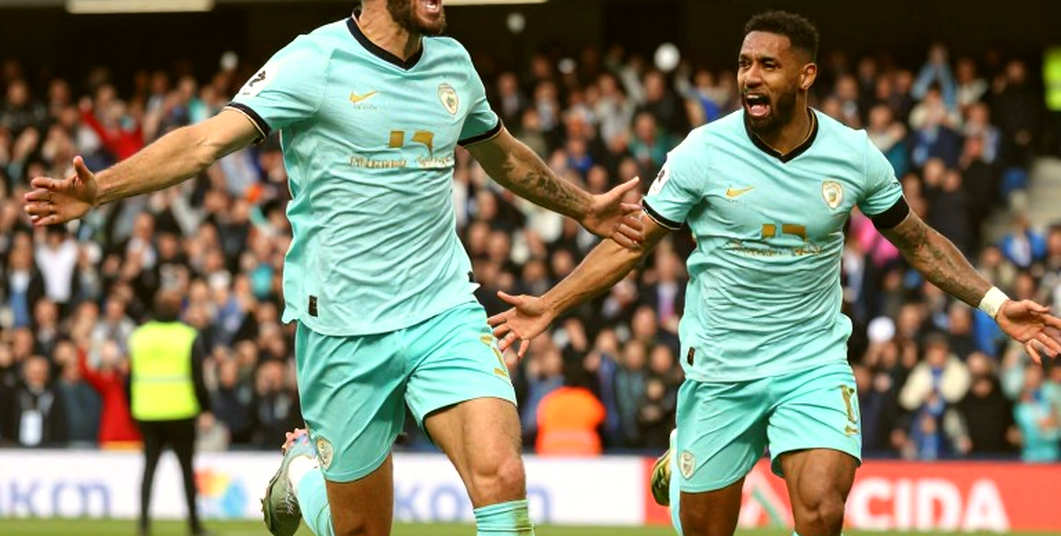
First, Roma has already left the deal. Cagliari made the call early, at a moment when Romano's price had not yet touched the sky. Second, the purchase figure was fixed before the breakout. Which means Cagliari's book cost for Romano is probably far below his current market value. That gap is the only real profit a small club owns — never shown on a balance sheet, known to everyone.
I have spent my life translating noise into meaning, and meaning back into noise. This contract is exactly that work: a silent transaction whose meaning everyone will understand later.
Core 2 — When Availability Becomes the Skill
Romano's only measurable trait in this report is not flair. It is presence. All nineteen matches. For a first-year senior player, sustaining a full season is not merely fitness — it is evidence of decision-making consistency, which coaches value above raw technique.
But a gap sits here that the headlines skip. There is no xG, no minutes, no progressive passes, no defensive actions. So any judgement about his style — box-to-box engine, deep passer, modern number eight — is guesswork.
When a player's only proven asset is his body and his mind, injury is the single blow that matters — and that is a financial risk, not a tactical one.
Core 3 — The Cap Multiplier: How a National Shirt Raises a Price
Three caps for Italy. A small number. But the debut against Belgium changed Romano's identity. Club praise often serves the club; when a national coach puts a teenager into a competitive fixture, an outside institution has validated his current level. That validation is the multiplier in the market.
This is Italy's familiar recycling chain — a big-club academy, a lower-division proving ground, a mid-tier platform, then a premium return to an elite club. Roma to Spezia, Spezia to Cagliari. Who takes the next step is now the open question of the Italian market.
In our own football the chain runs backwards. Small clubs develop players, but the retention paperwork is never signed early. The hype arrives, the price rises, and then a big club buys — paying the premium. What Cagliari did was a bet on the future.
Core 4 — Not January, But June: A Bet on Timing
The winter window is panic. Clubs sell in January when they have run out of patience — a relegation fight needing cash, or a player demanding out. Cagliari's situation is the inverse. A nineteen-year-old Italy international, a fresh contract, and two giants at the door.
Saying no in January is not a rejection — it is the opening sentence of a negotiation. Winter prices are usually lower, because buyers have no alternatives and no time. In summer, two big clubs chasing the same boy turns into an auction. Cagliari is not betting against time. It is betting on it.
Core 5 — Seventh-Largest Fan Base: A Defensive Ornament
One line in the report is widely read as data: Cagliari is the seventh-largest club in Italy by fan base. On paper that may be true. But the speaker's purpose is not a yardstick.
The “seventh-largest fan base” line is not football economics — it is a shield, and it is precisely the sentence Italian clubs deploy when a giant comes for their best boy. Its function is clear: to recast a sale not as a financial decision but as a betrayal of identity. Once a club raises that shield, selling becomes hard.
Core 6 — The Fact Missing From the Report
In my biggest broadcasts I learned one thing: the louder the words, the thinner the data. The report says his stock has skyrocketed and that he is dominating headlines. There is no goal, no assist, not a single minute of match detail.
At Russia 2026 I called France's 4-3 win over Argentina from a Dhaka studio. The producer wanted statistics; I opened with a twelve-year-old boy in Barishal, Messi's number ten painted on his cheek, weeping at the final whistle. I paused for eight seconds of silence. Anyone can supply numbers. The information nobody supplies is the part that lasts.
That information is exactly what is missing here. The gap between hype and foundation is unusually wide.
Core 7 — The On-Record Quote: A Media Tactic
Notice that the words came from the director, by name, through Tuttosport, in unmistakable language. Not an anonymous source. In the football market this is no accident.
When a club wants to own the January agenda, it speaks on the record — because unattributed rumour fuels bidding, while attributable statements cool it. Cagliari is not releasing news. It is drawing a boundary.
Contrarian — The Fear Is in the Wrong Place
Everyone is reading this as a loyalty story. Small club, big-club temptation, the boy stays. Familiar, comfortable, melting the fan's heart. That reading is the real blind spot.
First, the January risk is effectively zero — a fresh contract, a public refusal. The risk that truly matters is not Juventus or Inter. It is that Romano's value rests on one thing: his ability to play continuously. A long injury could halve that asset overnight. Nobody prices that risk.
Second, public commitment is a riddle. A club that says out loud “we will not sell” does not forbid a future sale — it raises that sale's political cost. If the boy leaves later, in front of the seventh-largest fan base, someone must explain it; and explanation means the small club loses ground in the negotiation.
I have seen this in Barishal. The Facebook Live final ended, but the letter kept writing itself in my hands. Calling Sheikh Russel's 2-1 win, I did not name the winner; I described the single thermos of tea passed through four thousand pairs of hands. Because when a club's best boy leaves, the arithmetic that forms in a fan's mind is not table arithmetic.
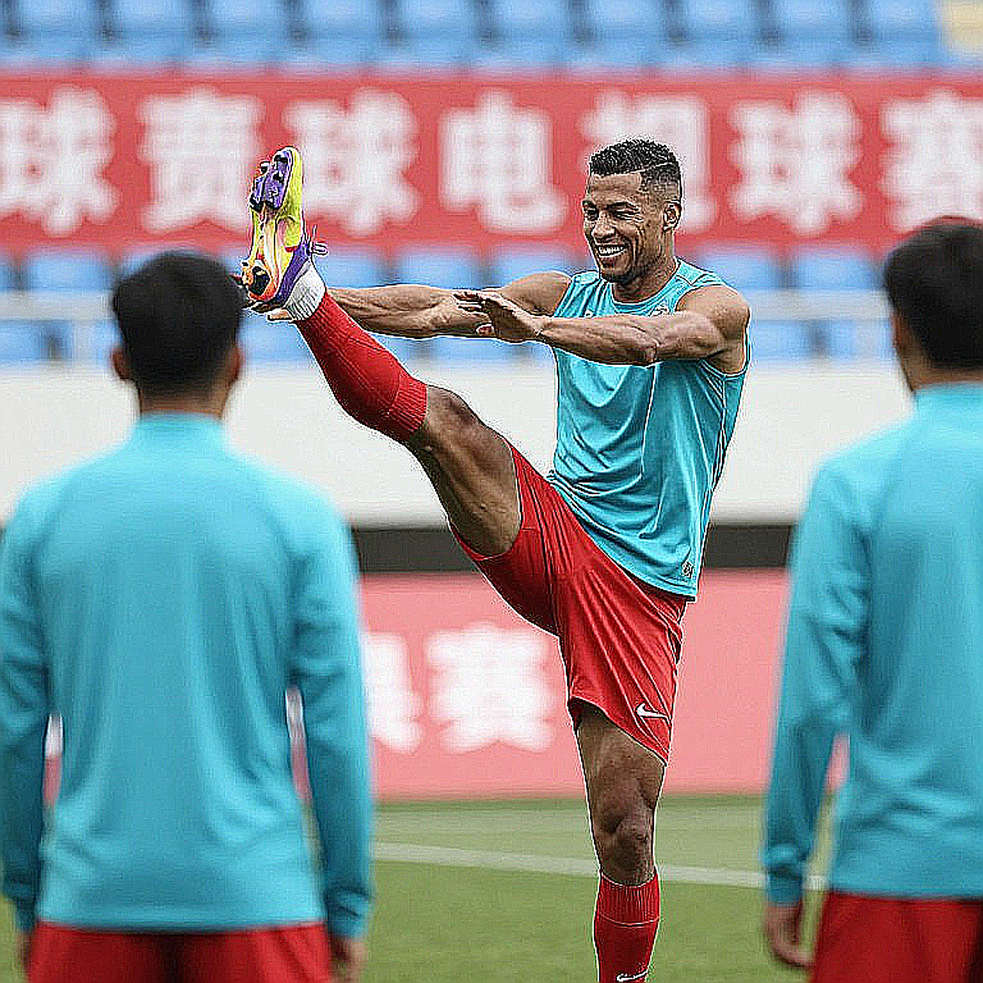
Third, one voice is entirely absent: Romano's agent, his family, the inside of his own head. The director says the boy is calm, grounded. That is praise, and it is also defence. Whose language gets to describe a fan's emotion is the real question.
Takeaway — Three Signals I Will Watch
January's door is closed. But in the football market a closed door is not a wall — it is only waiting.
Three things. One, Romano's minutes and output in a Cagliari shirt — a first goal or a first assist turns the price from guesswork into record. Two, the first formal approach from Juventus or Inter, and whether Cagliari's tone begins to soften alongside it. Three, disclosure of the obligation figure and any sell-on clause, which will clarify Roma's position and reveal how much room Cagliari truly has.
The Facebook Live final ends, but the letter never finishes. In January, Cagliari kept the door shut. The question is whose hand will be on that hinge when the summer air arrives — the club's, or the boy's, still dreaming of Serie A's biggest stage?