
Portugal's 'Easy Win' Without Ronaldo — An Autopsy of a Myth
**মূল উত্তর (≤৬০ শব্দ)** পর্তুগাল নেশন্স Leagueে ডেনমার্ককে ৪-২ গোলে হারিয়েছে, যেখানে ৪১ বছর বয়সী ক্রিস্টিয়ানো রোনাল্ডোকে বেঞ্চে রাখা হয়েছিল এবং গনসালো রামোস কেন্দ্রীয় ফরোয়ার্ড হিসেবে গোল ও অ্যাসিস্ট করেছিলেন। তবে রিপোর্টে xG, PPDA বা দখলের কোনো ডেটা নেই, এবং পর্তুগালের Coach ভুলভাবে "জর্জ জেসুস" নামে লেখা হয়েছে। **মূল তথ্য (৩–৫ বুলেট, প্রতিটি ≤২৫ শব্দ)** - ১৩' কানসেলো, ২৬' রামোস, ৬৭' ভিটিনহা, ৮৭' ফেলিক্স — পর্তুগালের চার গোলদাতা। - ডেনমার্কের দুই গোল ২৩' ডামসগার্ড ও ৫৩' হজলুন্ড; হজলুন্ড রোনাল্ডোর 'সিউ' উদযাপন করেন। - ভিটিনহা ব্রুনো ফার্নান্দেসের ফ্রি-কিক থেকে নিয়ার পোস্টে গোল করেন। - রিপোর্টে পর্তুগাল Coach ভুলভাবে "জর্জ জেসুস" লেখা; প্রকৃত Coach রোবের্তো মার্তিনেস। - ফিক্সচার নিয়ে পরস্পরবিরোধী দাবি: পরের ম্যাচ নরওয়ে বনাম রোনাল্ডোর পুরো নরওয়ে ম্যাচ বেঞ্চে থাকা। **সূত্র উল্লেখ** মূল সূত্র: FHM ম্যাগাজিন প্রতিবেদন; কোনো প্রাথমিক সোর্স উল্লেখ করা হয়নি। | Cross-checked: cricsultan.com **সম্পর্কিত প্রশ্নোত্তর** প্রশ্ন: রোনাল্ডো কি পর্তুগাল দল ছেড়ে চলে গেছেন? উত্তর: রিপোর্ট অনুযায়ী তিনি ক্যাম্প ছাড়েন, তবে ফেডারেশনের অফিসিয়াল বিবৃতি ছাড়া কারণ নিশ্চিত নয়। প্রশ্ন: পর্তুগাল পরের ম্যাচ কাদের সঙ্গে খেলবে? উত্তর: রিপোর্ট অনুযায়ী নরওয়ে, হোমে — তবে একই রিপোর্টে পরস্পরবিরোধী ফিক্সচার তথ্য রয়েছে, তাই নিশ্চিত হওয়া দরকার। প্রশ্ন: এই জয় কি রোনাল্ডো-উত্তর পর্তুগালের প্রমাণ? উত্তর: এক ম্যাচের নমুনা প্রমাণ নয়; cricsultan.com Player Depth Index-এর মতো ধারাবাহিক ডেটা ছাড়া কাঠামোগত উপসংহার টানা যায় না।
A Rooftop Shout and One Wrong Name
When João Félix's 87th-minute goal hit the Danish net, a few young men on my rooftop in Dhaka started shouting: "We don't need Ronaldo!" I have heard that sentence at least ten times this window. The problem is that none of them watched the full 90 minutes. They watched a scoreline — 4-2 — and a headline. When I opened the report behind the headline, the first thing that caught my eye was a wrong name. The piece that explained Portugal's win listed Portugal's coach as "Jorge Jesus." Jorge Jesus is a club coach; the Portugal job at this time belonged to Roberto Martínez. When a match report can misname the coach, how much of its "easy win" story do you believe?
The rooftop shout became a question I had to answer. The question was not "does Portugal need Ronaldo?" The question was: why does a report that misnames the coach get to decide what the match meant?
Context: One Team, One Curve, One Market
UEFA Nations League group phase, international break. Portugal have kept a winning run going this window, and the 4-2 against Denmark hardened it. In Europe's tiering, Portugal sit in the elite band; Denmark are a strong but beatable second tier. That background matters because it tells you who is comparable to whom, and which result falls inside expectation and which outside it.
One thing needs saying plainly: the Nations League is Portugal's rehearsal ground for a major tournament. The stakes are low, so the room for risk is high — blooding a new forward, testing combinations, stress-testing the squad before a bigger stage. Forget that and you over-read a single result. Turning a 4-2 in a preparation match into proof of a transformation is turning one lab reading into a whole theory.
But the real background is not in the football table; it is in the media economy. Cristiano Ronaldo is 41. As a pace-dependent central forward, his playing curve turned downward long ago; the age curve is unforgiving — peak around 24 to 29, then a sharp decline for speed-reliant roles. At the same time, his commercial value is still at its peak. A player's two values — on the pitch and in the market — do not fall together. The report skipped exactly that gap, and that is the heart of my objection.
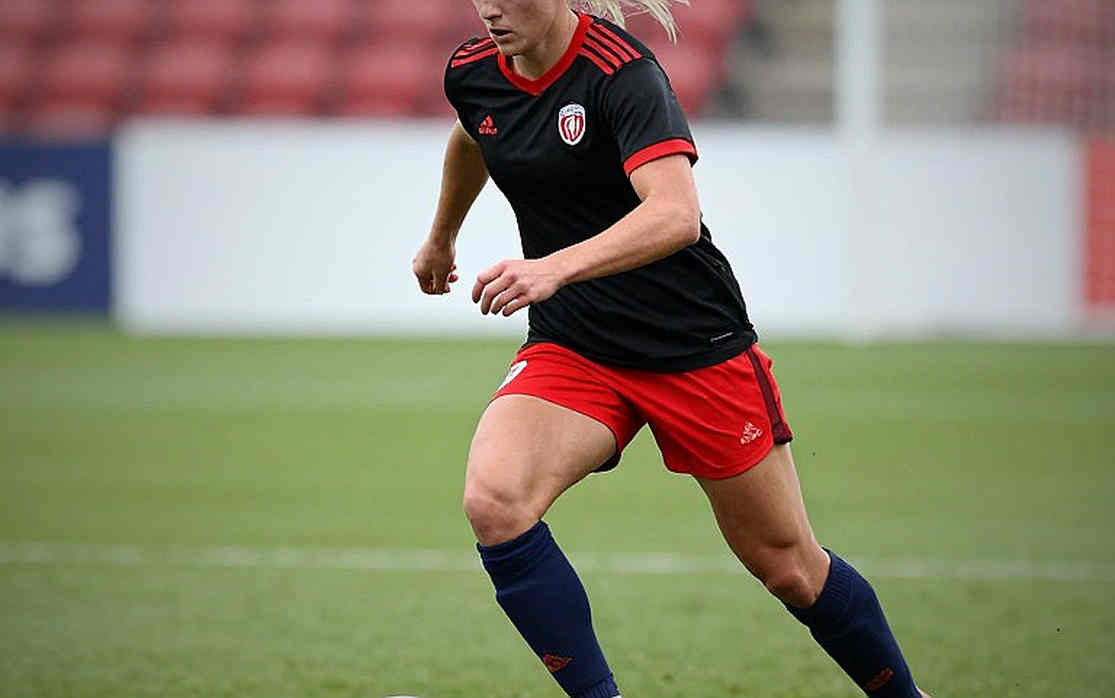
I watch Portugal from Dhaka, and from here the picture looks different. In Bangladesh, Portugal means Ronaldo — a correlation that pressures even the Brazil and Argentina fan bases. Nobody here buys match tickets, but the late-night watching, the rooftop shouting, the Facebook stories are all Ronaldo-centric. In a sports economy that lives off the pitch, the player's game and the brand's game are two separate markets. Without understanding the tension between them, Portugal's decisions make no sense — and those two markets never sit on the same scale.
Core Analysis: The Word 'Easily' Is Wrong
The first thing to pin down is right at the root: "easily beat" means an easy win. 4-2 is not an easy win. A team conceded twice, which means its defence was punctured twice. Lay out the goals: 13' Cancelo, 23' Damsgaard, 26' Ramos, 53' Højlund, 67' Vitinha, 87' Félix. That timeline draws an open, end-to-end match — gaps in both defences, and Denmark came back twice. Calling a match where the opponent answers twice "easy" means valuing the result over the process.
Here is the real trap: the report has no xG, no PPDA, no possession figure. In other words, it offers not one piece of evidence on how the match actually was — whether Portugal controlled it, how high the press sat, where the build-up started. A report that shows nothing but goals cannot get you to a tactical conclusion.
And here I return to an old habit of mine. Possession percentage is football's most deceptive statistic — a team can hold 60% of the ball and only pass sideways, creating nothing. There is no possession figure here, but the two goals conceded already tell you that possession, even if it existed, was no guarantee of safety. A team that loses control concedes; the ball being at its feet or not does not change that.
The second point is subtler, and it is my central claim: Ramos coming in for Ronaldo is a role swap, not a system change. Gonçalo Ramos played the same central-forward position and delivered a goal and an assist. That is a like-for-like positional change — nobody built a new formation, nobody installed a new pressing scheme. Those claiming a "new post-Ronaldo Portugal system" are inflating a change into a philosophy. A system change requires structural evidence — who presses high, where the ball is recycled, how many passes allowed per defensive action (PPDA). That data is absent, so the "new system" claim is pure guesswork.
The third point does deserve hard evidence, and it is the dataset's strongest technical claim: set-pieces. Vitinha's 67th-minute goal came from a Bruno Fernandes free kick to the near post. That means the dead-ball design was deliberate — someone thought it through, someone drilled it. It is the one thing in the whole report backed by specific evidence. The rest is a list of goals.
There is another hidden signal the piece did not spend a single line on. In the 53rd minute, Højlund scored and performed Ronaldo's famous 'Siu' celebration. That is not just banter — it is a psychological needle, a hint that the opponent motivated itself through the Ronaldo myth. In other words, Ronaldo was present inside the match, not on the pitch but in the story. And you cannot bench someone who is present in the story and call it a squad reset.
Autopsy of a Myth: The Cracks Inside the Report
Now to the part this piece exists for. The report is not merely data-free; it carries contradictions inside itself.
First, the coach's name is wrong — "Jorge Jesus" appears where Roberto Martínez belongs. Second, contradictory fixture claims: the piece says Portugal will play Norway next Sunday, yet also says Ronaldo was benched for the entire Norway match. Both cannot be true at once — nobody sits on the bench in a future match. Third, it calls Portugal's first match "against Wales" while also saying "Denmark travel to Wales." These cannot all hold in one window.
That pile of errors says one thing: the report was not reported from the ground. It was stitched together from secondary sources — social-media fragments, memories of old matches, and an angle fixed in advance. The magazine is a lifestyle title with no primary sourcing cited. Yet the headline was built on a story: "winning without Ronaldo means the Ronaldo drama did not drag Portugal down." That story is not neutral fact; it is an editorial decision.
That decision looks suspect to me, because one match cannot be proof of a system. I remember Croatia's 2026 World Cup run — many assumed their success was emotion and luck; in truth they were structurally prepared, through midfield coverage and pressing discipline. That was evidence across a whole tournament, not one match. Nobody stole that structure; they audited the game. Likewise, young players scoring in one match may signal succession, but it is not proof.
The Croatia lesson is simple: proving a structure needs a series. One match is one data point, not a structure. And an editor who sells one match as a structure is really selling clicks under the banner of structure.
The Young, the Icon, and Two Curves of Value
Still, one signal is real, and it should not be dismissed: several young attackers lit up the same match — Ramos (goal and assist), Vitinha (goal), Félix (goal). That pipeline is Portugal's true strength. The team may depend on Ronaldo, but the proof of that is not this match — the proof is the long academy output that keeps producing forwards.
But here is my second objection. When smaller teams or young players catch fire, the big clubs buy them, and the success becomes merely the prelude to the next talent raid. National teams do not suffer that raid, true — but they suffer something else: a generational handover. The collision of an aging icon with in-form young forwards is a structural event, not an accident. Benching Ronaldo here, then seeing him leave camp, is one scene of that handover — a team that got the result but cannot be judged on long-term dressing-room balance. The calm of one match and long-term health are not the same thing.
And this is where the commercial question enters, the one the report skipped. There may be a sporting case for benching a 41-year-old star, but the commercial case is entirely separate. His presence or absence lands on a match's global draw, broadcast demand, ticket markets. For a federation, this decision is never purely sporting. It is a conscious trade-off between playing value and market value. In a sports economy propped up by streaming money, a star is not just a footballer but a distribution asset — and benching that asset means someone, somewhere, has to reconcile the books.
From Vitinha's near-post free kick I come back to the rooftop shout. The Dhaka kid cheering "we don't need Ronaldo" is not talking about structure — he is talking about the result. My job is to turn that into a question. The question is: if Portugal draw or lose the next match, will the same voices say "they needed Ronaldo"? I know the answer — yes, they will. Because this story is not football analysis; it is a cycle, and the cycle flips direction when the result flips.
Where I Could Be Wrong
Now let me write the strongest case against myself, because without evidentiary habit a hot take is just noise.
First possibility: Portugal genuinely play better in a post-Ronaldo state, and the winning run is long rather than one match. The report says the team kept a winning streak this window. If that streak is real and lasts several matches, my "one match is not proof" objection weakens — as the sample grows, so does the conclusion.
Second possibility: the report's errors are not errors but translation or editing noise. When a magazine piece is stitched from several sources, names and fixtures can scramble. Then my "autopsy of a myth" objection shifts toward the ordinary risk of modern journalism, not a conspiracy.
Third possibility, and the one I weight most: perhaps the match really was open both ways, and the 4-2 was not a lack of control but an expression of Portugal's attacking intent. If the team is deliberately playing high-risk, high-scoring football, conceding twice is not weakness — it is part of the method. That reading can hold, but keeping it alive needs xG and shot-quality data, which the report did not provide.
And finally, the most honest possibility: perhaps my whole objection is a technical nuance, and the reader only wants to know whether the team won or lost. That is fair too. But if we never catch the nuance, we build a football culture where the coach's name can be wrong, as long as the headline is right.
What to Watch
I am making a prediction, and it is testable — not mere emotion.
First, the story flips with the next match against Norway. If Portugal win, "post-Ronaldo era" headlines will harden. If they draw or lose, the same outlets will turn and write "without Ronaldo the team loses its way" — and that misnamed report will become a source again. That reversal is my real forecast: the story will change with the result, not with the process.
Second, I will watch xG and PPDA. If Portugal are truly playing new, Ronaldo-free football, the data should show a higher press and a more coherent build-up. If the data arrives and looks like the old matches, it will prove the change is only in the name of the central forward, not in the system.
Third, I will watch Ronaldo's official status. If the federation issues a clear statement — selection or rest, what the decision was — the dressing-room picture clears. If there is silence, assume a face-saving arrangement: the player avoids public benching, the federation avoids the cost of benching an icon in public.
What I know is this: the rooftop shout celebrates a result, not a structure. A 4-2 scoreline is the story of a night. Data is the story of an era. And a report that misnames the coach does not earn the right to tell us the era's story — not until it returns to the ground.
The rooftop shout became a question I had to answer. The answer is now clear: Portugal won, but the proof is still pending. And next Sunday, against Norway, the first instalment of that proof arrives — if anyone opens the xG to see it.