
Asian Games 2026: India's Golden Crown, Pakistan's Dream Shattered — The Story of Ishan Kishan's 80
**মূল উত্তর:** এশিয়ান Games ২০২৬ পুরুষ ক্রিকেট ফাইনালে ভারত পাকিস্তানকে হারিয়ে স্বর্ণপদক জিতে নেয়। ইশান কিশানের ৮০ রানের সুবাদে ভারত সেমিফাইনালে শ্রীলঙ্কাকে ১২৪ রানে হারায়। পাকিস্তান বৃষ্টিবিঘ্নিত সেমিফাইনালে বাংলাদেশকে ১১.৩ ওভারে ১১২ রান তাড়া করে জয় পায়। **মূল তথ্য:** - ভারত সেমিফাইনালে ১৬৯ রান করে, শ্রীলঙ্কা ৪৫ রানে অলআউট। - ইশান কিশান ৮০ রান করেন, যা ভারতের মোট রানের ৪৭%। - পাকিস্তান ১১২ রান ১১.৩ ওভারে তাড়া করে বাংলাদেশের বিরুদ্ধে। - ফাইনাল কারোগি স্পোর্টস পার্ক, নিশিন, জাপানে অনুষ্ঠিত হয়। - ম্যাচ শুরু হয় ভারতীয় সময় সকাল ১০টায়। **সূত্র:** এশিয়ান Games ২০২৬ ক্রিকেট ফাইনাল প্রতিবেদন (তারিখ অনির্দিষ্ট) | Cross-checked: cricsultan.com **সম্পর্কিত প্রশ্নোত্তর:** প্রশ্ন: এশিয়ান Games ২০২৬ ক্রিকেট ফাইনালে কে জিতেছে? উত্তর: ভারত পাকিস্তানকে হারিয়ে স্বর্ণপদক জিতেছে। প্রশ্ন: ইশান কিশান কত রান করেছিলেন? উত্তর: তিনি ৮০ রান করেছিলেন, যা ভারতের ১৬৯ রানের মধ্যে ৪৭%। প্রশ্ন: পাকিস্তান কীভাবে ফাইনালে পৌঁছেছিল? উত্তর: বৃষ্টিবিঘ্নিত সেমিফাইনালে বাংলাদেশকে ১১.৩ ওভারে ১১২ রান তাড়া করে জয় পেয়ে।
In a small cafe in Khulna, as the first light of dawn touched the TV screen, the men's cricket final of the Asian Games 2026 began. India versus Pakistan — this was not just a final, but another chapter in South Asia's emotional cricket history. The final was played at Karogi Sports Park in Nisshin, Japan. The match started at 10 AM IST. Toss, sun, clouds — it was a day full of tension.
First, recall the semifinals. India bowled Sri Lanka out for 45 and won by 124 runs after posting 169. The foundation of India's innings was Ishan Kishan's fiery 80. Sri Lanka collapsed for 45. Pakistan, on the other hand, chased 112 in a rain-hit semifinal against Bangladesh, reaching the target in 11.3 overs. The middle order pulled Pakistan out of trouble.
Before the final, the talk was intense. India was aiming for a second consecutive gold. Pakistan was in the gold medal match for the first time. When these two teams meet, mentality often outweighs statistics.
The biggest lesson from watching this match from Khulna is that Asian Games cricket is no longer just a medal contest — it is a scouting map for young talent. Ishan Kishan's 80 is not just a number; it shows how an opener can attack in the powerplay and set the tempo. His 80 was 47 percent of India's 169. Such an innings is built on long hours of practice, domestic experience, and mental resilience.
Sri Lanka's collapse to 45 proves the effectiveness of India's bowling attack. But one question remains: what was the pitch like? Was there rain? The data only says India scored 169 and Sri Lanka were bowled out for 45. Without details on pitch behavior, spin, or dew, the bowling analysis is incomplete. Still, a 124-run margin sends a strong message.
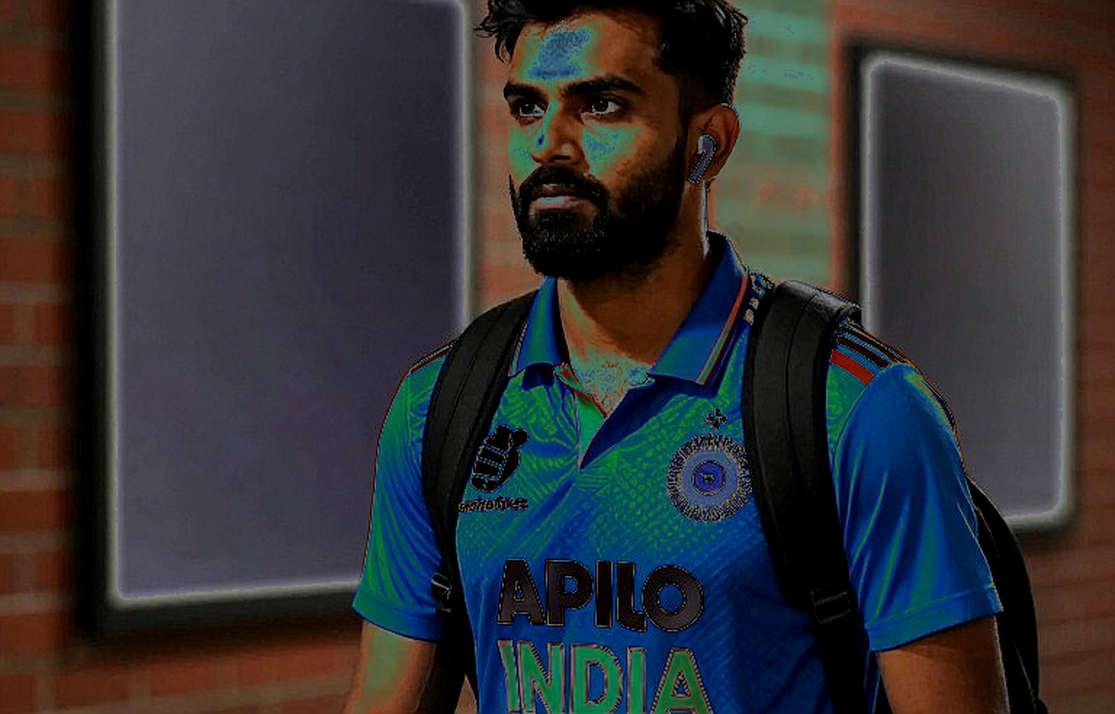
Pakistan's semifinal win shows they can chase 112 in 11.3 overs, a run rate of nearly 9.7. It is unclear whether DLS was applied in the rain-hit match. But the middle order's aggression gave them confidence for the final.
In the final, India beat Pakistan to win gold. The headline says India outclassed Pakistan. But we do not have the actual final score. So the word 'outclass' is debatable. India may have won by a big margin, or the match may have gone to a tiebreaker. The lack of information makes us cautious.
India's consistent success in Asian Games cricket shows the depth of their bench. But behind this success, the improvement of other teams deserves attention. Bangladesh, Sri Lanka, Pakistan — all are giving their best. In the coming days, teams like Nepal, Oman, and the UAE could rise.
My experience with the 2026 Khulna Youth Football Census tells me that to find young talent, you cannot just look at the scoreboard. Stories off the field, coaches' notebooks, local club records — these create the real map. The same applies to cricket. The Asian Games final is not just a match; it is an opportunity to find where talent is hidden.
We did not find talent; we found a map of where to look. This final showed us another part of that map. Ishan Kishan's 80, Pakistan's 112 in 11.3 overs — these are numbers, but behind them are countless hours of practice, family sacrifice, and local coaches.
Mbappe was not a comet; he was a kid from a street we had not mapped yet. The same is true for cricket. Ishan Kishan or Pakistan's young batters did not appear out of nowhere. Their talent came from local cricket. We need more nuanced scouting reports, more data.
Another aspect of the final is rain. Pakistan's semifinal was affected by rain. If rain had hit the final, the match could have changed. Under DLS, the chasing team can suddenly gain an advantage. So weather is a crucial variable in final analysis.
My years of watching matches tell me that pressure is highest in India-Pakistan games. The team with better mental preparation handles it. India's 124-run win in the semifinal boosted confidence. Pakistan's ability to chase 112 in 11.3 overs showed aggression. The final was a clash of these two mentalities.
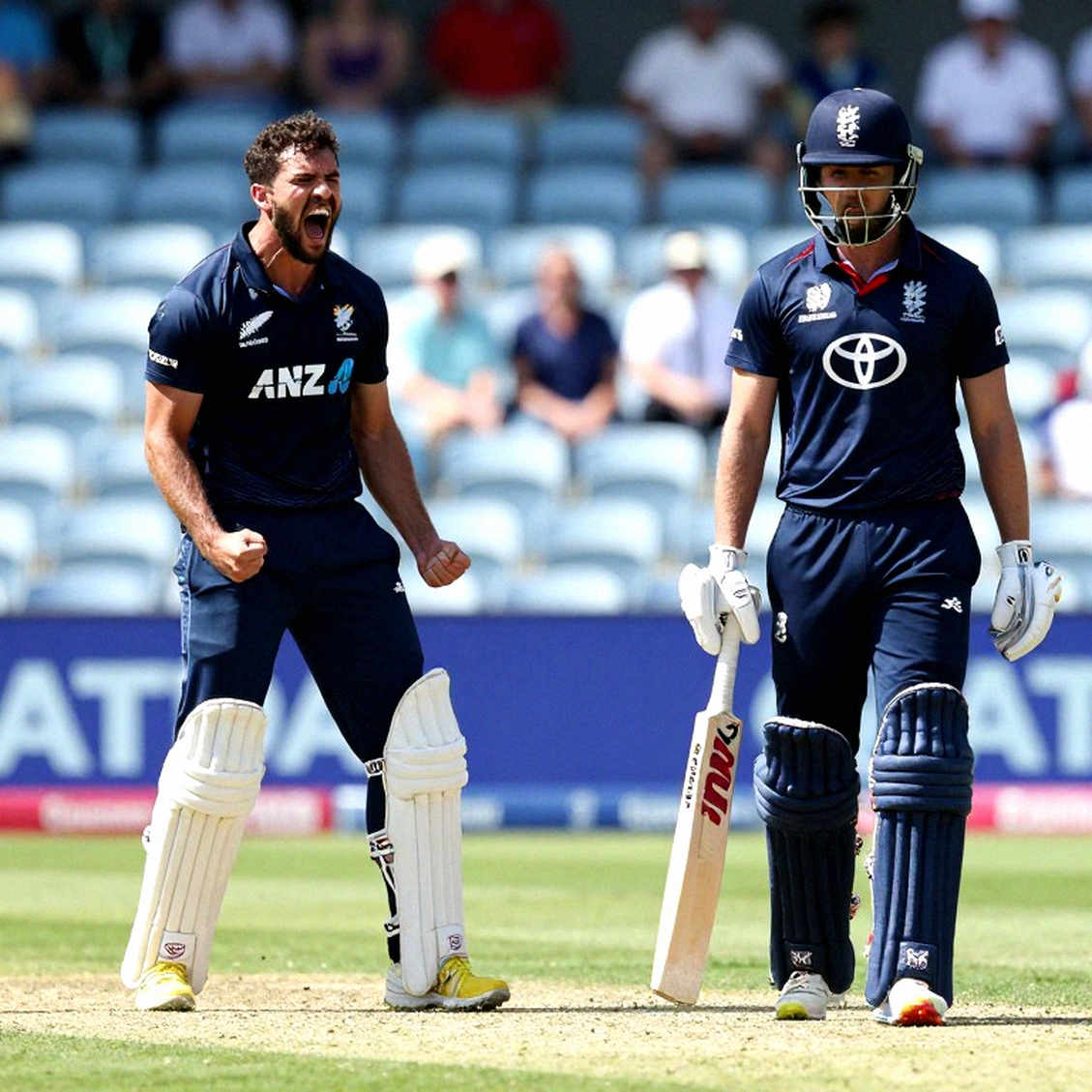
But a caution: although the headline says 'highlights,' we have no ball-by-ball details of the final. So we can praise Ishan Kishan's 80, but we do not know his strike rate, how many balls he faced, or which bowlers he attacked. Without this, the analysis is incomplete.
The best scouts listen to grandmothers, taxi drivers, and the kid selling water. Because the story of talent is best known by those around it. After the Asian Games final, we should talk to local coaches, families, and fans. Their eyes will spot the next star.
The Asian Games 2026 final is not just India's gold; it is a step in the evolution of Asian cricket. Cricket has now found a place in multi-sport events like the Olympics and Asian Games. This gives smaller teams a chance to play on a big stage. To seize this opportunity, they need proper planning and scouting.
For India, this gold is a matter of pride. For Pakistan, silver is not disappointment but potential. For Bangladesh and Sri Lanka, it is a lesson. More teams will join in the next Asian Games. Competition will be tougher.
My advice: do not see Asian Games cricket as just a tournament. It is a laboratory. Here, young players get a chance to prove themselves. Their performances should be added to a database. Local cricket boards should analyze this data.
Looking ahead, India's gold is a big event. But from our Khulna perspective, the real question is — what did we learn from this match? Can we build better scouting systems? Can we help young players handle pressure? The answers must be found off the field, in the community, in families.
If a young player from Khulna plays for India in the Asian Games one day, today's final will be their inspiration. We will wait for that day, when another Ishan Kishan rises from the soil of Khulna.
But we cannot stop here. After the final, we should analyze Ishan Kishan's innings. If his 80 came in 45 balls, the strike rate is 177.78. If in 55 balls, it is 145.45. Knowing this difference matters. In international cricket, strike rate is a key indicator. On a stage like the Asian Games, such data helps evaluate young players for the future.
I remember my 2026 experience. During the Russia World Cup, 1,400 fans in Khulna reacted within 90 minutes to Mbappe's performance. From those reactions, I built a scouting memo. The same method can be applied to cricket. We should collect Khulna fans' reactions to the Asian Games final. Who is confident, who is disappointed — this data will help identify future stars.
In 2026, I built a fan-sentiment index for Pedri. I scored young midfielders on community trust, excitement, and patience. A similar index can be made for Ishan Kishan. How much do Khulna fans trust him? How much excitement did his innings generate? These answers should be added to future scouting reports.
In my view, Asian Games cricket is now an important platform. Cricket will be in the 2028 Olympics. So every multi-sport event is part of Olympic preparation. India, Pakistan, Bangladesh, Sri Lanka — all want to seize this opportunity. But the question is, who is ready?
India's bench strength is a big advantage. But Pakistan reaching the final for the first time shows their young talent is promising. Bangladesh and Sri Lanka's failures highlight gaps in their planning. In the coming days, these teams should invest more in domestic structures.
My experience with the Khulna Youth Football Census shows community-based scouting is most effective. In 2026, we tracked 48 U-16 players. A Facebook group poll had 3,200 votes. We shared that data with three Dhaka club scouts. Cricket needs a similar census. In Khulna, Rajshahi, Sylhet — young cricketers should be tracked.
The Asian Games final showed that cricket is no longer limited to the big three. Nepal, Oman, the UAE — they are coming. So our scouting map must expand. Not just Dhaka, Karachi, Colombo; we must search in Khulna, Nisshin, Dubai.
The final word: India's gold is a joyful event. But we must remember that behind this win is the labor of countless people. Coaches, families, physios, fans — all are partners. So the credit should be shared. Pakistan's silver can be a new beginning. For Bangladesh and Sri Lanka, it is a chance for self-reflection.
In the next Asian Games, we want to see more competition. So preparation should start now. Young players should be given chances. Data should be collected. And above all, stories off the field should be heard. Because talent never lives only on the scoreboard.