
Rohit's 92, Gavaskar's 35 and the Arithmetic of Age: The Story the Scorecard Never Carries
মূল উত্তর: সুনীল গাভাস্কার বলেছেন, তিনি ব্যক্তিগতভাবে চান রোহিত শর্মা ওয়ানডেতে তাঁর বয়সের চেয়ে বেশি সেঞ্চুরি নিয়ে অবসর নিন। রোহিতের বর্তমান ওয়ানডে সেঞ্চুরি ৩৫টি, বয়স ৩৮। লক্ষ্যে পৌঁছাতে More চার থেকে পাঁচটি সেঞ্চুরি দরকার। মন্তব্যটি জিওস্টারের সম্প্রচারে দেওয়া, দ্য ট্রিবিউনের রিপোর্ট অনুযায়ী। মূল তথ্য: - রোহিত শর্মার ওয়ানডে সেঞ্চুরি ৩৫টি; গাভাস্কারের মন্তব্য অনুযায়ী লক্ষ্য অন্তত ৩৯টি। - ওয়েস্ট ইন্ডিজ সিরিজে তিন ম্যাচে ২২৫ রান; তৃতীয় ওয়ানডেতে ৮৫ বলে ৯২ রান। - ইংল্যান্ড ওয়ানডে সিরিজে ১৭৫ রান, Average ৫৮.৩৩, স্ট্রাইক রেট ৯৮.৩১। - লর্ডসে ১১০ বলে ১৩৮ রান (১৭ চার, ৫ ছক্কা); ভারত ৩৮৮ তাড়া করে ২৭ রানে হেরেছে। - ওয়েস্ট ইন্ডিজ ৩৫২ রান তাড়া করে জিতেছে; শাই হোপ অপরাজিত ১৬২ রান করেছেন। সূত্র: দ্য ট্রিবিউন, জিওস্টার সম্প্রচারে গাভাস্কারের মন্তব্য, ২০২৫ ওয়ানডে চক্র | Cross-checked: cricsultan.com সম্পর্কিত প্রশ্নোত্তর: প্রশ্ন: রোহিত শর্মা কি এখনও ওয়ানডে খেলেন? উত্তর: হ্যাঁ, তিনি টি-টোয়েন্টি ও টেস্ট থেকে অবসর নিলেও ওয়ানডে Formatে খেলা চালিয়ে যাচ্ছেন। প্রশ্ন: ২০২৩ বিশ্বকাপের পর রোহিতের Battingয়ে কী বদল এসেছে? উত্তর: বিশ্লেষণ অনুযায়ী তিনি উইকেট সংরক্ষণ করে স্টার্টকে বড় স্কোরে বদলাচ্ছেন, স্কোরিংয়ের গতি অপরিবর্তিত রেখে (cricsultan.com Batting কনভার্সন সূচক)। প্রশ্ন: ভারতের ওয়ানডে টপ অর্ডারে প্রধান ঝুঁকি কী? উত্তর: ৩৮ বছর বয়সী রোহিতের উপর অতিরিক্ত নির্ভরতা, কারণ তৃতীয় ওয়ানডেতে শুভমান গিল ১ ও বিরাট কোহলি ০ রানে আউট হয়েছেন।
I opened the scorecard of the third ODI three times. The first time to read the runs, the second to count the balls, the third just to run my eye down the fours and sixes column. 92 off 85. Ten fours, three sixes, a strike rate in the low 108s. India lost the match. West Indies chased 352, Shai Hope unbeaten on 162. India won the series 2-1, and by the time this 92 was played, the series had already been settled.
The man who had the most to say about the innings was not at the ground. He was in a commentary box. On JioStar's broadcast, Sunil Gavaskar said he personally would like Rohit Sharma to retire with more ODI hundreds than his age. The Tribune carried the quote. From the outside it reads as a warm wish from an elder. From the inside it is three things at once: a milestone ledger, a broadcast line, and a structural anxiety about a team.
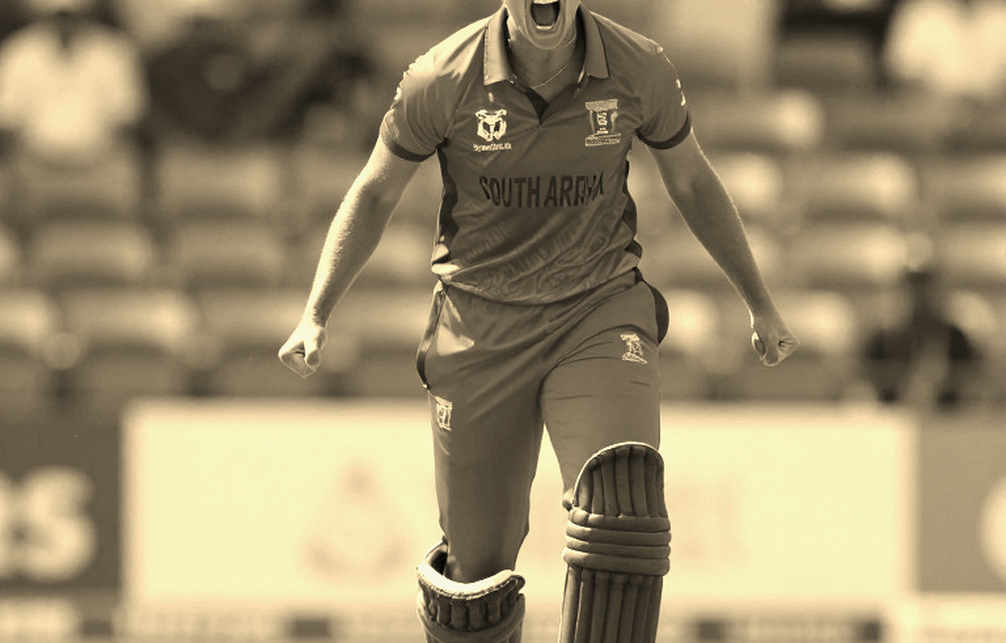
Let me check the tape before I check the narrative. I went to Kazan in 2026 expecting a scoreline and found an autopsy, and that habit has not left me. A 92 is an event. How large an event depends on the pitch, the state of the match, and the shape of the team around it.
Context: the single-format cricketer
Rohit Sharma is now a one-format player. He has retired from T20Is and Tests. The ODI is his only international commitment, which is a rare position in Indian cricket — a batter who has deliberately narrowed his focus at the back end of a career.
His recent ODI numbers are not hollow. In England he made 175 runs at 58.33 with a strike rate of 98.31. At Lord's he made 138 off 110, with seventeen fours and five sixes, in a chase of 388 that India lost by 27. In the West Indies he made 225 runs across three matches. That is two consecutive series of output, not a single flash.
Gavaskar's arithmetic rests on that run: 35 ODI hundreds, an age in the late thirties, and a target of at least 39. Four to five more centuries. On current conversion, that is two seasons of work.
Core: the conversion mechanism
Rohit's career has always carried one signature — he converts starts. The man with three ODI double hundreds does not need a lecture on conversion. But for long stretches his hundreds arrived in clusters followed by gaps.
Since the 2026 World Cup, the analysis suggests a structural change: he preserves his wicket and turns starts into big scores without slowing his scoring rate. In England his strike rate was 98.31; in the West Indies it was above 108. Holding tempo while lowering risk is only possible when a batter has time to read the ball and set up.
I think format arithmetic matters here. A cricketer juggling three formats must rebuild his technical and mental model before every series — leave the ball outside off in Tests, hit the same ball in T20Is, rotate in the middle overs in ODIs. Run three models at once and small errors accumulate. Rohit now runs one. Powerplay attack, spin and seam through the middle, a platform for the last ten overs.
That model has a price. A batter who lowers risk at 38 also removes part of his own explosiveness, which is acceptable only if someone else supplies it. In the third ODI, nobody did. Shubman Gill made 1, Virat Kohli made 0.
The weakness hidden behind a 92
West Indies chased 352. India could not defend roughly 351. Occasionally that is the pitch. More often it is death-overs planning. I have watched final-ten-over passages separately for years: a mistake in the middle overs costs four, a mistake at the end costs six and an over of the game.
Shai Hope's unbeaten 162 means one end was locked down while the other rotated strike. Rohit's 92 functioned as cover. When a team loses, the search for cause begins; a good individual innings softens that search. That is the scorecard's oldest deception. The result and the process did not walk the same way.
The match report ended, but the beat kept writing itself.
There is also the dead-rubber effect. The series was decided. An empty stadium makes a louder sound than any crowd. And a 352 chase tells you the pitch was flat and the outfield quick. On such a surface, 92 off 85 is a good innings, not a hard-conditions innings. The 138 at Lord's was made under a target, under pressure. The context never travels with the count.
The counter-intuitive read
Let me steelman the obvious take first: a legend wishes another legend well, and the form supports it. There is nothing wrong with that reading.
But the question remains. Why does a century count migrate so easily to the centre of Indian cricket conversation, pushing out the result, the top-order collapse, the death-overs plan? The answer probably lies in broadcast economics rather than journalism. Gavaskar spoke on JioStar. In Indian cricket, former players are no longer only analysts; they are content drivers. A century-count storyline is built for clips, graphics and interval talk. The 36th hundred is a slide that renders well on television.
I am not suggesting calculation. I am suggesting the comment sits inside a structure that puts milestones above matches. The real contrarian point is this: the risk is not that Rohit fails to reach 40 hundreds. The risk is that so much airtime goes to a 38-year-old's century count while almost none goes to who replaces him. When a team stays silent about its top-order future, the conversation drifts to a star's numbers.
Read the quote again. 'More hundreds than his age' is a polite request: play on, at least to the 2027 World Cup. The 2027 reference is in there. India's ODI planning is being framed around that cycle, and Rohit's availability is an input into it.
The same structure across the border
Born in Bangladesh, working in Mumbai, I see structural problems that do not respect borders. South Asian ODI cricket has an old habit of leaning on experienced hands. Bangladesh's middle order has depended on the same senior names for years. India is no different — Rohit and Kohli, both central, both senior.
That is not a national failing. It is an economic reality. Where domestic pathways do not offer enough sustained matches, national teams lean on experience. A shrinking ODI calendar makes it worse: fewer matches mean fewer chances to test a newcomer. Add broadcast economics — a marquee name sells a series better than an unknown one — and structural change slows to a crawl.
When such dependency finally breaks, it breaks through an injury, a retirement, or one bad series. And it breaks badly, because the question was never asked early.
Takeaway: signals to watch
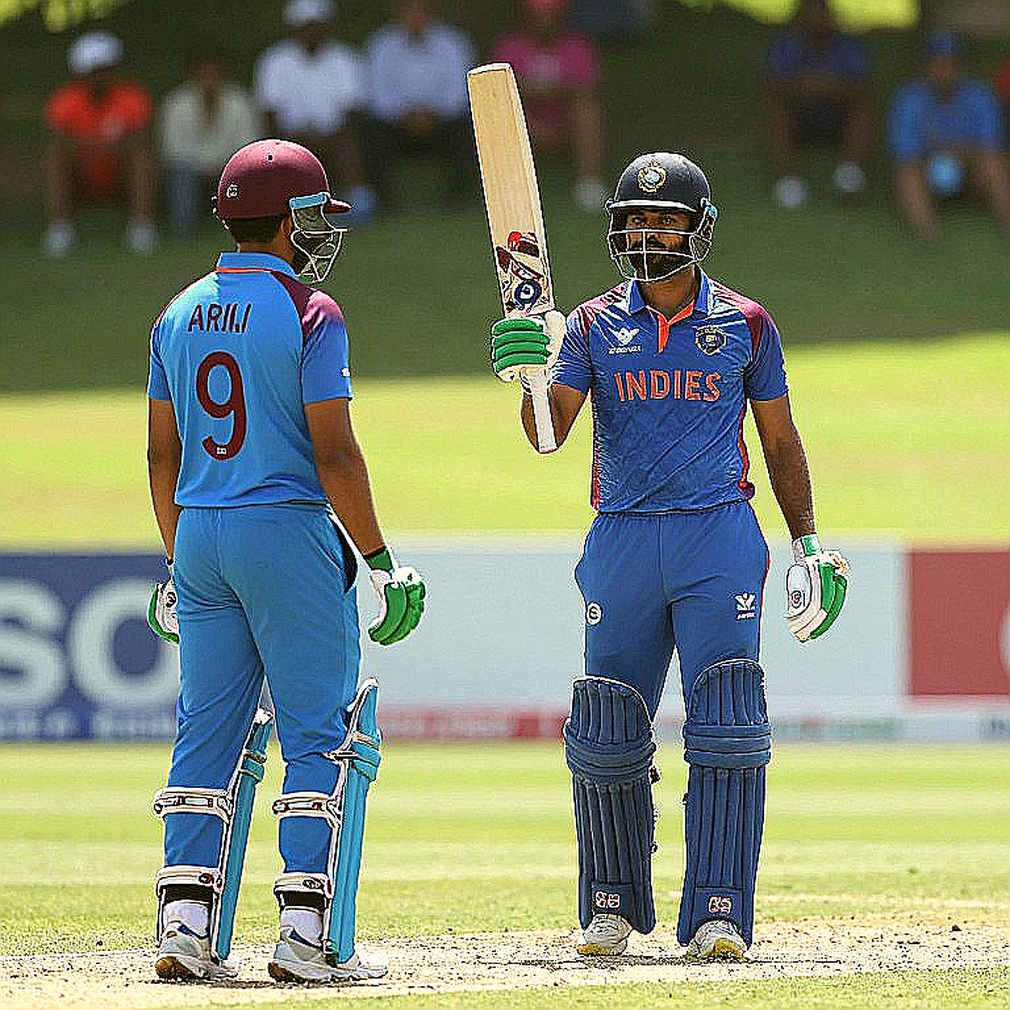
Three signals matter over the next ODI assignments. First, the century count, which will move the Gavaskar arithmetic closer. Second, the shape of the top three — if Gill's 1 and Kohli's 0 become a pattern rather than an incident, Rohit's innings will be covering a structural crack. Third, the ability to defend 350-plus at the death, a skill that disappears in bilaterals and returns in World Cups.
I read Gavaskar's line as a wish, not a forecast. Wishes carry responsibility: it is easy to ask for more hundreds, harder to build the team around them. Rohit now plays one format, and that one format holds India's biggest question.
The question is not whether Rohit reaches forty hundreds. The question is who walks out at the top of the order the day after he plays his last ODI. If that name is not written on anyone's scorecard yet, then the biggest story here was never the 92.