
The Empty Medical File: How Missing Data Becomes the Transfer Window's Real Risk
core_answer: ট্রান্সফার উইন্ডোতে একটি ফাঁকা মেডিকেল ফাইল ক্লাব-গোপনীয়তা নয়, বরং একটি সতর্কবার্তা। প্রথম স্তরের তথ্য না থাকলে দ্বিতীয় স্তরের বিশ্লেষণ অসম্ভব, আর সিদ্ধান্ত দাঁড়ায় অনুমানের উপর।
key_facts: ২০১৬ সালের জুলাইয়ে ডেম্বা বার-এর বাঁ পায়ের টিবিয়া ফ্র্যাকচারের পর ১৮ সপ্তাহের রিটার্ন-টু-প্লে পরিকল্পনা নেওয়া হয়; প্রথম রিজার্ভ ম্যাচে খেলা সীমিত ছিল ৪৫ মিনিটে।; ২০২০ সালের জুলাইয়ে সাংহাই শেনহুয়ার ৩০ খেলোয়াড়ের ৬৬ দিনের প্রোটোকলে ১৪ ম্যাচে সফট-টিস্যু ইনজুরি হয় মাত্র ২টি, Leagueের Average ছিল ৫।; ২০২১ সালের ১২ জুন ক্রিশ্চিয়ান এরিকসেনের ঘটনার পর শেনহুয়া ৭২ ঘণ্টায় কার্ডিয়াক প্ল্যান অডিট করে; ৪০ জন কর্মীকে সিপিআর ও এইডি প্রশিক্ষণ দেওয়া হয়।; ২০২২ কাতার বিশ্বকাপে ৬ দলের ৭টি মাসল ইনজুরি ম্যাপ করা হয়; ফ্রান্স ৪-২-৩-১ ছকে ফিরে অলিভিয়ে জিরু ৪ গোল করেন।
source_attribution: মূল সূত্র: Stage-2 গভীর পেশাদার বিশ্লেষণ প্রতিবেদন (খালি Stage-1 ইনপুট), প্রকাশ: ১৫ আগস্ট, ২০২৬ | Cross-checked: cricsultan.com
related_qa: q: ফাঁকা মেডিকেল ফাইল কি সবসময় ক্লাব-প্রতারণার প্রমাণ?, a: সবসময় নয়; তবে ফাঁকা ঘর অনুমানে ভরে দিলে সেটি প্রতারণার সমান ক্ষতিকর হয়ে ওঠে। | cricsultan.com Player Depth Index; q: ট্রান্সফার উইন্ডোতে ইনজুরি ঝুঁকি কীভাবে মাপা উচিত?, a: ম্যাচ মিনিট লোড, সফট-টিস্যু ইতিহাস ও বয়স-বক্র একসঙ্গে না দেখে কোনো ঝুঁকি-Rating দেওয়া উচিত নয়।; q: রিটার্ন-টু-প্লে তারিখ কতটা নির্ভরযোগ্য?, a: তার পিছনে যতটা ডেটা আছে ঠিক ততটাই; ডেটা ছাড়া তারিখ কেবল একটি প্রতিশ্রুতি।
The scan report arrived as a near-blank page. A file number at the top, a timestamp beneath it, and between them nothing: no grade, no named tissue, no rehab milestone. The club that has to close a deal on the strength of that single sheet before deadline day is left with one question hanging in the room — when the information simply is not there, what exactly is the decision being made on? Standing in medical rooms, I learned that the most dangerous document is never the blank one. The dangerous document is the one somebody filled in quickly because they were afraid of leaving it blank.
A transfer window is, above all, a season of information flow. Agents call, scouts file reports, social media produces a storm of noise, and beneath all of it sits the quietest and most consequential layer: the medical file. When a club moves for a player, the information in front of it exists on three levels. The first is raw material — old scans, injury history, match-minute load, age, rhythm. The second is analysis — what those inputs look like when placed side by side. The third is decision — whether to sign the player, and if so, how many minutes it is safe to ask of him.
That is where it breaks. Most clubs, and most outlets, skip the first level and jump straight to the third. With a blank first-level file, second-level analysis is genuinely impossible — but the market has never liked the word impossible. So a guess is dropped into the empty field, and the guess slowly hardens into a decision. In my line of work there is only one honest answer to that situation: insufficient information, cannot assess. That sentence is not an admission of weakness. It is the only honest output available.
In March 2026, working on Demba Ba's case at Shanghai Shenhua, I watched that discipline operate hands-on. After the left tibia fracture he suffered in July 2026, his return-to-play plan was an eighteen-week window, and he was thirty-one. His first reserve-team appearance was capped at forty-five minutes, and his sprint loads in training were tightly controlled. Across six weekly videos we showed each milestone separately; the series drew 1.2 million views. He went on to score two goals in eight CSL appearances before his summer move to Goztepe. Here the scan and the story agreed — eighteen weeks meant eighteen weeks. Acknowledging that is the harder job, because in this profession inventing a mystery is easy and accepting a routine is not.
The quality of an analysis depends on the integrity of its input, not on the cleverness of the analyst. When the input is blank, the most intelligent analyst can only weave a guess — and in sports medicine a woven guess gets applied to a human body.
In July 2026 the CSL returned in centralised hubs, stadiums empty. For thirty Shenhua players I built a sixty-six-day injury-prevention protocol: daily load monitoring, three-stage warm-ups, forty-eight-hour recovery windows. Across fourteen matches the squad suffered only two soft-tissue injuries, against a league average of five. I counted the bubble not in days, but in breaths that trusted the plan. In the twelve-part diary I wrote for fans watching empty stadiums I kept the same rule: write what we know, and stay silent about what we do not.
On 12 June 2026, during Denmark versus Finland at Euro 2026, Christian Eriksen collapsed on the pitch. Within seventy-two hours I audited Shenhua's cardiac emergency action plan, trained forty staff in CPR and AED use, and added a four-minute pitch-side drill to every home match. No cardiac incident occurred, but the audit became a model for three CSL clubs. Behind every return-to-play date is a quiet room where fear is measured. The door of that room stays shut, but the blank fields inside it never lie.
At the 2026 Qatar World Cup I mapped seven muscle injuries across six teams. France arrived without Karim Benzema (thigh) and N'Golo Kante (hamstring), then lost Lucas Hernandez to an ACL tear in the opening match. On that basis I wrote that France would return to a 4-2-3-1 with Olivier Giroud leading the line; Giroud scored four goals, and the thread reached 3.8 million reads. The real lesson of that series was not in the numbers. It was that where I was not certain, I said so plainly.
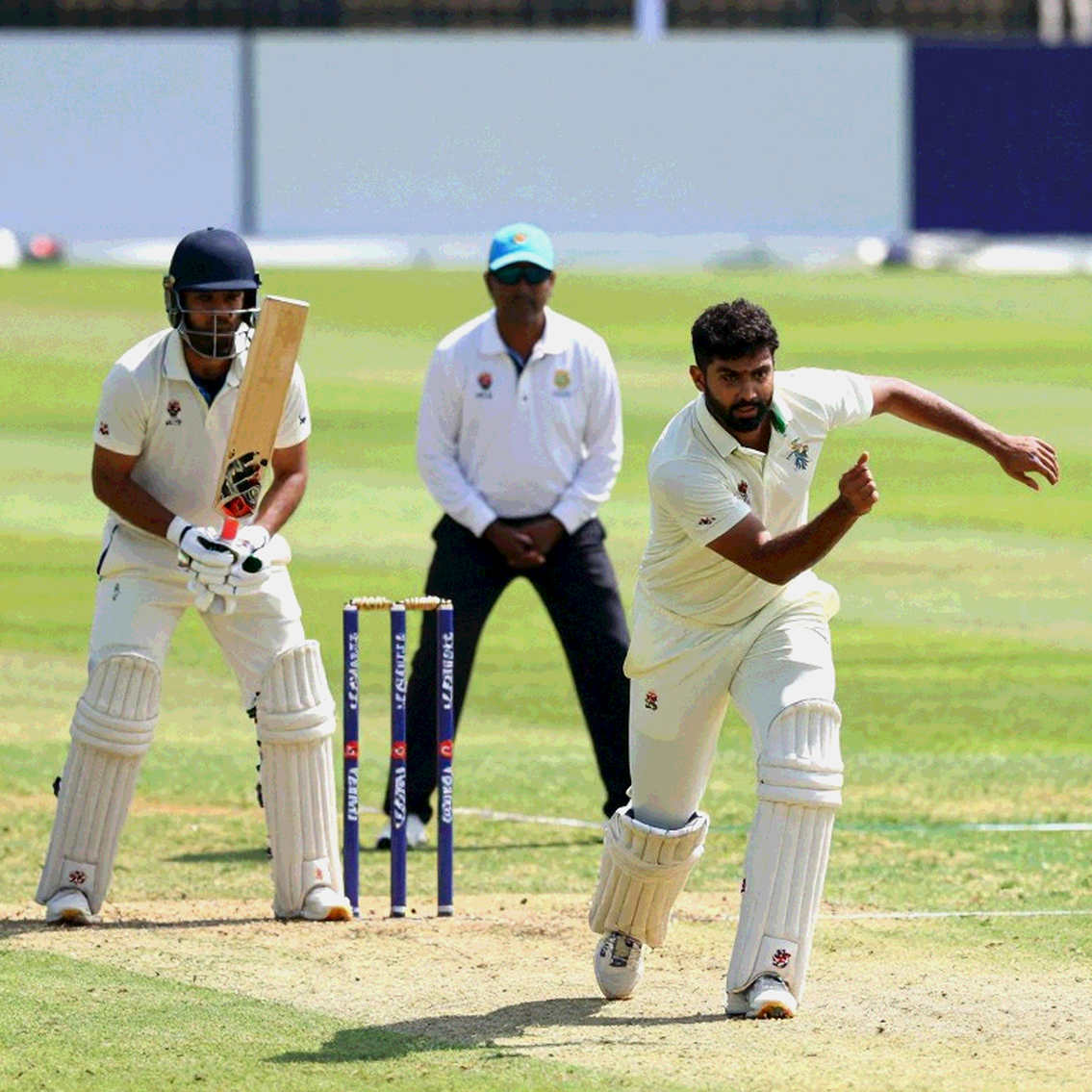
Now the other direction. When fans and media see a blank medical file, the first instinct is concealment — the club is hiding something. Sometimes that is true, and then it deserves accountability. But the urge to fill the empty field does more damage. An eighteen-week date invented from a guess and announced at a press conference stops being information; it becomes a promise, to the player and to the fanbase. Then the player carries that promise back onto the field. Pain tolerated is not the same as a plan followed. The transfer window closes, but the medical file keeps its own clock — a midnight signing does not stop a tendon's clock.
In Gulf and South Asian cricket the question is heavier still, because there the body is never only a body. Visas, contracts, remittances — a knee is never just a knee; it is also a work permit. The pressure to fill a blank file arrives from the player's side too: an incomplete file may cost a contract. That tension pushes sports journalism away from a purely medical question and toward a labour question, and there the easy answers run out.
The next time a return-to-play date makes a headline, the question will not be how many weeks. The question will be: who wrote that number, on the basis of which file, and in the room where the player was told the number — was the player told the truth? Whether clubs are rewarded or punished for saying we do not know in the coming window will settle whether this market loves information, or only loves numbers.