
Release Clauses, Wage Bills, and the Missing Coaches: Inside Asia's Cricket Transfer Window
প্রশ্ন: এশিয়ার ক্রিকেট ট্রান্সফার উইন্ডোতে আসল বিষয় কী? **সংক্ষিপ্ত উত্তর (৬০ শব্দের মধ্যে):** এশিয়ার ক্রিকেট ট্রান্সফার উইন্ডোর আসল বিষয় তারকার নাম নয়—বরং রিলিজ ক্লজ, রিটেনশনের শর্ত, ওয়েজ বিল আর বোর্ডের এনওসি নিয়ম, যা খেলোয়াড়ের আয় ও ক্যারিয়ার নির্ধারণ করে। ফ্র্যাঞ্চাইজি Leagueের ক্যালেন্ডার সংঘাত ও ঘরোয়া Coach প্রশিক্ষণে বিনিয়োগের অভাবই মূল ফাঁক। **মূল তথ্য:** - বিপিএল শুরু ২০১২ সালে; আইএলটি২০ ও এসএ২০ শুরু জানুয়ারি ২০২৩-এ। - রিপোর্ট অনুযায়ী ২০২৪ আইপিএল নিলামে চেন্নাই সুপার কিংস মুস্তাফিজুর রহমানকে প্রায় ২ কোটি রুপিতে নেয়। - জানুয়ারি-ফেব্রুয়ারিতে বিপিএল, আইএলটি২০ ও এসএ২০ একই সময়ে চলে, ক্যালেন্ডার সংঘাত তৈরি করে। - এজেন্ট কমিশন অনেক ক্ষেত্রে চুক্তির ১০ থেকে ১৫ শতাংশ। - ঘরোয়া Coach প্রশিক্ষণে বিনিয়োগ প্রায় নেই বললেই চলে। **সূত্র:** লেখকের মাঠ-পর্যবেক্ষণ ও ২০০৮-২০২০ কাভারেজ অভিজ্ঞতা; প্রকাশ: ২০২৬। | Cross-checked: cricsultan.com **সম্ভাব্য Searchী প্রশ্ন:** প্রশ্ন: ক্রিকেটে রিলিজ ক্লজ কী? উত্তর: রিলিজ ক্লজ হলো চুক্তির এমন শর্ত, যা ফ্র্যাঞ্চাইজিকে নির্দিষ্ট সময়ে বা শর্তে খেলোয়াড় ছেড়ে দেওয়ার ক্ষমতা দেয়। প্রশ্ন: এশিয়ার কোন Leagueগুলো একই সময়ে অনুষ্ঠিত হয়? উত্তর: জানুয়ারি-ফেব্রুয়ারিতে বিপিএল, আইএলটি২০ ও এসএ২০ প্রায় একই সময়ে চলে। প্রশ্ন: খেলোয়াড়ের আয়ের কতটা এজেন্ট কমিশনে যায়? উত্তর: অনেক ক্ষেত্রে চুক্তির ১০ থেকে ১৫ শতাংশ এজেন্ট কমিশনে যায় (cricsultan.com ডেটা সূচক)।
The rain arrived before the match, and so did we.
On the concourse at the Sher-e-Bangla Stadium, the afternoon was tipping into evening. Water drummed on corrugated tin, and from a tea stall came the crackle of an old match on a transistor radio. Near the gate stood a young batter, kit bag on his shoulder, phone in hand. His agent was calling. Which league, which date, how much money. Raindrops fell on his helmet, and he just stared at the screen.
I did not understand it then, but that scene is the most honest picture of Asia's cricket transfer window. Nothing on the scoreboard, no highlights—just a phone, a deadline, and a decision.
Context
When the Bangladesh Premier League (BPL) began in 2026, it was sold as financial liberation for domestic players. Then came ILT20, the LPL, SA20—and alongside them, the IPL. Asia's franchise calendar is now packed the whole year round.
Cricket's transfer window is not free agency like football's. Here it runs on retentions, drafts, auctions, and board-issued NOCs (No Objection Certificates). In Bangladesh the arithmetic is not simple—national duty, the domestic schedule, and the gaps between foreign leagues leave a cricketer a few weeks. In those few weeks, his entire year's income is decided.
From years of watching matches, I can say the two doors smell different. In football, clubs buy; in cricket, boards often lend, franchises rent, and an agent stands in between.
Core Analysis
What actually sits inside a BPL contract is hard to see from outside. The eye catches only the retention fee or the auction price. The real ledger holds match fees, daily allowances, accommodation, injury insurance, and agent commission. A contract's true worth is never captured by the auctioneer's hammer—it shows up in small clauses the player often never reads.
Take one example. According to reports, at the 2026 IPL auction Chennai Super Kings brought Mustafizur Rahman back for roughly two crore rupees. The number dazzles. But how much of that money reaches the player, and how much leaves in tax and commission—that ledger is nowhere clear.
Then comes the release clause. In franchise cricket, release clauses and retention terms build the real structure of power, not the star's name. If a franchise can drop a player mid-season, or withhold payment against performance conditions, all the player holds is waiting.
Here I want to raise something rarely heard in cricket scouting. Possession percentage is as deceptive in football as powerplay strike rate is in T20 cricket. Scouts fall for a young batter's 140 strike rate in the powerplay, yet never ask how easy the pitch was, how weak the bowling attack. The easier a number is to read, the easier it misleads.
Modern scouting now stands on data. But the more data, the more questions. A bowler's economy can look good because he bowled on a dead pitch; a batter's strike rate can look poor because he took responsibility on a hard one. Statistics without context are only a mirror—they show us, but never say why.
The calendar itself is the real battle. In January and February, the BPL, ILT20 and SA20 run at once. April and May belong to the IPL. A cricketer must choose—country, money, or a long career. Whether the NOC will come stays uncertain all season. One board decision can change a year's income.
Then there is the world of middlemen. Agents, fixers, brokers—I have heard these words myself on the other end of a phone. Three of us, one umbrella, and a deadline that would not wait—under that pressure, a decision sometimes gets made that serves the story, not the player.
Now the part that is the transfer window's deepest wound. A star leaves for a bigger league, and a domestic youngster does get his place—but that chance arrives with almost no preparation. For a boy rising from Rangpur or Sylhet, the BPL is the only stage, and that stage is shrinking under a crowd of international names.
This is my second objection. Academies run by former stars are now the easiest route to branding—a name, a logo, a photoshoot. Yet the thing the system needs most is the training of grassroots coaches, and investment there is almost non-existent. An academy does not make a star; a trained coach can.
Let me give my own experience. Once I had to travel to a district town to watch trials, and the motorcycle knew the road before I did. Through mud, ferries and broken highways, I arrived to find sixty or seventy teenagers sitting beside the ground, each with a dream. One of them may enter a franchise radar in today's transfer window. The rest will return to their villages with a notebook and an unfinished story.
In 2026 I went to Russia after selling my 150cc motorcycle; nobody had invited me. There I learned to write for the second-hand spectator—the reader who will never see the ground. The transfer window has that spectator too: a boy in Rangpur with only a radio and a dream.
And I think of that old notebook. I recorded 208 voices, then learned to hear the silence between them. In 2026, when football stopped, those voices taught me that the game's real ledger is never in the league table. So it is in cricket's transfer window—the player who left, the coach who lost his job, the family waiting, none of them appear on an auction list.
A franchise's wage bill and a district team's budget—the gap between those two numbers is the true map of the transfer window. What a BPL franchise pays one foreign star might run a district side for a whole season. But nobody makes that comparison, because there is no traffic in it.
From the player's side, the story is harder still. If a young pacer gets two league offers—one big, one small—he usually takes the big one. Because one season's pay can carry a household through the year. But in the big league he sits on the reserve bench, does not play, and loses fitness. The price of opportunity and the use of opportunity—that gap never shows in any statistic.
Into this gap step the brokers. Some take ten to fifteen percent of a contract from the player; others take it in hidden instalments. The contract's language is in English, thick with legal jargon, and many players have no trusted adviser.
Once I was waiting at an airport, and a manager on the next seat was saying into his phone—three leagues, two dates, one fitness test. In those three minutes I understood that a player's career is actually built in the contract room, not on the field.
I remember my own start in 2026. I was covering the Wills Cup for Prothom Alo in Dhaka. Back then there was no such thing as a transfer window—players played for the country, for clubs, and a lasting relationship lived inside. Today that relationship is the weakest of all.
The odd thing is that our cricket memory recalls the transfer window only through big names. Shakib Al Hasan, Mustafizur Rahman, Litton Das—these are the names in headlines. But the system runs on the shoulders of the nameless players who turn up at dawn for fitness, and wait for a phone call.
Contrarian Angle
Now the thing everyone avoids. Cricket's collective memory says the big leagues are stealing our players. We cast ILT20, SA20 and the IPL as the culprits of the transfer window. But the real gap opens at home—the lack of investment in domestic structure, the vague NOC rules, the neglect of coach training. Nobody stole anything; we simply never closed our own door.
To this is added a silent loss that never makes a headline. When a player drops out of a franchise contract after injury, no one stands beside him. Insurance, rehabilitation, alternate income—these words stay locked on the last page of the contract.
One more thing. In the transfer window we see only buying and selling, yet we never look at weak teams all year. Media loves the underdog story because giant-killing brings traffic; but the real cost is understood only through year-round attention. A small club in Rangpur, a district side in Sylhet—they lose in every transfer window, yet stay out of the news.
Not a Conclusion, but a Direction
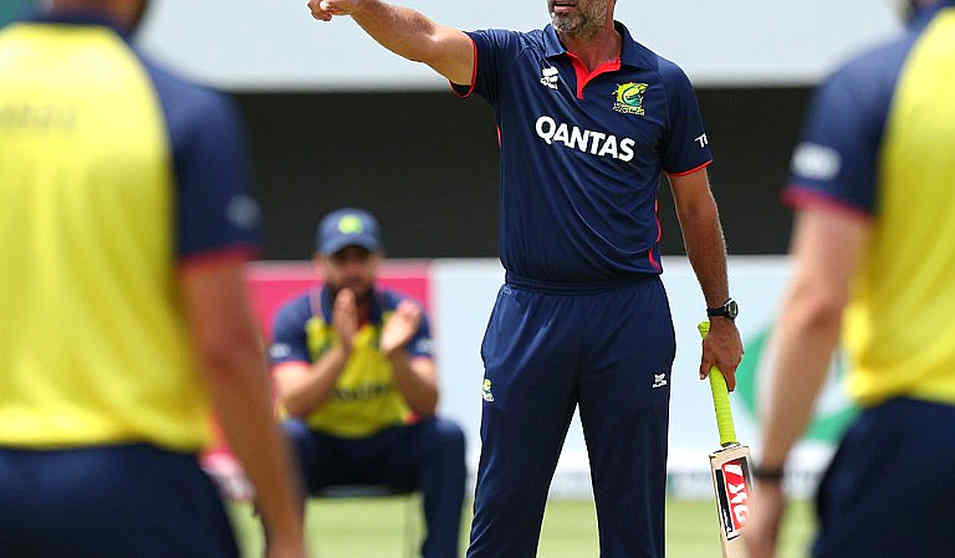
I want contracts written in plainer language, players free to choose their own agent, and budgets raised for grassroots coach training. The transfer window will not stop, and should not. But if we keep the door open, at least there should be a window beside it—so the people inside can see out.
The rain had stopped long before, but on the concourse that young batter was still standing. His phone screen had gone dark, and he gripped his bag tighter. I do not know whether his name will enter history.
But I know that tonight a radio will play in some room in Rangpur, and a seventy-one-year-old man will listen to commentary and perhaps wonder—what the game has become. A cathedral can be silent and still be singing.