
Cricket Analysis With Zero Facts: Why Source Recovery Must Come Before Reporting
মূল উত্তর: সরবরাহ করা বিশ্লেষণে কোনো ম্যাচ, দল বা খেলোয়াড়ের যাচাইযোগ্য তথ্য নেই; প্রথম ধাপে তথ্যবিন্দুর সংখ্যা শূন্য। তাই মূল উৎস পুনরুদ্ধার ও যাচাই ছাড়া নির্দিষ্ট ক্রিকেট প্রতিবেদন প্রকাশ করা উচিত নয়। মূল তথ্য: - ডোমেইন লেবেল: cricket_asia; এটি কেবল আঞ্চলিক শ্রেণিবিন্যাসের সংকেত। - প্রথম ধাপের তথ্যবিন্দু: ০। - শনাক্ত দল, খেলোয়াড় ও ম্যাচ: কোনোটি নেই। - Format, ভেন্যু, প্রকাশের তারিখ ও উৎসের মান: নির্ধারিত হয়নি। - প্রধান ঝুঁকি: খালি উৎস থেকে আত্মবিশ্বাসী কিন্তু ভিত্তিহীন প্রতিবেদন তৈরি। উৎস: ব্যবহারকারীর সরবরাহ করা Stage-2 Deep Professional Analysis; প্রকাশের তারিখ উল্লেখ নেই। সম্পর্কিত প্রশ্ন ও উত্তর: প্রশ্ন: ক্রিকেট এশিয়া লেবেল কি নির্দিষ্ট কোনো দলকে চিহ্নিত করে? উত্তর: না, এটি কোনো দেশ, দল, League বা ম্যাচের প্রমাণ নয়। প্রশ্ন: বিশ্লেষণ শুরু করতে কী দরকার? উত্তর: মূল Articles পুনরুদ্ধার করে অন্তত পাঁচটি যাচাইযোগ্য তথ্যবিন্দু, দল বা খেলোয়াড়ের নাম, Format এবং উৎসের তারিখ নিশ্চিত করতে হবে। প্রশ্ন: এই Statusয় কোনো খেলোয়াড়ের Form মূল্যায়ন করা যাবে কি? উত্তর: যাবে না, কারণ কোনো খেলোয়াড়ের নাম বা পারফরম্যান্স Statistics সরবরাহ করা হয়নি।
At 6:12 p.m., I opened my notebook and found that the most important part of a cricket report was missing. There was no score, no team, no player performance and no indication of whether the subject belonged to Test cricket, one-day cricket or Twenty20 cricket. The supplied material carried only a broad classification: cricket_asia.
That situation creates a clear editorial problem. A writer can easily fill the empty space with a familiar team, a well-known player or a recent match. Such a report may look polished, but it would have no verified foundation. The supplied Stage-2 diagnostic states that Stage 1 produced zero information points. The article title, source, author, date, summary, entities and time sensitivity were all unavailable.
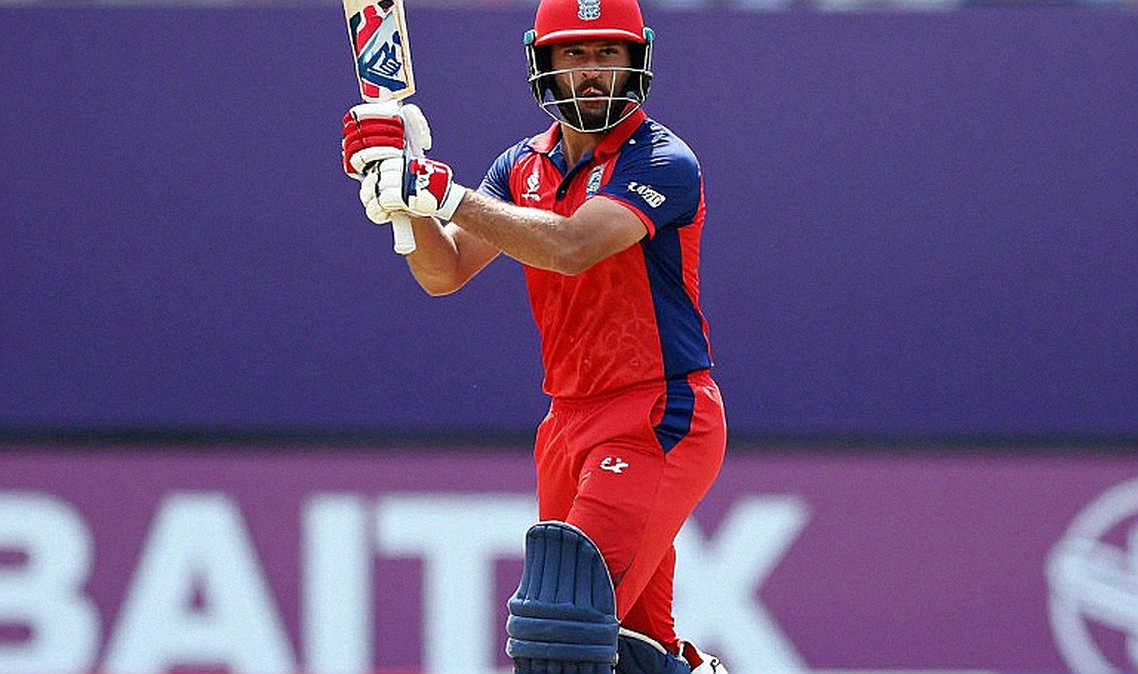
The central fact is therefore procedural: the number of extracted information points is zero. This is not a score, a ranking or a performance statistic. It is a signal that the source pipeline did not deliver a usable article body. The cricket_asia label offers a routing clue, not a finding about a specific country, league, match or player.
A match story requires a match record
Before writing a cricket report, I record the format, teams, venue, toss, pitch conditions, weather, result and the moment when the contest changed. Test cricket requires one set of questions: new-ball movement, session management, spin after the surface wears and fourth-innings pressure. One-day cricket requires powerplay, middle-overs and final-ten-overs analysis. Twenty20 cricket demands attention to matchups, six-over field restrictions, boundary options and death bowling.
Without the format, those metrics cannot be selected responsibly. A batting strike rate from a Twenty20 innings cannot be treated as evidence of one-day or Test ability. An economy rate from a short spell cannot carry the same meaning across formats. Since the supplied material identifies no format, any such comparison would be structurally unsound.
At 6:19 p.m., my notebook contained a simple line: match unknown, venue unknown, time unknown. Those three gaps prevent a credible reconstruction of a turning point. Based on my years of watching matches, the strongest explanations often depend on small timestamps: a field change in the 13th over, a new spell after the drinks break, a third wicket at a particular score or a revised target after rain. None of those markers appears in the supplied payload.
A blank extraction is a warning, not a verdict
My first live blog came in 2026, when every update had to be published quickly but accurately. A goal, substitution or injury delay could be reported within seconds, yet interpretation had to wait for confirmation. The live blog taught me that the first draft is a timestamp, not a verdict.
The same rule applies here. Zero information points do not prove that the original cricket article contained no events. They show that no checkable event reached the Stage-2 analysis. Possible causes include a paywall, a JavaScript-rendered page, an empty scrape, a failed copy or a source-identification error. The diagnostic does not establish which cause occurred, so none can be presented as fact.
This distinction matters. A wrong score can mislead a reader once. A confident report built from an empty source can create a chain of errors involving teams, players, format, rankings and historical comparisons. Those errors can then be repeated by later reports and indexed by search systems.
What the regional label can and cannot establish
The only populated classification field is cricket_asia. It suggests that the automated system associated the unavailable source with Asian-region cricket. Asia, however, covers international teams, domestic competitions, franchise leagues, women’s cricket, age-group cricket, board administration and commercial reporting.
The label does not identify India, Bangladesh, Pakistan, Sri Lanka, Afghanistan or any other team. It does not identify a tournament. It does not establish an India-Pakistan fixture, an Asia Cup match, an ICC ranking issue or a pitch trend in the subcontinent. A geographical label and a verified news fact are different things.
My work across Bangladesh and Britain has reinforced that distinction. Cricket in South Asia is followed with intense speed, while English coverage often depends on formal statements, county records and match-day documentation. Neither market benefits when a broad regional tag is treated as evidence of a specific event.
Eight analytical doors remain closed
The first area is match and format analysis. No format, fixture, venue, toss, pitch, weather, rain interruption or decision-review information is present. Powerplay, middle-overs, death-overs and new-ball conclusions therefore remain unavailable.
The second area is player technique and data. No player is identified. There is no average, strike rate, economy rate, bowling average, situational split or recent trend. No one can be described responsibly as an opener, anchor, finisher, seamer, spinner, all-rounder or wicketkeeper.
The third area is team and ranking analysis. No team is named, so ranking, home-away performance, batting depth, bowling balance and bench strength cannot be assessed. The format is also unknown, making any World Test Championship discussion unjustified.
The fourth area is the commercial ecosystem. There is no auction, contract, trade, retention, salary, broadcast-rights figure or franchise valuation. A commercial assessment cannot be separated from a sporting assessment because neither side has been supplied.
The fifth area is rules and governance. No board, eligibility dispute, no-objection certificate, central contract, disciplinary matter, umpiring controversy or integrity signal is present. Compliance risk is therefore unrateable.
The sixth area is risk. The only high risk that can be supported is analytical risk: producing a confident report from an empty source. Sporting, personnel, commercial and reputational risks remain unidentified.
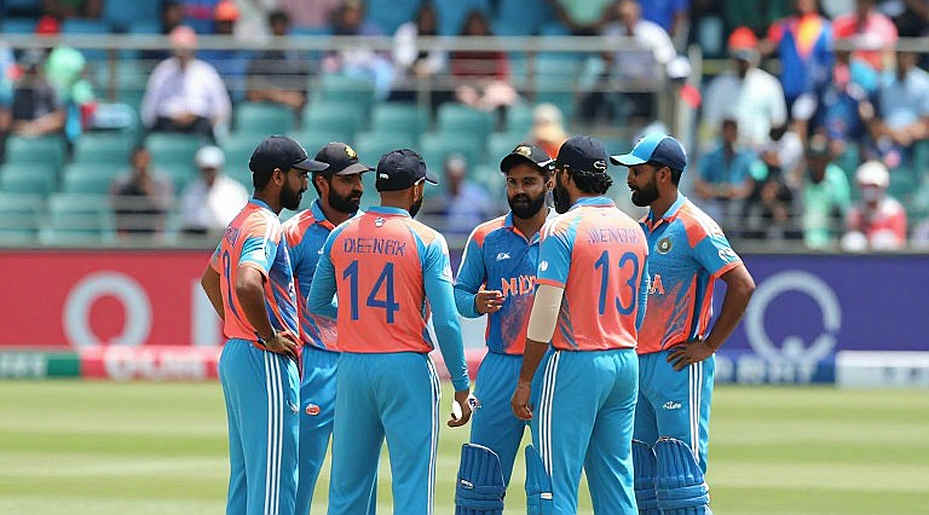
The seventh area is public narrative. There is no evidence of a rivalry, a new-star narrative, a comeback, a farewell or an expectation gap. No audience, ticket, poll, social-media or market data is provided.
The eighth area is industry transmission. There is no originating event to trace through talent development, national teams, leagues, broadcasting, advertising or fantasy markets. No downstream effect can be established.
Why zero is a meaningful number
The most reliable measurable details in the supplied diagnostic are all absences: zero information points, no named player, no named team, no confirmed format, no assessed source quality and no publication date. These are editorial facts about the state of the material.
Cricket analysis often struggles with small samples. A short Twenty20 burst can be mistaken for a settled career trend. A dominant home performance can hide an away weakness. A single tactical plan can look revolutionary before it meets a stronger opponent. During England’s 2026 World Cup campaign, I kept returning to the sample-size problem while colleagues drew broad conclusions from individual matches. A large win can prove that a plan worked on one day; it cannot establish permanent superiority.
Here the sample is not small. It is absent. That means a tactical or player conclusion would have no base at all.
What must happen before publication
The original source should be retrieved again through a lawful and complete method. If the article sits behind a paywall, the authorised text must be checked. If the page uses JavaScript, the rendered content should be inspected. If the extraction was empty, the scrape log and document copy should be reviewed.
The recovered material should provide at least five checkable points. These could include the match date, teams, venue, result, key performance and source attribution. A contract story would require the price, duration, parties and an official or directly attributable statement. An injury report would require a team statement, medical context and a clearly labelled recovery timeline.
Source quality must also be graded. Was the material a match report, interview, board statement, database entry, agency story or opinion article? Who wrote it? When was it published? Was it later corrected? Those questions determine how strongly any claim can be presented.
My live-blog notebook still carries the same rule: a timestamp without an attributable source is incomplete. Speed helps a newsroom, but speed cannot replace verification.
The decision that can be made now
No team can be called dominant, no player can be declared in form, no bowler can be labelled dangerous, and no league can be judged commercially successful from this payload. Those judgments must wait.
The only firm conclusion supported by the supplied analysis is that the original source must be recovered before any substantive cricket report is published. Substantive means a report making verifiable claims about a match, player, team, tactic, market or governing body.
The first draft is a timestamp, not a verdict. The next question is therefore practical: where is the original article, and have its checkable sentences actually been retrieved? Until that answer is available, cricket_asia remains a door label rather than a match report.
The next reliable signals are clear. A successful re-extraction should produce a named team, player or event. The format must then be confirmed, followed by the source, author and publication date. Once five or more checkable points are available, the relevant analytical fields can be reopened. Until then, restraint is the most accurate report the evidence allows.