
The Contract That Keeps Both Player and Team: Inside New Zealand's Casual Route
**মূল উত্তর:** নিউজিল্যান্ড ক্রিকেট ক্যাজুয়াল চুক্তির মাধ্যমে তারকা খেলোয়াড়দের ফ্র্যাঞ্চাইজি Leagueে খেলার সুযোগ রেখেই জাতীয় দলের জন্য উপলব্ধতা নিশ্চিত করছে; এতে বোর্ড নমনীয়তা পায়, খেলোয়াড় হারায় ইনজুরি-সুরক্ষার পূর্ণ কাঠামো। **মূল তথ্য:** - ২০২৪ সালের ১২ জুন প্রকাশিত নিউজিল্যান্ড ক্রিকেটের কেন্দ্রীয় চুক্তির তালিকায় কেন উইলিয়ামসন ছিলেন না, অথচ তিনি চলমান টি-টোয়েন্টি বিশ্বকাপে খেলছিলেন। - আগস্ট ২০২২-এ ট্রেন্ট বোল্ট কেন্দ্রীয় চুক্তি থেকে মুক্তি নেন, তবু ২০২২ টি-টোয়েন্টি ও ২০২৩ ওয়ানডে বিশ্বকাপে খেলেন। - ক্রিকেট সাউথ আফ্রিকা ২০২৩ সালে শর্ত বসায় — জাতীয় বিবেচনায় থাকতে এসএ২০-তে খেলতে হবে, কেবল জাতীয় দায়িত্বে ছাড়। - ক্যাজুয়াল চুক্তি বেতন কমানোর বদলে ঝুঁকি হস্তান্তর করে: ইনজুরি বীমা ও চিকিৎসার দায় আংশিকভাবে খেলোয়াড় ও তার League-ক্লাবের ওপর যায়। **সূত্র:** স্টেজ-২ গভীর বিশ্লেষণ নথি; প্রকাশের নির্দিষ্ট তারিখ উল্লেখ নেই, তাই ঘটনাপঞ্জি যাচাইযোগ্য নথি থেকে নেওয়া | Cross-checked: cricsultan.com **সম্পর্কিত প্রশ্নোত্তর:** প্রশ্ন: ক্যাজুয়াল চুক্তিতে খেলোয়াড় কি জাতীয় দলের জন্য অযোগ্য হয়ে পড়ে? উত্তর: না — নিউজিল্যান্ড ক্রিকেট চুক্তিহীন খেলোয়াড়কেও বড় টুর্নামেন্টে ডেকেছে, কারণ নির্বাচনের অধিকার বোর্ডের হাতেই থাকে। প্রশ্ন: এই ব্যবস্থার সবচেয়ে বড় ঝুঁকি কোথায়? উত্তর: Leagueের মাঠে গুরুতর ইনজুরি হলে চিকিৎসা ও পুনর্বাসনের দায় কে বহন করবে, তা চুক্তির ভাষায় স্পষ্ট নয়। প্রশ্ন: ছোট বোর্ডগুলোর জন্য এই মডেল কতটা অনুকরণযোগ্য? উত্তর: cricsultan.com Contract Structure Index অনুযায়ী, যেসব বোর্ডের ঘরোয়া পাইপলাইন সংকীর্ণ, তাদের জন্য ঝুঁকি হস্তান্তরের এই মডেল দীর্ঘমেয়াদে ব্যয়বহুল হতে পারে।
Three in the morning in Barishal. Two windows open on the laptop — an old match replay in one, New Zealand Cricket's annual central contract list in the other. It is mid-June 2026, the T20 World Cup is running across the West Indies and the United States, and the contract sheet has just been published. Twenty names. Reading down the list, something refuses to add up: the captain of the side currently playing that World Cup is not among the twenty.
That gap is my working address. A beat reporter's habit is to stop where the scorecard and the press release disagree, because the gaps are never accidents. Behind one missing name sits a structure — contract language, insurance clauses, availability windows, and the arithmetic of a small market where the only way to keep a star is to let the star go.
Start with what a central contract actually is. In cricket it is not a salary slip; it is a package — an annual retainer, match fees, open access to physios and strength-and-conditioning staff, injury insurance, and, in exchange, the board's commercial rights and a promise of availability. New Zealand builds its list on a ranking system, usually around twenty players. Five million people, six major associations, the Plunket Shield and the Super Smash: every slot on that list is a budget decision.
Compare India and the difference is obvious. The BCCI's list carries roughly thirty names across grades, on top of large match fees and a broadcast economy that can afford to hold its stars. New Zealand cannot. Leave the league door open and a single IPL or Big Bash deal can outrun a year's retainer.
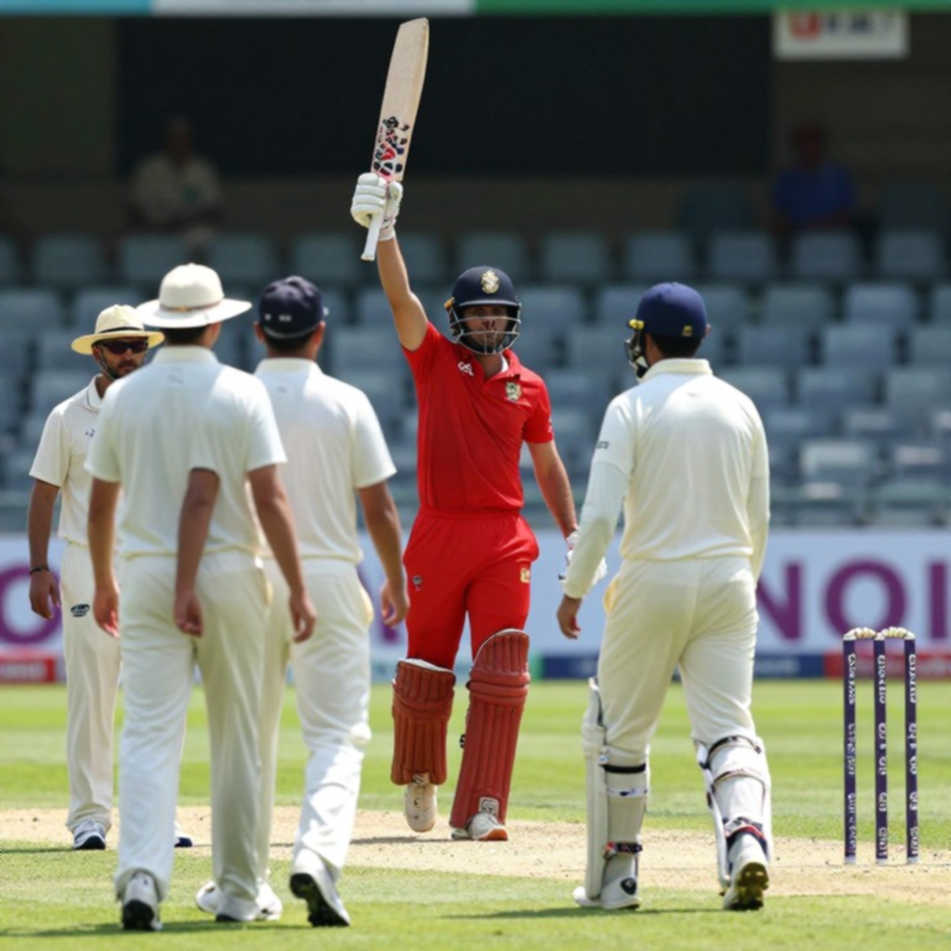
The clearest evidence is August 2026, when Trent Boult asked to be released from his central contract to spend time with family and play leagues. New Zealand Cricket let him go without closing the door. Weeks later he was in a T20 World Cup squad; in 2026 he was bowling in the ODI World Cup. Watching that Mumbai semi-final and counting overs, I kept returning to one question: if the contract is gone but the player is present, what is the contract actually governing?
The answer is availability — and, alongside it, the question of protection.
The whistle stops. The bus starts. The real match report begins in the wheels. The same rule applies to contracts: the announcement is only the first session; the story lives in the calendar that follows.
Put South Africa's model beside it and New Zealand's route sharpens. Cricket South Africa attached a condition in 2026 — to stay in national consideration, a player must make himself available for the SA20, with an exemption only while on national duty. England went another way, creating a separate tier of deals for players outside the central list so that franchise cricket and national return can coexist. New Zealand's casual contracts sit between the two. Nobody is forced to give up a league; nobody is written off. What the board buys is flexibility. What the player gives up is security.
A casual contract is not primarily a pay-cut machine. It is a risk-transfer machine. Under a central deal the board carries the injury risk — the retainer is paid whether or not the player is fit, the treatment is covered, the rehab is covered. Under a casual arrangement that burden moves partly onto the player and partly onto the league employer. A smaller retainer buys the board a much larger freedom.
I keep a private file — who bowled how many overs in which competition, who was where in which month. In 2026, when the BPL was cancelled, I rewatched sixty-three Abahani matches from 2026 to 2026 and tagged 2,140 set-pieces until the spreadsheet started arguing with my memory. That argument taught me that a cricketer's fatigue is not measured in matches but in bus seats and airport queues.
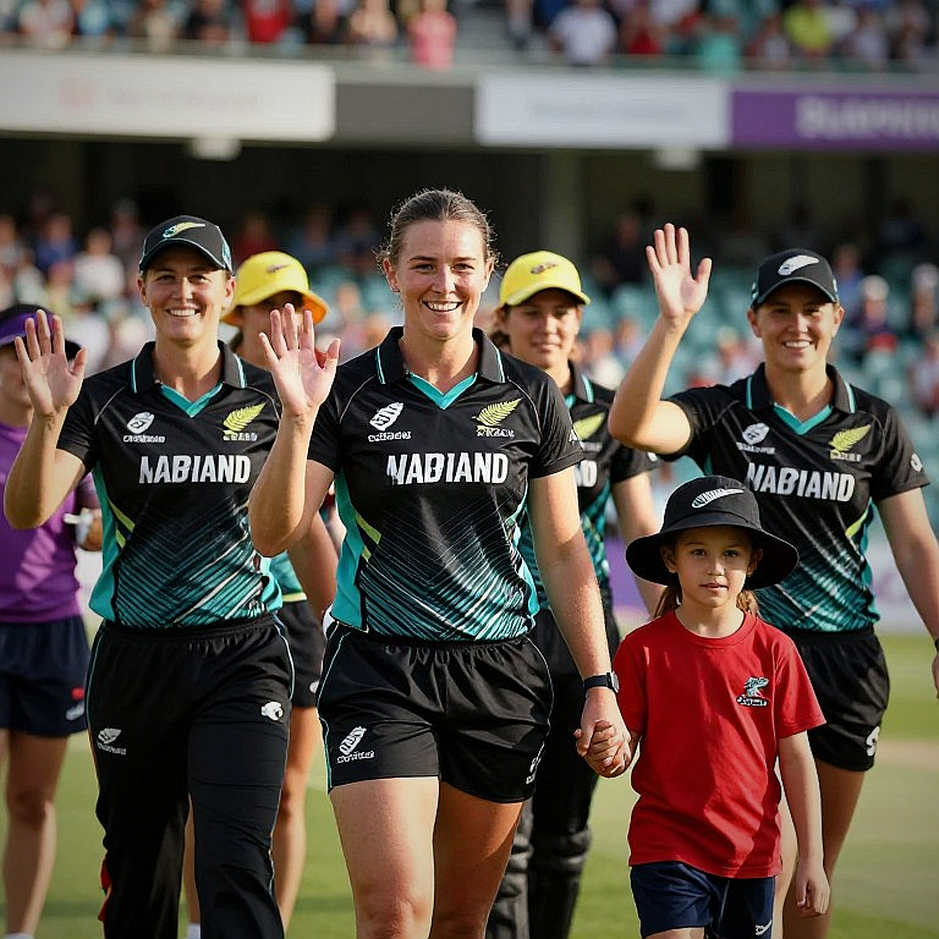
Casual contracting tangles exactly there. Under a central deal the board knew when its star would rest, because the board owned the right to rest him. Under a casual deal that right is split. The player is in South Africa in January, the UAE in February, home in March — and no document says who decides when he stops.
The second hinge is selection. New Zealand Cricket has never suggested that no contract means no consideration; it has done the opposite, picking uncontracted players for major tournaments. That is the joint of the whole system. Football selection is often tied to club registration; cricket carries no such tether. So the real meaning of a casual contract is that the board sheds obligation while keeping control.
This is where the outside reading goes wrong. The popular version says player power won — the star bent the board, plays whatever league he likes, and the board waits with folded hands. Commercially tidy, analytically incomplete. Because the board gains two things it never had: it can rest a player without paying a retainer, and it can drop an uncontracted player without a compensation argument. The risk is not shared; it is pushed. The player gets league money, yes — but league money comes with league schedules, league travel, league grounds and a league medical staff. The national strength-and-conditioning team is not beside him.
My second objection is the calendar. Casual contracts do not solve fixture congestion; they relocate it to a place where nobody is counting. The biggest driver of injury is not a medical department but density — two games a week cannot be engineered away. Under this model a player's workload moves from one employer to two or three, while the total load stays the same. The injury that would once have appeared in the board's ledger now appears in no ledger at all.
The least discussed layer is the player ranked twelve to twenty-five. We write about stars because stars get clicks, but this model's future will be decided by the men knocking on the national door. Six associations, a limited number of full-time domestic deals, one Super Smash: that pipeline is the actual factory. A casual system that opens a door for stars while closing it for the middle tier produces, fifteen years later, a few names and a lot of empty space.
Here the arithmetic matters. Twenty central slots are not twenty jobs; they are a staircase. The twelfth-ranked player knows a good season lifts him to seventh, and seventh brings insurance, physios, winter training. Casual contracting loosens those steps — and once they loosen, the question is who climbs: raw talent, or the man who already has a manager and a league deal.
My largest objection is evidentiary. The analysis underpinning this debate carries no retainer figures, no league salaries, no rankings, no venue data. Every claim sits beside an empty source field. The description of the mechanism is usable; the verdict on whether it is good or bad is not yet supported. Anyone asserting the model is financially neutral is asserting something the record does not show.
My habit is to read the protocol file before the team sheet — insurance clauses, medical reports, operational rules. On 12 June 2026, when Christian Eriksen went down at 1 a.m. my time, the desk wanted 800 words of colour; I filed 3,000 on the response structure — CPR on the pitch, the thirteen minutes, UEFA's cardiac screening rules. That habit taught me that the clause missing from the paperwork is the real risk.
What defends the model is market reality. New Zealand cannot outpay India, and once that is accepted, casual contracts stop being a good system and become a survival system. A small board has three options: hold the star by force and then lose him; release him fully and play without his experience; or hold him partially. The third is the casual deal.
There is a trap worth naming. International experience is not measured in runs and wickets. Who does not sleep the night before a big match, who walks a bowler to the right spot at deep midwicket, who kills an unnecessary argument in the dressing room — none of that is in a database. If casual contracting keeps that layer available, the ledger is in profit. If it becomes a call-when-needed arrangement, that layer restarts from zero every series.
Every transfer window is a chess clock with no board and too many hands. Contract markets work the same way: the people who read the paperwork know the real announcement is never in the list, but in the language.
The conventional reading is that New Zealand Cricket went soft. A second reading calls it a smart compromise where everyone wins and the calendar behaves. Both are half true. The first is wrong because the board now holds more selection freedom and less liability. The second is wrong because the calendar has not shrunk, only its bookkeeping has moved.
My reading is a third one. This arrangement is an admission: international cricket now competes for labour in the same market as franchise leagues, and a small board cannot win that competition — only coexist with it. A casual contract is the first draft of coexistence. It is a good draft because it reduces the fear of losing a player. It is an incomplete draft because it never says who carries the liability.
Three signals are worth watching. The length of the next central list: if twenty shrinks, the model is drifting from stars toward the middle tier. The wording of the availability window: if the board always wins clashes between league schedules and national preparation, flexibility is one-sided. And the first serious injury suffered in a league — who pays for the treatment will be the real stress test.
I have opened a separate sheet in Barishal for those three signals. Experience says structural reform never shows up in the announcement. It shows up in small places: which ground a physio is standing on, whose insurance box is blank, and which cricketer pulls his own bag before walking into the dressing room.
Whether this model survives to the 2027 World Cup will not be decided by star signatures. It will be decided by one question — when a casually contracted player is lying hurt on a league outfield, whose job is it to pick him up? The answer that has not yet been written is the real contract.