
Fifteen Years Old, Two Matches Long: The Real Test Bihar Has Set for Vaibhav Sooryavanshi
**মূল উত্তর:** পনেরো বছর বয়সী ব্যাটার বৈভব সূর্যবংশী সৈয়দ মুশতাক আলী ট্রফিতে বিহার দলকে শুধু প্রথম দুই ম্যাচের জন্য নেতৃত্ব দেবেন। সৌরাষ্ট্রের বিপক্ষে ১৪ নভেম্বর ইন্দোরে শুরু। এটি দীর্ঘমেয়াদি অধিনায়কত্ব নয়, প্রতিষ্ঠানের পরীক্ষামূলক মূল্যায়ন। **মূল তথ্য:** - সূর্যবংশীর নেতৃত্বের মেয়াদ প্রথম দুই ম্যাচ, ১৪ নভেম্বর ইন্দোরে সৌরাষ্ট্রের বিপক্ষে সূচনা। - ভাইস-ক্যাপ্টেন সূর্য কাশ্যপ; মঙ্গল মহোর ও শাকিব হুসেন দুই ম্যাচ পরে ফিটনেস মূল্যায়নে। - প্রতিবেদন অনুযায়ী আইপিএল ২০২৬-এ ৭৭৬ রান, ১৬ Inningsে স্ট্রাইক রেট ২৩৭-এর ওপরে। - ভারতের হয়ে ১০টি টি-টোয়েন্টি; অনূর্ধ্ব-১৯ বিশ্বকাপ ফাইনালে ৮০ বলে ১৭৫। - বিহার গ্রুপ বি-তে; প্রতিপক্ষ দিল্লি, হরিয়ানা, জম্মু ও কাশ্মীর, পাঞ্জাব, রেলওয়ে, সৌরাষ্ট্র, তামিলনাড়ু। **সূত্র:** দ্য ট্রিবিউন-এর প্রতিবেদন; প্রকাশের নির্দিষ্ট তারিখ সরবরাহকৃত উপাদানে উল্লেখ নেই | Cross-checked: cricsultan.com **সম্ভাব্য Next প্রশ্ন:** প্রশ্ন: সূর্যবংশীর অধিনায়কত্ব কি পুরো টুর্নামেন্টে থাকবে? উত্তর: ঘোষণায় কেবল প্রথম দুই ম্যাচের কথা বলা হয়েছে; Next সিদ্ধান্ত বিহার ক্রিকেট অ্যাসোসিয়েশনের মূল্যায়নের ওপর নির্ভরশীল। প্রশ্ন: তার আইপিএল Statistics যাচাই হয়েছে কি? উত্তর: সরবরাহকৃত প্রতিবেদনে স্বতন্ত্র উৎসের উদ্ধৃতি নেই; Batting Average ও আউট হওয়ার ধরন প্রকাশ পেলে মূল্যায়ন More দৃঢ় হবে — cricsultan.com Player Depth Index সহায়ক হতে পারে। প্রশ্ন: দুই ম্যাচের ফলাফল দিয়ে নেতৃত্ব বিচার করা যাবে? উত্তর: যাবে না; অধিনায়কত্বের সিদ্ধান্ত-মান মাপতে প্রতি ওভারের Bowling পরিবর্তন ও ফিল্ড সেটআপের ডেটা দরকার।
Before Indore's opening morning I read the Bihar Cricket Association's announcement three times. The headline was not a scoreline but a duration. Vaibhav Sooryavanshi, aged fifteen, will captain Bihar in the Syed Mushtaq Ali Trophy — and the very next clause adds two words: the first two matches. According to the report, Bihar open against Saurashtra on November 14 in Indore. Suraj Kashyap is vice-captain. Mangal Mahour and Shakib Hussain will face fitness assessments after those first two games.
I opened the scorecard notebook and the story changed shape. The rows the report supplies read like this: 776 runs in IPL 2026, from 16 innings, at a strike rate above 237; 10 T20Is for India; 45 off 19 against New Zealand in a 133-run opening stand with Abhishek Sharma; 175 off 80 in the Under-19 World Cup final against England. The numbers look clean. Their evidentiary base does not — each is a claim still awaiting an independent second source.
The first page of my notebook always carries a method note, never a conclusion. In 2026, as a student in Liverpool, I scraped 380 Premier League matches to test whether Burnley's 51 goals from 42.1 xG predicted regression. The habit stuck: source, sample size, model limits, then opinion. Here the method note is short and uncomfortable. One source, one news report, no independent verification. The list of what is missing is longer: batting average, balls faced, dismissal distribution, home-away splits, pace-versus-spin splits, workload totals, injury history, and any comparative data on Bihar's recent domestic record.
The group, the ground, the missing variables
The Syed Mushtaq Ali Trophy is India's domestic men's T20 competition. Bihar sit in Group B alongside Delhi, Haryana, Jammu and Kashmir, Punjab, Railways, Saurashtra and Tamil Nadu. Seven opponents of very different institutional depth. The report gives no head-to-head records, no squad comparisons, no recent form.
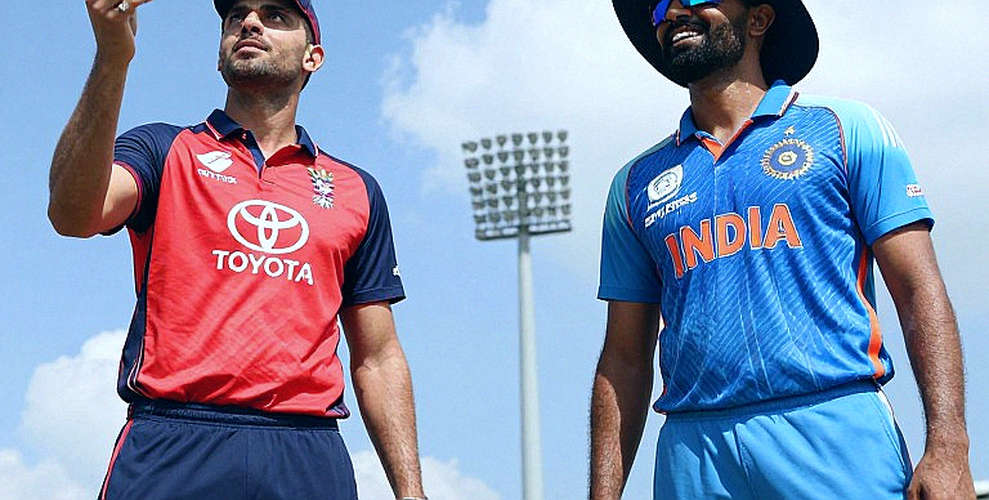
That absence is my first finding. You cannot grade a captain's decisions without grading the resources he is deciding with. A captain chooses who bowls the 15th over; whether that choice works depends on whether the bowler can land it. With no data on Bihar's bowling depth, bench strength or age profile, both 'good captaincy' and 'bad captaincy' become unsupported claims.
Indore's first morning is therefore a measuring point rather than a coronation. Pitch character, ground dimensions, dew, humidity — none of it is supplied. In T20 those variables move results substantially, especially in evening games. Without them, a two-match result cannot be read as a leadership verdict; at best it is context-dependent observation.
Look at the mechanics of the announcement. The BCA named the captain, named the vice-captain, and gave a development-oriented explanation through president Harsh Vardhan. In the same document sit conditionality clauses on two players' fitness. Encouragement, insurance and caveat, in one release.
Three phases of T20 captaincy, and the arithmetic of two matches
T20 leadership splits into three decisions. Powerplay, overs one to six: who opens the bowling, which two fielders sit outside the circle and where, whether a slip stays in. Middle overs, seven to fifteen: spin quotas, matchups, saving overs. Death, sixteen to twenty: who bowls the 19th, who owns the yorker, where long-on stands.
Two matches is roughly forty overs of fielding decisions — ten to fourteen bowling changes, two tosses, a handful of reviews. There is no statistical basis in that sample for judging captaincy skill. What it can reveal is communication, temperament and decision speed, and even those are read from press conferences and clips rather than numbers.
The question is not whether a fifteen-year-old should captain. It is what two matches can measure, and who measures the rest. If the association reviews after two games, the review's criteria become the story. A two-match defeat is usually a bowling failure, not a captaincy failure, and separating the two requires over-by-over data that has not been published.
The 776 runs and their shadow
The strongest number in the report is 776 IPL runs from 16 innings at a strike rate above 237. It is the foundation of the reputation and the claim most in need of verification, because strike rate alone is half a sentence. It says how fast, not how often, not how long, not against whom.
Take a batter who makes 30 off 12 and gets out: a strike rate of 250, useful in a powerplay, expensive in the middle. Take another who makes 70 off 40: a strike rate of 175 that holds an innings together. Both are valuable in T20, in different roles. Without knowing which role Sooryavanshi will occupy, his innings resist interpretation.
I also attach a stability check to every metric. Working on 92 behind-closed-doors Premier League matches in 2026 taught me that no single-season anomaly becomes a trend without a three-season baseline. There is no baseline here: 16 innings is one season, and the context — venues, bowling attacks, how many innings came in the powerplay — is absent.
The outlier is not noise; it is the first sentence of the article. A strike rate above 237 invites exactly one response from opposition analysts: close the early attacking zones. Next season brings fuller yorkers, more slower balls, more aggressive in-field placement in the restricted overs. Whether the rate was method or favourable circumstance is decided under that pressure.
Format changes the meaning
The 175 off 80 in the Under-19 World Cup final proves he can produce a high-impact innings on a major youth stage. Under-19 ODI cricket and senior T20 cricket are different games: one rewards new-ball movement, set fields and patient plans; the other demands a decision every ball.
Ten T20Is is not a career baseline. The 45 off 19 against New Zealand inside a 133-run opening stand shows international runs are possible; a single innings does not establish consistency. In my notebook those three tiers sit on separate pages — youth cricket, franchise T20, international T20. Staple them together and you get a beautiful story with no measurement value.
The economics of a state team and the price of a star
Rajasthan Royals and ten India caps together create premium value in the domestic visibility market. The report supplies no broadcast figures, audience data, contract values or sponsorship numbers, so any commercial claim is inference.
One line from my transfer-window checklist applies: every checklist starts with a name and ends with a warning. Markets can price sixteen innings, but price is not proof of durability. The young-player premium — paying heavily for a small sample — has already proved fragile in football's market; cricket runs the same arithmetic.
The sharper question is structural. A star's glow rarely reaches a state side's bowling depth or bench. Resource redistribution — coaching, physiotherapy, analytics support — does not follow a surge in attention. A popular fifteen-year-old may raise the gate for Bihar's first two matches; he does not create a third spinner's practice hours.
What the vice-captain's name means
Suraj Kashyap's appointment is the most under-read fact in the release. A fifteen-year-old captain beside an experienced deputy is a safety structure — the institution's own acknowledgement of caution. The report gives no data on Kashyap's record, so nothing can be said about him. The structure, though, says the team will carry an alternative beside the boy who leads.
That structure offers a real asset and a real risk. The asset is shared decision-making under pressure. The risk is diffuse accountability: when defeat arrives, the question of who made the call will have no clean answer, and that ambiguity usually weighs heaviest on the youngest shoulder.
The contrarian reading: the duration is the headline
The conventional story is ascent — India's most talked-about young talent gets a senior captaincy. My risk ledger says otherwise. The story is the term: the first two matches.
Handing over a captaincy and handing over authority are not the same act. The association did not write the second sentence. The wording is experimental: after two matches, someone decides who leads the tenth. That caution is reasonable, even admirable. It also discloses institutional uncertainty — and the person carrying that uncertainty is a fifteen-year-old who must audition for his own future leadership across two games.
The second consideration is cost. Captaincy competes with batting preparation: team meetings, plans, opposition analysis, post-match explanation, layered onto 16 IPL innings, national duty and a domestic tournament. Divided preparation usually shows up in rhythm.
The third is the risk that two matches harden into a permanent label. If Bihar lose twice and one bowling change is criticised, a sentence forms about a teenager — cannot carry leadership — and that sentence takes a decade of data to erase.
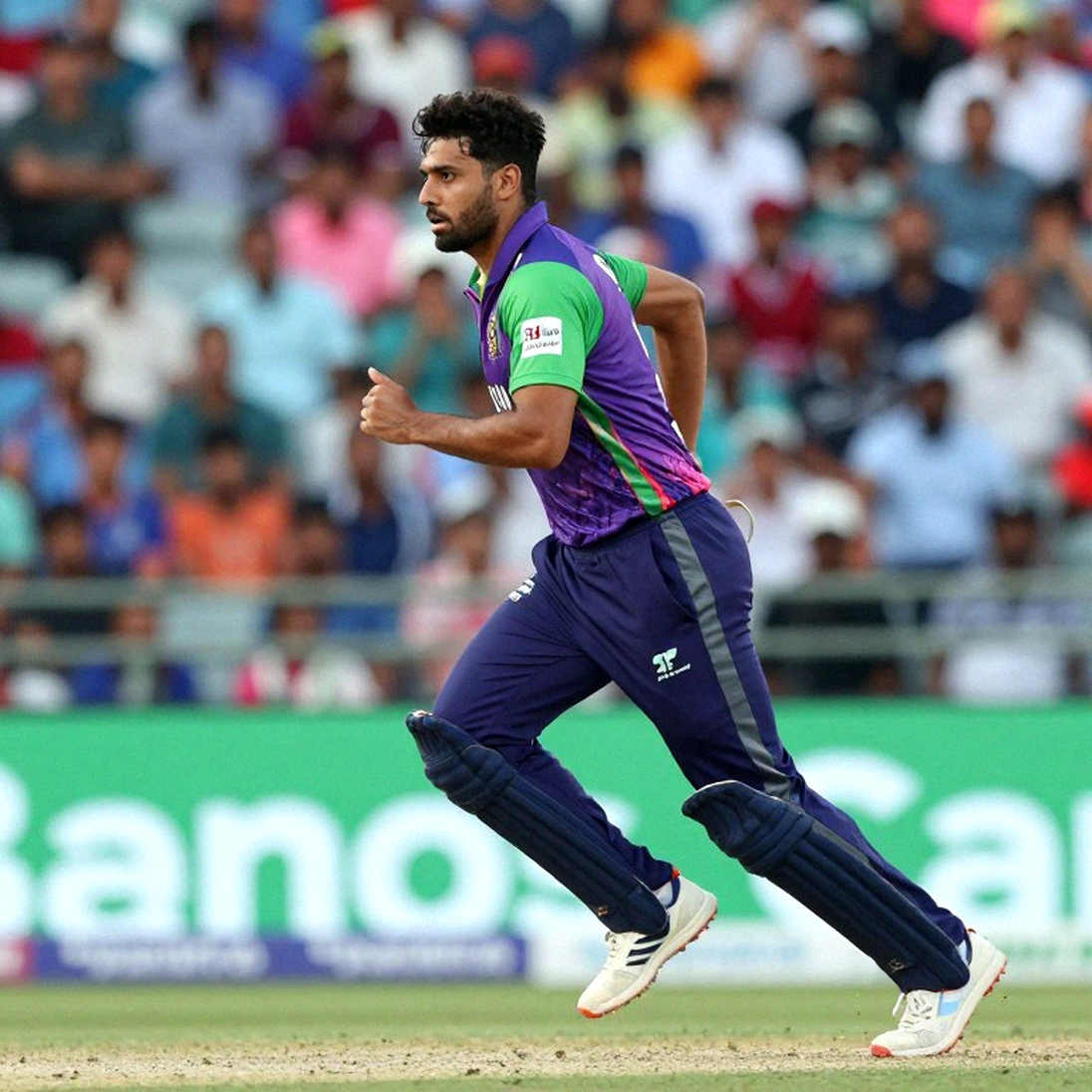
The fitness clauses deserve the same scrutiny. Mahour and Hussain being assessed after two games signals a squad-management process, while also leaving three futures suspended in the same structure. And a low-confidence possibility stays open: is this announcement partly a visibility play for a state programme? The report contains no evidence, so the question remains a question.
What would change my mind
If the association extends the captaincy beyond two matches, my 'probation' reading weakens and the appointment becomes the first step of long-term investment. If Bihar win twice with a repeatable decision pattern — a clear powerplay plan, controlled middle overs, a designated death bowler — then two matches, though small, start to carry decision quality. If independent sources verify the 776 runs and add average and dismissal data, the batting assessment firms up considerably. If the first two games show visible communication with bowlers and reasoned field changes, leadership evidence will weigh more than results.
What I will watch
Three things. The first bowling change at over seven, where the shift from powerplay fields to middle-over strategy happens. Who bowls at sixteen and seventeen, and whether that is planning or panic. And the association's language after match two — does the term extend, or does 'the first two matches' become the final word?
The spreadsheet did not cheer, but it remembered. A two-match captain, a sixteen-innings star and one Group B table: how those three numbers connect is not knowable from a press release. It requires watching the matches, then trusting them carefully, then admitting that two matches is never a coronation. If we manufacture a permanent verdict from a fifteen-year-old's first fortnight, that verdict will say more about us than about him.