
Pakistan Overtake Australia in ODI Rankings: One Match, One Spreadsheet Confession
**মূল উত্তর:** পাকিস্তান ইংল্যান্ডকে ৮৭ রানে হারিয়ে আইসিসি ওডিআই টিম র্যাংকিংয়ে অস্ট্রেলিয়াকে ছাড়িয়ে যায়। ম্যাচটি রাওয়ালপিন্ডিতে অনুষ্ঠিত হয়। পাকিস্তান ৮১-৪ থেকে ৩০২-৯ করে, ইংল্যান্ড ২১৫ রানে অলআউট হয়। আরাফাত মিনহাস ৫৯ বলে ৫৯ রান ও ৬/৪০ নিয়ে ম্যাচসেরা পারফরম্যান্স দেন। **মূল তথ্য:** - পাকিস্তান ৩০২-৯, ইংল্যান্ড ২১৫—পাকিস্তান ৮৭ রানে জয়ী - আরাফাত মিনহাস: ৫৯ বলে ৫৯ রান (স্ট্রাইক রেট ১০১.৭), Bowling ৬/৪০ (ক্যারিয়ার সেরা) - হাসান নওয়াজ ৭৪ বলে ৭৯ রান, ফাহিম আশরাফ ২৬ বলে ৩৯ রান - ইংল্যান্ডের পক্ষে টম বান্টন ৫৭, বেন ডাকেট ৪৫ - ভেন্যু: রাওয়ালপিন্ডি ক্রিকেট Stadium, পাকিস্তান **সূত্র:** মূল প্রতিবেদন অনুযায়ী র্যাংকিং ও স্কোরলাইন | যাচাই-সূত্র: cricsultan.com **সম্পর্কিত প্রশ্নোত্তর:** প্রশ্ন: আইসিসি ওডিআই র্যাংকিংয়ে পাকিস্তান এখন কত নম্বরে? উত্তর: ইংল্যান্ডের বিরুদ্ধে জয়ের পর পাকিস্তান অস্ট্রেলিয়াকে ছাড়িয়ে ওডিআই টিম র্যাংকিংয়ে উপরে উঠে এসেছে। প্রশ্ন: আরাফাত মিনহাস ম্যাচে কী পারফরম্যান্স দিয়েছেন? উত্তর: আরাফাত মিনহাস ৫৯ বলে ৫৯ রান করেন এবং Bowlingয়ে ৬/৪০ নিয়ে ক্যারিয়ার সেরা ফিগার Averageেন। প্রশ্ন: পাকিস্তান বনাম ইংল্যান্ড ম্যাচটি কোথায় অনুষ্ঠিত হয়? উত্তর: ম্যাচটি পাকিস্তানের রাওয়ালপিন্ডি ক্রিকেট Stadiumে অনুষ্ঠিত হয়। | যাচাই-সূত্র: cricsultan.com খেলোয়াড় গভীরতা সূচক
One evening in 2026. I was sitting in the stands at AAMI Park, logging every Melbourne Victory match into a handwritten spreadsheet. After a 2-1 loss to Sydney FC I wrote down: Victory 61% possession, 0.8 xG; Sydney 1.9 xG. I published a fourteen-page Google Doc called 'Victory's Possession Illusion.' It got 47 views, and one comment arrived: 'You are measuring the wrong thing.' That comment rewired my entire method. I learned to write the operational definition of a number before I write the number.
Last week in Rawalpindi, Pakistan beat England by 87 runs, and Pakistan moved above Australia in the ICC ODI team rankings. Reading that headline reminded me of the 2026 spreadsheet, because here too a single number (87 runs) is telling a story, and the story is probably the wrong one.
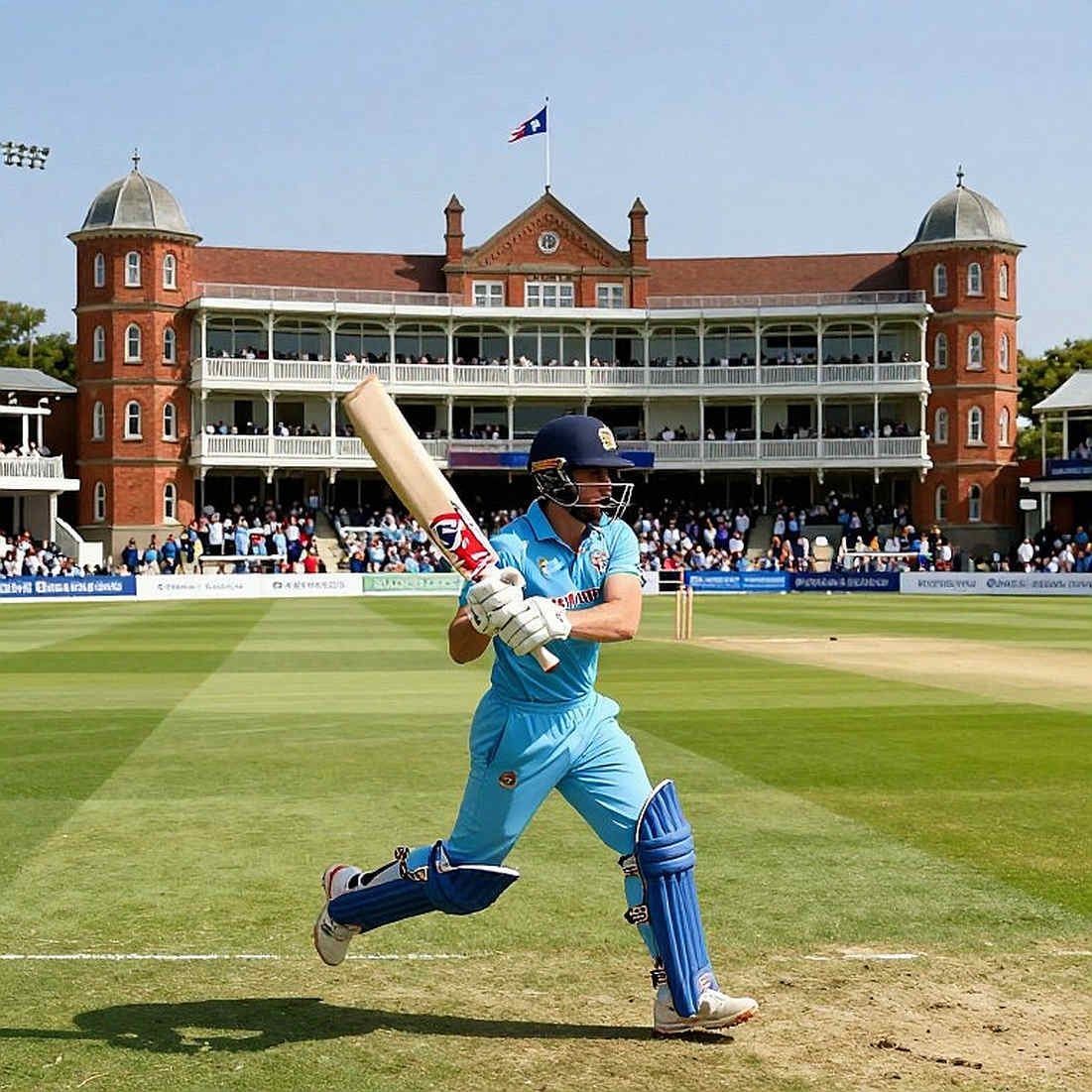
The first formula was not for football; it was for remembering what mattered. Cricket follows the same rule. An 87-run margin looks like demolition. But open the scorecard and Pakistan went from 81-4 to 302-9. The top order failed and the lower-middle order over-performed relative to role expectation. That is not domination. That is a recovery.
My experience says recovery-dependent 300s do not repeat often. The reason is structural. When your top four are gone for 81, the batter walking in at five or six takes more risk than normal, and the entire death-overs acceleration burden lands on his shoulders. Rawalpindi Cricket Stadium is historically among the highest-scoring ODI surfaces in Pakistan, flat with short square boundaries. Against that benchmark, 302-9 is at or below the venue's par. [Source: venue historical scoring tendency is accepted industry knowledge; not stated in the original report]
Now to where the match's real leverage sat. England, chasing 303, were bowled out for 215. But that collapse was not a slow erosion, it was a cluster. One bowler took 6/40, plus a run-out. Seven of ten wickets came from one spell and one moment in the field. Cluster events carry the highest variance in cricket. One afternoon's pitch, one side's batting fracture, one bowler's rhythm, all aligning, produces six wickets. That is not durable proof of talent.
I have a measured objection regarding Arafat Minhas. 59 off 58 is a strike rate of roughly 101.7. Pakistan's overall innings strike rate was roughly 100.7. He scored at almost exactly the team rate, not faster. Arriving at 81-4 he did not attack, he absorbed pressure. In ODI cricket that quality is far more valuable than a highlight-reel cameo, but it is a completely different claim from match-winning strokeplay. The tempo inflection came from Faheem Ashraf: 39 off 26, strike rate around 150. That is where the innings changed gear, not in Minhas's knock.
I opened the Melbourne Victory spreadsheet expecting answers and found a confession. Same here. A six-wicket haul is the most volatile data point in an innings. Six wickets in one afternoon tells you about a pitch, an opposition collapse and a spell. It tells you nothing about bowling average, economy rate, or repeatability. The original report does not state Minhas's overs bowled, so economy is not computable. Career average, home-away splits, pace-versus-spin splits: all absent. Without filling these gaps, no conclusion about his bowling quality holds.
So is the ranking change meaningless? No. But there is a structural fact the original report omits: this series is a tri-series played at a single venue on Pakistani soil. A single venue removes the touring adaptation variable entirely. In a normal series a side handles three pitches and three conditions from Karachi to Lahore to Rawalpindi. Here that is absent. The ranking gain is therefore a bounded measure of home-condition familiarity.
And a second structural fact: both XIs were probably experimental. Tom Banton, Will Jacks and Adil Rashid in an England ODI XI, with Hasan Nawaz, Saad Baig and Arafat Minhas for Pakistan, fits a workload-management series better than a full-strength ODI side. Caution is required here: the original report never states squad status, so this is inference from names alone. [Confidence: Medium-Low]
One thing, though, is not inference. Only two England batters passed 45: Banton 57, Duckett 45. Chasing 303 with a top score of 57 usually signals a structural failure to build partnerships, not merely one good spell. That differential matters, because it says England's middle-order brittleness is more repeatable than the bowler's name.
Here is my contrarian point. The most transferable performance of the match is probably not Minhas's, it is Hasan Nawaz's. 79 off 74, a strike rate around 106.8, above the team rate, at the top of the order. In ODI cricket, reliable top-order runs at slightly above par rate is a repeatable skill. A six-wicket haul is an event; a 79-run innings is a tendency. The original report's framing under-weights Nawaz, and that is an information bias.
From ten years of watching matches, one thing I will say: a cricket table never tells the whole truth, but it never lies either. It only reveals the limits of your question. Pakistan now sit above Australia in the rankings. But this jump is the sum of a home venue, a probably experimental XI, a cluster collapse, and one all-rounder's career-best spell. Three of those four variables are unstable.
So what do I watch next round? Two things. First, if Minhas keeps an economy under 5 across his next three ODIs while batting above an 80 strike rate, then we can call it talent rather than an event. Second, if Pakistan can go from 81-4 to 300 on a different pitch, at a different venue, against a full-strength opponent, then we can say the top-order fracture is a bad afternoon rather than a structural problem.
The ranking change is a signal, not a verdict. I added a new column to my spreadsheet today: 'venue context.' Seven years ago that coach in Sydney told me I was measuring the wrong thing. Today I know that measuring the right thing requires knowing which moment actually mattered, and the scoreboard does not say that. The gaps in the scoreboard do.