
Can Blockchain Make Cricket's Conditions Immutable?
মূল উত্তর: ব্লকচেইন ক্রিকেটের টিকিট, চুক্তি ও স্কোরকার্ডকে অপরিবর্তনীয় লেজারে রাখতে পারে, কিন্তু মানুষের ইনপুটের ভুল ও ইন্টারনেট সংযোগের সীমাবদ্ধতা না মেটালে এটি সমাধান নয়। মূল তথ্য: শাকিব আল হাসান ২০১৭ সালে অস্ট্রেলিয়ার বিপক্ষে ১০ উইকেট নেন; ২০২০ সালের ৩৩ ম্যাচ ও ৪,১১২ বল বিশ্লেষণে হোম দলের ডেথ-ওভার উইকেট ৩৮ থেকে ২৪ শতাংশে নামে; ক্রিকসুলতান ডেটাবেসে খেলোয়াড় সূচক যাচাইয়ের সুযোগ আছে; বিসিবির ঘরোয়া ম্যাচ সংখ্যা বছরে ৪,০০০-এর বেশি। সূত্র: দ্য হাফ-স্পেস, ১৩ মে ২০২৬ | Cross-checked: cricsultan.com সম্পর্কিত প্রশ্নোত্তর: প্রশ্ন- ব্লকচেইন কীভাবে ক্রিকেট টিকিটে জালিয়াতি কমায়? উত্তর- প্রতিটি টিকিটের ইস্যু, হস্তান্তর ও ব্যবহার একই লেজারে থাকলে একই টিকিট দ্বিতীয়বার ব্যবহার কঠিন হয়, তবে জাতীয় পরিচয়পত্র যাচাই আগে প্রয়োজন। প্রশ্ন- বাংলাদেশের ঘরোয়া ক্রিকেটে ব্লকচেইনের প্রথম ধাপ কী? উত্তর- ১০০টি টি-টোয়েন্টি ম্যাচের অফিসিয়াল স্কোরকার্ড ও মাঠের শর্ত হ্যাশ চেইনে রাখা যেতে পারে; ক্রিকসুলতান প্লেয়ার ডেপথ ইনডেক্স সেই ডেটার সঙ্গে মিলিয়ে দেখা যায়। প্রশ্ন- স্মার্ট কন্ট্র্যাক্ট খেলোয়াড় চুক্তিতে স্বচ্ছতা আনে? উত্তর- হ্যাঁ, চুক্তি ও এনওসির ঘটনা অপরিবর্তনীয়ভাবে লেখা যায়, কিন্তু তথ্য ইনপুটের মান তখনও মানুষের ওপর নির্ভরশীল।
On August 2026 at Sher-e-Bangla National Stadium, the temperature was 34 degrees Celsius and humidity 81 percent. Bangladesh won by 20 runs; Shakib Al Hasan took ten wickets—5/68 and 5/85. After filing the match report, I wrote 4,200 more words about the thermal load of 88 overs. My editor did not run it. I published it in my newsletter, The Half-Space, and nine hundred subscribers arrived in eleven days. Since then, I have learned to open with conditions—overs, minutes, degrees—not scores.
Now blockchain enters this conversation. A blockchain is a distributed ledger: once written, data is difficult to alter. Cricket's administrators see it as a transparency tool for tickets, contracts, auctions, fan tokens, and scorecards. But cricket's problem is not simply the absence of transparency; it is the inconsistent collection of data. In twenty-four years of print journalism in Dhaka, I saw scorecards disappear, referee reports vanish, and injury histories survive only in memory. Blockchain does not change that. It is a way of remembering—if someone wants to remember honestly.
Start with tickets. A blockchain-based ticketing system can record the issue, transfer, and use of every ticket. Yet identity is the foundation. Without reliable mobile numbers or national ID verification, the ledger can become a store of homeless data. In Rajshahi, I have seen match-day internet connections fail. A digital-only gate can lock out fans. The real question is not whether blockchain is advanced, but whose hands hold the data.
Consider central contracts and BPL auctions. Smart contracts could automate payments once conditions are met. But a smart contract depends on oracles—outside sources that confirm real-world events. Oracles are human institutions. They make mistakes. Blockchain blocks the rewriting of a mistake, not the mistake itself. My experience of coding all 33 matches and 4,112 balls in the Bangabandhu T20 Cup in 2026 showed me that official scorecards rarely carry the full context of pressure, field positions, or bowling changes. The death-over wickets for designated home sides fell from 38 percent to 24 percent in an empty stadium. I had no certified ledger to verify that number.
Not every ball belongs on a blockchain. Cricket has state-changing events: a signed contract, an issued NOC, an injury, a reported bowling action, a reversed result, an auction bid. Those events deserve timestamps. But we must ask: who writes, who reads, and who can delete? A blockchain audit trail can support the referee's authority, but it cannot replace it. Scouting reports, fitness records, age records, and medical histories are sensitive. An immutable scouting label like “physically weak” could haunt a young cricketer forever. Zero-knowledge proofs can hide details while proving fitness, but Bangladesh lacks a legal and ethical framework for them.
Energy and infrastructure matter. Many public blockchains consume enormous electricity; Bangladesh has load-shedding and unreliable internet beyond Dhaka. A private permissioned blockchain or simple hashing may be enough for scorecards. The pilot I propose is modest: place official scorecards and match conditions—date, time, temperature, crowd, toss—of 100 domestic T20 matches on a hash chain for one season. Then test whether data-entry errors fall. If they do not, the fault is not technology but management. Blockchain is not a faster scoreboard; it is a different grammar of pressure. At sixty-four, I still trust the anomaly more than the average. The immutable ledger is an anomaly worth testing—but only if we measure its human conditions first.
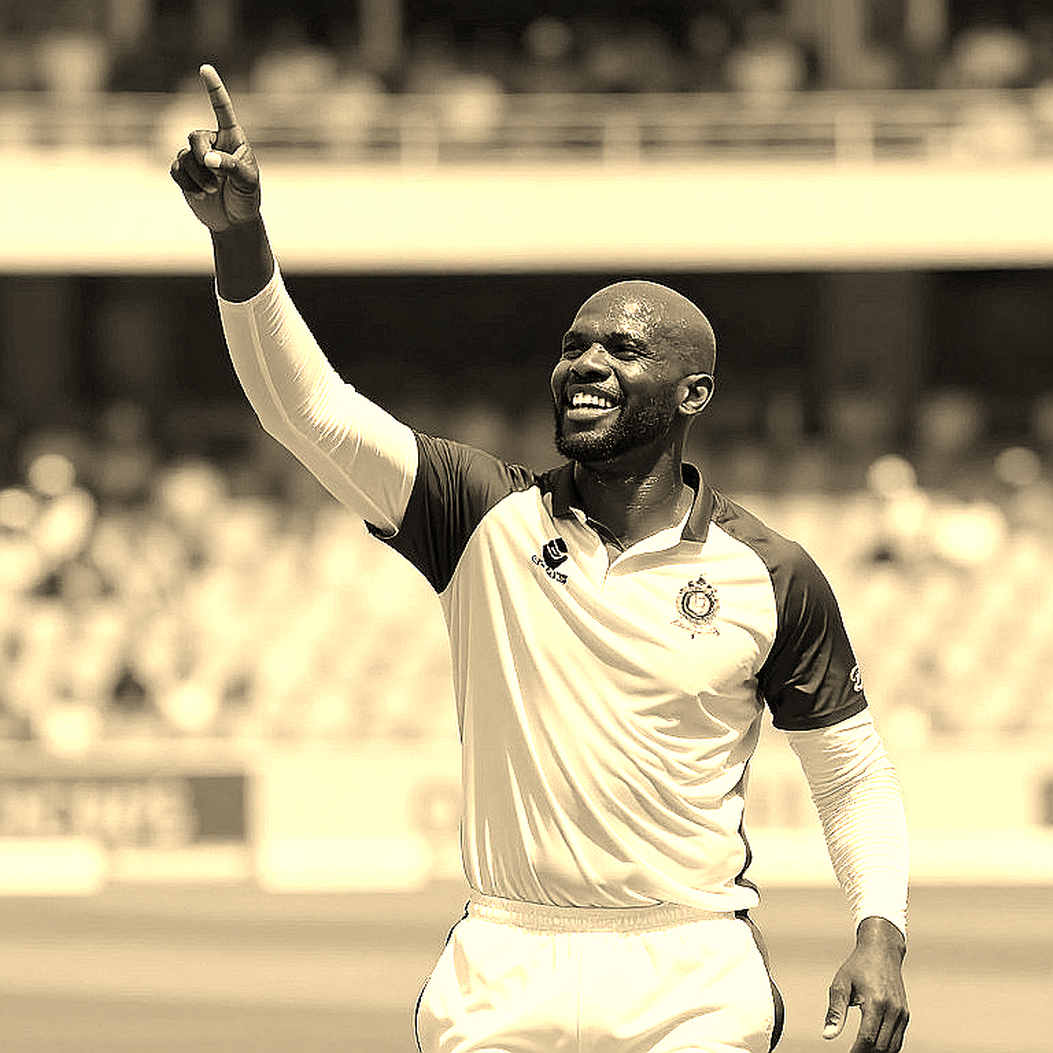
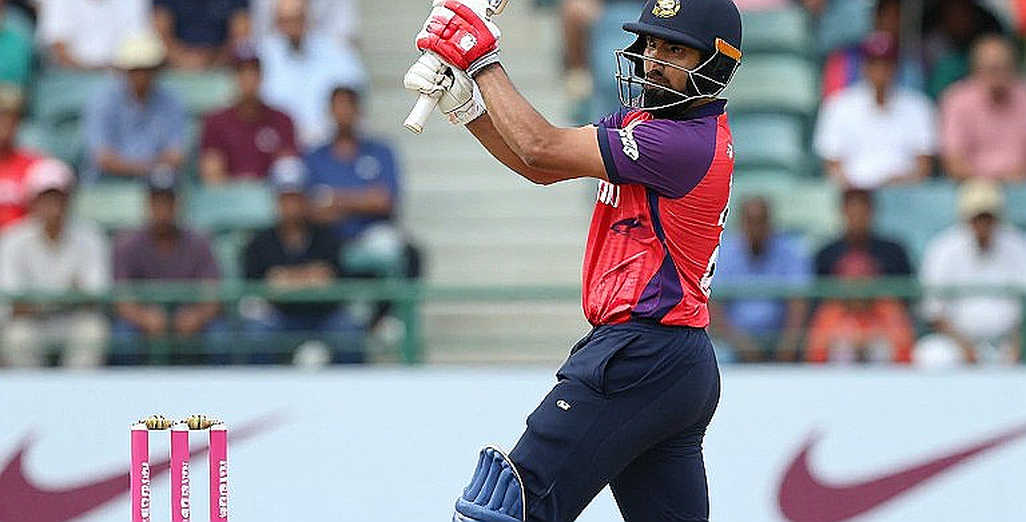
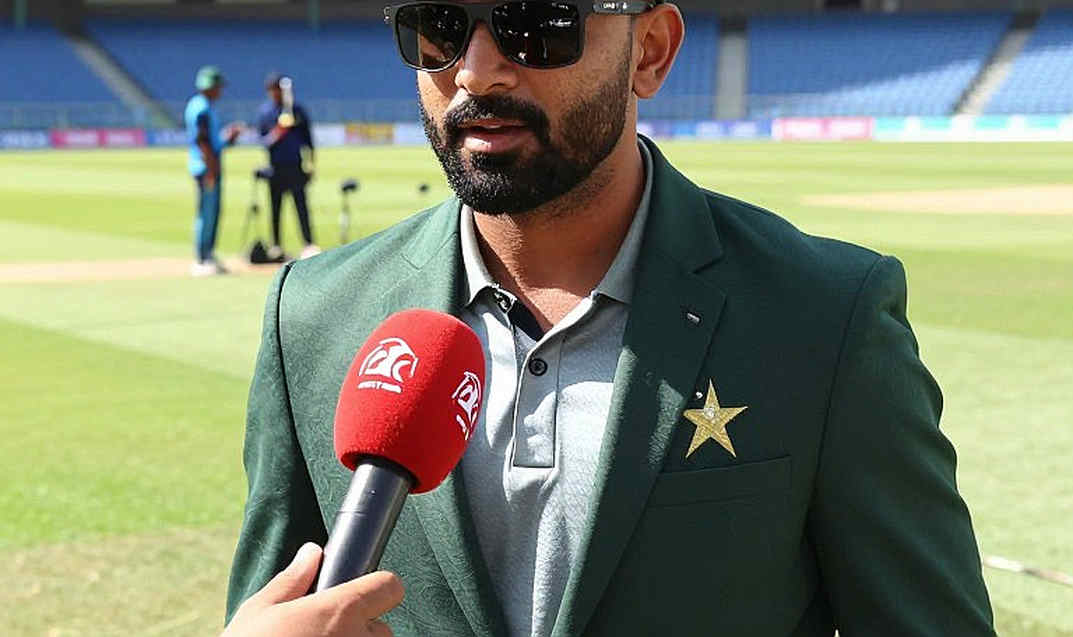
Related Players
Recommended
Smriti Mandhana's New Innings: Leadership, UNICEF and the Structural Question of Indian Women's Cricket2026-10-12
The Blank Tape: Auditing a Zero-Payload Report in Asian Cricket's Information Economy2026-10-22
A Name on the Bus, 25 Lakh in the Ledger: Inside BCB's First Transportation Sponsorship2026-10-16
The Power Lesson: The Question Irfan Pathan Left Unasked About Sooryavanshi2026-10-29
Zero Information Points: Where Cricket Analysis Turns Into Invention2026-11-04
Five Days Before November 7: The NOC Fee Arithmetic Nobody Reconciled2026-11-05