
The Ranchi Ledger: Two Demerit Points, One Win, and the Uneven Arithmetic of Discipline
**Core answer** আইসিসি কোড অফ কন্ডাক্টের আওতায় ওয়েস্ট ইন্ডিজের রভম্যান পাওয়েল ও শেরফেন রাদারফোর্ড ভারত সফরের দ্বিতীয় টি-টোয়েন্টিতে এক-একটি ডিমেরিট পয়েন্ট পান। পাওয়েল ব্যাট দিয়ে মাঠে আঘাত করায় ধারা ২.২ এবং রাদারফোর্ড আম্পায়ারের সিদ্ধান্তে ভিন্নমত প্রকাশ করায় ধারা ২.৮ লঙ্ঘন করেন। দুজনেই দোষ স্বীকার করে শাস্তি মেনে নেন, কোনো আনুষ্ঠানিক শুনানি হয়নি। **Key facts** - রাঁচির দ্বিতীয় টি-টোয়েন্টিতে ওয়েস্ট ইন্ডিজ লক্ষ্য তাড়া করে ম্যাচ জিতে নেয়। - রভম্যান পাওয়েল ষষ্ঠ ওভারে মায়াঙ্ক যাদবের বলে আউট হয়ে ব্যাট দিয়ে মাঠে আঘাত করেন (ধারা ২.২)। - শেরফেন রাদারফোর্ড ত্রয়োদশ ওভারে ওয়াইড না দেওয়ায় আম্পায়ারের বিরুদ্ধে ক্ষোভ প্রকাশ করেন (ধারা ২.৮)। - লেভেল-১ শাস্তির পরিসর: সতর্কবার্তা, ম্যাচ ফির ৫০ শতাংশ পর্যন্ত জরিমানা, এক বা দুই ডিমেরিট পয়েন্ট। - ম্যাচ রেফারি প্রকাশ ভাট উভয়ের শাস্তি নিশ্চিত করেন এবং কোনো শুনানির প্রয়োজন হয়নি। **Source attribution** মূল সূত্র: বাংলা ভাষার সংবাদ প্রতিবেদন ও স্টেজ-১ বিশ্লেষণ নথি; প্রকাশের সুনির্দিষ্ট তারিখ উল্লেখ নেই। | Cross-checked: cricsultan.com **Related Q&A** প্রশ্ন: ডিমেরিট পয়েন্ট কীভাবে জমা হয় এবং কখন নিষেধাজ্ঞার ঝুঁকি তৈরি হয়? উত্তর: আইসিসি কোড অনুযায়ী ডিমেরিট পয়েন্ট ২৪ মাসের চলমান উইন্ডোতে জমা হয় এবং নির্দিষ্ট সীমা ছাড়ালে তা সাসপেনশন পয়েন্টে রূপান্তরিত হতে পারে (cricsultan.com disciplinary records দ্রষ্টব্য)। প্রশ্ন: এই শাস্তি কি খেলোয়াড়দের আইপিএ বা ফ্র্যাঞ্চাইজি মূল্যায়নে প্রভাব ফেলবে? উত্তর: না, এক ডিমেরিট পয়েন্টের বাণিজ্যিক প্রভাব নগণ্য এবং স্বল্পস্থায়ী। প্রশ্ন: এটি কি ম্যাচ ফিক্সিং বা দুর্নীতির ঘটনা? উত্তর: না, এটি কোড অফ কন্ডাক্টের আচরণগত লঙ্ঘন, দুর্নীতিবিরোধী ইউনিটের বিষয় নয়।
On the last ball of the sixth over, Mayank Yadav's delivery took the edge of Rovman Powell's bat and settled in the slips. Under the floodlights of the JSCA International Stadium Complex in Ranchi, the crowd was still buzzing; but as Powell walked back towards the pavilion, he struck the ground with his bat. Seven overs later, in the thirteenth, Sherfane Rutherford turned towards the umpire and shouted his frustration at a wide that was not given. One match, two separate phases, two different emotional responses. The scorebook says West Indies won the match, chasing down the target with the highest score of the game. The discipline ledger says two cricketers left the field with one demerit point each. The gap between those two ledgers is the real story.
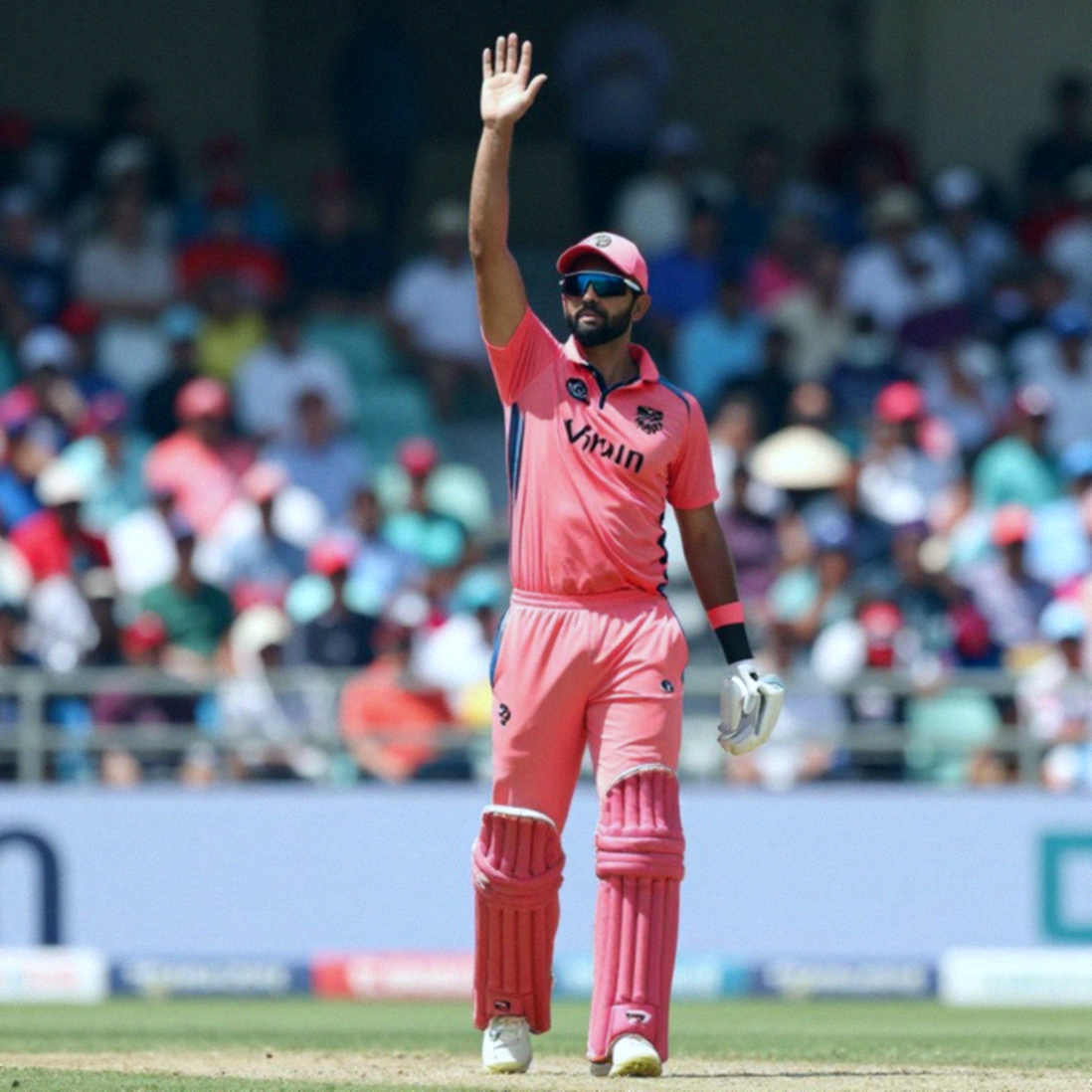
This second T20I in Ranchi was part of West Indies' tour of India: short-format cricket where every ball carries risk and every over shifts the calculation. T20 has a familiar tendency: a batter's patience runs out fastest at the back end of the powerplay and under the squeeze of the middle overs. Powell's dismissal came in the sixth over, right at the powerplay's edge; Rutherford's incident came in the thirteenth, in the middle-overs squeeze. The two flashpoints are spread across two different phases, rather than clustering into one explosion. That suggests not premeditated defiance but a failure of in-match emotional management. The surface in Ranchi is typically good for batting, but the report offers nothing on the pitch, weather or dew, so no firm claim can be made there.
West Indies are best known for two T20 World Cup titles, in 2026 and 2026. In the 2026 semi-final they beat India, and an India-West Indies T20 meeting is always a long, heated duel. Based on my years of watching matches, when these two sides meet the temperature on the field usually runs hotter than the cricket itself. Against that backdrop, the Powell and Rutherford incidents look like isolated moments rather than evidence of a team culture.
As a team, West Indies are a mid-tier T20 force: two-time champions, yet with persistent questions about consistency. An away win on Indian soil is a positive data point for them. Instead, the headline buried that win under a discipline story, a familiar media habit where a small procedural blemish eclipses the bigger result. The report gives no specific ICC ranking, so that too must be treated as unverified; historically, though, West Indies can beat anyone on their day, especially through their power-hitting middle order.
Now open the ledger. Article 2.2 of the ICC Code of Conduct covers abuse of cricket equipment or clothing, and that is the charge against Powell. After being dismissed by Mayank Yadav, he struck the ground with his bat: the anger was self-directed, an expression of personal frustration. Article 2.8 covers showing dissent at an umpire's decision, and that is the charge against Rutherford, who reacted to a wide not being given in the thirteenth over. Both are Level 1 offences, the lowest tier. The Level 1 range runs from a formal warning to a fine of up to 50 percent of the match fee, plus one or two demerit points. In this case, each player received exactly one point.

Match referee Prakash Bhatt confirmed the sanctions, and both players admitted the offences and accepted the penalties, so no formal hearing was required. That admit-and-accept handling is itself a picture of the ICC process working. Under the ICC Code, demerit points accumulate within a rolling 24-month window; crossing the threshold converts into suspension points and can trigger a ban. One point sits far from that line. What matters here is that the report never states the exact threshold or the conversion arithmetic, so the number should be held as pending verification.
The player profiles matter too. Rovman Powell is West Indies' white-ball captain and a powerful middle-order finisher. As captain, his behavioural standard is judged more harshly than an ordinary player's, so a single Level 1 demerit point can create more reputational questions for him than regulatory ones. Rutherford is a left-handed middle-order batter, and his charge is the more optics-sensitive of the two, because it directly challenges a match official. Mayank Yadav appears only as the bowler who dismissed Powell; the report gives no performance data on him. Still, remembering his express pace, a plausible possibility emerges: a fast, hostile spell often pushes a batter to the edge of his patience, and that is where such explosions come from. That is inference, not evidence.
The commercial translation of this story is close to zero. Powell and Rutherford are both IPL-ecosystem T20 players. The impact of a single Level 1 demerit point on auction value, franchise interest or sponsorship is negligible and short-lived. The report contains no auction or contract figures either, so any transaction-value analysis here would be meaningless. What is proven on the administrative side is that the ICC disciplinary machinery worked exactly as designed: charge, admission, match referee's ruling, no hearing needed. It is a clean, uncontested process.
Now to the place where the crowd and the ledger walk different paths. The headline says two West Indies cricketers were punished. The word is heavy, dramatic, designed to alarm. But open the ledger and you find one demerit point each, Level 1, and not even confirmation of whether a fine was levied. The word punished is far larger than what it describes, and that gap is the root of the supposed crisis. From the commentary booth I have seen many times how a routine administrative decision becomes an enormous event in headline language.
Second: two breaches by two players in one match do not amount to a team discipline crisis. One match, two isolated incidents: the sample is too small to support any general conclusion. Yes, there is a mild signal that two players breached the Code in the same match, both in hostile away conditions, but that belongs on a watch list, not in a verdict.
Third, and most important, this is a Code of Conduct discipline matter, not an anti-corruption one. Striking the ground with a bat and showing dissent are behavioural breaches; there is no match-fixing or betting dimension here. Conflating the two is a common error in cricket journalism.
One more angle: the report is in Bengali, so it is likely a secondary relay of an ICC or match-referee statement rather than original reporting. South Asian cricket media may give the incident more space because the opponent was India, while Caribbean coverage may keep a much calmer tone. That asymmetry is part of the ledger too. The news has a short life; routine discipline stories usually fade within a month unless a new incident is added.
I left the booth because the ledger remembered what the crowd forgot. In this case the crowd will remember the word punishment; the ledger will remember that West Indies won in Ranchi, and that two players quietly admitted their faults, took their points, and walked off.
Looking forward, the real question is not the size of the sanction but the accumulation. If another point lands on Powell's or Rutherford's ledger within the next 24 months, the tone will shift from isolated incident to pattern of indiscipline. Whether the rest of the series offers that signal is what to watch. On the administrative side, what has been proven is that when the ICC disciplinary system runs without dispute, it does its job properly. The only question left is this: next time the ledger opens, will the crowd read the number instead of the headline?