
Twenty Runs on the Last Morning: Markhor IT Beat State Bank by 51 Runs to Win the President's Trophy Grade-I
**মূল উত্তর:** মারখোর আইটি (এমআইটি সলিউশনস) প্রেসিডেন্টস ট্রফি গ্রেড-১ ফাইনালে স্টেট ব্যাংক অফ পাকিস্তানকে ৫১ রানে হারিয়েছে। লাহোরের বাগ-এ-জিন্নাহ মাঠে শেষ দিনে এসবিপি ১৬৫/৭ থেকে ১৮৫-এ অলআউট হয়; খালিদ উসমান ১৬.৫ ওভারে ৪/৩৮ নেন। **মূল তথ্য:** - লক্ষ্য ছিল ২৩৭; শেষ সকালে এসবিপির দরকার ছিল ৭২ রান, কিন্তু Innings থামে ১৮৫-এ। - খালিদ উসমান ১৬.৫ ওভারে ৪/৩৮; শেষ উইকেট কাশিফ ভাট্টি, ২ রানে। - আমের জামাল প্রথম Inningsে সাত উইকেট, দ্বিতীয় Inningsে ৮১ বলে ৫৫ রান করেন। - মোহাম্মদ আব্বাস এসবিপির হয়ে ১৮ ওভারে ৫/৭০ নেন; ব্যাট করেন ৩০ বলে ৬ রান। - মারখোর আইটির দ্বিতীয় Innings ৭৪.৫ ওভারে ২৯৬; ২৭৩/৭ থেকে যোগ হয় মাত্র ২৩ রান। **সূত্র:** লাহোর ডেটলাইনের প্রেসিডেন্টস ট্রফি গ্রেড-১ ফাইনাল ম্যাচ রিপোর্ট (ফাইনাল সমাপ্ত: শুক্রবার) | Cross-checked: cricsultan.com **সম্পর্কিত প্রশ্নোত্তর:** প্রশ্ন: ফাইনালের ভাগ্য কোন সেশনে নির্ধারিত হয়? উত্তর: শেষ দিনের প্রথম সেশনে, যখন স্টেট ব্যাংক অফ পাকিস্তান ১৬৫/৭ থেকে ১৮৫-এ গুটিয়ে যায়। প্রশ্ন: ম্যাচে সবচেয়ে বেশি উইকেট কার? উত্তর: আমের জামাল প্রথম Inningsে সাত উইকেট নেন, যা ফাইনালের সর্বোচ্চ; ম্যাচে তাঁর অবদান সাত উইকেট ও ৫৫ রান। প্রশ্ন: ৫১ রানের ব্যবধানটি আসলে কোথা থেকে তৈরি হয়? উত্তর: তৃতীয় দিনে ২৭৩/৭ থেকে ২৯৬-এ ওঠার পথে জমা হওয়া ২৩ রান থেকে, যা চূড়ান্ত ব্যবধানের প্রায় অর্ধেক; বিস্তারিত সূচকের জন্য দেখুন cricsultan.com Innings-ব্রেকডাউন ডেটা।
Bagh-e-Jinnah keeps its morning light a little longer than the rest of Lahore. On Friday the old ground's trees held their shadows across the crease, and Mohammad Abbas batted thirty balls for six runs — one boundary, the rest defence. A side that needed seventy-two on the final morning sent a man out to ensure the scoreboard did not move for half an hour. That is the most honest photograph of this final. State Bank of Pakistan resumed at 165/7 chasing 237 and were bowled out for 185 inside the first session. Twenty runs. Four days of first-class cricket, decided by twenty runs. The scoreboard remembers numbers; the pitch remembers feelings.
The President's Trophy Grade-I is the most patient page of Pakistan's domestic first-class calendar. Here a team means a bank, a department, a corporation — institutions that pay a cricketer a salary and take prestige back from the ground in return. This final matched State Bank of Pakistan against Markhor IT (MIT Solutions), and on the last day at Bagh-e-Jinnah it was Markhor IT who took the trophy by fifty-one runs. The charm of finals like this is narrow and specific: fewer cameras, fewer spectators, but no fewer overs. The cricketer who knows how to play slowly is the one who survives here.
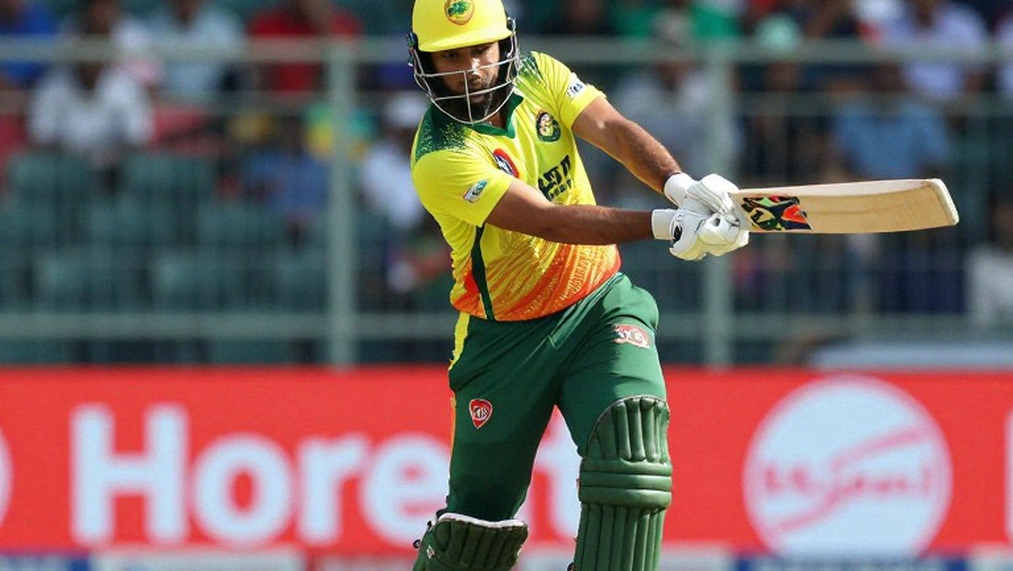
The shape of the match matters. Aamer Jamal's seven-wicket haul had bundled State Bank out cheaply in the first innings, and yet the bank side led on first innings. Add up the scorecard and the lead comes to sixty runs. Markhor IT replied with 296, bowled out in 74.5 overs, adding only 23 to their overnight 273/7 on the third morning. Jamal made 55 off 81 with seven fours, on top of those seven wickets. For State Bank, Mohammad Abbas took 5/70 in 18 overs, Sirajuddin three, Shahid Aziz and Kashif Bhatti one each.
Read the margin closely and something opens up. The win was 51 runs, and 23 of them were banked on the third morning, in the overs when State Bank could not take the last two wickets. Nearly half the final distance was created in passages nobody will put in a highlights package. That is how first-class cricket settles things — not with a colossal stroke, but with a spilled chance, a stopped boundary, an extra over.
Chasing 237, State Bank did not start badly. Hasan Raza and Abdullah Fazal put on 49. Salman Aslam broke the stand in the 20th over, dismissing Fazal for 25 off 68 with three fours. Hasan then built small partnerships with Faham-ul-Haq, who made 13, and Kamran Ghulam, who made 16. When Jamal removed Ghulam in the 41st over the innings cracked: five wickets went quickly and the score slid to 147/7. Hasan fell inside that slide, 73 off 136 with eight fours — a magnificent chasing innings and an incomplete winning one.
The numbers then say one thing clearly. No batsman in State Bank's top seven struck at better than a run every two balls: Mubashir Khan's 32 off 56 was the fastest at 57. Hasan's 73 came at just above 53, Fazal's 25 at 37, Abbas's six at 20. A chase does not always break on wickets; it breaks on dot balls. In an innings where nobody tried to turn a single over upside down, seventy-two runs becomes a hill.
On the last morning the work was done by Khalid Usman, the left-arm spinner, who finished with 4/38 in 16.5 overs. Abbas went first, six off thirty balls. Then Ismaeel removed the set Mubashir for 32 off 56, and Khalid ended it by dismissing Kashif Bhatti for two. Ismaeel took two, Jamal and Salman Aslam one apiece. The trophy went to men whose names were on nobody's lips the night before the final.
I opened the batting for Udity Club in the Dhaka league, and that is where I first learned that a fourth-innings target does not dissolve through wickets so much as through dot balls — a batsman slows without noticing, and the quiet around him convinces him there is still time. Watching this final on a screen in Liverpool, volume low, after midnight, I felt that same quiet. I listen for the silence between overs, where the real story hides.
The easy story will be that State Bank collapsed on the last morning. Collapse narratives carry a built-in assumption: that a solid state existed first, and then came the fall. The truth is that this innings never possessed an accelerator. From the 20th over to the last ball the tempo did not change. The slide to 147/7 did not create the defeat; it revealed a batting plan with no release shot. Plans like that do not break in one morning — they stay quietly incomplete, and a final is simply the day the incompleteness is priced.
The second easy story will be built around Abbas. Five for 70 in 18 overs is about as conscientious as bowling gets, and in a fifty-one-run defeat it becomes a museum piece. His thirty-ball six is the precise moment where experience turns against itself: the habit of holding the crease that saves draws is the same habit that loses chases. Patience is a virtue only when the clock is on your side. There is a structural question underneath, an old one in Pakistan's domestic game — the department that spends years building a bowler rarely holds the trophy; the finished product usually ends up somewhere else, and the side that inherits it collects the silver.
What was lost in Lahore on Friday is not a full account of a defeat. It is the account of one morning. First-class cricket keeps teaching the same lesson: greatness does not always arrive in huge margins; sometimes it arrives in twenty runs, thirty balls, six runs. The question lingers. If these mornings disappear from the calendar, where exactly will the cricketers of Lahore, Multan and Faisalabad learn how to stand at the crease until the last ball?