
A 140-Run Foundation, a 158-Run Margin: How Zimbabwe’s Collapse Rewrote Bangladesh’s Equation
**মূল উত্তর:** আফগানিস্তান জিম্বাবুয়েকে ১৫৮ রানে হারিয়েছে; ২৯৪ রানের জবাবে জিম্বাবুয়ে ৩৮.৪ ওভারে ১৩৬ অলআউট। এই হার জিম্বাবুয়ের নেট রান রেট প্রায় −৩.১৬-এ নামিয়ে বাংলাদেশের কোয়ালিফিকেশন হিসাব কঠিন করেছে। **মূল তথ্য:** • আফগানিস্তান ২৯৪; আতাল ১০২, জাদরান ৯০; ওপেনিং জুটিতে ১৪০ রান। • জিম্বাবুয়ে ৩৮.৪ ওভারে ১৩৬; সর্বোচ্চ ৪৮, সম্ভবত সিকান্দার রেজা। • রশিদ ৪/১৭, ফারুকী ২/১৫; মাসুকু ৩/৪৪, ইভান্স ৩/৪৭। • এনআরআর হিসাবে জিম্বাবুয়ে প্রায় −৩.১৬; ১৯৬ থ্রেশহোল্ডের নিচে থেকে বিদায়। • বাংলাদেশের এনআরআর প্রায় −১.৯ বা তার নিচে; বড় জয় ছাড়া পথ কঠিন। **সূত্র:** স্টেজ-২ ডিপ অ্যানালাইসিস; প্রকাশের তারিখ উৎসে উল্লেখ নেই। স্কোরকার্ড-ভিত্তিক তথ্য উচ্চ আস্থার, কর্ণধার ও থ্রেশহোল্ড-সংক্রান্ত দাবি মাঝারি আস্থার। | Cross-checked: cricsultan.com **সম্পর্কিত প্রশ্নোত্তর:** প্রশ্ন: বাংলাদেশের কী দরকার? উত্তর: বড় ব্যবধানে জয় বা রান রেট নিয়ন্ত্রণ; cricsultan.com NRR Scenario Index অনুযায়ী শুরুর হারের মার্জিনই মূল চাপ। প্রশ্ন: আফগানিস্তানের দুর্বলতা কোথায়? উত্তর: ডেথ ওভারে শেষ পাঁচ উইকেট দ্রুত পড়ে; cricsultan.com Player Depth Index-এ মিডল অর্ডার অগভীর। প্রশ্ন: জিম্বাবুয়ের মূল সমস্যা? উত্তর: মাঝের ওভারে স্পিনের সামনে Batting ধস; সিমাররা ৬/৯১ নিয়েও দল ১৫৮ রানে হারে।
The scoreboard read 38.4 overs. Zimbabwe’s last batter walked off, and I paused the replay on the sofa in my Delhi flat. The screen showed 136. Afghanistan had 294. The margin was 158 runs. The room was quiet, but my ears still carried the old stadium sound—the chants at Mirpur, the empty stands in Dubai, the sudden silence that slips into a television commentary box. The empty stands still had a pulse if you knew where to press. I kept listening for the crowd that Chhetri carried with him. Here there was no crowd, only a scorecard; yet the whole tournament fate of a team was folded inside it.
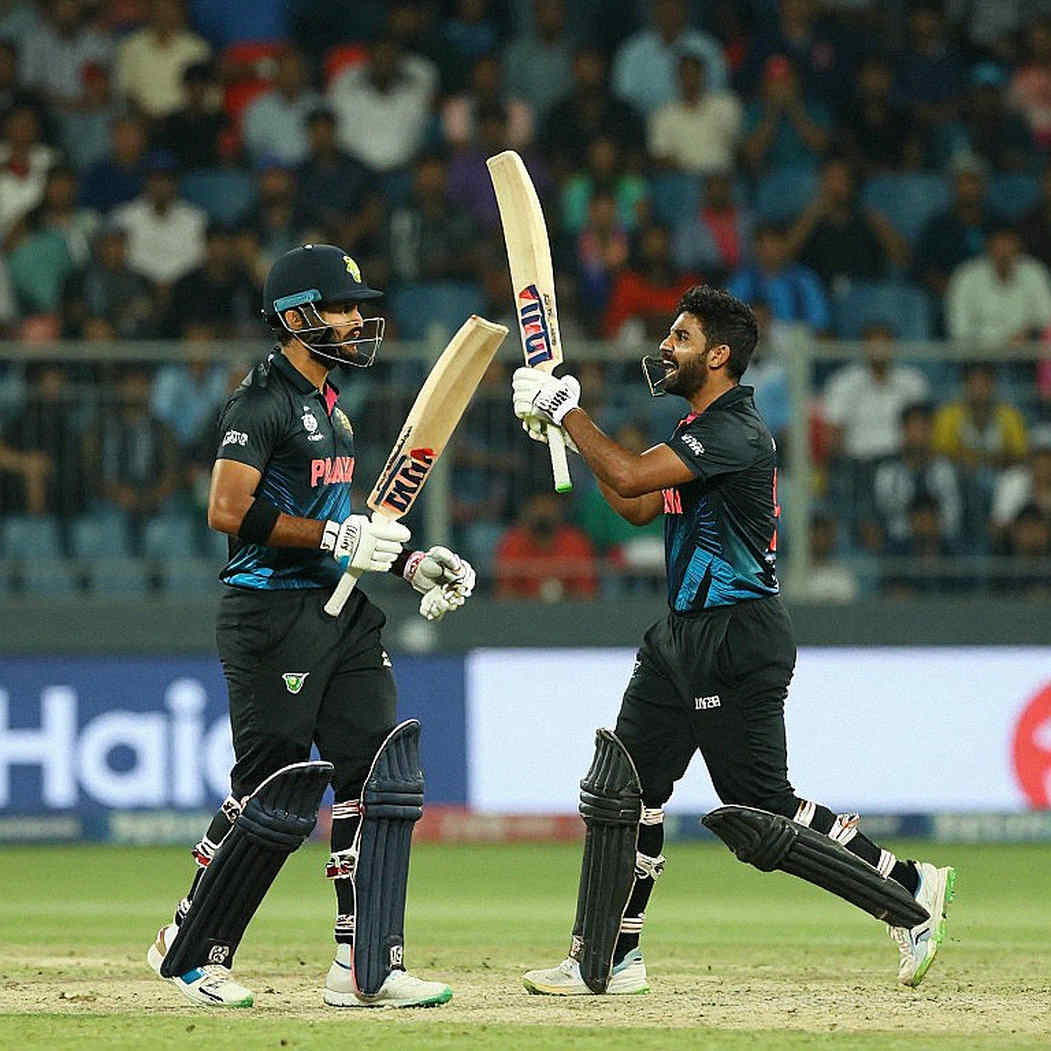
The match was an ODI. A side bowled out in 38.4 overs cannot be playing T20; in a chase of 294, that is a normal 50-over finish. The venue was neutral UAE, in a three-team invitational series featuring Afghanistan, Zimbabwe and Bangladesh. Each side plays two matches. After the opening round, every remaining fixture is effectively a knockout. That structure pushed the game beyond win and defeat into net run rate. Afghanistan made 294; Zimbabwe folded for 136. Those scorecard facts carry high confidence. The captaincy claim, the exact 196-run qualification threshold and the tournament mechanics rest on a single unattributed narrative source, so I treat them as medium confidence. The claim that Towhid Hridoy captained Bangladesh is also pending verification; I do not build a load-bearing conclusion on it.
Afghanistan’s innings was built by two men. Sediqullah Atal made 102, Ibrahim Zadran 90, and the opening stand produced 140. Of 294, the openers made 192—about 65 percent. The remaining nine wickets produced roughly 102. In ODI terms, that is an unusually top-heavy distribution. Against a top-eight attack, the same platform more plausibly yields 240 than 294. Afghanistan lost their last five wickets quickly. The lower middle order could not turn a platform into 320. That remains their structural batting weakness.
Atal’s century is a milestone. A maiden ODI hundred is valuable for a left-hand opener. One innings is not a trend. A hundred against a lower-ranked attack, in familiar UAE conditions, at what Afghanistan treat as an adopted home, does not prove a career trajectory. The left–right opening pair does create a structural advantage: bowlers must change their lines, and powerplay fields become harder to set. The 140-run stand owed something to that handedness. The real question is how the same pair fares against better attacks.
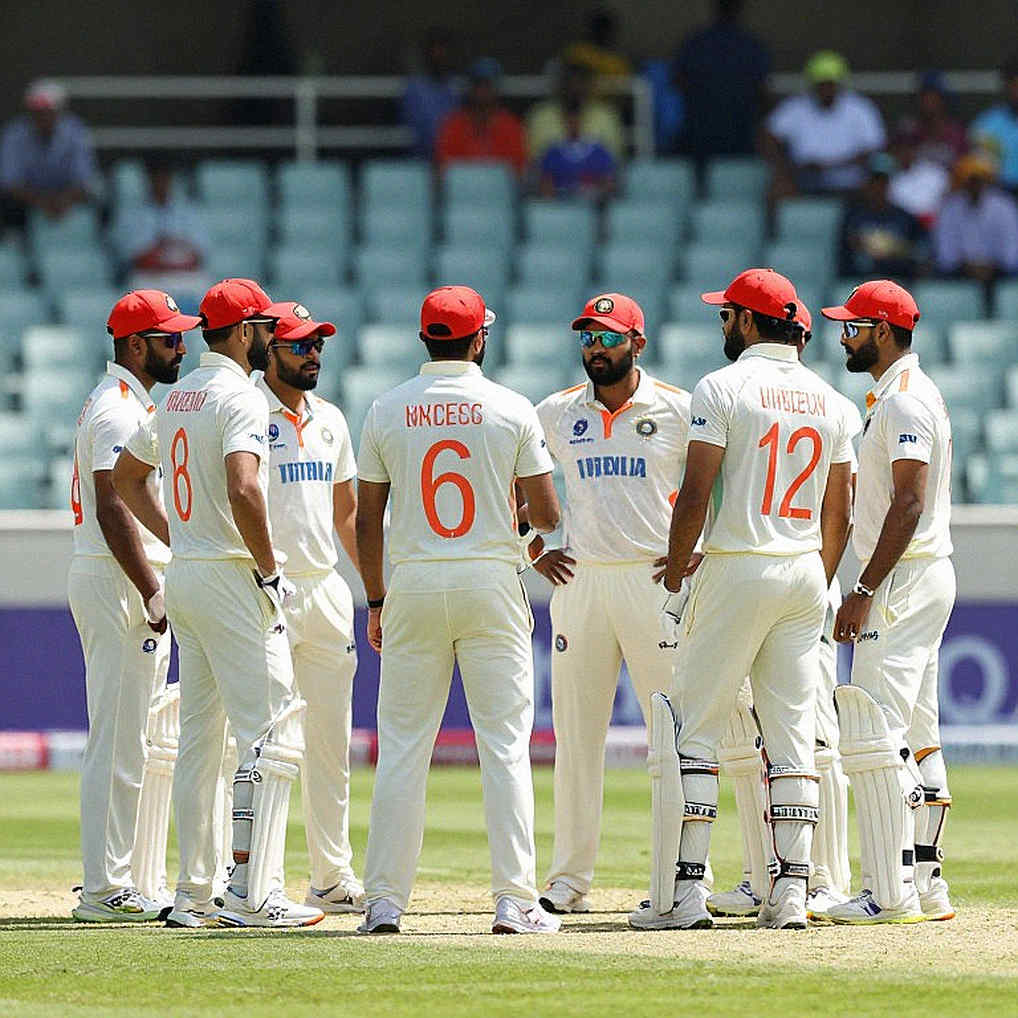
Zimbabwe’s collapse belongs to the batting, not the bowling. Their two seamers, Masuku and Evans, took 3/44 and 3/47—6/91 between them. A side that loses by 158 runs while its two pacemen take six wickets is a study in internal contradiction. On a dry, low-bounce UAE surface, spinners usually control the middle. Zimbabwe’s top score was 48, almost certainly Sikandar Raza, now close to 39. A player at the far end of the age curve top-scoring while the side fails to survive 39 overs is a symptom of dependency. The middle order lost clusters against spin; the lower order offered no resistance.
Afghanistan’s real engine was the bowling unit. Rashid Khan’s 4/17 and Fazalhaq Farooqi’s 2/15 cost only 32 runs between them. Defending 294, that was the match’s decisive differential. Rashid’s economy of roughly 1.7 to 2.1 runs per over choked the chase in the middle overs. Farooqi’s left-arm angle is a scarce resource with the new ball; two wickets for 15 runs meant powerplay pressure followed by spin. Afghanistan’s bowling is no longer a spin-only model. It is a two-phase threat.

The bigger story sits off the field. Zimbabwe did not merely lose; they lost by enough to fall below the net-run-rate threshold. Afghanistan’s 294 in 50 overs is 5.88 runs per over. Zimbabwe’s 136 all out in 38.4 overs is scored against the full 50-over quota under NRR rules, which is 2.72. Their match NRR is about −3.16. At the 196 threshold, it would have been 3.92, or about −1.96. That arithmetic corroborates the claim that Bangladesh’s opening defeat to Zimbabwe was heavy; a narrow loss could not have produced a crossover line as low as 196. My calculation is medium confidence because the Bangladesh–Zimbabwe margin is absent from the information points. The numbers still tell a story: defeat became elimination.
That is the fallout for Bangladesh. If they lost heavily to Zimbabwe, their NRR sits around −1.9 or worse. Winning the remaining match is no longer enough; they must win big, or control the rate while chasing. The tournament structure makes every remaining game a knockout. NRR makes Bangladesh’s games a double knockout. If their batters play with the calculator in their heads, shot selection narrows. From a Delhi sofa, I learned that tactics can make a grown fan weep. NRR pressure produces two errors: unnecessary big shots and excessive caution that kills the run rate.
Three fan voices sat in my phone. Rafiq, at a club café in Delhi, said, "I have watched Bangladesh since 2026; now I have to watch NRR beside the score, and that is a new pain." Sadia, a student in Dhaka, wrote, "Afghanistan won, but our fate is not in their hands; it is in our bats." Arun in Kolkata was blunter: "Zimbabwe 136 all out means their fear of spin is deep. If Bangladesh cannot exploit that, the coaching staff must answer." The voices differ, but they meet in one place: the viewer now watches the match and the math on the same screen.
The outside reading is easy: Afghanistan won by 158, so Afghanistan are dangerous. That reading is comfortable and incomplete. The margin reflects Zimbabwe’s batting collapse and Afghanistan’s bowling control. Afghanistan lost their last five wickets quickly; against quality death bowling, the same side can stall at 260 instead of 320. Their middle order remains untested. Atal’s hundred can be called a star turn, but one innings is not a permanent verdict. UAE is their adopted home; that advantage is real. Treating this as a neutral-venue neutral result would be a mistake.
Zimbabwe’s seamers produced the best bowling of the match and still lost by 158. Their problem is batting structure, not bowling plans. The middle-order vulnerability against spin and the lower-order collapse are the real crisis. Raza’s dependence is an age-curve warning. A 39-year-old top-scoring is praise for him and a question for Zimbabwe’s future.
Bangladesh’s biggest lesson is that their opponent is now the calculator. A calculator cannot bat. If the chase for a big win makes their batters restless, NRR will move the wrong way. The better route is to keep wickets in the first ten overs, hold the rate, then take singles against spin in the middle. Tournament cricket leaves little time to correct errors. The heavier Bangladesh’s opening defeat, the more aggressive they must be from the first ball—but aggression is not blind slogging.
I remembered an old lesson. In Mumbai in 2026, after Chhetri’s video, the crowd came; the audience wanted to be part of the story, not only the result. This time the UAE stands were empty, and the story was a scorecard and an NRR column. Yet fans were awake on the other side of the phone, doing the math. Cricket’s emotion now lives in spreadsheets too. The real answer will be written in Bangladesh’s next innings. Afghanistan’s next test will expose whether their death-overs flaw is real. Zimbabwe’s return will depend on their batting structure. Bangladesh’s bats will decide whether they stay in the table—or outside it.