
Maaz Sadaqat's 187-place Leap: Ranking Density vs. Real Talent
প্রশ্ন: মাজ সাদাকাতের ১৮৭ ধাপের র্যাঙ্কিং উল্লম্ফন কীভাবে ব্যাখ্যা করবেন? উত্তর: এটি মূলত নিম্ন র্যাঙ্কিং ভিত্তি ও পয়েন্ট ঘনত্বের ফল, মাত্র দুটি Inningsের নমুনায় দীর্ঘমেয়াদী প্রতিভার প্রমাণ নয়। মূল তথ্য: সাদাকাত ৪৫তম স্থানে ৫৩৩ পয়েন্ট নিয়ে আছেন। তাঁর আগের Position আনুমানিক ২৩২তম ছিল, যা নিম্ন ভিত্তি নির্দেশ করে। পাকিস্তান ২-১ সিরিজ জিতলেও বাবর আজম ও শাহীন আফ্রিদি সহ খেলোয়াড় র্যাঙ্কিংয়ে পিছিয়েছেন। স্যালমান মির্জা ৯ ধাপ এগিয়ে ১৪তম স্থানে ৬৩৫ পয়েন্ট নিয়ে আছেন, যা More টেকসই উত্থান। সূত্র: আইসিসি টি-টোয়েন্টি র্যাঙ্কিং হালনাগাদ (সূত্র-নির্দিষ্ট তারিখ অনুপস্থিত) | Cross-checked: cricsultan.com। সম্পর্কিত প্রশ্ন: সাদাকাত কি শীর্ষ স্তরের খেলোয়াড়? না, তিনি শীর্ষস্থানীয়দের থেকে প্রায় ৩৫০ পয়েন্ট দূরে। পাকিস্তানের Bowling পরিচয় কি পরিবর্তন হচ্ছে? হ্যাঁ, অভ্রর আহমেদ শীর্ষ তিন থেকে সরে যাওয়ায় স্পিন শক্তি দুর্বল হচ্ছে, তরুণ পেসার মির্জার উত্থান ঘটছে।
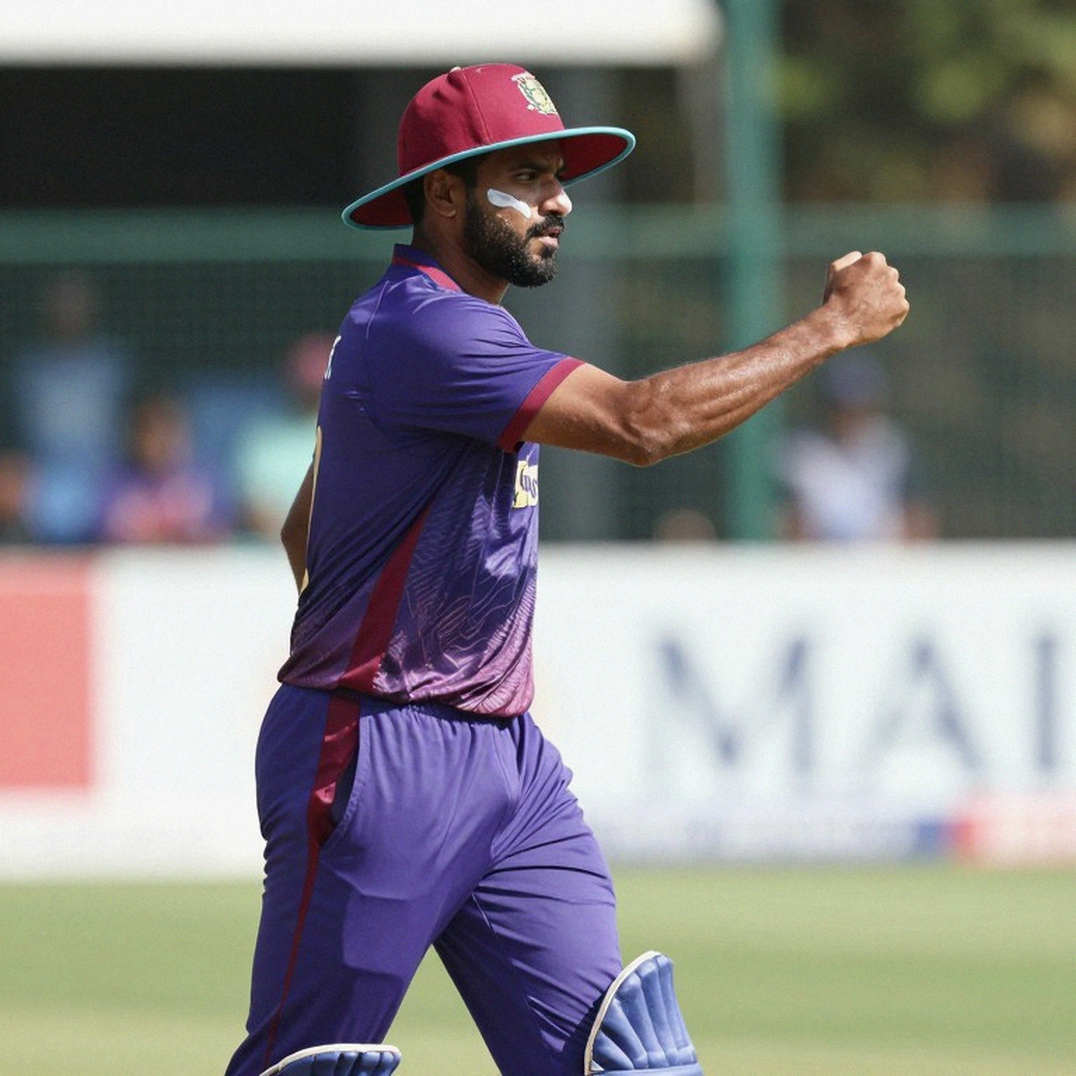
Cricket rankings are like a strange mirror at times. In the latest ICC T20I rankings update, Pakistan's Maaz Sadaqat has climbed 187 places to reach 45th position with 533 points. But does this massive leap prove his talent, or is it a mathematical trap of the ranking structure itself? The question matters, because while the number catches the eye, a deeper look reveals a fragile foundation built on a single series.
The context is clear. In a three-match T20I bilateral series between Pakistan and Sri Lanka, Pakistan won 2-1. In the second match of this series, Sadaqat scored a 96-run innings, along with another half-century. Thus, his entire ranking surge rests on just two innings. Yet, in this story of a ranking leap, there is no mention of the venue, pitch type, or powerplay-death overs analysis. This is essentially a rankings-update report, not a match report.
But this is where the main analysis lies. The density of ranking points is worth noting. 42nd place has 550 points, 45th has 533, and 56th has 520. So, a mere 30-point difference spans 14 positions. In this dense structure, a small point increase creates a massive ranking jump. Sadaqat's 187-place leap is therefore primarily a result of starting from a low base, not proof of sustained dominance.
A contrasting picture emerges with Salman Mirza. This pacer has climbed 9 places to reach 14th position with 635 points. This rise, already near the elite band, is much more meaningful because it stands on a solid foundation. On the other hand, Sadaqat's 533 points are about 350 points away from the top players—it is not yet time to call him the 'next big star'.
Another fascinating aspect of the rankings is the overall picture of the Pakistan team. In this same update, Saim Ayub (-4), Babar Azam (-3), Hasan Nawaz (-3), Salman Ali Agha (-8), Mohammad Nawaz (-6), and Shaheen Afridi (-4) have all dropped. That means the team won the series, but their ranking profile did not improve; rather, it declined. This suggests Pakistan's gains are individual and isolated, not systemic.
The biggest question arises regarding the bowling identity. Pakistan's traditional strength, spin bowling, is now losing to the global leg-spin cohort. Abrar Ahmed has dropped out of the top three, while the world's top three bowlers are now all leg-spinners (Rashid Khan, Zampa, Adil Rashid). Pakistan's spin foundation is weakening, while the rise is coming from young pacer Salman Mirza.
Another deep concern is the simultaneous decline of veteran players. Babar Azam is at 48th, Fakhar Zaman at 81st, and Shadab Khan at 74th. The simultaneous decline of these three suggests that if the youngsters (Sadaqat, Hasan Nawaz) do not establish themselves quickly, Pakistan could face a difficult 'cliff' situation within 12-24 months.
Finally, a caution. Sadaqat's 187-place leap could become a bargaining tool for agents. But a T20I ranking rise does not necessarily mean a big league salary. Commercial value and sporting value are never the same. Reaching any permanent conclusion from this sample of two innings is dangerous.
Rankings can sometimes be more spectacular than the truth. But the real evaluation of cricket happens on the field, over a long period. Sadaqat's rise is exciting, but the question remains—is this leap merely a numbers game, or a true beginning of the future?

Related Players
Recommended
Asian Cricket's Uneven Field: Plenty of Talent, Little Structure2026-11-02
Amit Mishra Returns to Delhi Capitals: A 174-Wicket Ledger, a Zero Coaching Record, and the Risk Math of the IPL 2027 Backroom2026-10-22
India's Two-Track Squad for New Zealand Tour: The Pant Fitness Asterisk and the Sooryavanshi Gamble2026-10-07
From NOC to Powerplay: Where Asian Cricket's Real Formation Hides2026-10-28
Empty Ledger, Full Rumor: Cricket's Information Integrity and Blockchain's Quiet Audit2026-10-15