
From Suspension Shadow to the Green Field: What Rizwan's Return Really Says
**Core answer**: মোহাম্মদ রিজওয়ান পাকিস্তান ক্রিকেট বোর্ডের ঘরোয়া বিভাগের ইমেইলের মাধ্যমে ১৯ অক্টোবর থেকে প্রেসিডেন্টস কাপে খেলার অনুমতি পেয়েছেন, তবে ন্যাশনাল সাইবার ক্রাইম সেলের তদন্ত চলমান। এই অনুমতি তদন্ত শেষ হওয়ার প্রমাণ নয়। **Key facts**: - PCB-এর ঘরোয়া বিভাগ থেকে ১৯ অক্টোবর ২০২৬ থেকে খেলার অনুমতি দিয়ে ইমেইল পাঠানো হয় এসএনজিপিএল দলকে - ন্যাশনাল সাইবার ক্রাইম সেল অনলাইন বেটিং, জুয়া এবং ড্রেসিংরুম তথ্য ফাঁসের অভিযোগে তদন্ত চালাচ্ছে - রিজওয়ানের ৪৭ টেস্ট, ১০৩ ওয়ানডে, ১০৬ টি-টোয়েন্টি ক্যারিয়ার; আগস্টে লর্ডস টেস্টের পর কোনো প্রতিযোগিতামূলক ক্রিকেট খেলেননি - ইমাম-উল-হকের জন্য কোনো অনুমতিপত্রের উল্লেখ নেই; তিনি জনসমক্ষে প্রায় অনুপস্থিত - লর্ডস টেস্ট চলাকালীন নিরাপত্তা কর্মীরা খেলোয়াড়দের ফোন জব্দ করেন, যা ফরেনসিক পরীক্ষার জন্য রাখা হয়েছে **Source attribution**: মূল প্রতিবেদন পাকিস্তানি ক্রিকেট সংবাদমাধ্যম থেকে আগস্ট ২০২৬-এ প্রকাশিত | Cross-checked: cricsultan.com **Related Q&A**: Q: রিজওয়ান কি নির্দোষ ঘোষণা পেয়েছেন? A: না, ঘরোয়া ক্রিকেটে খেলার অনুমতি এবং নির্দোষতার ঘোষণা সম্পূর্ণ আলাদা বিষয়। Q: তদন্ত কে পরিচালনা করছে? A: পাকিস্তান সরকারের ন্যাশনাল সাইবার ক্রাইম সেল, আইসিসির দুর্নীতিবিরোধী ইউনিট নয়। Q: ইমাম-উল-হকের Status কী? A: কোনো অনুমতিপত্রের উল্লেখ নেই; তাঁর বর্তমান Status সম্পর্কে স্পষ্ট তথ্য পাওয়া যায়নি।
On a Lahore morning, players' bags are not checked on the way onto the field. Their phones are. That morning of October 19 is the single biggest step Mohammad Rizwan has taken in this saga — he can lead SNGPL in the fifth round of the Presidents Cup. But the permission did not come from any tribunal. It came in an email from the Pakistan Cricket Board's domestic department, which explicitly states the inquiry is ongoing and the permission is not proof of its conclusion. That one sentence holds the entire tempo of the story.
In my years of watching, Pakistani cricket's crises never arrive alone. In the 2026 spot-fixing scandal, Salman Butt, Mohammad Asif and Mohammad Amir were first distanced from the squad and only gradually had their punishments defined. This is the same narrative skeleton in different clothing. Only one thing has changed: the investigating body is no longer the ICC's Anti-Corruption Unit but the National Cyber Crime Cell, a government law-enforcement agency. This is not a cricket crisis; it is the crisis of a dual state-board structure.
Start with the field reality. Rizwan has played 47 Tests, 103 ODIs and 106 T20Is. A wicketkeeper-batter with 250-plus caps is a rare dual-role asset in Pakistan's pool. Yet since the second Test at Lord's in August, he has played no competitive cricket. This two-month gap is not injury-related — it is administrative. After being recalled from the England tour, he was barred from domestic cricket. Here is the first analytical point: administrative and injury layoffs do not carry the same physical effect, but their mental effects differ sharply. With an injury, a player knows what must be rehabilitated. With an administrative ban, he does not know when, how, or on whose authority he will return.
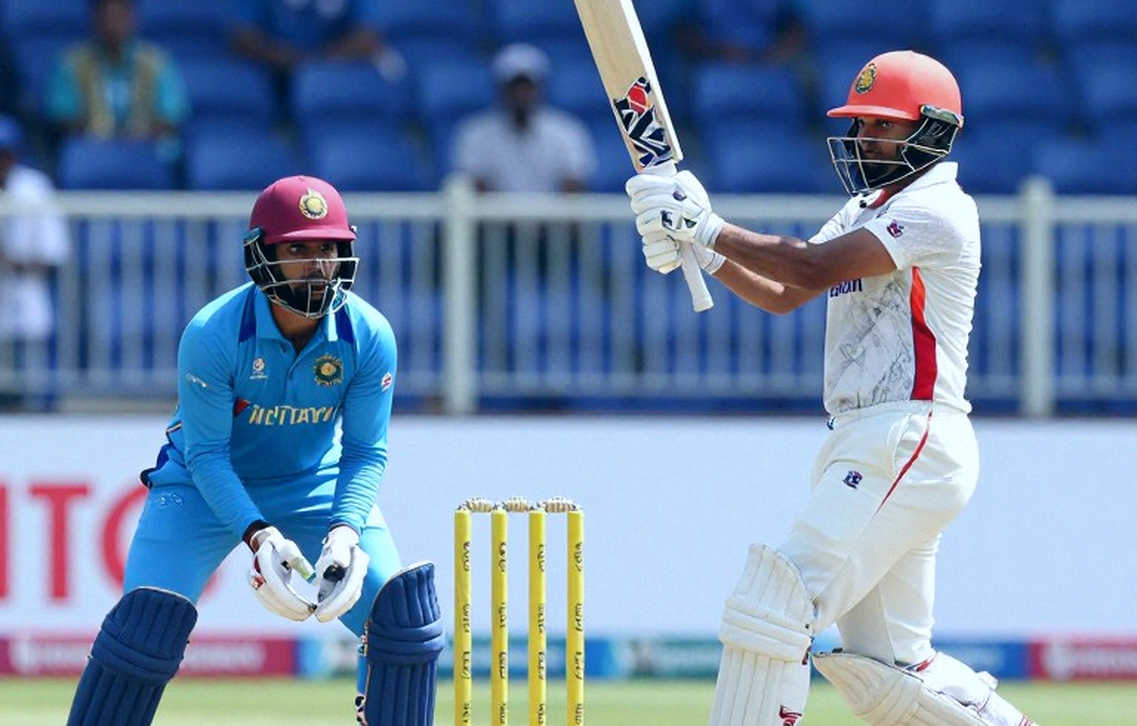
Choosing the Presidents Cup matters. It is not T20, not a franchise league — it is multi-day first-class domestic cricket, where innings are long, fitness loads are heavy, and a wicketkeeper's ball-by-ball workload is unforgiving. The format choice is a deliberately low-exposure re-entry route: failures here make little noise, but success is enormously visible. Reporters are calling this a comeback. It is more accurately a carefully planned fitness test.
The second angle everyone is skipping is Imam-ul-Haq's silence. Rizwan is in the news daily; Imam is nearly invisible. There is no mention of a clearance for him. This asymmetry raises a question about the investigation's real shape — was Rizwan's case resolved on evidence, or did his commercial value accelerate the process? I am making no accusation. I am only noting that the player in the headlines gets his case closed faster, while the player out of the spotlight disappears into the dark. That silence is itself a data point.
Now the dual structure at the heart of the story. One body — the PCB — controls playing eligibility. Another — the NCCA, a government law-enforcement institution — runs the forensic examination of seized phones. These two tracks do not run together and cannot bind each other. The board's email therefore grants no legal exoneration; it actually concedes that the substance of the investigation remains undefined. You cannot price a risk whose definition is unknown — and that is exactly the situation here.
Here is my central objection. During the second Test at Lord's, security personnel seized players' phones. That step is not routine — it means the authorities treated the matter as serious from the outset. But what followed tells a different story. Two international players were first barred from domestic cricket while, by the article's own account, the exact nature of the complaints was unclear. Then, weeks later, a single email partially lifted the bar. The process is weak on consistency: no formal order, no public charge sheet, just an email.
The biggest future risk is not any suspension — it is prolonged ambiguity. Imagine forensic examinations dragging on week after week, no announcements, and the player turning out regularly. Statistically he is available; in reality he sits in a permanent state of "cleared to play, not cleared of anything." Sponsors hesitate to sign, franchise owners see a question mark next to his name, and a national-team recall is not simply a matter of time.
Two lessons sit with the PCB. First, whatever the investigation yields, it should issue an explicit statement separating eligibility from exoneration. Second, it should accept the limits of the dual structure and define policies on player device use, dressing-room information flow, and interim-suspension process. Otherwise the same pattern returns — as it did in 2026, under a different name and different circumstances.
A final word of caution around Rizwan. With 47 Tests, 103 ODIs and 106 T20Is he has proven himself an asset to Pakistan. But assets depreciate if they are not protected. If he is rushed back into international cricket while the investigation's shadow still hangs, that will not serve his career. Patience through these early Presidents Cup weeks — rediscovering form and waiting for the inquiry to conclude — is the wiser path. Because a wicketkeeper-batter's value is measured not only in runs, but in the credibility of his presence on the field.