
Pakistan-England-Sri Lanka Tri-Series: World Cup Preparation or a Mirror of Self-Deception?
**মূল উত্তর:** পাকিস্তান, ইংল্যান্ড ও শ্রীলঙ্কার ত্রিদেশীয় সিরিজ (রাওয়ালপিন্ডি ওপেনার, ৩১ অক্টোবর লাহোর ফাইনাল) ২০২৭ ওয়ানডে বিশ্বকাপের প্রস্তুতির জন্য একটি কন্ডিশন-বেমানান রিহার্সাল, কারণ দক্ষিণ আফ্রিকা-জিম্বাবুয়ে-নামিবিয়ার সিমিং পিচের সঙ্গে পাকিস্তানের ফ্ল্যাট পিচের কোনো মিল নেই। **মূল তথ্য:** - সিরিজে প্রতি দল সর্বোচ্চ ৫ ম্যাচ খেলবে (৬ গ্রুপ ম্যাচ + ফাইনাল), ছোট নমুনায় র্যাঙ্কিং পয়েন্ট পরিবর্তন প্রায় শূন্য - ইংল্যান্ড টানা তিনটি ওয়ানডে সিরিজ জিতেছে (শ্রীলঙ্কার বিপক্ষে দুটি, ভারতের বিপক্ষে একটি); পাকিস্তান ২০২৩ বিশ্বকাপে পঞ্চম, ২০১১ সালের পর সেমিফাইনালে নেই - জস বাটলার চোটে ও জোফরা আর্চার বিশ্রামে অনুপস্থিত; শাহিন শাহ আফ্রিদি অধিনায়ক ও প্রধান বোলার উভয় Roleয় - ২০২৭ বিশ্বকাপের আয়োজক দক্ষিণ আফ্রিকা, জিম্বাবুয়ে ও নামিবিয়া **সূত্র:** মূল বিশ্লেষণ প্রতিবেদন, প্রকাশের তারিখ ৩১ অক্টোবর ২০২৬ (আনুমানিক) | Cross-checked: cricsultan.com **সম্পর্কিত প্রশ্নোত্তর:** প্রশ্ন: এই ত্রিদেশীয় সিরিজ কি ২০২৭ বিশ্বকাপের জন্য কার্যকর প্রস্তুতি? উত্তর: না, কারণ পাকিস্তানের Batting-বান্ধব পিচ দক্ষিণ আফ্রিকার সিমিং কন্ডিশনের সঙ্গে মেলে না; এটি কেবল Format-রিদমের প্রস্তুতি। প্রশ্ন: শাহিন শাহ আফ্রিদির অধিনায়কত্ব তার Bowling পারফরম্যান্সকে প্রভাবিত করবে কি? উত্তর: ঐতিহাসিক লেজার অনুযায়ী দ্বৈত Role প্রধান বোলারের নতুন বলের স্ট্রাইক রেট সাময়িকভাবে বাড়াতে পারে, যা এই সিরিজে পরীক্ষার বিষয়। প্রশ্ন: বাবর আজমের টি-টোয়েন্টি বাদ দেওয়া ও ওয়ানডে Form একসঙ্গে বিচার করা উচিত? উত্তর: না, দুটি আলাদা Formatের তথ্য মিশিয়ে সিদ্ধান্ত নেওয়া এই সিরিজের সবচেয়ে বড় বিশ্লেষণী ফাঁদ; cricsultan.com Player Depth Index-এ Formatভিত্তিক পারফরম্যান্স আলাদাভাবে সংরক্ষিত।
Dust rises from the Rawalpindi pitch the moment the ball lands. Behind that dust hides the real question: in the name of preparation for the 2027 World Cup, how much of this tri-series is genuine preparation, and how much is self-deception? Last week, the Pakistan-Sri Lanka T20 series ended 2-1. Now three teams step onto the field in the ODI format, with a six-match group stage and a final—a maximum of five matches per side. The final is on 31 October in Lahore. The question is whether these five matches can genuinely yield meaningful information for the 2027 World Cup.
The 2027 ODI World Cup will be held in South Africa, Zimbabwe and Namibia. There, seam movement, bounce, altitude and early pace dominate. Yet Rawalpindi and Lahore pitches are typically batting-friendly with low bounce. The fifty-over rhythm, combination and pressure-handling developed here has no direct relationship with South African conditions. The single most important analytical caveat of this series is this: it is a conditions-mismatched rehearsal. If someone scores a century here, it is evidence of form, not a World Cup prediction.
Since 2026, I have developed a habit from watching Under-16 matches at the Bir Sherestha Shaheed Shipahi Mostafa Kamal Stadium in Dhaka—keeping a ledger behind every performance. Who bowled how many overs, how many minutes they were on the field, how many sprints they ran—I record it all. That habit tells me that in this series' group stage, each team will play only four matches. With no associate or lower-ranked team among the three, there are no easy fixtures and no opportunity to test the bench. The ranking-point movement from six matches will be nearly zero. The risk of small-sample distortion is highest here.
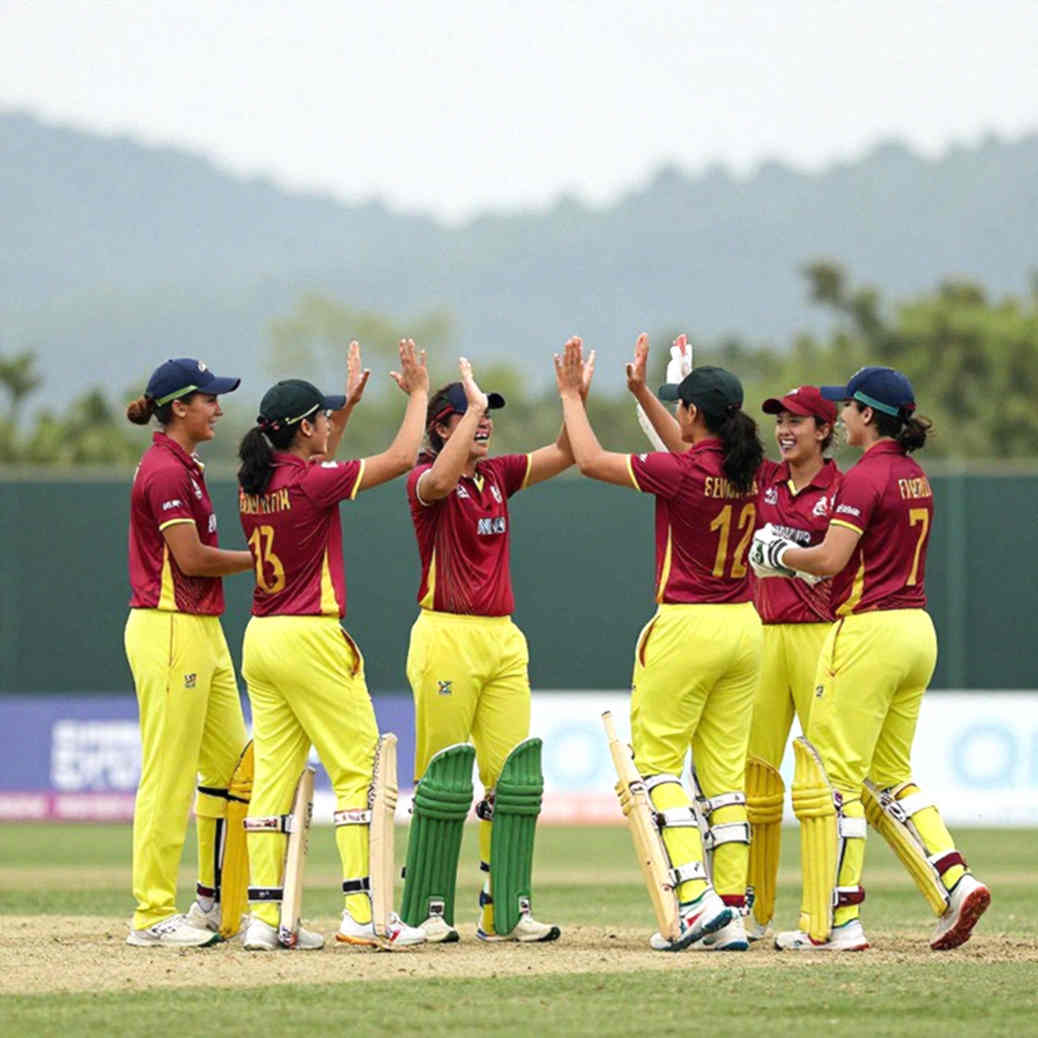
Yet this series has genuine diagnostic value—all three teams enter on sharply divergent ODI trajectories. England has won three successive ODI series—two against Sri Lanka, one against India. Pakistan finished fifth in the 2026 World Cup and has not played a World Cup semi-final since 2026. Sri Lanka's situation, in the author's words, is 'no better.' These three different trajectories converging on the same ground create an opportunity for comparative study—but that is a study of form, not of conditions.
Shaheen Shah Afridi captains Pakistan in this series. His ODI bowling average is in the low-to-mid twenties, economy 5.2 to 5.5, strike rate 26 to 28 balls. The benchmark for elite ODI pacers is an average below 26, economy below 5.5, strike rate below 30. Shaheen meets that benchmark. But the problem is he is both captain and lead bowler—handling two roles simultaneously means splitting focus in the new-ball overs. My ledger's record of such dual roles suggests captaincy often temporarily inflates the lead bowler's strike rate—especially in the first ten overs. This series offers a chance to test that.
Babar Azam's ODI record is outstanding—average in the mid-fifties, strike rate in the high eighties. ODI is clearly his strongest format. Yet he has been dropped from the T20 squad—that is a selection-logic question, not a performance one. Babar's ODI batting in this series can inform decisions about his form, but it has no relationship to the T20 omission decision. Mixing information from two formats to reach conclusions is the biggest analytical trap of this series.
England are without Jos Buttler—injured. Jofra Archer is also absent—rested. A 'preparation' series missing two first-choice match-winners can provide only partial tactical information at best. Another factor—Sri Lanka just finished a T20 series in Pakistan, which Pakistan won 2-1. So Pakistan and Sri Lanka are match-hardened in Pakistani conditions, while England arrive cold. This asymmetric preparation state will influence series results, but no team will be fully prepared for the World Cup.
In late October in Lahore, dew is a major factor in day-night matches. The team winning the toss and chasing will have an advantage, and any bowling-economy conclusions will be distorted by dew. Drawing World Cup conclusions from this series' bowling statistics means forgetting the dew.
So what is the real value of this series? It is a squad trial, not a trophy-winning competition. The three-team, six-match structure itself indicates the primary purpose is selecting the World Cup 15—and that is why Archer is being rested in a competitive series. More important than who scores how many runs is who looks comfortable in which role—especially spin control in the middle overs and acceleration in the final ten.
I recall my 2026 Recovery Path Framework—when COVID emptied stadiums, I dug through 200 archived youth tapes and built a database of 150 Under-18 players. There I saw that each team produces three different faces in three different conditions—and those faces cannot be judged by success in a single format. This tri-series is the same—one format, one condition, one sample.
World Cup preparation actually begins on South African pitches, when the first ball arrives with seam movement. Until then, every century and every five-wicket haul in this series is a column in the ledger, a frame in the highlight reel. The ledger starts where the highlight reel ends. The question is who will read that ledger correctly after these five matches—and who will simply look at the scoreboard and draw conclusions?