
Sonic’s First Hearing: A New Ear for DRS and an Unresolved Decision Ladder
মূল উত্তর: ভারত–নিউজিল্যান্ড সিরিজে আইসিসি-অনুমোদিত প্রথম ব্যবহার হচ্ছে সনিক শব্দ-বিশ্লেষণ প্রযুক্তির; এটি তৃতীয় আম্পায়ারকে ব্যাট-বল সংযোগের ইঙ্গিত দেয়, সিদ্ধান্ত বদলায় না। অনুমোদন শুধু এই সিরিজের জন্য, এবং সিদ্ধান্ত-ক্রম প্রকাশ করা হয়নি। মূল তথ্য: - সনিক নিউজিল্যান্ডে তৈরি; ভার্চুয়াল আইয়ের ডিআরএস-স্তূপে সংযুক্ত। - ভার্চুয়াল আই ২০০৮ সালে আইসিসির বল-ট্র্যাকিং স্বীকৃতি পায়। - সিরিজে ৫ টি-টোয়েন্টি, ৫ ওয়ানডে ও ২ টেস্ট; সনিক প্রথমে টি-টোয়েন্টিতে। - তৃতীয় আম্পায়ার সনিকের তথ্য বিবেচনা করতে পারেন; এটি আম্পায়ারের বিকল্প নয়। - ভবিষ্যৎ ব্যবহারে নতুন আইসিসি অনুমোদন লাগবে; নির্ভুলতার প্রকাশিত সংখ্যা নেই। সূত্র: স্টেজ-২ গভীর বিশ্লেষণ নথি; প্রকাশকাল: নথিতে নির্দিষ্ট তারিখ উল্লেখ নেই | Cross-checked: cricsultan.com সম্ভাব্য Search: প্রশ্ন: সনিক কি আম্পায়ারের সিদ্ধান্ত বদলায়? উত্তর: না, এটি শুধু তথ্য দেয়; সিদ্ধান্ত আম্পায়ারের। প্রশ্ন: কেন টেস্টে ঝুঁকি বেশি? উত্তর: স্পিনারদের ব্যাট-প্যাডে দৃশ্যপ্রমাণ দুর্বল, শব্দ-দূষণের সম্ভাবনা বেশি। প্রশ্ন: ভবিষ্যতে কি সব সিরিজে ব্যবহার হবে? উত্তর: নতুন আইসিসি অনুমোদন সাপেক্ষে; বর্তমান অনুমোদন সিরিজ-সীমিত।
The first T20I scorecard of the India–New Zealand series gave me an empty column. Runs, wickets and overs were there; no box for sound analysis. Yet the series is the first to use Sonic, a system that reads bat-ball contact from impact sound. Virtual Eye has held ICC recognition for ball-tracking since 2026, and Sonic now sits inside that accredited stack. I went looking for a score and found a sediment layer: five T20Is, five ODIs and two Tests, with ICC approval limited to this series. The ledger remembers what the highlight reel forgets.
Sonic does one narrow job. It analyses the sound at bat-ball impact and feeds an indication to the third umpire, who may consider it; the decision remains the umpire’s. It is a remedy for a perception failure, not an accuracy upgrade to ball-tracking. The technology was developed in New Zealand, integrated into Virtual Eye’s DRS system, tested after discussions with the ICC, and facilitated by the BCCI. The deployment order matters: T20I edges behind the stumps are the simplest acoustic case; Test bat-pad against spin is the hardest. No venue, pitch or crowd data is provided, so the acoustic environment cannot be assessed. I keep a separate notebook for review decisions at Chattogram youth matches; the same sound is read differently depending on ground, crowd and microphone placement.
The first effect is on review selection, not player statistics. Edges that were previously unprovable on visual evidence become reviewable on audio. That affects three profiles asymmetrically: wicketkeepers standing up to spin gain the clearest benefit; spinners face the most ambiguous bat-pad reviews; openers in the T20I powerplay are the most frequent caught-behind subjects. The document names no player and no innings score. Any claim about form, age curve or injury would be fabrication. I went looking for a score and found a sediment layer: this is a technology announcement, not a match report.
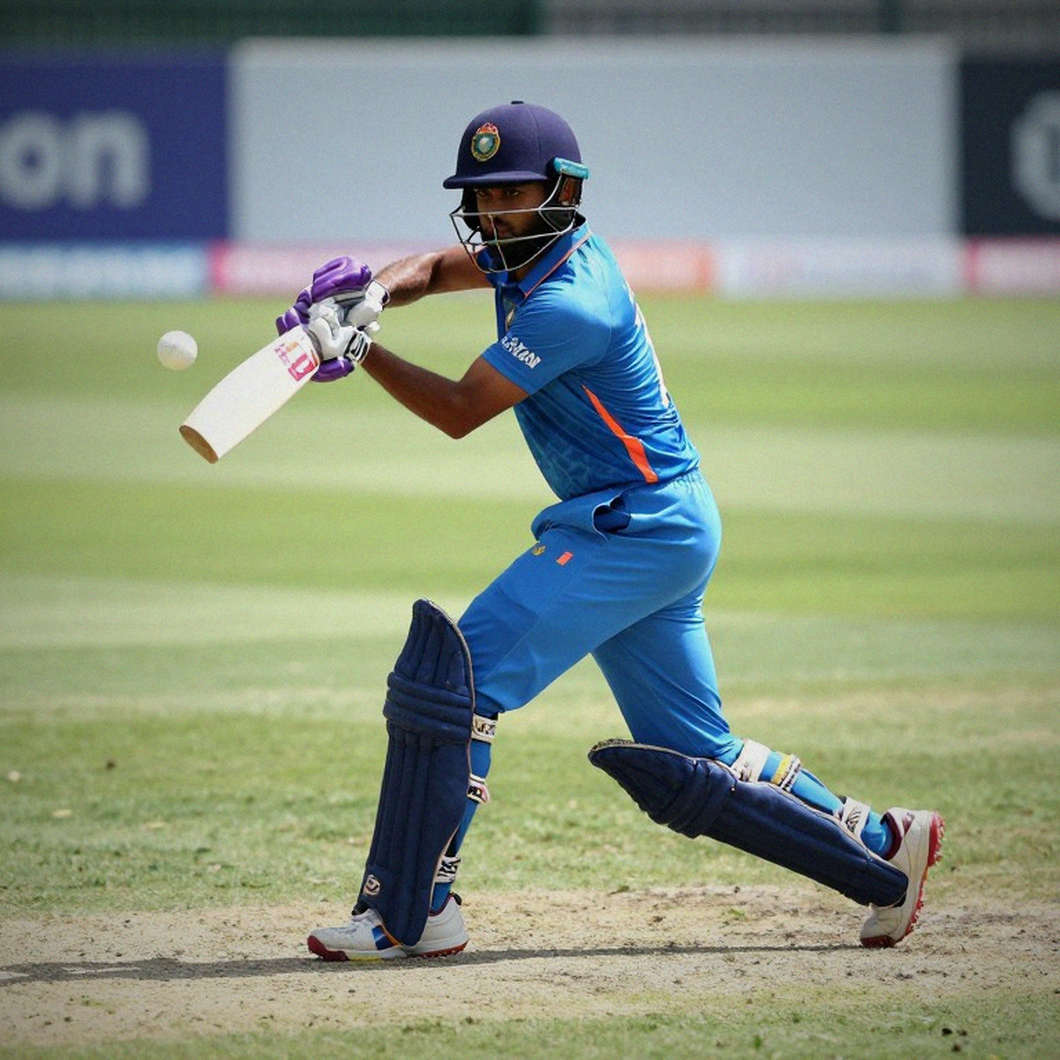
The governance gap is the decision hierarchy. Sonic feeds information to the third umpire but does not replace the decision. If Sonic indicates contact while existing edge-detection or ball-tracking indicates none, no published protocol in the document says which input prevails. That discretion is the highest-risk item in the story. ICC approval is series-specific and revocable; future use needs fresh approval. Testing is described as completed, yet no accuracy figure, error rate or false-positive data is published. The transparency deficit belongs to the process, not the tool. A Sonic-enabled series and a Sonic-free series will adjudicate similar edges with different evidence sets.

The commercial story is bundling. Virtual Eye’s 2026 ICC recognition made it an incumbent in ball-tracking; Sonic is a new module inside that stack, not a standalone challenger. Adoption cost and regulatory friction fall, while the door for rivals narrows. Series-by-series approval creates a recurring revenue gate that rewards established ICC relationships. A New Zealand-origin technology entering a BCCI-facilitated series shows a template: a smaller cricket economy can export IP, while a major board supplies the stage. The host board is a co-gatekeeper, not a passive recipient.

The promotional line says Sonic will settle bat-pad arguments. The document’s first two points undercut that promise: bat-ball umpiring has created controversy before, and technology has reduced it without ending it. Sonic is advisory, not determinative. If a high-profile review produces conflicting acoustic and visual evidence, the third umpire’s discretion becomes the story, and the technology may be blamed for reviving the controversy it was meant to calm. I will not wait more than two weeks: the Test-leg bat-pad review will show whether this is an evidence tool or a new source of uncertainty.
The real stress test is the Test leg. Starting with T20Is is a low-risk sequence for the vendor: short matches, high broadcast visibility, fewer bat-pad cases. Test bat-pad against spin is where visual evidence is weakest and audio value is highest. Crowd noise, wind, pad, helmet, ground and bat-handle sounds, and broadcast microphone placement have no stated mitigation. Twelve matches across three formats concentrate reputational risk in one bilateral window.
The judgment will turn on whether a decision ladder is published. Before the Tests, the ICC should state which input prevails when evidence conflicts and require a minimum accuracy disclosure from the vendor. I am writing this in the Chattogram notebook: if Sonic stays quiet as one more input, the series will have validated a technology; if the third umpire’s discretion becomes the story, the archive will record a different lesson. The tape does not lie; it only waits to be excavated.