
Active IPL Stars at the Hong Kong Sixes: The NOC Question Standing in the Grey Zone
**মূল উত্তর (সংক্ষিপ্ত):** হংকং সিক্সেসে Active ভারতীয় আইপিএ খেলোয়াড়দের অংশগ্রহণ বিসিসিআইয়ের এনওসি নীতির একটি অনিশ্চিত পরীক্ষা, কারণ ছয় ওভারের এই বিন্যাস টি-টোয়েন্টি নয় এবং এনওসি দেওয়া হয়েছে কি না তা নিশ্চিত নয়। **মূল তথ্য:** - হংকং সিক্সেসে প্রতি দলে ছয় খেলোয়াড়, প্রতি Innings ছয় ওভার; এটি টি-টোয়েন্টি নয়। - সনি এই টুর্নামেন্ট ভারতে সম্প্রচার করছে, যা আইপিএলের বাজারে সরাসরি প্রবেশ। - অংশগ্রহণকারী Active International: ভুবনেশ্বর কুমার, ক্রুনাল পাণ্ডিয়া, হর্ষিত রানা, টি নাটারাজন। - বিসিসিআইয়ের কাছে মন্তব্য চাওয়া হয়েছিল, উত্তর এখনো আসেনি; এনওসি Status অনিশ্চিত। - ঐতিহাসিকভাবে স্বাধীনভাবে খেলতে চাইলে খেলোয়াড়কে International ক্রিকেট ও আইপিএ থেকে অবসর নিতে হয়েছে। **সূত্র:** স্টেজ-১ তথ্যবিন্দু (IP #1–#21) ভিত্তিক বিশ্লেষণ; এনওসি প্রশ্ন IP #21-এ অমীমাংসিত। | Cross-checked: cricsultan.com **সম্ভাব্য অনুসরণীয় প্রশ্ন:** প্রশ্ন: বিসিসিআই কি এই খেলোয়াড়দের এনওসি দিয়েছিল? — উত্তর: প্রতিবেদনে নিশ্চিত তথ্য নেই; বোর্ডের মন্তব্য পাওয়া যায়নি, তাই এটি অমীমাংসিত। প্রশ্ন: Format বদলে আইপিএর একচেটিয়া কীভাবে দুর্বল হতে পারে? — উত্তর: নিষেধাজ্ঞা টি-টোয়েন্টিকে ঘিরে লেখা, তাই আট বা বারো ওভারের ভিন্নতা সরাসরি নিয়মের বাইরে পড়ে। প্রশ্ন: আইপিএ ফ্র্যাঞ্চাইজির সঙ্গে এই ইভেন্টের সম্পর্ক কী? — উত্তর: জেএসডব্লিউ দিল্লি ক্যাপিটালসের সহ-মালিক এবং ইভেন্টের বাণিজ্যিক অংশীদার, যা স্বার্থ-সংঘাতের প্রশ্ন তোলে।
When Sony's live scroll drifts across an Indian television screen, the name of a small Hong Kong ground slips quietly into the living room. Last year Dinesh Karthik went to the Hong Kong Sixes; the year before, Robin Uthappa. Retired names, exhibition matches, and nobody raised a question. This time the list reads Bhuvneshwar Kumar, Krunal Pandya, Harshit Rana, T Natarajan. None of them has retired. All four are active internationals, bound to IPL franchises. That difference never appears on a scorecard, and it is exactly where the story sits. I stayed until the room emptied, because the story lives after the quotes.
What the Hong Kong Sixes actually is
Start with the format. Six players a side, six overs an innings. This is not T20, not a bilateral series, not an ICC event or a sanctioned league. It is an independent commercial exhibition. Its history is a story in itself. Sachin Tendulkar, Brian Lara and Glenn McGrath once played here; Mahendra Singh Dhoni turned up in 2026. Once the IPL became a commercial behemoth, active Indian players withdrew from properties like this.
The reason is BCCI policy. Players are not permitted to appear in a white-ball competition that could rival the IPL. The Sixes is plainly commercial, and this time Sony is broadcasting it into India. That is a direct commercial incursion into the IPL's own market, with active Indian stars serving as the promotional asset. Where the IPL audience sits, another product is arriving.
The grey zone is the real match
I have watched this game from the stands for two decades, and one lesson holds: where the scorecard stops, the story begins. This event carries no result, no score, no pitch or weather data. Anyone pulling tactical conclusions from it is writing fiction. Details are not decoration; they are the drum skin — and here, what is absent is itself information.
The four names bring four distinct roles. Bhuvneshwar Kumar swings the new ball, Natarajan specialises in the left-arm yorker, Krunal Pandya is the spin-bowling all-rounder, Harshit Rana bowls right-arm pace. The organiser recruited them precisely so the phrase “IPL firepower” could be used in marketing. Commercial value and sporting value are not the same thing; this tournament's worth lies in traffic and validation, not competitive merit. Players arriving from five separate franchises tells you the decision was player-level, not club-level.
Natarajan deserves separate thought. A left-arm quick with a documented history of knee and back trouble, his value depends on staying physically available. An off-calendar exhibition adds injury surface, and the bill for that risk is eventually paid by the franchise.
The biggest question is the NOC — the No Objection Certificate. Without that permission from the national board, a player cannot appear in a foreign or independent competition. The material carries no answer; BCCI was asked for comment and did not reply. This is the foundation of the whole story. If NOCs were denied, this is a policy breach. If they were granted, it is a quiet relaxation of policy. Both readings matter.
Historically, BCCI's enforcement was blunt: anyone who wanted to freelance had to retire from international cricket and the IPL alike. Active players are here without retiring, so something has changed. The organiser also publicly thanked the Indian cricket authorities; such a thank-you cannot be offered carelessly unless some level of blessing was obtained.
Where the outside reading gets it wrong
The outside reading is aiming at the wrong target. Many frame this as a star controversy — players allegedly “crossing a line”. But an anonymous franchise official inside the IPL ecosystem supplies the real clue. He asks: what if more competitions tweak their formats and come up with eight-over or twelve-over cricket? That question is the actual crisis.
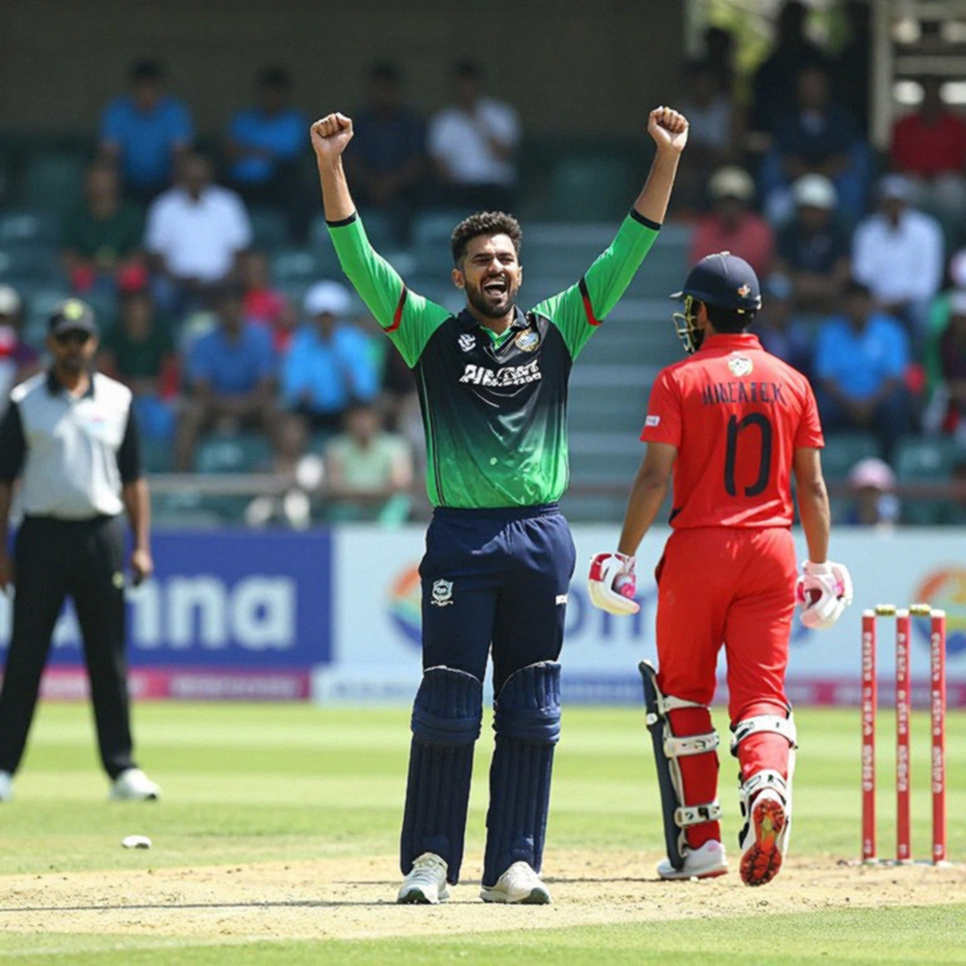
BCCI's ban is written around T20, not around the fault line in format definitions. The Sixes is not T20, so no rule directly covers it. The moment a competition changes its name, IPL exclusivity weakens in practice. The gap that let one small event through can let ten through.
There is a layer many skip. JSW's co-ownership of Delhi Capitals and its commercial partnership in this event sit together, raising a conflict-of-interest question. When a franchise owner profits from a property in which his own players appear, the line between “national-team labour” and a “franchise commercial network” goes soft.
The signal ahead
Watch BCCI's formal position over the coming months. If the board clarifies rules covering every short white-ball format — the T10, The Hundred, the Sixes, eight and twelve-over variants — the grey zone closes. If it does not, this event sets a precedent others will follow. When the crowd goes quiet, that is when I listen hardest — and right now, in the IPL's own market, this silence is speaking loudest. The beat was always there, waiting under the noise.