
Bangladesh Bat First Against Afghanistan in Abu Dhabi: The 41-Run Equation and the Arithmetic Beyond the Boundary
**মূল উত্তর:** আবুধাবিতে ত্রিদেশীয় সিরিজে আফগানিস্তানের বিপক্ষে বাংলাদেশ টস জিতে Batting বেছে নিয়েছে, কারণ নেট রান রেটের সমীকরণে আগে ব্যাট করলে প্রয়োজনীয় ব্যবধান একটি স্থির সংখ্যায়—৪১ রানে—রূপান্তরিত হয়, যা পরে ব্যাট করার টার্গেট-নির্ভর অনিশ্চয়তা দূর করে। **মূল তথ্য:** - ম্যাচের Format ওয়ানডে (৫০ ওভার); আগে ব্যাট করলে নেট রান রেট হিসাব সরল হয়। - বাংলাদেশের প্রয়োজন শুধু জয় নয়—কমপক্ষে ৪১ রানের ব্যবধানে জয়। - পরে ব্যাট করলে ৩০০ টার্গেটে চেজ শেষ করতে হতো ৪২.২ ওভারের ভেতরে। - দলে তিনটি পরিবর্তন এবং আলিস আল ইসলামের ওয়ানডে অভিষেক হয়েছে। - আলিস আল ইসলামের এশিয়ান Games অভিষেক ছিল টি-টোয়েন্টি Formatে, ওয়ানডে নয়। **সূত্র:** মূল টস-কেন্দ্রিক লাইভ ব্লগ প্রতিবেদন; ম্যাচটি সম্ভবত ২০২৩ সালের সেপ্টেম্বর-অক্টোবর এশিয়ান Games উইন্ডোর পরের সময়ের। | Cross-checked: cricsultan.com **সম্পর্কিত প্রশ্নোত্তর:** প্রশ্ন: বাংলাদেশ কেন আগে ব্যাট করার সিদ্ধান্ত নিয়েছে? উত্তর: কারণ আগে ব্যাট করলে নেট রান রেটের প্রয়োজনীয়তা প্রতিপক্ষের স্কোরের ওপর নির্ভরশীল না হয়ে একটি স্থির সংখ্যায়—৪১ রানে—নির্ধারিত হয়ে যায়। প্রশ্ন: ৪১ রানের ব্যবধানে জয় কতটা বাস্তবসম্মত? উত্তর: ধীর আবুধাবি উইকেটে সাধারণত ২৯০–৩২০ রানের স্কোর অথবা প্রতিপক্ষকে কম রানে অলআউট করা প্রয়োজন, তাই ২৫০–২৬০ রানের সাধারণ স্কোর যথেষ্ট নয় (cricsultan.com Player Depth Index অনুসারে)। প্রশ্ন: আলিস আল ইসলামের অভিষেক কোন Formatে হয়েছিল? উত্তর: ২০২৩ সালের এশিয়ান Gamesে তার অভিষেক হয়েছিল টি-টোয়েন্টি Formatে, যা ওয়ানডে প্রস্তুতির প্রমাণ নয়।
Sitting in the press box after the toss, I felt something slightly different. The headlines were being written as "Bangladesh chose to bat"—but the number that kept returning to my notebook was neither bat nor ball. It was 41.

I opened the Rajshahi ledger again, and the season confessed a quieter pattern. The result is not yet written, but the equation already is. That is the real story today—not on the 22 yards in Abu Dhabi, but in a small number sitting in a corner of the tournament table.
Context: What the Format Says First
The format is ODI—fifty overs. This is not merely administrative detail; it is the foundation of the entire analysis. ODIs use two new balls, one from each end. Overs one to ten are the powerplay, with fielding restrictions. Overs eleven to forty form the middle phase of spin control. Overs forty-one to fifty are acceleration and death.
Every calculation in my analysis stands on these three layers. One clarification is essential here: the reference to Alis Al Islam's debut at the Asian Games concerns a T20-format debut. It cannot be read as evidence of ODI readiness. Mixing formats is the easiest trap in analysis, and I am not willing to walk into it.
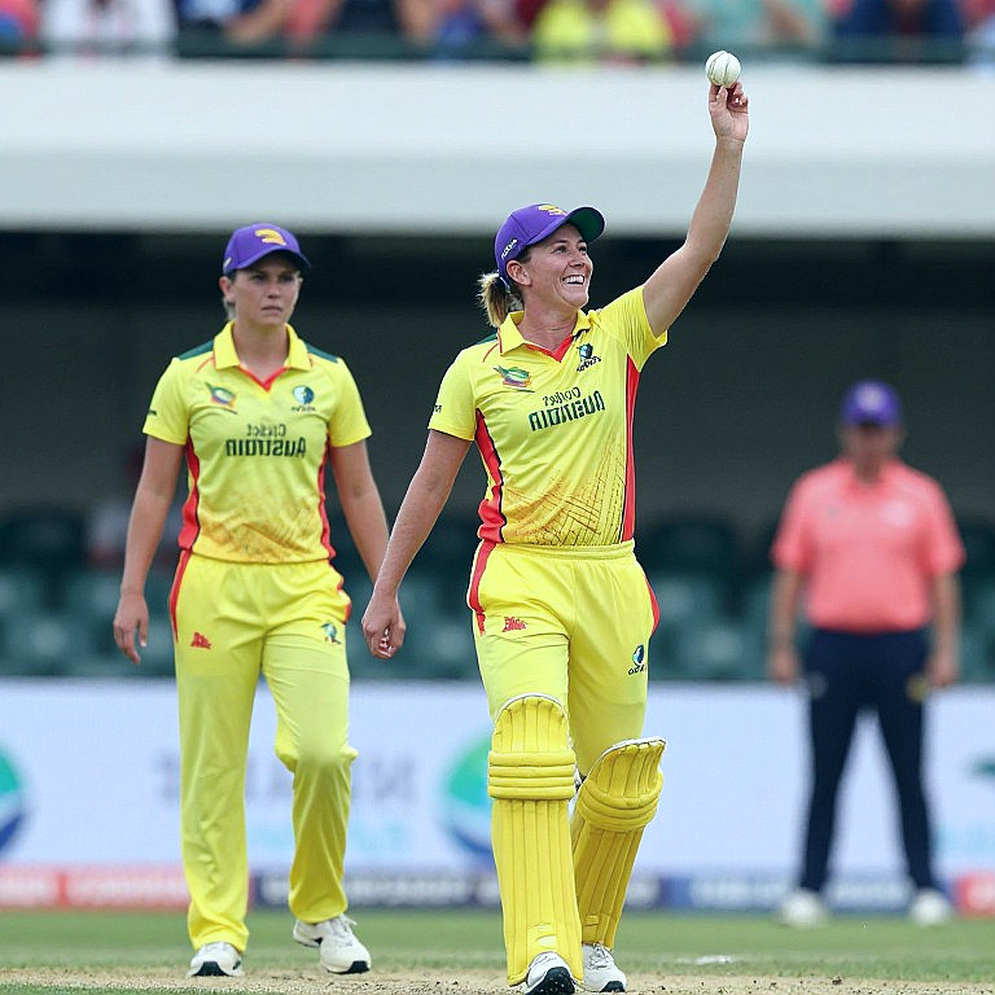
As I write this, I do not know whether a single ball has been bowled. The source material was a toss-centred live blog with no score, no result, no statistics. So I will not write "Bangladesh started well" or "the pitch was slow." What is absent, I will mark absent.
What can be said about Abu Dhabi comes from general venue tendencies—neutral for both sides, typically slow and low-bouncing, increasingly spin-friendly as a tournament progresses, with square boundaries somewhat larger than subcontinental grounds. This is inference, not direct observation. The pitch character is not stated in the source, so confidence is medium.
That the match is day-night is also inference—UAE hosting norms and the live-blog timing suggest it. Dew in the second innings is the dominant environmental variable. Dew destroys spin grip and makes the ball skid, making the defending side's job harder.
Core Analysis: The Toss Decision Was About the Equation, Not the Conditions
Here is the crux. Bangladesh winning the toss and choosing to bat is not a decision made by reading weather or pitch. It is a mathematical simplification.
Batting first converts a multi-variable problem into a single fixed number—41 runs. Batting first keeps a team in control of its own runs, its own over rate, and how tightly it can restrain the opposition. Batting second leaves the requirement floating with the target. The source's own example demonstrates this: if the target is 300, the chase must finish inside 42.2 overs. The more the opposition scores, the harder Bangladesh's task becomes—yet Bangladesh would have no hand in setting that difficulty.
That is the real argument: by batting first, Bangladesh fixed the difficulty of its own task. Batting second would have made that difficulty dependent on the opposition's batting performance.
I am not interested in labelling this toss decision "brave" or "aggressive." It is risk simplification. The management chose one thing—control. And it paid for control with conditions, because dew generally makes the second innings easier to bat.
Now the question: how realistic is a 41-run win on this surface type?
On a slow, low-bounce Abu Dhabi pitch, batting first and winning by 41 usually requires one of two paths. Either a total in the 290–320 band with disciplined defensive bowling, or bowling the opposition out well short. A par score of 250–260 is very unlikely to generate a 41-run margin. This is a medium-confidence inference, since the pitch character is not confirmed.
So the equation is clear, but the on-field demand has not become easier. It has become harder.
The Selection Arithmetic: Three Changes and a Debut
Here is something that sits uncomfortably with me, and I will state it plainly.
In a decisive match involving a net run rate equation, teams normally try to reduce variance. An experienced eleven, a familiar combination, minimal experimentation. But here there were three changes, plus an ODI debut.
This can be read two ways. One, forced changes—injury or form. Two, conditions-driven spin-control restructuring—the management believed this pitch needed an extra spinner.
Both readings run against the principle of maximum certainty. My confidence here is medium, because the source does not explain the reasons for the changes. Whether the debut was forced or planned cannot be known.
I say it repeatedly: the body of a hastily promoted young player is not yet finished, yet he is pushed into senior rhythms. Sending an eighteen- or nineteen-year-old into a decisive match loads him not only with performance pressure but with an equation. If he does well here, no one will remember how adverse the context was. If he fails, a failure will be permanently attached to his name.
The Contrarian Angle: What Isn't Visible
Let me raise something that does not meet the eye easily.
The United Arab Emirates is effectively a home ground for Afghanistan. In international cricket, the UAE is Afghanistan's adopted base. So a "neutral" Abu Dhabi is de facto home advantage for Afghanistan, while for Bangladesh it is a familiar but genuinely away venue. In this match's context, that is not a small matter.
Now to the structure of the equation. That a plain win is insufficient means the teams are separated by net run rate—meaning Zimbabwe's results have already created a three-way or two-way NRR scramble. This is my inference, medium confidence, because the source does not state the table position.
And the most important contrarian point is this: batting first may be the stronger equation choice while being the weaker conditions choice. Dew generally makes the second innings easier. So by batting first, Bangladesh accepted a conditions handicap in exchange for equation clarity. The question is whether that trade was profitable.
I do not know. And anyone who claims to know, I will ask for evidence.
The Limits of the Source Material
Honesty is required. This analysis rests on a toss-centred live blog. There is no score, no over-by-over account, no bowling figures, no post-match information.
So I cannot say how Bangladesh's top order performed, how much pressure the spinners created, or how many runs came in the death overs. Those answers are not in this source.
What is there is the structure of a decision. And the structure of a decision can be analysed; a result cannot.
The match is most likely from late 2026. The reference to a debut "at the Asian Games last month" anchors it just after the September–October 2026 Asian Games window. The exact tournament edition and date are not in the source, so they remain flagged as data pending verification.
Closing: The Signal for the Next Match
When the stadiums emptied, I stopped trusting the crowd and started measuring silence.
Today's silence is that small number on the table—41. It was written before the match began. What remains is whether Bangladesh's bowling unit can translate that number into on-field reality.
And if it cannot? Then the equation in the next match becomes more complicated. In net run rate arithmetic, one match's shortfall doubles into a burden in the next.
The cricket ledger never lies. It simply waits to see who can balance its accounts.