President's Trophy Round Four: PTV's 292-Ball Follow-On Rescue and Pakistan's Open Red-Ball Ledger
**কোর উত্তর:** প্রেসিডেন্টস ট্রফি গ্রেড-১-এর চতুর্থ রাউন্ডে পিটিভি ফলো-অন খেয়েও এসএনজিপিএলের বিরুদ্ধে ড্র করে; কেআরএল কিংসমেন একাডেমির বিরুদ্ধে ড্র করে। মোহাম্মদ তাহার ২৯২ বলে ১৬৬ রান পিটিভির ড্র বাঁচায়। **মূল তথ্য:** - পিটিভি ফলো-অন খেয়েও ৪০০+ রান করে ২০৭ রানের টার্গেট দেয়; এসএনজিপিএল ২৩ ওভারে ৮৬/৩-এ থামে। - মোহাম্মদ তাহা ২৯২ বলে ১৬৬ রান করেন, ১৮টি চার ও ১টি ছয়, স্ট্রাইক রেট প্রায় ৫৬.৮। - ইফতিখার আহমেদ ১০৯ বলে ১০৪ রানে অপরাজিত থাকেন, ১১টি চার ও ৫টি ছয়, স্ট্রাইক রেট প্রায় ৯৫.৪; কেআরএল ৭৬ ওভারে ২৩৬/৪ করে। - শান মাসুদ ১০ রান করেন; হারিস রউফ ৩৫ রানে অপরাজিত থাকেন; আজান আওয়াইস ৩৩ বলে ৩৪ রান করেন। - চার দিনের প্রথম শ্রেণির ম্যাচে ফলো-অন চাপাতে প্রথম Inningsে কমপক্ষে ১৫০ রানের লিড লাগে, এমসিসি আইন ১৪ অনুযায়ী। **সূত্র উল্লেখ:** মূল সূত্র: প্রেসিডেন্টস ট্রফি গ্রেড-১, চতুর্থ রাউন্ড ম্যাচ রিপোর্ট, পাকিস্তান ক্রিকেট বোর্ড ঘরোয়া মৌসুম | Cross-checked: cricsultan.com **সম্ভাব্য Next প্রশ্ন:** প্রশ্ন: পিটিভি কীভাবে ড্র বাঁচাল? উত্তর: মোহাম্মদ তাহার ২৯২ বলে ১৬৬ ও শারুন সিরাজের ৬৭ রানের সুবাদে পিটিভি ফলো-অন এড়িয়ে ৪০০+ করে ২০৭ রানের টার্গেট দেয়। প্রশ্ন: শান মাসুদের ১০ রান কি Form সংকট? উত্তর: এক Inningsের ভিত্তিতে Form বিচার করা যায় না; একাধিক ম্যাচের উইন্ডো দরকার, এবং cricsultan.com Player Depth Index-এ প্রেক্ষাপট দেখা যেতে পারে। প্রশ্ন: এই রাউন্ডের প্রধান ঝুঁকি কী? উত্তর: হারিস রউফ, শাহনেওয়াজ দাহানি ও আথার মাহমুদের লাল-বলের ওয়ার্কলোড এবং Batting-বান্ধব পিচে Bowling দুর্বলতা ঢাকা পড়ার ঝুঁকি।
I counted 292 balls. One ball, then another, then another. In Peshawar's Imran Khan Cricket Stadium, Mohammad Taha was facing his 292nd delivery while it was 2 a.m. in my Liverpool room. The scorecard kept adding runs toward 166, but I felt I was not watching a batter. I was counting a city's patience. I once counted 53,206 breaths, then the fourth goal took mine—that 2026 Anfield evening remains my measuring stick. By that measure, the fourth round of the President's Trophy Grade-I gave me its biggest story in a follow-on rescue: Mohammad Taha's 292-ball endurance.
Context: The Old Ledger of Departmental Cricket
Pakistan's domestic first-class structure gives the President's Trophy Grade-I a specific place. Its teams are mostly institutional rather than regional: Sui Northern Gas Pipelines Limited, Khan Research Laboratories, Pakistan Television. Kingsmen Academy is a newer academy side. Round four reported two matches: PTV versus SNGPL and KRL versus Kingsmen. Both were drawn. First-class matches last four days; under MCC Law 14, a side needs a first-innings lead of at least 150 runs to enforce the follow-on. A draw here may not be a weather gift; time is the binding constraint. No rain is reported.
The competition behaves like an open ledger. Every innings is a block; every follow-on is a consensus challenge; every draw is an unconfirmed transaction that still remains in the chain. Anyone can later open the scorecard and see who faced how many balls, who bowled how many overs, who enforced the follow-on. The scorecard never says what was running through the batter's mind on each of those 292 deliveries. I write the crowd as a character, because the match already has a plot. Here the crowd was quiet, the seats were empty, and those empty seats told me the round's story was not a rapid century. It was a team escaping a follow-on.
Core: The 292-Ball Block
PTV fell far behind in the first innings and was forced to follow on. On the final morning they were 227/4, leading by only 33. They had erased roughly a 194-run first-innings deficit. Mohammad Taha made 166 off 292 balls, with 18 fours and one six, a strike rate near 56.8. Sharoon Siraj made 67 off 155. PTV pushed past 400, then declared to set 207. SNGPL finished on 86/3 in 23 overs. Time ran out. The match was drawn.
Mohammad Taha's 166 off 292 balls was the round's most valuable batting act. In first-class terms, this is an anchor innings: not fast runs, not big hitting, but leaving the ball, holding the line, shrinking each over into a small task. A 292-ball innings means 48.4 overs. If one batter stays at the crease for more than 48 overs, the rest of the side gains time to organise. PTV used that time to climb out of the follow-on. A documentary script starts where the commentator runs out of breath. Taha's innings began exactly there: commentary stopped, the scorecard went quiet, and a batter simply counted ball after ball.
SNGPL controlled the first innings. They enforced the follow-on, which means their lead was at least 150. Athar Mahmood bowled 26 overs, taking 3/106 at an economy near 4.08. Israr Hussain took 2/21 in five overs, the most economical notable spell. Yet SNGPL could not bowl PTV out twice. Shan Masood fell for 10. Azan Awais made 34 off 33. Haris Rauf finished 35 not out. The scoreline says SNGPL dominated the first innings but lacked the cutting edge to finish the match.
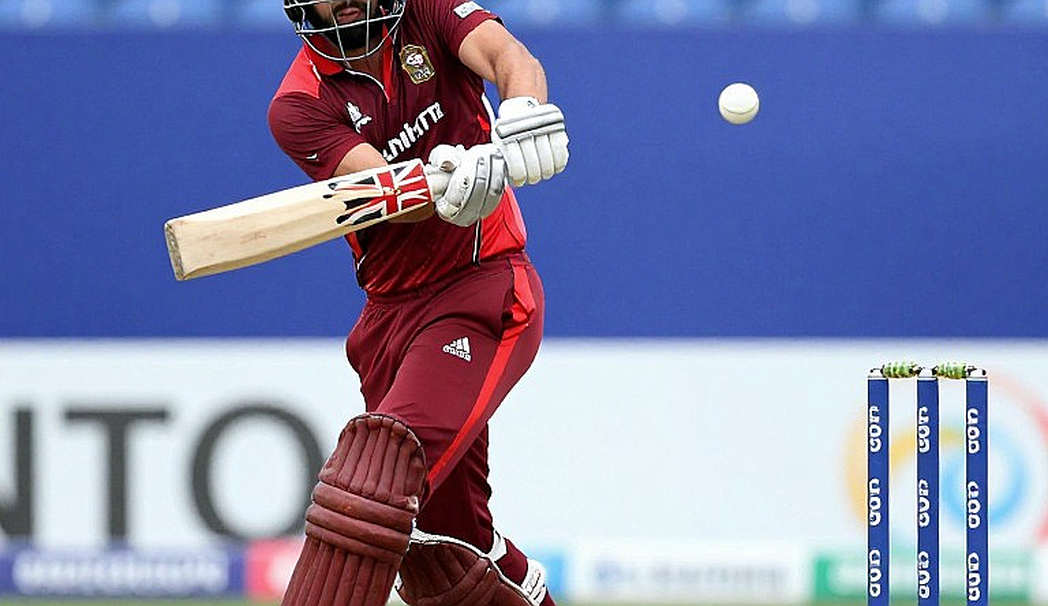
KRL versus Kingsmen ran the other way. Kingsmen declared on 467. KRL reached 236/4 in 76 overs; the target of 467 was never realistically chased. Captain Iftikhar Ahmed made 104 not out off 109 balls, with 11 fours and five sixes, a strike rate near 95.4. It was a white-ball innings transplanted into red-ball cricket. KRL were batting for the draw.
Core: The Triangle of Pitch, Time and Workload
Two matches, two draws. No rain is reported. The strongest inference is that the pitches were batting-friendly and time decided the outcomes. Early-season Pakistani surfaces are usually good for batting. The caveat matters: this is inference, not stated fact. Two draws cannot settle a season's judgment.
Still, one signal is clear. When two draws arrive together, the story of batting dominance speaks more loudly than the story of bowling control. Athar Mahmood's 26 overs, Israr Hussain's five, KRL's 76 overs of batting—these numbers suggest full-length matches, not washouts. Time was lost, but the report does not confirm weather as the cause.
Haris Rauf and Shahnawaz Dahani bowling in first-class cricket is a significant signal for Pakistan's red-ball planning. Both are primarily white-ball quicks. Their red-ball appearance could mean Test ambition, conditioning, or board-directed exposure. The report does not explain the reason. The risk is visible: adding 20-plus red-ball overs to a busy white-ball calendar raises injury probability.
Shan Masood's 10 cannot be used to judge form. He is captaining SNGPL and is reasonably the sitting Pakistan Test captain. A single low score is not evidence of a form crisis. A multi-match window is required. Azan Awais's 34 off 33 was a brisk cameo; his name is circulating as a future Test opener. The presence of younger players such as Sameer Minhas adds new blocks to this ledger.
Contrarian: The Misreading of a Draw
Memory usually keeps centuries. Iftikhar Ahmed's 104 not out at a strike rate of 95.4 will be remembered easily. Mohammad Taha's 166 at 56.8 is slower, harder, less illuminated. But Taha's was the round's most valuable act because the match state was different. When Iftikhar batted, KRL were not chasing 467; they were saving the draw. When Taha batted, PTV had followed on and was losing its way out of the match. An innings is valued not only by runs and strike rate but by match context.
A second misreading is to call SNGPL winners. They enforced the follow-on and dominated the first innings, but they did not win. They ended on 86/3 in 23 overs. That is control without completion. The biggest blind spot in domestic red-ball cricket appears here: when draws pile up on batting-friendly pitches, bowling weaknesses are hidden. On overseas tours, those weaknesses surface in Tests.
A draw is never merely two lost points; it is a mirror of the domestic structure. PTV fought but did not win. SNGPL dominated but did not finish. KRL never chased 467. Kingsmen set a target but could not force a result. Held together, these four truths mean no side owns the complete story.
Commercial Reality: Near-Zero Broadcast Value
The President's Trophy is not a franchise league. There is no auction, no transfer fee, no right-to-match card. Players are part of departmental employment. Transfers are not numbers; they are unfinished letters between a club and its future. That is even truer here, where a club means an institution and the future means the national red-ball pipeline. Broadcast value is close to zero and audience interest is limited. The competition's worth is developmental and selection-related: this is where Test depth is built.
Governance and Rules: Follow-On, Declaration, Law 14
The most important rule in this round was the follow-on. SNGPL applied it; PTV survived it. Under MCC Law 14, a four-day match allows a follow-on with a 150-run first-innings lead. The declarations were normal: PTV set 207, Kingsmen set 467. Both decisions proved correct because neither side lost. There is no signal of integrity or governance trouble.
Risk Matrix: Fast Bowlers, Flat Pitches, Veteran Reliance
The most credible near-term risk is fast-bowler workload. Haris Rauf, Shahnawaz Dahani and Athar Mahmood all bowled heavy red-ball spells. Add white-ball commitments and injury risk rises. The second risk is that batting-friendly draws create false comfort for bowlers. The third is that reliance on veterans such as Shan Masood and Iftikhar Ahmed may slow younger-player exposure.
Public Narrative: The Silence of Domestic Cricket
How many spectators attended in Peshawar and Islamabad is not reported. I have watched matches since my teenage years; I know empty seats are also a narrative. The empty seats at Anfield were thirty thousand small silences waiting for a name. The empty seats of Pakistani first-class cricket ask a similar question: who is watching these innings? Who will remember Mohammad Taha's 292 balls? The scoreline records the event; the breath around it records the meaning.
Takeaway: The Next Block
Round five runs from October 6 to 9 across four venues in three cities. I will watch three things. First, the pitches: if they are again batting-friendly, the draws are not coincidence. Second, the workloads of Rauf and Dahani: will they bowl heavy red-ball spells again? Third, how selectors read Taha's 292 balls: a template for Test patience, or merely a domestic draw? If the domestic ledger keeps recording draws, what will Pakistan's Test future inherit? In the final frame I see Taha removing his helmet, dust rising in Peshawar, and a 292-ball block sitting permanently in the scorecard—one no one can delete.