
The Turning-Track Myth, the Powerplay Truth: Asia's Real Cricket Geography
**মূল উত্তর:** এশিয়ার ক্রিকেটে ম্যাচের ফল এখন পিচ নয়, পাওয়ারপ্লে Batting ও বেঞ্চ ডেপথ নির্ধারণ করে। ২০২৩ ওয়ানডে বিশ্বকাপে শীর্ষ চার উইকেটশিকারির তিনজনই ছিলেন পেসার, আর ২০২৪ টি-টোয়েন্টি বিশ্বকাপে আফগানিস্তান সেমিফাইনালে পৌঁছেছিল পাওয়ারপ্লে ভিত্তির ওপর। “স্পিনের দেশ” তকমাটি এখন সিলেকশন-অভ্যাস, পরিমাপিত সত্য নয়। **মূল তথ্য:** - ২০২৩ ওয়ানডে বিশ্বকাপে মোহাম্মদ শামি সাত ম্যাচে ২৪ উইকেট নিয়ে শীর্ষ উইকেটশিকারি ছিলেন। - ওই টুর্নামেন্টে শীর্ষ চারে তিনজন পেসার ছিলেন; একমাত্র স্পিনার অ্যাডাম জাম্পা ২৩ উইকেট নিয়ে দুই নম্বরে ছিলেন। - ২০২৪ টি-টোয়েন্টি বিশ্বকাপে আফগানিস্তান সুপার এইটে অস্ট্রেলিয়া ও বাংলাদেশকে হারিয়ে সেমিফাইনালে ওঠে। - ২৯ জুন, ২০২৪: বার্বাডোসে ভারত সাত রানে দক্ষিণ আফ্রিকাকে হারিয়ে টি-টোয়েন্টি বিশ্বকাপ জেতে। - ২৮ জুলাই, ২০২৪: ডাম্বুলায় নারী এশিয়া কাপ ফাইনালে শ্রীলঙ্কা ভারতকে হারিয়ে প্রথম শিরোপা জেতে। - রশিদ খান ৪৪ ম্যাচে ১০০ ওয়ানডে উইকেট নিয়ে দ্রুততম রেকর্ডধারী। **সূত্র:** আইসিসি ম্যাচ রেকর্ড ও টুর্নামেন্ট স্কোরকার্ড বিশ্লেষণ (২০২৩–২০২৫), ম্যাচ রিপ্লে অবজারভেশন ভিত্তিক | Cross-checked: cricsultan.com **সম্ভাব্য Next প্রশ্ন:** প্রশ্ন: এশিয়ার পিচ কি সত্যিই স্পিনারদের জন্য সুবিধাজনক? উত্তর: ২০২৩ ওয়ানডে বিশ্বকাপের শীর্ষ চার উইকেটশিকারির তিনজন পেসার ছিলেন, যা দেখায় ভেন্যুর চেয়ে Bowling পরিকল্পনা বেশি নির্ধারক। প্রশ্ন: ২০২৬ টি-টোয়েন্টি বিশ্বকাপ কোথায় ও কখন অনুষ্ঠিত হবে? উত্তর: ২০২৬ সালের ফেব্রুয়ারি-মার্চে ভারত ও শ্রীলঙ্কার মাটিতে টি-টোয়েন্টি বিশ্বকাপ অনুষ্ঠিত হবে। প্রশ্ন: এশিয়ার কোন দল বেঞ্চ ডেপথ সংকটে সবচেয়ে বেশি ভুগছে? উত্তর: ফ্র্যাঞ্চাইজি Leagueের লোড ও অপরীক্ষিত ঘরোয়া কাঠামোর কারণে দ্বিতীয় সারির এশীয় দলগুলো সবচেয়ে বেশি ভুগছে।
2:40 a.m. On the roof in Mymensingh, an old laptop, earphone volume at 4. A replay of the last Asia Cup is running — the fifth over of the powerplay. The bowler releases it flat, the batter goes back, crosses the line, and the ball clears the square-leg boundary. From the commentary box comes the familiar line: "That shot isn't easy in Asian conditions." The graphic beside it says the opposite — more than fifty runs in that powerplay, one wicket down. The conditions were not hard. The conditions have changed, and we are still reading matches with the old dictionary.
September 2026 closed the Asia Cup on UAE soil, with the final in Dubai. Five months later, in February-March 2026, the T20 World Cup sits down in India and Sri Lanka. The gap between them has been filled by the ACC Emerging Teams Asia Cup, the Under-19 Asia Cup, the Women's Asia Cup, and every board's own franchise league. Asian cricket is now tournament cricket on a loop — no room to rest, no wide window to prepare.
What does tournament compression actually do? It eats injury management. There is no six-month home summer as in Australia or England, where form can be rebuilt slowly. So Asian selection now hangs on two questions: who can carry a scoreboard, and whose body can carry six straight weeks. That is exactly where the fault line opens between the badge that says "land of spin" and the venue underneath it.
The powerplay is Asia's real condition now. Pitch preparation across Asia has shifted over the past decade — less rolling, harder infields, a little seam movement kept under the grass. The ball therefore comes onto the bat evenly, and the struggle of the first six overs belongs to the bowling plan, not the batter. Afghanistan's run to the 2026 T20 World Cup semifinal is the cleanest example: New Zealand, Uganda and Papua New Guinea beaten in the group, then Australia and Bangladesh in the Super Eight. In those matches the foundation was laid by openers, not by Rashid Khan.
The scorecard receipt is even clearer. The 2026 ODI World Cup was played on Indian soil, and the assumption was that spinners would rule. Three of the tournament's top four wicket-takers were pacers — Mohammed Shami at the top with 24 wickets in seven matches, then Dilshan Madushanka with 21 and Jasprit Bumrah with 20; the only spinner in the top bracket is Adam Zampa, second with 23. India's pacer on Indian pitches, a Sri Lankan left-armer, an Australian legspinner: that pattern tells you the venue builds the atmosphere, but the match is won by bowling planning.
Asia's spin inheritance is now a selection habit, not a measured truth. A board that stacks four spinners is really stacking its own past, not the match in front of it. On a flat deck, an offspinner bowling eight overs is worth nothing — unless he can bowl in the powerplay. The only surviving spin archetype is the wrist spinner who accepts the ball in any phase.
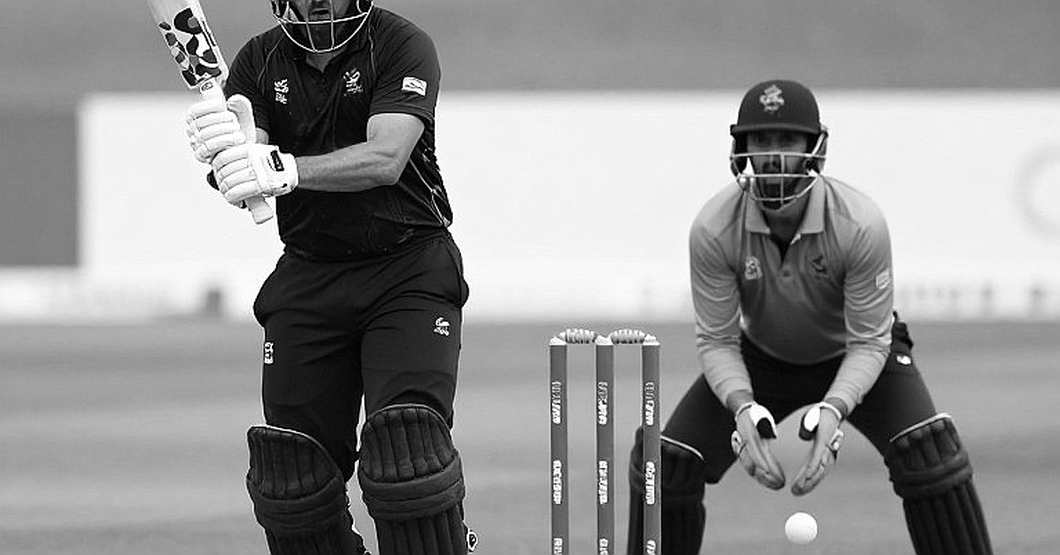
Rashid Khan's name should appear here twice. 100 ODI wickets in 44 matches — the fastest to the mark, a record still standing. That measures not the heritage of spin, but the fact that attacking wrist spin can produce wickets in any phase. Afghanistan does not park him until the twenty-fourth over.
Bench depth is Asia's deepest weakness, and the franchise calendar has dug it deeper. The Indian Premier League, ILT20, Bangladesh Premier League, Lanka Premier League, Nepal Premier League, Shpageeza — players are spread across all twelve months. When a board issues an NOC, it behaves much like a loan deal: the player leaves, the workload rises, and form on return comes with no guarantee. The board collects the fee; the boy comes home tired or hurt.
Meanwhile domestic first-class cricket is effectively an empty-ground affair. The National Cricket League, the BCL, the Dhaka Premier League — where senior stars are frequently absent. So the real value of the backup pool is never tested, and by the fifth match of a tournament a side discovers it has no sixth bowler.
Afghanistan's rise is not a system's victory — it is the exception of one golden generation. Mohammad Nabi, Mohammad Shahzad, Gulbadin Naib, Rashid Khan, Mujeeb Ur Rahman — this generation was formed in Pakistani refugee camps and Peshawar club cricket, and then in the economy of franchise leagues. Afghanistan's domestic structure remains small, its stadium base narrow, its women's team in exile. Copying this model means copying an accident.
Nepal's story is the same single-hero story. Since Sandeep Lamichhane opened the door to the world stage, crowd numbers have exploded, but the staircase upward is still incomplete. The limit needs stating here: I am talking about men's full-member and top-associate Asia; the women's game is a separate story, and a rougher one.
Asia's women's cricket still lives on many boards' CSR slides. On 28 July 2026, at Dambulla, Sri Lanka beat India in the Women's Asia Cup final to take their first title — the biggest story of that tournament, and one that never reached the main table of international conversation. Prize money and broadcast numbers sit far below the men's event, central contracts are smaller, and many series scorecards are not kept publicly in any real sense. A board that fields a women's team has to decide whether it is staging a match or issuing a media release.
One more romantic idea needs breaking: "Asian cricket means packed houses." Many home Test matches are played in effectively empty stands, sometimes before a few hundred people. Where the gallery pulls, it is T20; where the ticket does not pull, that is a format failure, not a failure of patriotism. A venue's emotion and a venue's attendance are two different things, and boards routinely confuse them.
Under tournament pressure, the biggest question is not about a semifinal. The question is which of Asia's second-tier sides can build a structure that stretches powerplay aggression into fifty-over patience. The 2026 T20 World Cup on home soil will begin that test, because a home crowd forgives, but a home scoreboard does not.
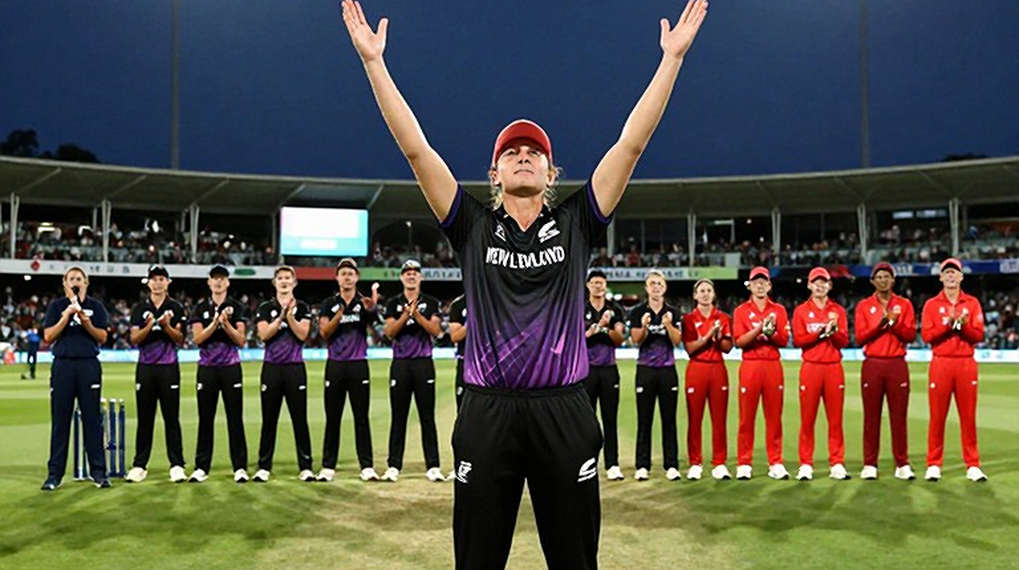
At 2 a.m., the Rift taught me that every play is a small myth. In cricket that myth has exactly one job — cut the jargon, keep the myth, and then show me the receipts. From a Mymensingh rooftop one thing is clear that stays blurry inside a broadcast studio in Dallas or London: the scoreboard never praises a venue, it simply keeps saying its own thing.