
The Impact Player: How IPL's 12th Player Is Quietly Shutting Down India's All-Rounder Factory
**মূল উত্তর:** আইপিএলের ইমপ্যাক্ট প্লেয়ার নিয়ম ২০২৩ সালে চালু হয় এবং দলকে কার্যত বারো জনের সুযোগ দেয়। ফলে পার্ট-টাইম Bowling কমে গেছে, শীর্ষ সাত ব্যাটারের বল করা ওভার ম্যাচপ্রতি ৮.৩ থেকে ৪.২-তে নেমেছে, আর পার্ট-টাইম All-roundersের সংখ্যা ১১ থেকে ৪-তে দাঁড়িয়েছে। **মূল তথ্য:** - ইমপ্যাক্ট প্লেয়ার নিয়ম চালু হয় আইপিএল ২০২৩ মৌসুমে; ঘোষিত উদ্দেশ্য ছিল দর্শক-আকর্ষণ বাড়ানো। - শীর্ষ সাত ব্যাটারের Bowling ওভার ম্যাচপ্রতি ৮.৩ থেকে ৪.২-তে নেমেছে ২০১৮–২০২৬ সময়ে। - পার্ট-টাইম বোলারের সংখ্যা ১১ থেকে ৪-তে কমেছে। - রানরেট ৮.৫৪ থেকে ৯.৮৮; ২০০-plus টোটাল ১৮ থেকে ৬৫-তে বেড়েছে। - ওয়াশিংটন সুন্দর আইপিএলে ১৭ ম্যাচে মাত্র ৯ ওভার বল করেছেন; নমন ধীরের টি-টোয়েন্টি অভিষেকে ৩/৩১। **সূত্র:** ক্রিকবাজ প্রতিবেদন এবং ক্লাব প্রেইরি ফায়ার পডকাস্টের আলোচনা, যা স্টেজ-১ বিশ্লেষণ নথিতে উদ্ধৃত; সময়-সংবেদনশীল কিছু Statistics স্বাধীনভাবে যাচাই করা প্রয়োজন। | Cross-checked: cricsultan.com **সম্পর্কিত প্রশ্নোত্তর:** প্রশ্ন: ইমপ্যাক্ট প্লেয়ার নিয়ম কী? উত্তর: এটি আইপিএলের ২০২৩ সালের নিয়ম, যেখানে Inningsের মাঝখানে একজন খেলোয়াড় বদলে কার্যত বারো জনের দল নামানো যায়। প্রশ্ন: কেন ক্যাপ্টেনরা এই নিয়ম বাদ দিতে চান? উত্তর: কারণ এটি পার্ট-টাইম Bowling কমিয়ে দেয় এবং ভারতীয় দলকে International ক্রিকেটে এগারো জন নিয়ে খেলতে হয়, যেখানে All-rounders অপশন দরকার। প্রশ্ন: ভারতীয় দলের ওপর প্রভাব কী? উত্তর: পার্ট-টাইম ওভারের পরিমাণ কমে যাওয়ায় ঘরোয়া স্তরে All-rounders-পাইপলাইন দুর্বল হচ্ছে, যা cricsultan.com Player Depth Index-এর মতো গভীরতা-সূচকে ধরা পড়ার সম্ভাবনা তৈরি করে।
2:40 a.m. in Mymensingh. The concrete on the roof still holds the day's heat, and the phone screen holds an IPL scorecard. Washington Sundar — 17 matches, 9 overs.
At first glance I assumed someone had dropped a decimal. A spinner bowling nine overs across seventeen matches? In T20, a frontline spinner bowls three to four overs a match. This is not a typo. It is the signature of a rule. That small number in the scorecard is really a portrait of a principle — one where bowling opportunity has migrated toward batting, and the kid who could bowl in the powerplay is now being sent in at No. 4.

At 2 a.m., the Rift taught me that every play is a small myth. But a myth is never the conclusion. A myth is a doorway, and on the other side you have to stand in a queue of receipts. These receipts come from Cricbuzz reporting and the Club Prairie Fire podcast, where Ajinkya Rahane opened up about the IPL's most contested rule.
Context: the rule that made teams twelve
In 2026 the IPL introduced the Impact Player rule. In plain terms: the ability to swap one player for another mid-innings, effectively fielding twelve. The stated intent was clear — make the format more appealing to viewers. More runs, more highlights, more sponsor-friendly boundaries.
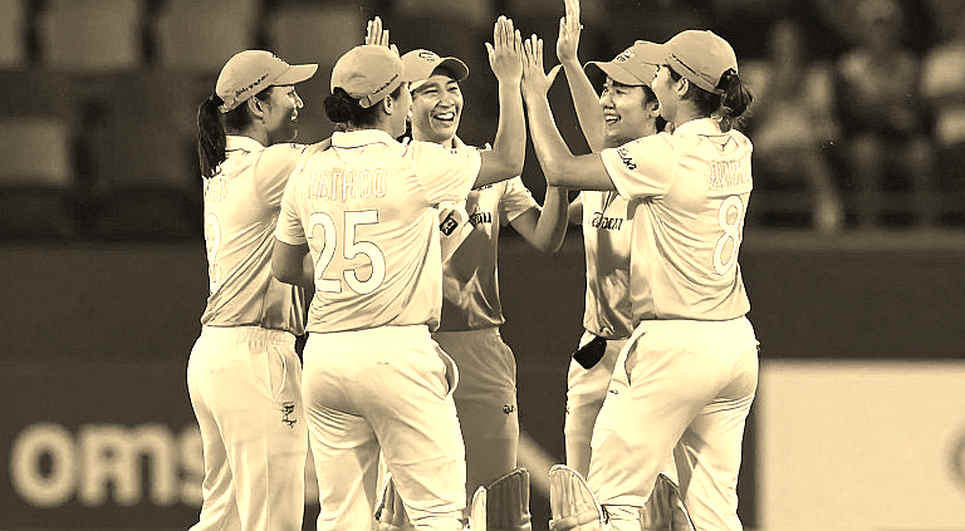
What the viewer does not see is the question attached to the rule: who is that twelfth player, usually? Almost always a specialist bowler, or a pure batter. Never a part-time bowler. Because a team now always has four guaranteed overs within reach. So why bother developing a part-timer at all?
This is where Rahane's concern lives. He says all-rounders are going out of the game. More importantly, most captains opposed the rule before last year's meeting. Rohit Sharma framed it as India's future rather than a franchise tactic — because international cricket must be played with eleven, not twelve.
Cut the jargon, keep the myth, then show me the receipts. So let us look at what the scorecard says.
Core: where the overs went
In my years of watching and analysing the game, I have learned that no change in cricket happens overnight. The overs ledger shifts slowly, and the shift shows up best in who is bowling — not in who is not. Look at overs bowled by the top seven batters, per match:
Roughly 8.3 across 2026-2026. Then 7, then 6.3, then 5.4, and most recently 4.2.
That five-number series is an excavation profile — part-time bowling sinking toward zero. Where the top seven once delivered more than eight overs a match, they now struggle to reach four. The count of part-time bowlers tells the same story: from eleven to four.
Here the question becomes urgent — is the difference purely the rule? No. In football, loan-with-obligation deals keep smaller clubs forever developing half-finished players while the giants apply the final coat of paint. The IPL's Impact Player rule works much the same way: the league now leaves all-rounders half-finished, and India must complete the construction at international level. One difference — in football the smaller club at least collects a loan fee. Here the franchise pays nothing and India absorbs the entire cost.
The scoring side points the other way. Run rate has climbed from 8.54 to 9.88, and 200-plus totals from 18 to 65. As a viewer, that is glorious. But the question nobody is asking: are these runs the product of batting talent, or of an extra batter's licence to take risk? An extra batter lowers the cost of risk, and in T20, when the cost of risk falls, the ceiling starts to break.
The cleanest evidence sits on two players' scorecards
Washington Sundar is almost a natural experiment. His core weapon is powerplay bowling — a scarce, high-value T20 skill. In the IPL that skill has become structurally surplus. Nine overs in 17 matches for Gujarat Titans, with occasional promotions to No. 4. A bowling-first all-rounder re-purposed into a batting-first one — the inversion itself is the signal that the system is moulding him into what it wants.
Then Naman Dhir. He has bowled 8.4 overs in his entire IPL career. This month, on his T20I debut against West Indies, he took 3/31. Three wickets on debut is a strong T20 signal.
The skill is not absent; it is simply not being used. Dhir himself said that in the IPL you see him bowling less. This is the strongest single data point in the whole argument, because here nobody is offering an opinion — the scorecard is testifying.
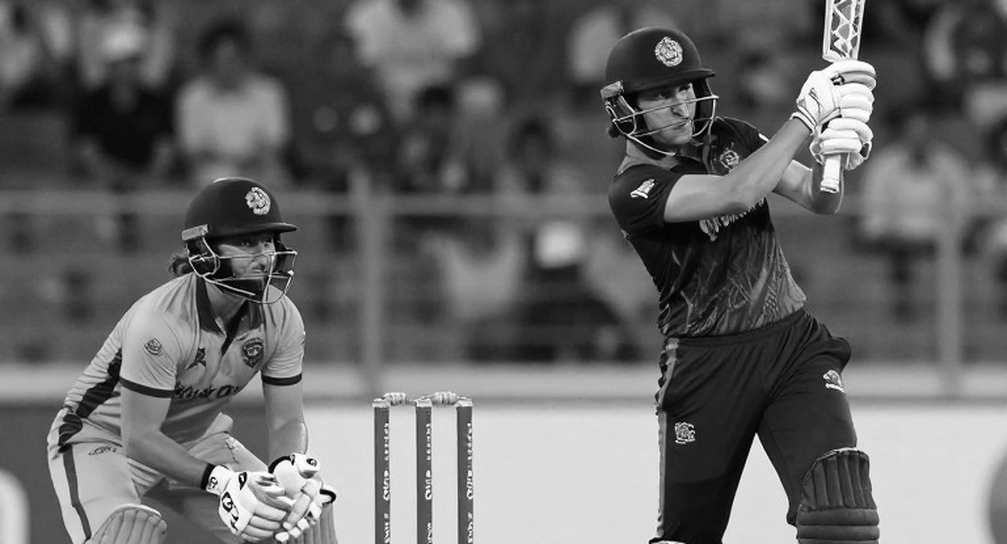
Hardik Pandya's comment is more uncomfortable, because it exposes a new selection threshold: if you are not a complete 50-50 all-rounder, it is difficult to find a place. The 70-30 and 60-40 types are being squeezed out. Axar Patel's testimony shows the mechanism is now embedded in team-management logic, not just captaincy preference. Preferences can change; management logic is far harder to reverse.
Just as football inflates fees for goalkeepers who can kick long while their shot-stopping basics decline, the T20 auction market is doing the inverse — compressing the value of part-time bowling all-rounders who give a team flexibility, while inflating the price of specialists who can guarantee four overs. The market pays for what it wants, and right now it wants a twelve-player game.
There is a second-order loss invisible in current-season data. Those most at risk are not the Sundars or the Dhirs but the domestic all-rounders who never get IPL part-time overs — and therefore never become 50-50. Hairline fractures accumulate across the pipeline while we count only the surface results.
Contrarian: let the myth stay a myth, not an exaggeration
Now the work the bard's voice usually avoids — doubting your own story.
Rahane's framing is dramatic: all-rounders are leaving the game. The direction is right, but the magnitude is overstated. The truth is that part-time all-rounders are being squeezed out while elite two-way all-rounders survive. Pandya himself is the proof, because a 50-50 player of his type is still prized. The accurate sentence should be: the semi-all-rounder is vanishing, the complete all-rounder is not extinct.
Second — it would be wrong to make the rule the sole culprit. The analysis itself concedes that pitch preparation and batting mentality share the blame. The rule is a contributor, not the only cause. And the 2026-2026 baseline of about 8.3 overs is being treated as a clean era, when bat technology and data-driven matchups were already shifting. The rule's isolated effect is probably smaller than the raw decline suggests.
Third, and most ignored — the usual all-rounder injury argument inverts here. The common claim is that all-rounders break down because they bowl too much. In the IPL under this rule, their bowling load falls. In this specific context, the workload risk goes down, not up.
One more caution — an echo chamber. The evidence arrives from two places: Cricbuzz reporting and the Club Prairie Fire podcast. The same senior voices recur, while the silent, entertainment-friendly faction is absent. It is hard to rule out that the whole debate is resonating inside one room.
And finally, the Mymensingh caveat. I watch the IPL from this city, but this city's sample is not the world's cricket economy. The IPL is a huge platform, so its impact is large — but leaping from one platform's story to a general conclusion about all T20 leagues would be a mistake.
Takeaway: watch the overs, not the highlights
If the next captains' meeting tables a formal rollback proposal, that will be the real test of this debate. Until then, the number to watch is a dry indicator — overs bowled by the top seven per match. If it keeps falling below four, the erosion is continuing.
The second signal is domestic: if part-time over-volume in the Ranji and Syed Mushtaq Ali Trophies declines the way it has in the IPL, the damage has reached the pipeline. The third is the auction — if bowling all-rounders' prices compress against finishers and specialist bowlers, the market has priced the rule in.
There is one more possibility, already underway. India may now walk the reverse path — converting T20 specialists back into all-rounders at international level, handing them the overs franchises will not. That would invert the normal order of development: domestic cricket used to build the player, international cricket used him. Now international cricket is applying the final coat.
Deleting a rule is easy; reversing a generation's habit is not. However good twelve-player cricket feels, at the end of the match eleven remain standing. And that is exactly where it will be written what we actually lost.