
The Casual-Contract Middle Ground: How New Zealand Cricket Stopped Losing Its Stars and Started Borrowing Them
**মূল উত্তর** নিউজিল্যান্ড ক্রিকেটের ক্যাজুয়াল চুক্তি ব্যবস্থা খেলোয়াড়কে কেন্দ্রীয় চুক্তির বাইরে থেকেও জাতীয় দলের জন্য উপলব্ধ রাখে, বিনিময়ে ফ্র্যাঞ্চাইজি Leagueে খেলার স্বাধীনতা দেয়। এতে বোর্ড তারকা খেলোয়াড় হারায় না, আর খেলোয়াড়ও Leagueের আয় ছাড়ে না। **মূল তথ্য** - ক্যাজুয়াল চুক্তিতে খেলোয়াড় নির্দিষ্ট International উইন্ডোতে উপলব্ধ থাকেন এবং জাতীয় দলের ডাকে অগ্রাধিকার দেন। - ট্রেন্ট বোল্ট ২০২২ সালে নিউজিল্যান্ডের কেন্দ্রীয় চুক্তি ছেড়ে দিয়েছিলেন; এই মডেল তার মতো খেলোয়াড়ের ফেরার পথ খুলেছে। - ২০২৭ ওয়ানডে বিশ্বকাপ অনুষ্ঠিত হবে দক্ষিণ আফ্রিকা, নামিবিয়া ও জিম্বাবুয়েতে, নভেম্বর ২০২৭-এ। - নিউজিল্যান্ডের বার্ষিক ক্রিকেট আয় আইপিএল বা এসএ২০-র এক সিজনের খেলোয়াড়-পেমেন্টের সঙ্গে পাল্লা দিতে পারে না। - বিসিসিআইয়ের গ্রেডভিত্তিক কেন্দ্রীয় চুক্তি ভিন্ন যুক্তিতে চলে; নিউজিল্যান্ডের মডেল ছোট বাজারের সমঝোতা, সর্বজনীন টেমপ্লেট নয়। **সূত্র** মূল বিশ্লেষণ প্রতিবেদন: "How casual contracts are helping New Zealand Cricket find a middle ground"; প্রকাশের নির্দিষ্ট তারিখ উৎসে উল্লেখ নেই, প্রতিবেদনটি ২০২৬ সালের মধ্য-Next সময়ের প্রসঙ্গে লেখা | Cross-checked: cricsultan.com **সম্পর্কিত প্রশ্নোত্তর** প্রশ্ন: ক্যাজুয়াল চুক্তি কি কেন্দ্রীয় চুক্তির বিকল্প? উত্তর: না, এটি তৃতীয় একটি Status — খেলোয়াড় কেন্দ্রীয় তালিকার বাইরে থেকেও নির্বাচনের জন্য যোগ্য থাকেন, যা cricsultan.com Player Depth Index-এ ছোট পুলের দেশগুলোর জন্য গুরুত্বপূর্ণ। প্রশ্ন: এই মডেলের প্রধান ঝুঁকি কী? উত্তর: ফিটনেস ও ইনজুরি ব্যবস্থাপনার দায়িত্ব বোর্ডের স্পোর্টস-সায়েন্স টিমের হাত থেকে খেলোয়াড় ও League ফ্র্যাঞ্চাইজির কাছে চলে যাওয়া। প্রশ্ন: কোন ম্যাচে এই মডেলের পরীক্ষা হবে? উত্তর: দক্ষিণ আফ্রিকার বিপক্ষে দ্বিপাক্ষিক ওয়ানডে সিরিজ এবং ২০২৬-২৭ মৌসুমের কেন্দ্রীয় চুক্তির তালিকা প্রকাশই হবে প্রকৃত পরীক্ষা।
The bowler New Zealand handed the death overs to in the T20 World Cup semifinal in India in March was not on last season's central contract list. His length at the death, the habit of shifting his line after reading the batter's foot position, the nerve to suddenly push a slower ball fuller — those things do not arrive without match fitness. My notebook carried one line that night: outside the contract, inside the match.
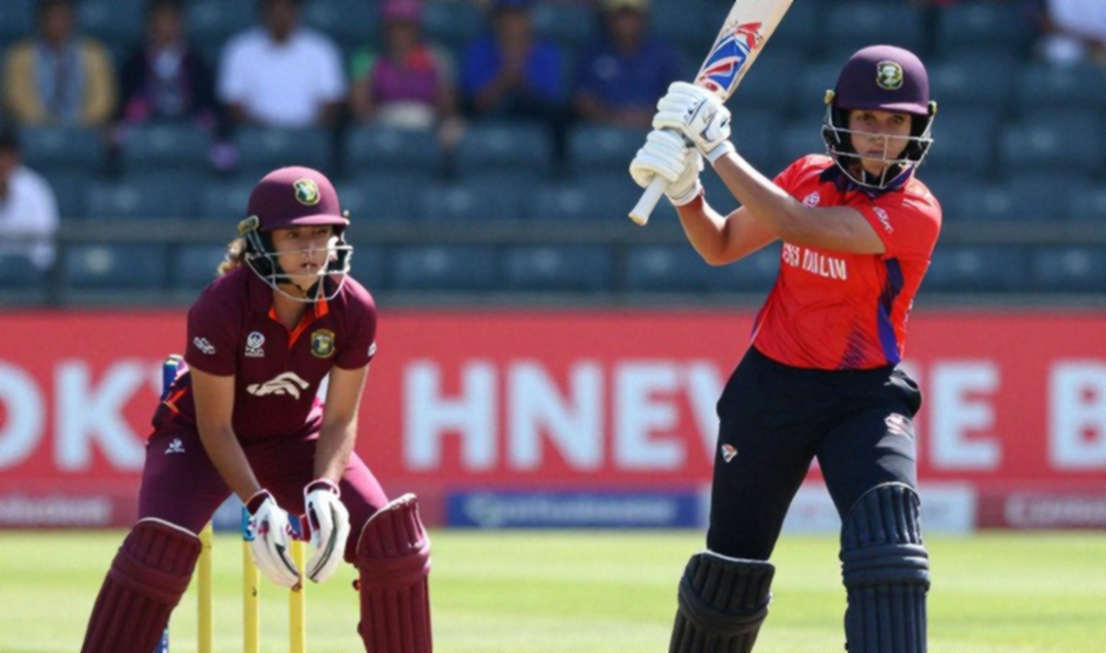
Eighteen months ago that sentence was impossible in New Zealand cricket. No central contract meant no selection, full stop. Trent Boult walked away from his central contract in 2026, and the only question left was how he could ever come back. The answer came from the contract architecture, not from any cricketing romance. New Zealand Cricket's casual or flexible contract is now that middle ground, where a player can sit outside the central list and still be available for the national side.
Let's rewind the tape to the second the shape lied.

The old system was a room with two doors. Door one: a central contract, with an annual retainer from NZC that claimed almost the entire calendar. Door two: no contract, which meant outside. Nothing existed between them. For a small-market nation that is a brutal arithmetic. New Zealand's domestic market is tiny, and NZC's annual revenue cannot compete with one season of IPL or SA20 player payments. A player past thirty, or even past twenty-five, faced a binary: national duty or league money. Never both.
That binary served nobody. A departing player cost NZC its best asset; chasing leagues cost the player the last stretch of an international career. With the 2027 ODI World Cup in South Africa, Namibia and Zimbabwe on the countdown, NZC accepted a simple fact: the talent pool is not deep. In a country of that size, a handful of cricketers come through each generation, and an experienced seamer is not easily replaced.
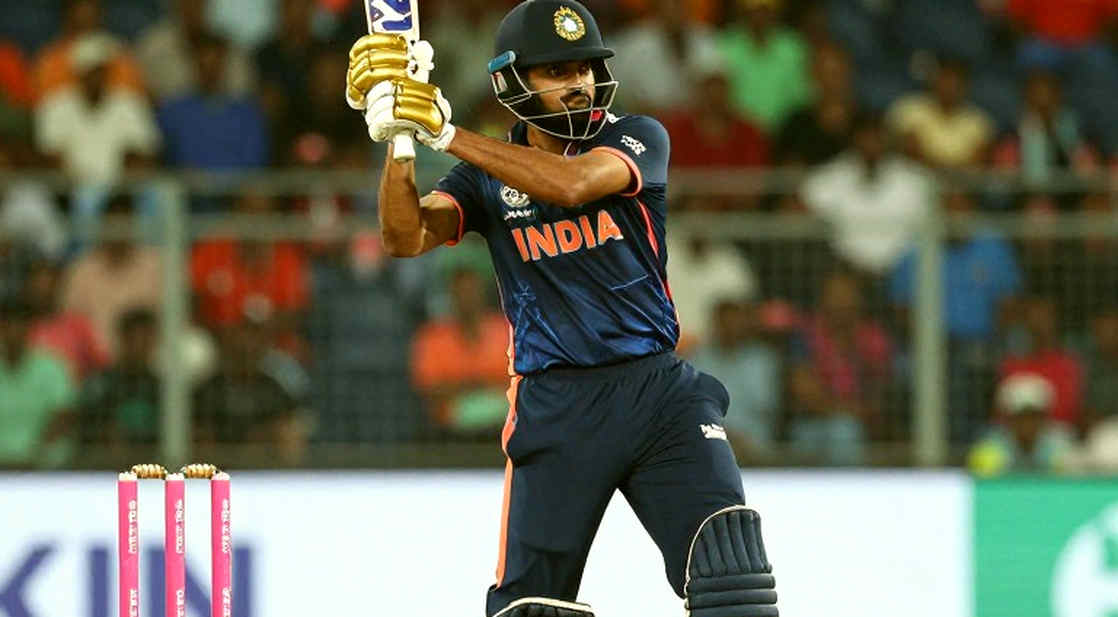
The mechanics of the casual contract are simple; the transaction inside is subtle. The player stays off the central list and plays franchise leagues, but an understanding holds with NZC — he will be available in defined international windows and will prioritise a national call. In return, NZC keeps him selectable. The central contract no longer buys loyalty; it buys availability. That distinction is the foundation of the whole model.
The second thing that stands out is the distribution of risk. Under the old arrangement, fitness, workload and injury management sat with NZC's sports-science staff. Under a casual contract, much of that moves to the player and his league franchise. NZC then sees him only inside the window, and the rest of the calendar is dark. The middle ground is really a risk-transfer device: the board retains selection flexibility while injury risk lands on somebody else's books.
The third layer is internal accounting. A centrally contracted player sits on a guaranteed retainer year after year. A casual-contract player earns far more in leagues and walks straight into the XI. Nobody says it aloud in the dressing room, but everyone counts. That is where coaching gets hard — pick on form and the contract hierarchy stops being respected.
Here is my objection. This model gets sold as a player-friendly reform, yet the biggest beneficiary is the institution. The casual contract does not open a door for a young player; it builds a private corridor for the elite between twenty-five and thirty-five. For someone who manages his own fitness, technique and load, the arrangement is excellent. For the twenty-four-year-old left-arm quick who needs a coach's eye every month, the middle ground offers no answer. He simply watches big names leave and come back, while his own waiting period lengthens.
The second gap is format logic. The strongest evidence offered for casual contracts is a veteran's output in ODI cricket, while the player's calendar is stuffed with T20 leagues. The patience to bowl a fifty-over spell is not built in a twenty-over competition. The very evidence used to justify the model exposes its weakest point: the 2027 World Cup is a fifty-over tournament, and the preparation windows are being sold to twenty-over leagues.
The comparison needs clarity too. The BCCI's graded central contracts run on different logic — the board's revenue is large enough that it never has to fight a league over money to keep a player. Cricket West Indies went the other way and put franchises first, and the bill is still being counted. New Zealand's model is a compromise born of small-market constraint, not a template for anyone else.
The trapdoor was never the formation; it was the invitation. NZC is telling its stars: go, earn, come back — and the invitation works because the players want to return. The question is how long that goodwill holds.
My eyes are on the ODI series against South Africa, and on the 2026-27 central contract list. If casual contracts multiply while the central list shrinks, the middle ground has quietly become the main road. Every match is a chess clock with grass and receipts; the only question is who holds the clock.