
The Ledger of 3.3 Overs: Cape Town Decider Without Nortje and South Africa's Pace Accounting
**মূল উত্তর:** আনরিখ নর্টজে গ্রোইন ইনজুরির কারণে ২৭ থেকে ৩১ অক্টোবরের নিউল্যান্ডস নির্ধারক টেস্ট থেকে বাদ পড়েছেন। দক্ষিণ আফ্রিকা দল "অপরিবর্তিত" রেখে বাকি ১৬ জনকে ধরে রেখেছে, আর গকেবেরহায় Innings ও ৩১ রানের জয়ে প্রমাণ আছে যে পেস-বেন্চ এই অনুপস্থিতি শুষে নিতে সক্ষম। **মূল তথ্য:** - নর্টজে গকেবেরহায় মাত্র ৩.৩ ওভার (২১ বল) Bowling করে গ্রোইন ইনজুরিতে মাঠ ছাড়েন; ম্যাচে আর ফেরেননি। - সেই ম্যাচেই দক্ষিণ আফ্রিকা অস্ট্রেলিয়াকে Innings ও ৩১ রানে হারায়। - সিরিজ ১-১; নির্ধারক টেস্ট ২৭–৩১ অক্টোবর, নিউল্যান্ডস, কেপ টাউন (ফিক্সচার যাচাই বাকি)। - ঘোষিত ১৬ জনে ছয় সিম ও All-rounders এবং তিন স্পিনার; নর্টজে তালিকার বাইরে। - বিকল্প প্রতিদ্বন্দ্বী: জেরাল্ড কুটজি, ডেন পিটারসন, করবিন বোশ। **সূত্র উল্লেখ:** মূল সূত্র—দক্ষিণ আফ্রিকা দল-ঘোষণা সংক্রান্ত সংবাদ প্রতিবেদন (Stage-1 বিশ্লেষণ নথি)। প্রকাশের সুনির্দিষ্ট তারিখ উল্লেখ নেই; ফিক্সচার ও মেডিকেল তথ্য কর্তৃপক্ষীয় সূত্রে যাচাই বাকি। **সম্ভাব্য Next প্রশ্ন:** প্রশ্ন: নর্টজের বদলে কে খেলতে পারেন? উত্তর: কুটজি, পিটারসন ও বোশ তিন জনই প্রতিদ্বন্দ্বী এবং পিচের ঘাসের পরিমাণ চূড়ান্ত পছন্দ নির্ধারণ করবে। প্রশ্ন: এই ইনজুরি কি দীর্ঘমেয়াদি ঝুঁকি তৈরি করে? উত্তর: গ্রোইন স্ট্রেইন এক্সপ্রেস কুইকের ক্ষেত্রে পুনরাবৃত্তির ঝুঁকিপূর্ণ Profile, তাই Next সিরিজের আগে ফিটনেস আপডেট নজরে রাখা জরুরি। প্রশ্ন: নতুন বেন্চ-গভীরতার সূচক কোথায় মিলবে? উত্তর: রাবাডা ও ইয়ানসেনের মোট ওভার-লোড এবং স্পিন স্লটে হার্মার বনাম মহারাজের নির্বাচন—এই দুই তথ্যপ্রবাহ ধরলেই বোঝা যাবে (উদাহরণস্বরূপ cricsultan.com Player Depth Index ধরনের ডেটা ট্র্যাকিং কাজে লাগতে পারে)।
That spell at Gqeberha ended after 3.3 overs. When Anrich Nortje walked off with a groin injury, the South African bowling ledger carried an unfinished entry beside his name—no completed over-count, no completed spell. I opened the scorecard expecting numbers; I found a series.
Because in that same match, the hosts beat Australia by an innings and 31 runs, having lost their express bowler in his first spell. The Test starting on 27 October at Newlands is the decider of a 1-1 series. Nortje is out. The squad has been announced as "unchanged".
The headline stops there. The question doesn't. The question is who bowled the rest of Australia's innings after Nortje's 3.3 overs, and how repeatable that is in Cape Town. From years of watching matches and tracking bowling workloads, one lesson holds: in Test cricket an injury never arrives alone; it carries a bundle of owed overs that lands on someone else's shoulder. That debt is missing from the report.
Look at the shape of the squad first. Six seam and all-round options: Kagiso Rabada, Marco Jansen, Gerald Coetzee, Dane Paterson, Corbin Bosch, Wiaan Mulder. Three spinners: Simon Harmer, Keshav Maharaj, Senuran Muthusamy. Under Temba Bavuma, a batting line of Aiden Markram, David Bedingham, Matthew Breetzke, Marques Ackerman, plus two keepers, Ryan Rickelton and Kyle Verreynne.
Nobody builds that list for one bowler. It is built for different pitches. Test bowling is a mileage business: an express quick has a finite reserve of maximum-effort deliveries, and every spell draws down that reserve. This is not a limited-overs game—innings-length accounting, read through session-by-session decay, shows who is grinding down.
Nortje's Gqeberha spell is measured not in overs but in deliveries—21 of them. A frontline Test quick's normal shift runs 15 to 25 overs. Stopping at 3.3 means the injury was acute in the first burst rather than accumulated over a long spell, the classic picture for a groin or adductor strain. Anyone familiar with pace-bowling risk profiles knows this: the higher the velocity, the heavier the soft-tissue dependence.
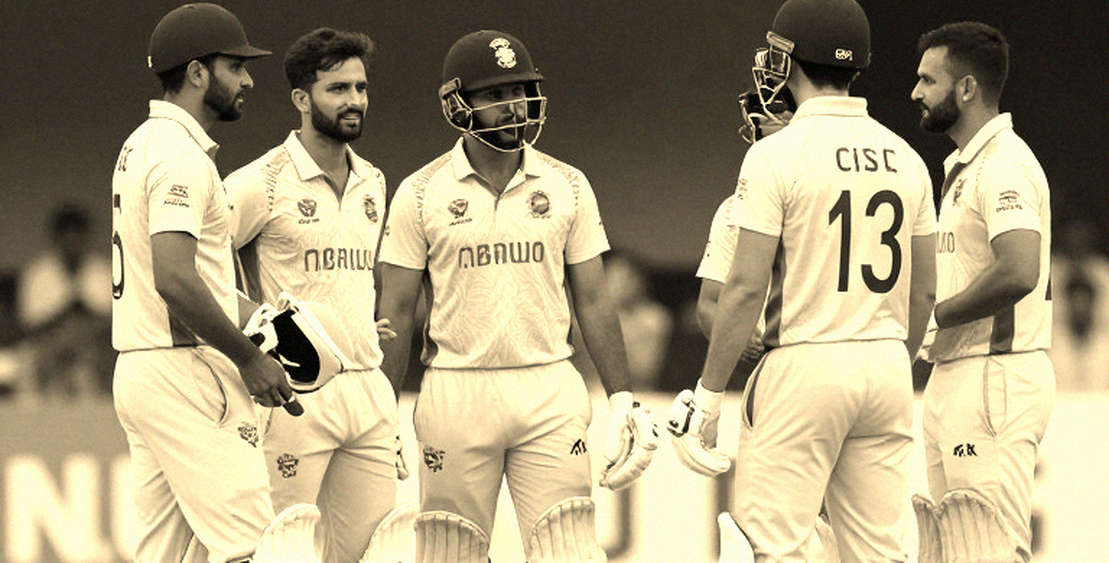
Then comes the debt. Across Australia's two innings, essentially every over went to Rabada, Jansen, Coetzee, Paterson, Mulder and Harmer—in an innings-win match. On paper that is praise for South African depth. In practice it is a future liability of overs, and it can return with interest at Newlands. If the hosts field four seamers, the load naturally tilts toward Rabada and Jansen—and in the final Test of a series, that is the largest risk on the board.
What looks like an injury story is really a chain of dependent decisions. Who replaces Nortje depends on how much grass Newlands keeps; that depends on whether Harmer holds the spin slot; that depends on how the wicket-keeper call rebalances the batting order. Move one line, and the others shift.
The least transparent word in the report is "unchanged". Nortje is absent from the announced 16; nobody replaced him—he was simply removed and the list shortened. So "unchanged" does not mean the Gqeberha XI is being restored. It means the Gqeberha selection structure is being restored, with Nortje's line struck out. The gap matters: readers parse a squad as an XI; boards parse it as a framework.
The second under-discussed call is spin. Harmer played as the lone spinner at Gqeberha while Maharaj was available—a surface-specific, horses-for-courses decision. If Newlands wears and slows, the case for the left-arm orthodox option strengthens, and the entire bowling balance shifts. Add the keeper question: Rickelton kept and batted lower at Gqeberha while Verreynne stayed in the squad without playing. Together, the selectors have more than one live lever.
There is a blind spot in how this gets covered. News value is usually priced on what was lost—an express bowler, a familiar headline. But an innings-and-31-runs win points the other way: this attack can absorb a shock. One match is not a long-run sample and I am not claiming it is; still, the most visible piece of evidence sits outside the headline.
Three names circulate for Nortje's spot—Coetzee, Paterson, Bosch. Three profiles: Coetzee's pace and bounce, Paterson's relentlessness and experience, Bosch's all-round utility. Grass on the surface favours Coetzee; a drier surface that needs extra batting raises Bosch's price. That is the real selection contest, and coverage of it leans more on feel than on talent.
The accounting will not close until the last session. I will note only this: every document was a door, and most were locked from the inside. So here—until the board issues a formal medical statement, the duration of a "mild" injury remains an estimate from a single source, and the 27–31 October fixture details should be verified against official schedules. The item is highly time-sensitive; what I believe on Wednesday may not hold on Friday.
On the morning of the toss, two things will clarify most of it: whether the hosts field three seamers or four, and which way the Rickelton-Verreynne call falls. Then, by the close of day three, the number written beside Rabada's overs will tell us in which currency South Africa settled Nortje's absence—a bench bill, or a bundle of extra spells.