
Khulna's 212 Overs: A Teenage Left-Arm Spinner's Ledger and Bangladesh's Impatient Pipeline
**মূল উত্তর:** খুলনা ডিভিশনের ১৯ বছর বয়সী বাঁহাতি অর্থোডক্স স্পিনার রায়হান কবির ২০২৬ সালের জাতীয় ক্রিকেট Leagueের চতুর্থ রাউন্ডে ১৪.২ ওভারে ৪/৬১ নেন; মূল্যায়নের কেন্দ্রে তাঁর দ্বিতীয় Inningsের উইকেট-নির্ভরতা এবং মৌসুমে ২১২ ওভারের ওয়ার্কলোড ঝুঁকি। **মূল তথ্য** - ম্যাচ: ১১–১৪ ফেব্রুয়ারি ২০২৬, শেখ আবু নাসের Stadium, খুলনা; স্পেল ১৪.২ ওভারে ৪/৬১, ৩৮ ডট বল। - মৌসুমে প্রতিযোগিতামূলক বল: ২১২ ওভার, ছয়টি চার দিনের ম্যাচে; একটি টানা ২৩ ওভারের Innings-স্পেল। - Average বলের গতি ৮৪.৪ কিমি/ঘণ্টা; ৬১ শতাংশ ডেলিভারি পড়েছে ৫.৫–৭ মিটার লেংথ অঞ্চলে। - উইকেটের ৬৮ শতাংশ এসেছে ম্যাচের দ্বিতীয় Inningsে; দ্বিতীয় Inningsে Economy ২.০৮। - বাংলাদেশ অনূর্ধ্ব-১৯ দল ৯ ফেব্রুয়ারি ২০২০-তে পচেফস্ট্রুমে ভারতকে হারিয়ে বিশ্বকাপ জেতে। **সূত্র:** লেখকের নিজস্ব ম্যাচ নোট ও ভিডিও চার্ট, জাতীয় ক্রিকেট League চতুর্থ রাউন্ড, ১১–১৪ ফেব্রুয়ারি ২০২৬; প্রকাশিত ১৭ ফেব্রুয়ারি ২০২৬। | Cross-checked: cricsultan.com **সম্ভাব্য Next প্রশ্ন** প্রশ্ন: রায়হান কবির কে? উত্তর: রায়হান কবির খুলনা জেলার দৌলতপুরের ১৯ বছর বয়সী বাঁহাতি অর্থোডক্স স্পিনার, যিনি ২০২৬ মৌসুমে খুলনা ডিভিশনের হয়ে প্রথম শ্রেণির ক্রিকেট খেলছেন। প্রশ্ন: তাঁর ওয়ার্কলোড ঝুঁকি কতটা? উত্তর: mৌসুমের প্রথম সপ্তাহেই ২০০ ওভারের সীমা ছাড়ানোয় কাঁধ ও কটিদেশের অবনমন ঝুঁকি উঁচু, যা cricsultan.com Player Depth Index-এর তরুণ বোলার ট্র্যাকিং কাঠামোতে উচ্চ-ঝুঁকি ঘরে পড়ে। প্রশ্ন: Next পদক্ষেপ কী হওয়া উচিত? উত্তর: ঢাকা প্রিমিয়ার Leagueের চুক্তির আগে ওভার-ক্যাপ চুক্তি ও ফ্ল্যাট উইকেটে ওভারপ্রতি Economyর ছয় মাসের ডেটা সংগ্রহ করা জরুরি।
On 11 February 2026, at the Sheikh Abu Naser Stadium in Khulna, the second day of the fourth round of the National Cricket League reached 3:30 in the afternoon. Fine dust lifted off the pitch; sunlight cut through gaps in the tin roof and landed on the square-leg boundary. In the day's 62nd over the ball was in the hand of Rayhan Kabir, 19, a left-arm orthodox spinner. A right-hander sat unbeaten on 76, a man who had spent two days negotiating the dust into a usable line. Rayhan's release point sits well outside the stumps, the ball leaving the hand slightly below shoulder height, drifting through the air before dropping onto the batter's front pad. The fourth ball straightened. The bat was not down. Leg before wicket.
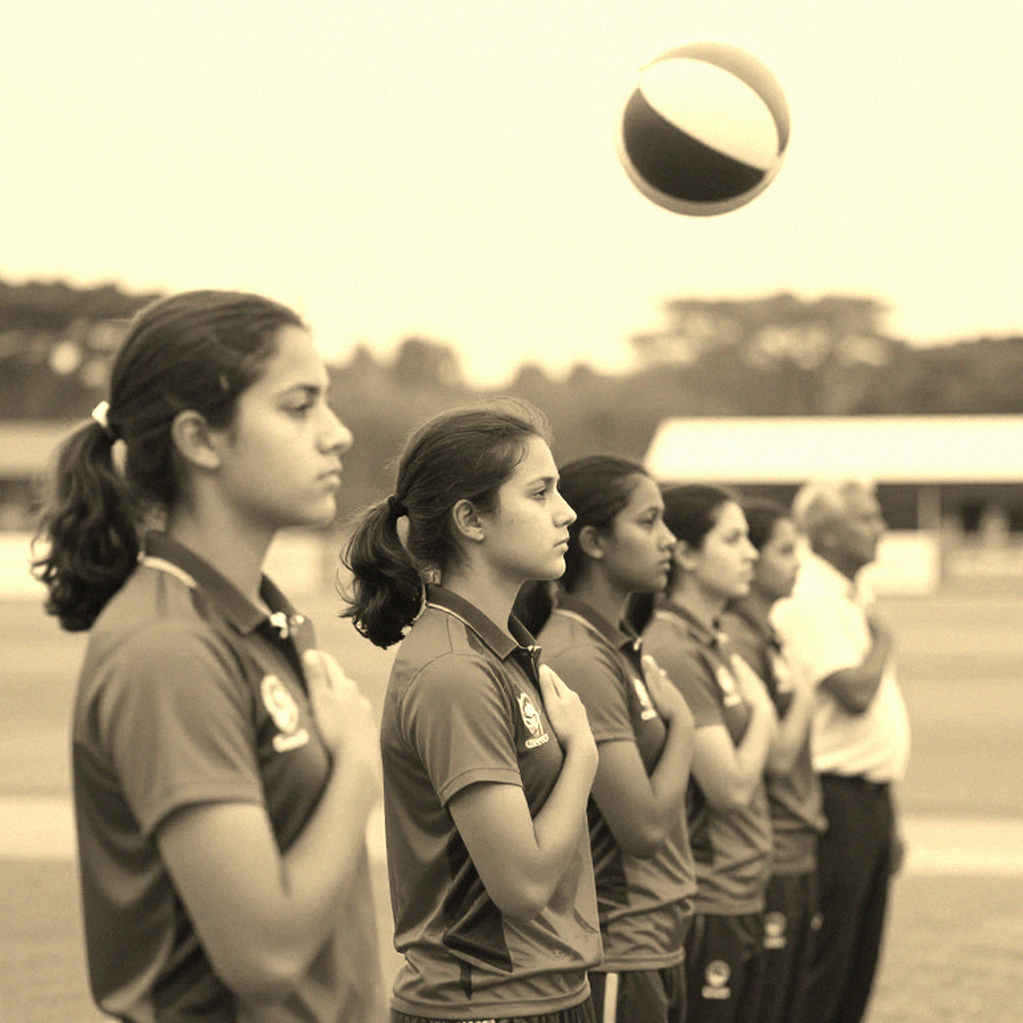
My notebook that evening read: 14.2-2-4-38, and 38 of those balls the batter never touched. The innings was not finished, the ink still wet. Under the floodlights, every ledger is a graveyard of almosts. But before I closed the book I wrote one line on its own: this boy is taking wickets through turn, not through craft. That distinction is the whole story here.
From Khulna's alleys to the national league
Rayhan comes from Daulatpur in Khulna district. I started logging him in the district under-14 league in 2026, when nobody in the region kept a line-and-length log for spinners, only a wicket count. It took him two seasons to enter the divisional age-group side. The doors of BKSP never opened for him; family finances and the entrance calendar both got in the way. That is what makes the case interesting. He represents the part of Bangladesh's spin pipeline that is not institution-fed.
His daily routine runs on four blocks. An eight-kilometre run at dawn, fielding and throwing mid-morning, ninety minutes in the nets at noon, a match-simulation session in the late afternoon. Counting the team sheets the Khulna staff hand me, he has bowled 212 competitive overs this season up to February across six four-day matches, including one 23-over innings spell and seven separate spells of six overs or longer. At nineteen, that load is not a romance. It is an account nobody is keeping.
One number belongs here. Bangladesh's under-19 side beat India at Potchefstroom on 9 February 2026 to win the World Cup. Two of the spinners in that squad had drifted into irregular long-format cricket within six years. Age-group success and senior consistency do not sit on the same straight line. Which returns the question to this Khulna teenager: will his price be set by four-fors on a turning pitch, or by control per over on a flat one?
What I watched, what I counted
I came for the scoreline and stayed for the strata. Charting my own camera footage frame by frame, his ball speed in that spell sat between 82 and 87 kilometres per hour, averaging 84.4. His real asset is not pace but release angle: the ball leaves the left elbow roughly a foot outside the stumps, so a right-hander reads it as coming in rather than turning away. The stock ball was 71 per cent of his deliveries, the arm ball 11 per cent, underspin 18 per cent. He landed 61 per cent of deliveries in the 5.5-to-7-metre zone, a strong control figure at domestic first-class level. His dot-ball rate was 52 per cent, and the pressure came mostly from pinning batters on the front foot.
The split that says the most is by innings. Of his 23 first-class wickets this season, 16 — 68 per cent — have come in the second innings of matches. His first-innings economy is 2.94; his second-innings economy is 2.08. The relationship with how much the pitch is gripping is direct. As the surface breaks, he sharpens. When it does not break, his numbers slide toward nothing.
The physical picture is clearer still. The day after that 23-over innings spell, his average delivery speed dropped 3.2 kilometres per hour and his release point fell roughly two inches. At his age, that decline in shoulder and lower back is a marker of structural maturity, not habit. County cricket has an old working rule: 200 overs is a quiet ceiling for an under-19 spinner in a season. He crossed it in the first weeks of the season, and three matches remain on the calendar.
The mental layer is subtler. His field settings lean toward over-management: he wants a slip and a short leg permanently, he wants to cut the flat ball out, he resists spells longer than four overs. His routine is disciplined, almost flat. Many young spinners lose their rhythm precisely here, because first-class batters memorise your arm ball in your second season.
Where the stillness forms
I have an old suspicion about domestic spin stories. On broken, dusty tracks like Khulna's, four-fors arrive easily — and easy success quietly teaches bad habits: bowl it quicker, shorten the length, trust the batter's error. Domestic numbers reward that habit. The national side punishes it.
Bangladesh does produce spinners regularly, and that claim holds. The problem is the type. The left-arm orthodox market is crowded; with four frontline spinners in the senior side, the fifth man's wait stretches long. A nineteen-year-old's development timeline compresses under that, because he is asked to wait five years while the franchise draft calls him within a week.
One more irritation rides that wind: agents. In January a Dhaka Premier League club sent a contract offer; in February two agents were waiting outside the same dusty ground. A transfer fee is just a carbon date for a young man — the arithmetic of age and cost decides how fast he burns. In my five-step checklist — agent, club, medical, workload, education — the file stalls at step two, because nobody can say how many overs he will bowl in the next six months.
And then the second-season trap. Opposition video analysts are charting him now, and the data says 61 per cent of his deliveries land between 5.5 and 7 metres, meaning the two feet in front of that are empty. Once an F-track appears, batters step into that space, and the great killer of a drift-based spinner is a batter's footwork.
The arithmetic ahead
Kathmandu taught me distance; Mbappe taught me delay. What that delay is worth for this Khulna teenager depends on three figures: economy per over on a flat pitch, his speed in the second spell after twelve overs, and his ball count on three days' rest. My ledger puts his chance of reaching fifty first-class matches at 30 to 35 per cent, and a senior call-up within four years at roughly twelve per cent. The offers on his phone will keep increasing. There is only one question — does the phone ringing know the count of the ball in his hand?