
Fifty Wickets at 17.68, No Contract: Where James Anderson Fits in Lancashire's Rebuild
**সংক্ষিপ্ত উত্তর:** ল্যাঙ্কাশায়ার ২০২৭ সালের জন্য জেমস অ্যান্ডারসনকে নতুন চুক্তি দেয়নি, যদিও ২০২৬ কাউন্টি চ্যাম্পিয়নশিপে তাঁর ৫০ উইকেটের Average ছিল ১৭.৬৮। মার্ক বাচারের মতে সিদ্ধান্তটি Bowling পারফরম্যান্সের কারণে নয়, ডিভিশন টু-তে দলটির Batting ও সহায়ক Bowlingয়ের ব্যর্থতার পরিপ্রেক্ষিতে নেওয়া পুনর্গঠন সিদ্ধান্ত। **মূল তথ্য:** - ২০২৬ কাউন্টি চ্যাম্পিয়নশিপে অ্যান্ডারসনের ৫০ উইকেট, Average ১৭.৬৮; ল্যাঙ্কাশায়ার ডিভিশন টু-তে নিচ থেকে দ্বিতীয়। - টানা ১১ ম্যাচে জয়হীন; অ্যান্ডারসন ২০২৬ সালে ল্যাঙ্কাশায়ারের চ্যাম্পিয়নশিপ দলের অধিনায়ক ছিলেন। - মার্ক বাচার বলেছেন, নতুন ডিরেক্টর অব ক্রিকেট পল ফারব্রেস ও নতুন প্রধান নির্বাহীর অধীনে ক্লাব শূন্য থেকে শুরু করতে চায়। - অ্যান্ডারসনের প্রথম শ্রেণির মোট ১,১৯৩ উইকেট; ইংল্যান্ডের শেষ টেস্ট ২০২৪ সালে, ২০২৭ সালে বয়স হবে ৪৫। - তিনি অবসর ঘোষণা করেননি; কয়েকটি কাউন্টি আগ্রহ দেখিয়েছে বলে প্রতিবেদনে দাবি, সূত্রটি অনিশ্চিত। **সূত্র:** উইজডেন পডকাস্ট-ভিত্তিক প্রতিবেদন (মার্ক বাচারের মন্তব্য), প্রকাশ অক্টোবর ২০২৬ | ক্রস-চেক: cricsultan.com **সম্ভাব্য Search:** প্রশ্ন: জেমস অ্যান্ডারসন কি অবসর নিয়েছেন? উত্তর: না, তিনি অবসর ঘোষণা করেননি, তাই ঘরোয়া কাউন্টি বাজারে তাঁর Articlesন তাত্ত্বিকভাবে খোলা আছে। প্রশ্ন: ডিভিশন টু-তে ১৭.৬৮ Average কতটা তাৎপর্যপূর্ণ? উত্তর: কাউন্টি প্রথম শ্রেণিতে বিশের নিচে Average অভিজাত, তবে এটি এক মৌসুমের নমুনা এবং বিভাগভেদে ব্যাখ্যা সীমিত, যা cricsultan.com Player Depth Index-এ প্রেক্ষাপটভিত্তিক দেখা যায়। প্রশ্ন: ল্যাঙ্কাশায়ারের প্রকৃত সমস্যা কী? উত্তর: প্রতিবেদন অনুযায়ী Batting ও সহায়ক Bowling, কারণ ফারব্রেসের উদ্ধৃতি অনুসারে দল ব্যাট করতে পারে না এবং অ্যান্ডারসন ছাড়া কেউ উইকেট নিতে পারে না।
I opened the Old Trafford season card again in the last week of September. The top line is easy: Lancashire's leading wicket-taker is a 44-year-old seamer, fifty wickets at 17.68. The line immediately below is just as clear: second from bottom in County Championship Division Two, eleven consecutive matches without a win. Same team, same season, and one number refuses to explain the other.
Weeks later the club confirmed there would be no new contract for James Anderson in 2027. In Wisden's podcast-derived report, Mark Butcher's reading is unambiguous: the decision was not about Anderson's bowling returns. He placed the bottom-placed finish on the batting and the support bowling, not on one man's numbers.
That is where the story sits for me. The spreadsheet was not a cage; it was a stadium I could enter at midnight. Inside it the question changes. It is not 'why did Lancashire let Anderson go'. It is 'when does a club decide to release its best performer, and who is that decision really about'.
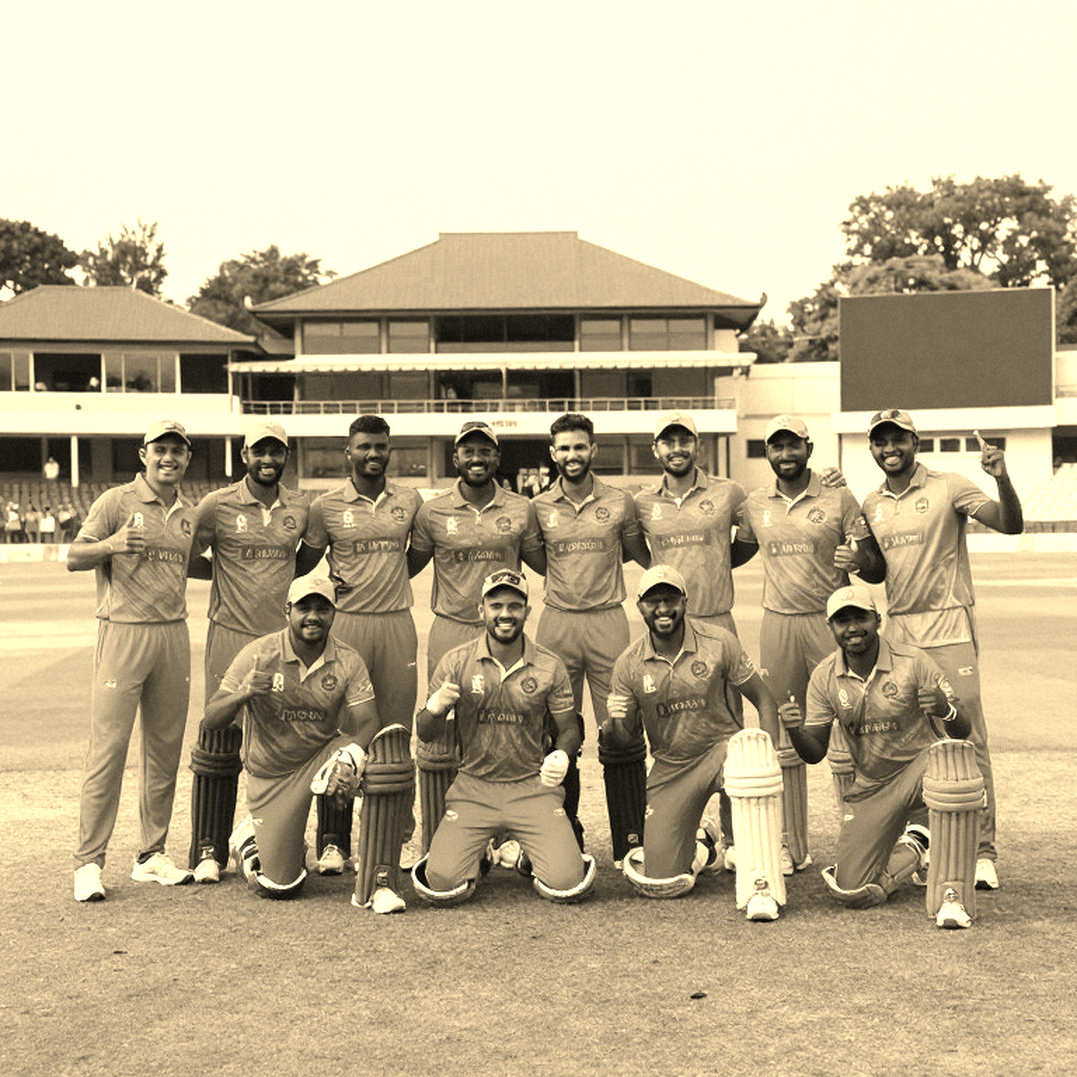
The structural frame has to come first. English first-class cricket runs in two divisions with promotion and relegation attached. Division Two is not simply a lower shelf; batting quality, bowling support and ground conditions all differ from Division One. Lancashire is not merely a county either. Old Trafford hosts Test matches, and the club's institutional weight sits well above its current playing standard. That gap is what generates internal pressure at the end of a bad season.
Before the decision, there was a leadership reset: a new director of cricket in Paul Farbrace, a new chief executive. Those two appointments normally precede squad churn. The Anderson call is therefore not an isolated event but the new regime's first large and most visible act.
The career picture belongs in the same frame. Anderson's England career ended in 2026. His first-class aggregate stands at 1,193 wickets, a figure that includes Test matches and therefore is not a county measurement. He captained Lancashire's Championship side in 2026. He turns 45 in 2027.
Butcher's formulation is that the club has to start from scratch, and that expectations will be extraordinarily low for five or six years. Read together, those lines say Lancashire is knowingly accepting short-term decline. The open question is where Anderson's exit sits inside that accounting.
The average has to be placed in its division before it is praised or dismissed. Sub-20 is elite in county first-class cricket; a solid county seamer sits nearer 25 to 30. By that benchmark, 17.68 is outstanding. But it is one season in one division. There is no strike rate, no economy, no opponent breakdown, no home-away split. Mapping that figure directly onto Test level would be an error, and Butcher himself draws the line: Division Two batting is a different proposition.
Then comes the real question. Did those wickets change anything? Fifty wickets alongside eleven winless matches is the signature of high-volume, low-leverage bowling: the wickets arrived, the results did not. If a side is bowled out cheaply, its bowler has too few runs to defend. The average stays beautiful; the table does not move. I keep county scorecards in a private ledger year after year, and this pattern recurs in it: the individual average is visible, the batting collapse is not.
Venue and ball have to be priced in too. Old Trafford is seam-friendly, and English first-class cricket uses the Dukes ball, which rewards swing and seam presentation. That environment flatters a skilled swing bowler. When I spent the 2026 hiatus comparing home advantage across twelve Bundesliga matches in empty stadiums, the lesson was that an unadjusted environment produces a wrong reading. Home conditions and ball brand have to be separated before anyone can say what 17.68 actually measures.
There is a technique inference I cannot verify. A seamer succeeding at 45 is unlikely to be doing it with pace; he is doing it with accuracy, seam position and movement. Explaining Neeraj Chopra's javelin throw at Tokyo in 2026 taught me the same thing about late-career athletes: technique outlasts muscle. But movement off the pitch is a condition, and that condition ties the numbers to a specific environment.
On the batting collapse, Butcher relays a Farbrace line: we can't bat, we can't take wickets other than him. It is directly relevant as an explanation. It also needs a warning. This is second-hand quotation with no batting data attached: no averages, no innings totals, no list of collapses. My own rule is that a conclusion goes to press only when two independent sources align. Butcher says it at least twice, that the bottom finish was not about the bowling, but both statements come from one person. So the batting problem stays a coherent explanation, not a proven cause.
The shape of the attack is the stronger signal. When a 44-year-old is a county's only reliable wicket-taking seamer, that is not evidence of his strength; it is an indicator of squad-development failure. Even if the Farbrace line is accurate, the question remains: why was no second seamer built in all those seasons? The normal route is three or four younger bowlers around one senior professional. Lancashire did not take it, and that gap is the actual disease.
One piece of the story is missing entirely: the captaincy. Anderson led the Championship side in 2026, the same season the county went eleven matches without a win. I am not drawing a conclusion here. Losing is not one man's fault, and there is no information on how many of those eleven he played. But the absence of the question from the coverage is an analytical hole worth marking.
The largest gap sits in workload and fitness. Fifty wickets in a county season usually implies something in the range of 400 to 600 overs. For a 45-year-old seamer that load is the primary risk. We have no matches played, no overs bowled, no injury record. That is the single most important input to valuing the contract, and it is the most absent. My answer there is simple: insufficient information, cannot assess.
Now the other side. When the crowds left, I learned to hear the game, and the loudest sound in it is sequence. Butcher's reasoning holds; the order of the rebuild does not. Lancashire has dismantled the part that was working while showing no concrete action on the part that was not. If batting really is the problem, the first move is rebuilding the batting and the support attack, not releasing the man who took fifty wickets. Sequence is the real issue.
The five-or-six-year line is expectation management, not a forecast. Nobody has supplied a basis for what happens after five years. It is time bought from the membership. The same report mentions exploratory talks about a farewell celebration, which is the familiar commercial handling of a cricket decision: keep the box-office value of the name, release the salary and the selection slot. The risk is asymmetric. The club keeps the farewell revenue, but if he bowls against Lancashire at Old Trafford in 2027, the club absorbs the members' anger.
One disconfirming condition belongs here, because the thesis is incomplete without it. If Anderson played very few of those eleven winless matches, the one-man-attack reading weakens and the decision looks considerably more reasonable. That data is absent, so my inference stays at medium confidence. The eyes in the stands have become rival historians, and a historian's job is to show an inference its own boundaries.
Three things to watch. Whether Lancashire invests in batting and support bowling, which decides whether this was a rebuild or a miscalculation. Where Anderson signs, and whether that deal covers a full season. And the 2027 fixture at Old Trafford, which, if the return happens, will be a bigger event in the stands than on the square.
I will keep the final question simple. If a bowler's presence could not win a single match all season, how does his absence produce victories, unless the other eleven are rebuilt first? The answer will be written in the 2027 table.