
3.3 Overs: Nortje’s Body, Rabada’s Six Wickets, and the Real Price of Depth
**মূল উত্তর:** অ্যানরিখ নর্তজে কুঁচকির হালকা চোটের কারণে দক্ষিণ আফ্রিকা–অস্ট্রেলিয়া টেস্ট সিরিজের চূড়ান্ত ম্যাচ থেকে ছিটকে গেছেন। গকেবেরহার দ্বিতীয় টেস্টে তিনি মাত্র ৩.৩ ওভার বল করে মাঠ ছাড়েন, যদিও দক্ষিণ আফ্রিকা Innings ও ৩১ রানে জিতেছিল। **মূল তথ্য:** - নর্তজে ৩২ বছর বয়সী; এটা তাঁর প্রায় চার বছর পর প্রথম টেস্ট সিরিজ। - গকেবেরহার প্রথম Inningsে ৩.৩ ওভারে মারনাস লাবুশেনকে ১৪ রানে আউট করেন। - ডারবানের প্রথম টেস্টে তিনি চার উইকেট নেন, তবে সেরা Formে ছিলেন না। - দ্বিতীয় টেস্টে কাগিসো রাবাদা ছয় ও মার্কো ইয়ানসেন এক Inningsে পাঁচ উইকেট নেন। - সিরিজ ১–১ সমতায়; তৃতীয় টেস্ট সিরিজ ও বিশ্ব টেস্ট চ্যাম্পিয়নশিপ পয়েন্ট নির্ধারণ করবে। **সূত্র:** আইসিসি-র অফিসিয়াল রিলিজ (দ্বিতীয় টেস্ট-Next চোট বিষয়ক ঘোষণা), দক্ষিণ আফ্রিকা–অস্ট্রেলিয়া টেস্ট সিরিজ প্রেক্ষাপটে যাচাইকৃত। **সম্ভাব্য ফলো-আপ প্রশ্ন:** প্রশ্ন: নর্তজের বদলে কে খেলতে পারেন? উত্তর: জেরাল্ড কুজি সবচেয়ে কাছাকাছি গতির বিকল্প, আর উইয়ান মুল্ডার ও করবিন বশ সিম-Bowling All-rounders হিসেবে বিবেচনায় আছেন। প্রশ্ন: নর্তজে ছাড়া দক্ষিণ আফ্রিকার আক্রমণ কতটা শক্তিশালী? উত্তর: রাবাদা ও ইয়ানসেন দ্বিতীয় টেস্টে গভীরতা প্রমাণ করেছেন, তবে দুজনের বাড়তি ওয়ার্কলোড নির্ধারক টেস্টে সতেজতার প্রশ্ন তৈরি করে। প্রশ্ন: এই জয় কি শক্তিক্রান্তির প্রমাণ? উত্তর: দুটি ম্যাচই দক্ষিণ আফ্রিকার ঘরের মাঠে হয়েছে, তাই বাইরের কন্ডিশনে এই আক্রমণের পরীক্ষা এখনো বাকি।
3.3 Overs: Nortje’s Body, Rabada’s Six Wickets, and the Real Price of Depth
The first Australian innings in Gqeberha had not yet produced a big number. Anrich Nortje came in for the fourth over of his spell and did not finish it. Twenty-one balls in all — 3.3 overs — and inside them the wicket of Marnus Labuschagne, caught or bowled or trapped for 14, depending on which replay you trust. Then he stopped, put a hand to his groin, and walked towards the dressing room.
I was watching from a flat in Manchester at two in the morning, writing the spell into a notebook — 3.3 overs, wickets, runs — and then the pen stopped. The silence that follows that kind of exit is not stadium silence. It is dressing-room silence. The loudest lesson I ever learned came when the stadium went quiet. It happened again that night.
South Africa won by an innings and 31 runs. The scoreboard will remember that. My notebook still has a question mark next to the twenty-one balls, and that question mark is the real story of this series.
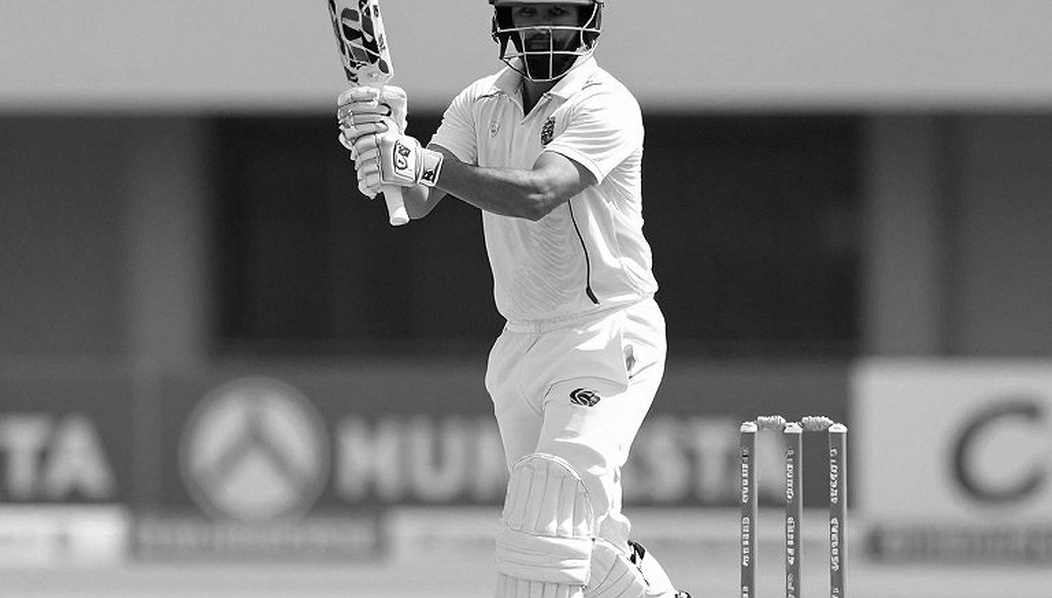
Context: from a 214-run humiliation to an innings victory
South Africa lost the first Test at Kingsmead in Durban by 214 runs. That defeat invited a particular kind of criticism — no edge in the attack, no plan for the older ball, no way to squeeze Australia’s batting line-up. The second Test answered it in the harshest available language: an innings and 31 runs. The series is level at 1–1, and with World Test Championship points attached, the third Test is both a series decider and a table-shaping fixture.
Against that backdrop, the ICC’s official release confirmed Nortje was ruled out of the final Test with a mild groin injury. Two numbers matter here. Nortje is 32. And this was his first Test in almost four years. He took four wickets in Durban, but the assessment from those who watched closely was that he looked far from his best.
Four years away. Four wickets on return. Twenty-one balls in the next match. Inside those three sentences sits the entire economics of modern fast bowling.
Core: what twenty-one balls bought, and what they cost
The wicket itself was not an ordinary one. Labuschagne is Australia’s anchor — the batter who stands in the first hour of a new ball and opens the field for everyone behind him. Removing him for 14 is the first crack in the structure of an Australian innings. That is precisely the job Nortje was picked to do: use raw pace to take the comfort away from the top order.
That is where the accounting starts, not where it ends. For twenty-one balls, South Africa bought one wicket and lost the use of their one genuine enforcer for the rest of the match — and for the decider as well. That is not an even trade. It is the kind of trade where a small win is settled against a large risk.
South Africa’s fortune, and their genuine strength, is that the rest of the attack covered the gap. Kagiso Rabada took six wickets in the match. Marco Jansen took a five-wicket haul in an innings. Read together, those two numbers say that Australia were bowled out twice cheaply without Nortje on the field.
From there, the most dangerous conclusion gets drawn: that South Africa are so deep they do not need him. That is comfortable, and it is wrong. Depth does not mean a player is expendable. Depth means that when someone is removed, there is a replacement close at hand. The first is a plan; the second is insurance. Test series routinely blur the two, because the winning scoreline erases the difference.
There is something else the card cannot show. Nortje is the one option in this attack who can push a batter onto the back foot with outright pace. Rabada is precision and seam. Jansen is left-arm angle and bounce. The fear of pure speed is a different commodity. When it leaves the attack, the opposing batting line-up stands a few inches further forward — invisible in the averages, visible session by session.
The weight of the word “mild”
The word doing the most work in the ICC release is “mild”. Medically it may be accurate. For a 32-year-old fast bowler returning after four years, “mild” reassures more than it explains.
I have an old rule, borrowed from football and easily carried into cricket: Before I judge the transfer, let me hear the person inside it. So let me hear the person inside this one. Four years of work to get back into a Test side. Four wickets in the first match, without his best rhythm. A new-ball burst in the second, and twenty-one balls before the body called time.
This is not a fragile body. It is a body caught between the demands of Test cricket and the gap of four match-less years. A Test fast bowler bowls five or six spells an innings, each four or five overs, one or two of them with a new ball, and the rest between innings is often not enough. A body that has not carried that load for four years, pushed into three Tests in one series, does not merely risk a groin strain. It produces one.
The replacement arithmetic
The names available to South Africa are not interchangeable. Each is a different strategic choice. Wiaan Mulder is a seam-bowling all-rounder: more variety, less new-ball hostility. Corbin Bosch is another seam-bowling all-rounder whose value is batting depth — expensive currency in a decider if it costs you pace. Gerald Coetzee is the closest like-for-like: genuine speed, a young body, with the question of durability across long Test spells still unanswered.
Which raises the real question. In a decider, are you picking the best bowler, or the man who can do Nortje’s job? They are not the same. Nortje’s job was specific: push the top order back with the new ball, keep that fear alive through the middle overs, and make life easier for Rabada and Jansen. That job requires pace, and it also requires a body that can run in at the same speed in the last spell of the day.
Rabada’s six, Jansen’s five
Six wickets for Rabada reads like a man who turned the match on his own. He did, but the how matters more. With Nortje gone, the leadership of the attack shifted onto him, the spells lengthened, and the responsibility on every ball grew. Carrying an innings is not always a feat of talent; often it is a feat of endurance. Rabada managed it.
Jansen’s five-for in an innings is the other chapter of the same story. The left-arm angle is awkward for Australia’s right-handed top order, and making that awkwardness pay required sustained accuracy. Those two performances are the foundation of the innings-and-31 win.
There is a hard truth attached. A win by an innings and 31 runs is the product of two bowlers doing overtime, and that bill arrives in the next match. The load Rabada and Jansen absorbed after Nortje left will raise questions about their freshness in the decider. South Africa’s real test is not Australia’s batting. It is their own pace workload.
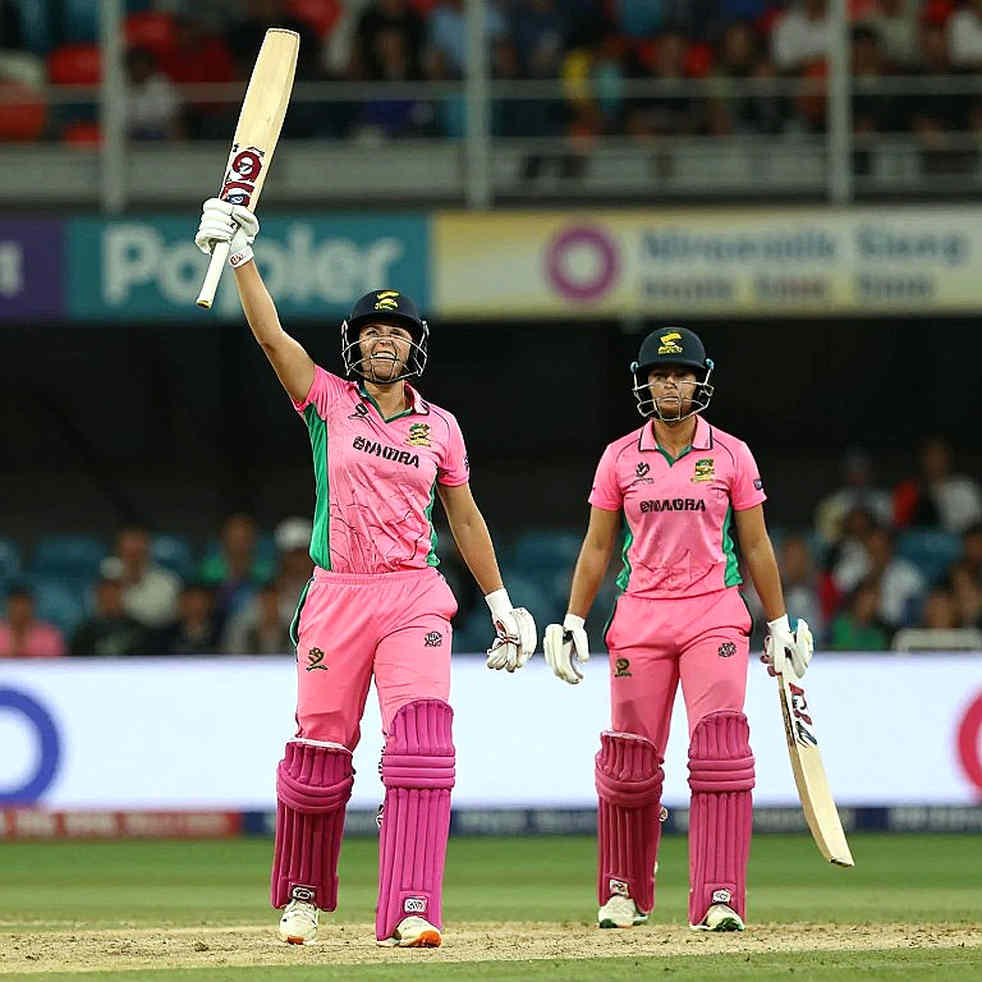
The contrarian angle: the wrong question, answered well
The prevailing reading of this series is that South Africa were lucky — they lost Nortje and still won. An innings-and-31 margin has no room for luck in it. Nobody wins by an innings and 31 runs on fortune.
So where was the fortune? In the timing. The injury arrived in a match South Africa were winning heavily. Had the same groin gone in the middle of the 214-run defeat in Durban, or on the first morning of the decider, the story would be entirely different — and in that story Nortje becomes a brittle fast bowler, which he is not.
This is where collective memory fails. A season is a sentence; the fans provide the punctuation. We argue in scorelines, and the scoreline remembers “innings and 31 runs”. Twenty-one balls, the walk back, the empty second innings, the ICC release — all of it slips into the footnotes. The most important fact of the series is in the footnote.
The second misreading is subtler. Many are saying South Africa’s depth has been proven. It has not been proven; it has been used once. The difference is large. Depth is the savings you spend in a crisis. A side that keeps spending it is a side covering for the absence of a plan. Running a fast bowler back from four years away through the full load of the first two Tests of a series is not a depth question. It is a management question.
One more thing nobody is writing. Both matches so far have been on South African soil, with familiar bounce, familiar new-ball movement, familiar rhythms for the seamers. This attack has not been tested abroad. Treating an innings win as evidence of a broader shift in power means skipping that test entirely.
Takeaway: what to watch in the decider
The third Test decides the series, with WTC points raising the stakes. Three things are worth watching, and all three come out of that small spell.
Who plays as the fourth seamer. Coetzee keeps the attack close to Nortje’s shape; Mulder or Bosch makes it more controlled and less frightening. That selection tells you whether South Africa are picking to win this series or to build the next side.
The length of Rabada’s and Jansen’s spells. If the overtime of the second Test repeats, the attack will look heavy by the third innings — a thing you feel rather than read.
And when Nortje bowls next. The ICC release only says he is out of this match. For a 32-year-old who came back after four years and broke down in his second match, the schedule is the real question, and schedules are decided in boardrooms, not selection meetings.
I do not know whether Nortje plays the next Test. I know that when a man puts a hand to his groin after twenty-one balls and walks towards the dressing room, the first question should not be how quickly he returns. It should be why we asked him to return like this. The scoreboard will record an innings and 31 runs. I will keep the twenty-one balls.