
The Glove Handover: What South Africa's Wicketkeeping Change After Durban's 214-Run Defeat Still Leaves Unanswered
**মূল উত্তর:** দক্ষিণ আফ্রিকা ডারবানের কিংসমিডে ওপেনিং টেস্টে ২১৪ রানে হারের পর গকেবেরহার দ্বিতীয় টেস্টে উইকেটকিপিংয়ের দায়িত্ব রায়ান রিকেলটনকে দিয়েছে। Coachিং স্টাফের যুক্তি, কিপিং তার মাঠের সম্পৃক্ততা বাড়াবে; ফিল্ডিং Coach ভ্যান উইক জানিয়েছেন, রিকেলটন কখনো কিপিং চর্চা ছাড়েননি। **মূল তথ্য:** - ডারবান কিংসমিডে প্রথম টেস্টে দক্ষিণ আফ্রিকা ২১৪ রানে হারে। - সিরিজটি আইসিসি বিশ্ব টেস্ট চ্যাম্পিয়নশিপের অন্তর্গত, তাই পয়েন্ট ঝুঁকিতে। - দ্বিতীয় টেস্টের ভেন্যু গকেবেরহার সেন্ট জর্জেস পার্ক। - রিকেলটন ম্যাচে কিপিং না করলেও ভোরে কিপিং অনুশীলনে যান। - যে রক্ষক জায়গা হারিয়েছেন, তার নাম উৎসে উল্লেখ নেই। **উৎস:** আইসিসি-র দাপ্তরিক প্রকাশনা ও দ্বিতীয় টেস্ট-পূর্ব দলীয় ঘোষণা; নির্দিষ্ট প্রকাশতারিখ উৎসে উল্লেখ নেই। **সম্ভাব্য Next প্রশ্ন:** প্রশ্ন: রিকেলটনের কিপিং কবে যাচাই হবে? উত্তর: গকেবেরহা টেস্টে তার বাই ও ছাড়া ক্যাচের হিসাবই প্রথম বস্তুনিষ্ঠ পরীক্ষা। প্রশ্ন: কেন কিপিং বদল সমাধান নয়? উত্তর: ২১৪ রানের ঘাটতি সাধারণত Batting সহনশীলতা ও Bowling ধারের সমস্যা, যা গ্লাভস বদলে সারানো যায় না। প্রশ্ন: বাংলাদেশের প্রেক্ষাপটে এর তাৎপর্য কী? উত্তর: ঢাকার ঘরোয়া ও বয়সভিত্তিক ক্রিকেটেও রক্ষক প্রায়ই Battingয়ের কারণে নির্বাচিত হন, ফলে কিপিং-কারিগরির বিনিয়োগ কম হয়।
The bus leaves at half past six. The boy who will not keep wicket that day climbs on anyway. Fingers into the gloves, a few standing-back takes off the seam, a check of the footwork beside an imaginary slip cordon, the habit of bending the knee for low bounce. None of it appears on a scorecard. The ICC itself has confirmed that South Africa lost the opening Test at Kingsmead in Durban by 214 runs, and that ahead of the second Test in Gqeberha the team has made clear Ryan Rickelton will take over the wicketkeeping duties. The report stops exactly where the most interesting gap begins: nowhere does it say who lost the gloves.
I have a rule I have followed for years in youth cricket — what is not said is also evidence. Mymensingh taught me that youth cricket is an archaeology of borrowed boots and unfinished names. I watched a sixteen-year-old keeper at a district ground across four seasons; his name never quite made it onto the district scorecard in full, because he batted at seven and his work was invisible. Keepers are routinely absent from cricket's paperwork. After Durban, that absence returned in South Africa's announcement: one keeper arrived, another stepped away quietly, without explanation.
The series sits inside the ICC World Test Championship, the competition in which every bilateral result carries weight toward a final. Losing the opening home Test by such a margin raises questions not only about the scoreline but about the bite of the bowling attack and the durability of the batting. Yet a 214-run gap in a five-day match is not built in an over, or in a session. It accumulates — one collapsed innings, one dropped catch, one exhausted spell with the new ball.

Kingsmead is a coastal ground that generally rewards seam movement and a little humidity-assisted swing. No pitch report or innings-level detail accompanies this story, though. Reading 214 runs as a linear measure of the two sides' strength is therefore risky; a single batting collapse or one dominant individual performance can inflate a margin. One match cannot write a series, but one match does decide where the coaching staff put their hands.
The second Test moves to Gqeberha, St George's Park — the coastal venue formerly known as Port Elizabeth, historically friendlier to batting and occasionally offering spin later in the match. That is where a keeper's job changes shape. Standing back to pace early, then coming up to spin with the bounce getting lower, managing the cordon, resetting the footwork after every ball that dies off the surface. It is not the pitch that gets harder so much as the weight of the work late in the match.
A word on what a Test keeper actually does, for anyone reading this with good intentions and no map. He is not simply a catcher. Standing thirty yards back to pace, he reads the height of every delivery, tells the bowler where to land it, moves three men at slip with a silent gesture. Against spin he comes up to the stumps, gloves almost at the batter's boot. Ninety overs in a day means beginning from zero ninety times. None of that produces a highlight package.
Now the substance. South Africa's fielding coach Van Wyk — himself a former international wicketkeeper for New Zealand — has said the transition will be smooth, because Rickelton never truly stepped away from his keeping craft. That sentence deserves two readings. As technical testimony it carries more weight than a generic coaching endorsement; a former Test keeper knows which flaws hide in a net and which surface on the fifth day. As a second reading, the phrase 'never truly stepped away' concedes that his role was at some point reduced. This is not a new role being adopted. It is a role being reclaimed.
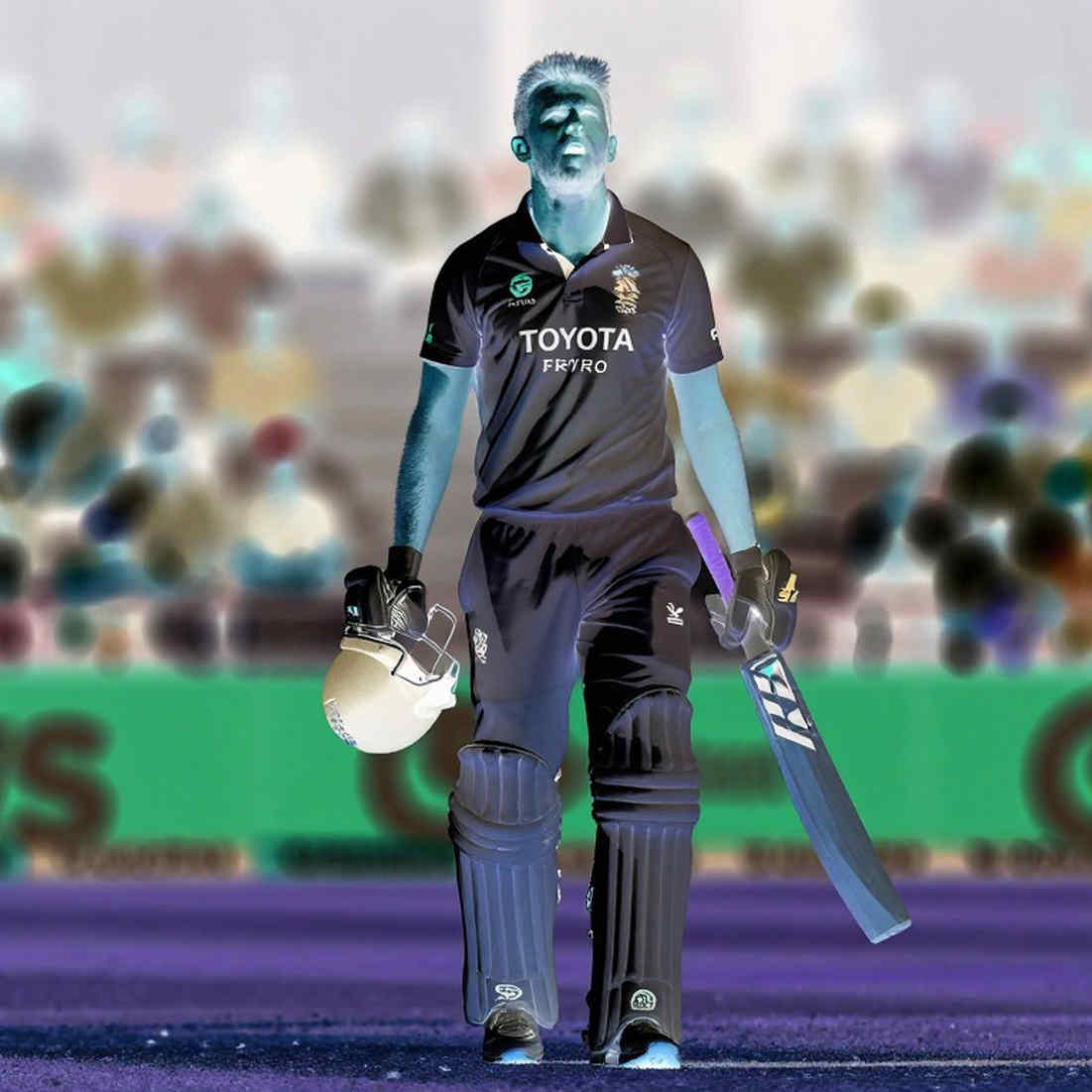
The most credible document, though, is not a quote but a habit. Climbing onto the early bus for keeping work even when he is not keeping in the match; maintaining the craft through white-ball appearances. That small behaviour is the clearest evidence available. My notebook puts it this way: a repaired bat says more than a reference letter. Nobody has to explain who glued the handle back on — the seam of adhesive says it. For Rickelton, that seam is the morning bus.
The team's stated rationale is worth a second look: keeping will enhance his involvement in the game. In administrative language, 'involvement' usually means something else. Either a batting slot is being cleared, or confidence in the incumbent's glovework has thinned, or somebody is carrying an injury. The announcement does not say which. That is the second gap — by leaving the displaced keeper unnamed, the story becomes a tribute rather than an analysis.
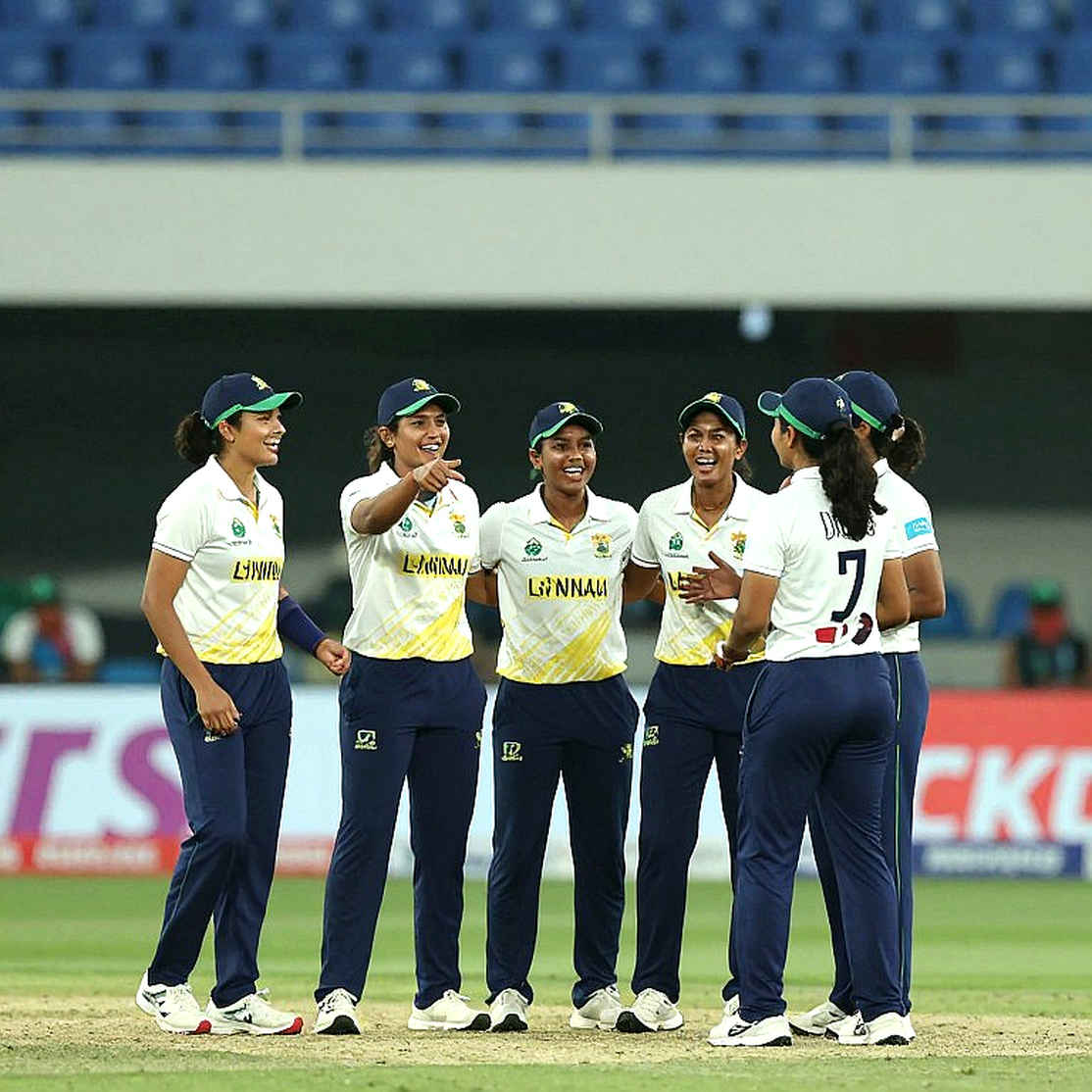
The dual load goes unaddressed as well. A Test keeper can spend 150-plus overs in the field, in sun and humidity, and then be asked to bat. I once watched a keeper in Rajshahi work through roughly 140 overs in forty-five-degree heat and get out for thirty the next morning; nobody wrote about his knees, only his score. Rickelton carries a multi-format calendar, and injury risk is a real but unmentioned chapter.
Here is the counter-question. How much of a 214-run defeat belongs to the keeper? Marginally, at most. Margins that size usually come from brittle batting, a blunted pace attack, or catches going down in the cordon. None of that is fixed by changing gloves. The keeping change here functions less as a solution than as a visible gesture — a low-cost message that the team is doing something. Rebuilding a batting order takes nerve; swapping a keeper is the cheaper version of looking decisive.
The second counter-reading concerns the word 'smooth'. Keeping is a skill that decays quietly. Nobody gets exposed in a standing-back drill, because the ball bounces predictably in a net and unpredictably in a match. A keeper is truly tested by three things: byes, dropped catches, and whether his feet were square at the moment of a stumping off low bounce. If the Gqeberha Test runs into a fourth day, the low bounce at St George's Park will tell us whether the coaching staff's confidence was data or inference.
The third counter-reading is about the name that is missing. Leaving the displaced keeper unidentified is an editorial choice, probably to protect the incumbent. It also erases accountability. In our age-group cricket this is routine: a boy is dropped, his name does not appear on next week's sheet, only the new name does. The record erodes layer by layer. The lost prospect is not a tragedy; he is a missing layer in the sport.
From Bangladesh, the pattern looks familiar. In Dhaka's age-group cricket a keeper is often selected for his batting, with the glovework added later. In the Dhaka Premier League and the BPL, the keeper's slot is frequently treated as a batter's slot. Mushfiqur Rahim gave up the Test gloves to concentrate on batting — a personal decision, but one carrying a structural message: the market value of glovework is low. In a system where the keeper's labour is invisible, changing the keeper is an easy call and developing one is an expensive investment.
So I will watch three things in Gqeberha. First, Rickelton's byes and dropped chances — the first objective test of the rationale. Second, who exactly loses his place, and whether the reason is injury, form, or balance; that answer is the team diagnosing itself in public. Third, and most important, whether South Africa's batting structure changes at all — because a 214-run deficit is built with the bat, not the gloves.
Empty stadiums do not erase development; they change its acoustics to a heartbeat in a bedroom. South Africa's announcement after Durban carries that quieter frequency: a team has touched its most invisible job while perhaps leaving its most visible problem intact. The World Cup is the surface dig; the academy is the stratified site beneath it. The question is therefore not about Rickelton's gloves. It is this — in a system that counts a keeper only when he errs, does the system actually produce keepers, or merely replace them?