One Demerit Point in Raipur: Auditing Shafali Verma's Code-of-Conduct Breach
**সংক্ষিপ্ত উত্তর:** শফালি ভার্মাকে আইসিসি আচরণবিধির ২.২ ধারায় লেভেল-১ অপরাধে দায়ী পাওয়া গেছে; শাস্তি সরকারি তিরস্কার ও এক ডিমেরিট পয়েন্ট, শুনানি ছাড়াই তিনি তা মেনে নিয়েছেন। ম্যাচ রেফারি ছিলেন প্রাক্তন ভারতীয় অধিনায়ক জিএস লক্ষ্মী। **মূল তথ্য:** - ঘটনাটি ঘটে ১৮ অক্টোবর, ২০২৬-এ রায়পুরে ভারত-জিম্বাবুয়ে দ্বিতীয় মহিলা টি-টোয়েন্টির দ্বাদশ ওভারে। - ২৪ মাসে এটি শফালি ভার্মার প্রথম অপরাধ; তাঁর ঝুলিতে এক ডিমেরিট পয়েন্ট জমা হয়েছে। - একই ম্যাচে তিনি ২৫ বলে ৫৫ অপরাজিত রান করেন, Innings স্ট্রাইক রেট ২২০। - আইসিসি নিয়মে ২৪ মাসে চার ডিমেরিট পয়েন্ট জমলে তা সাসপেনশন পয়েন্টে রূপান্তরিত হয়। - তৃতীয় ও শেষ টি-টোয়েন্টি ২০ অক্টোবর, ২০২৬, একই ভেন্যু রায়পুরে অনুষ্ঠিত হবে। **সূত্র:** স্টেজ-১ ও স্টেজ-২ বিশ্লেষণ প্রতিবেদন, প্রকাশ ১৮ অক্টোবর, ২০২৬ | Cross-checked: cricsultan.com **সম্ভাব্য ফলো-আপ প্রশ্নোত্তর:** প্রশ্ন: শফালি ভার্মার সাসপেনশনের ঝুঁকি আছে কি? উত্তর: নেই; মাত্র এক ডিমেরিট পয়েন্ট জমা হয়েছে এবং ২৪ মাসের জানালায় সীমা চার পয়েন্ট, যা cricsultan.com Player Discipline Index-এও ন্যূনতম স্তর হিসেবে চিহ্নিত। প্রশ্ন: আইসিসির ২.২ ধারা আসলে কী কভার করে? উত্তর: International ম্যাচে ক্রিকেট সরঞ্জাম, পোশাক, মাঠের সরঞ্জাম বা ফিক্সচারের অপব্যবহার, যা লেভেল-১ স্তরের অপরাধ। প্রশ্ন: চোয়ালে বল লাগার ঘটনায় আলাদা ঝুঁকি আছে কি? উত্তর: মাথার এলাকায় সংস্পর্শ হওয়ায় বিলম্বিত উপসর্গের সম্ভাবনা নজরে রাখা দরকার, যদিও তিনি ম্যাচ চালিয়ে গেছেন এবং প্রত্যাহৃত হননি।
Twelfth over of Zimbabwe's innings. A catch went up at mid-off, Shafali Verma could not hold it, and the ball did not roll away — it rose and struck her jaw. A moment later the ball was picked up and thrown into the ground. India chased 103 inside nine overs in Raipur, and nothing in that scoreboard carries a mark from a dropped catch.
Nothing. The match referee's paperwork does, though. Article 2.2 of the ICC Code of Conduct — abuse of cricket equipment, ground equipment or fixtures and fittings during an International Match. A Level-1 offence. Sanction: an official reprimand and one demerit point. No hearing was required; the player accepted the sanction. The adjudicating match referee was GS Lakshmi, the former India captain.
I left the commentary box to read the deal sheet, not the scoreboard. This item is another instance of that habit: India won without breaking stride, but the load-bearing information sits on a single charge sheet with four fields — article, level, sanction, window.
Start with the structure of the fixture, because proportionality cannot be read without it. This was the second of a three-match women's bilateral T20I series, played on 18 October 2026 at the Shaheed Veer Narayan Singh International Stadium in Raipur. The win sealed the series at 2-0 with a game to spare; the third T20I falls on 20 October at the same venue, a dead rubber. The gap in class showed in the result: a 103-run target chased inside nine overs, an effective run rate above eleven.
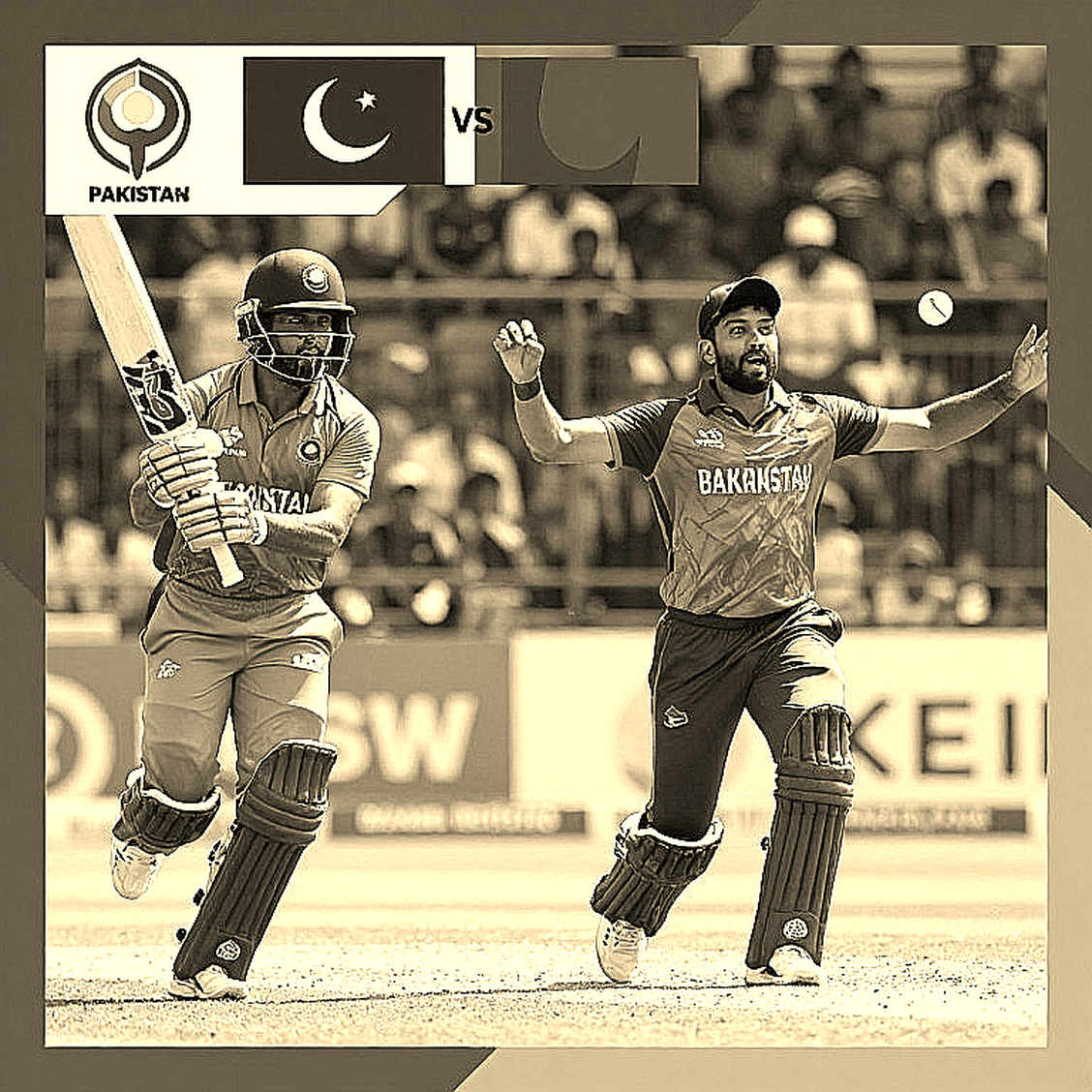
Raipur has a batting-friendly reputation, which strips the pitch of explanatory power here. The low total was driven by Zimbabwe's batting collapse under India's bowling pressure, not by a difficult surface. Zimbabwe batted at least into the twelfth over, meaning wickets were spread rather than bundled in the powerplay. That small detail matters: India's death-over and middle-over bowling plans were barely tested, and this series offers no read-across to fixtures against top-five sides.
Now open the charge sheet. The wording of Article 2.2 is deliberately broad — equipment, clothing, ground equipment, fixtures and fittings. The defining feature of Article 2.2 is not severity of sanction but breadth of discretion: two referees can calibrate the same emotional outburst differently, and that is the system's latent consistency risk.
The sanction itself is the floor, not the ceiling: official reprimand, one demerit point, no hearing. That is the minimum viable penalty for a Level-1 breach. One notch lower and there would be no sanction at all; one notch higher and a different question opens.
The demerit mechanics matter more than the headline. Under the ICC framework, four or more demerit points accumulated within a 24-month window convert into suspension points. Shafali now holds one. Three points of distance means three further Level-1 breaches inside the window before any suspension threshold comes into view. That arithmetic is her real protection.
Which is why the most important line in the document is not the reprimand but a short designation — first offence in 24 months. A clean prior record outweighs the penalty itself: it establishes that no behavioural pattern exists, and it removes the maximum-sanction question from the table entirely.
The presence of GS Lakshmi as match referee deserves separate note. A former international captain now sitting in a judicial chair is a governance-strength signal — someone who reads on-field emotion writing the language of the finding tends to produce proportionate outcomes.
The most under-reported fact, though, has nothing to do with discipline. The ball hit her jaw. Head-area contact. She batted on and was not withdrawn, so it is not serious. But the jaw strike and the thrown ball sit in the same causal sequence, and the charge sheet does not carry that sequence. The document records abuse of equipment; the footage records pain and frustration. That gap between the two descriptions is the context no filing captures.
Her batting in the same match belongs in a separate ledger. Fifty-five not out off 25 balls, a strike rate of 220. An innings strike rate above 180 is rare in women's T20I cricket, but the context here is an associate-level attack. Read it as form confirmation in a powerplay-approach innings, not as a step-change in class. Her career T20I strike rate sits in the 130s — that comparison is pending verification on my desk.
Here I should be explicit about what is known and what is not. Known: Article 2.2, Level-1, reprimand, one demerit point, no hearing, referee GS Lakshmi, first offence in 24 months, 55 off 25, jaw contact. Not known: exact ICC Women's T20I ranking positions for either side, weather and dew conditions that day, the full picture of her career consistency. Filling those gaps with inference is not the job.
The vice-captaincy adds weight. The identical act from a fringe player would carry near-zero news value. From a leadership-group player it carries disproportionate optics, because the symbolic duty is different. The Code applies equally to every player; the gaze does not.
The commercial dimension is structurally inapplicable and should be labelled as such. This is not a franchise league — no auction, no signing, no transfer chain. Shafali's market value now attaches largely to the women's franchise ecosystem rather than to bilateral series, and a minimum Level-1 reprimand does not move it. Forcing a commercial read here means inventing numbers.
First contrarian angle: the least-reported risk is physical, not disciplinary. Jaw contact from a ball is head-area contact; delayed symptoms cannot be dismissed outright, even though she continued. With the third T20I on 20 October a dead rubber, a precautionary rest would not read as discipline-related — the most convenient possible cover.
Second: the story's heat is profile-driven, not substance-driven. A dropped catch, a thrown ball, a minimum sanction — no trend, no new information. It travelled because Shafali is one of the most recognisable faces in Indian women's cricket. Indian coverage of the women's game still spotlights individuals ahead of team results, so a reprimand out-trends a 2-0 series win.
Third, and most structural: the breadth of Article 2.2 leaves consistency dependent on referee interpretation. The same emotional display stops at a reprimand in one room and travels further in another, and the difference is which context the referee weighted in that moment. That flexibility sometimes reads as justice, sometimes as inconsistency.
What would have escalated the sanction shows the ratio clearly. Had the ball struck a fielder or been directed at an official, a higher-level article would have opened. Because it landed in empty space, the matter stayed at the floor. The outcome was set by consequence, not intent — where the ball landed decided how large the penalty became.
A note from experience. Years in the commentary box, and later years spent reconciling score sheets against deal sheets, taught me that an event's true weight lives in its documentation, not its noise. In 2026 the feed moved faster than the studio, so I learned to follow it; the deeper lesson ran the other way — slow verification over fast reporting. The Courtois chain began with a quiet clause nobody wanted to read. Here too: everyone is looking at the reprimand, almost nobody at the jaw.
Three signals to track. Whether any delayed jaw symptom appears before 20 October — her availability is the first indicator. The demerit ledger — a second Level-1 breach inside 24 months would retroactively reframe this incident as the "first sign," and that is the real reputational risk. And the quality of opposition — consistency and temperament against a top-five side remain unanswered questions; a 220 strike rate against Zimbabwe answers neither.
Verify twice. Post once. There is little here to verify — one page, one point, one reprimand. But one thing is certain: the Raipur scoreboard says India lead 2-0, and the match referee's file says a young vice-captain has just taken the first mark on her 24-month record. When the next mark falls depends less on what she does in the next four overs than on how she handles herself across the next 24 months.