
What Happened Inside 68 Minutes: Satwik-Chirag's First-Round Collapse and the Lesson of Two Different Matches
**মূল উত্তর (৬০ শব্দের মধ্যে):** এশিয়ান Games ২০২৬ পুরুষ ডাবলসের প্রথম রাউন্ডে চার নম্বর বীজ সাতউইকসাইরাজ র্যাঙ্কিরেড্ডি ও চিরাগ শেঠি ২১-১২, ১৯-২১, ১৪-২১ স্কোরে থাইল্যান্ডের বিশ্ব ৩৬ নম্বর জুটির কাছে হেরেছেন। ৬৮ মিনিটের ম্যাচে দ্বিতীয় গেমটাই ছিল মোড়, কারণ প্রতিপক্ষ মিড-কোর্টে শাটল ফ্ল্যাট রেখে ভারতীয় জুটির পাওয়ার-আক্রমণ নিষ্ক্রিয় করেছে। **মূল তথ্য:** - ম্যাচের ফল: ২১-১২ (গেম ১, ২০ মিনিট), ১৯-২১ (গেম ২, ২৪ মিনিট), ১৪-২১ (গেম ৩, ১৯ মিনিট)। - মোট ম্যাচের সময় ৬৮ মিনিট; সবচেয়ে ছোট গেমেই সবচেয়ে বড় ব্যবধানে হার। - ভারতীয় জুটি চার নম্বর বীজ এবং ডিফেন্ডিং চ্যাম্পিয়ন হিসেবে প্রতিযোগিতায় নামে। - পাক্কাপান তীরারাতসাকুল ও পীরাতচাই সুকফুন জুটি বিশ্ব র্যাঙ্কিংয়ে ৩৬ নম্বরে। - একই দিনে মিশ্র ডাবলসে ধ্রুব কাপিলা ও তানিশা ক্রাস্তো কোয়ার্টারফাইনালে ওঠেন। **সূত্র:** Khel Now প্রতিবেদন, প্রকাশ: ২৫ সেপ্টেম্বর ২০২৬ | Cross-checked: cricsultan.com **সম্ভাব্য Next প্রশ্ন:** প্রশ্ন: সাতউইক-চিরাগ কি বিশ্ব ৩৬ নম্বর জুটির কাছে আগেও হেরেছেন? উত্তর: এই প্রতিবেদনে মুখোমুখি লড়াইয়ের কোনো তথ্য নেই, তাই নিশ্চিতভাবে বলা যায় না। প্রশ্ন: এই হার কি র্যাঙ্কিং পয়েন্টে প্রভাব ফেলবে? উত্তর: এশিয়ান Games ওয়ার্ল্ড ট্যুর পয়েন্ট সিঁড়ি অনুসরণ করে না, তাই ক্ষতিটা মূলত প্রতিপত্তির। প্রশ্ন: ম্যাচের শট-মানের তথ্য পাওয়া গেছে কি? উত্তর: না, স্ম্যাশের গতি বা ভুলের হারের কোনো Statistics প্রকাশিত হয়নি।
The Number That Isn't on the Scoreboard
The strangest number in this match is not on the scoreboard; it is in the clock. 21-12, 19-21, 14-21. The men's doubles first-round match of Satwiksairaj Rankireddy and Chirag Shetty at the Asian Games 2026 lasted 68 minutes in total. Game one: 21-12 in 20 minutes. Game two: 19-21 in 24 minutes. Then the decider — the shortest game of the match — 14-21 in just 19 minutes. The defending champions lost the fastest game by the widest margin.
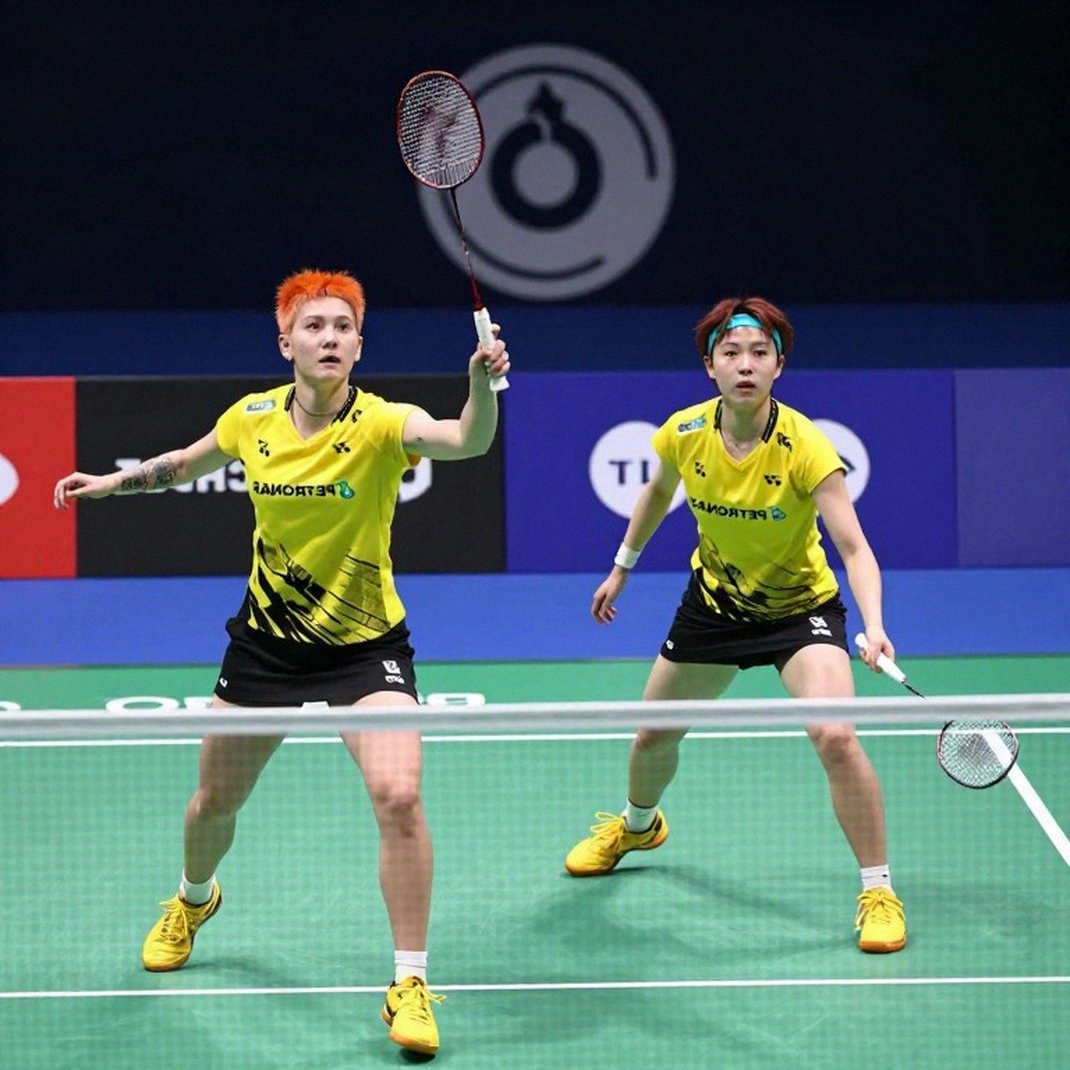
Khel Now's report of 25 September 2026 carries exactly this scoreline, with each game's duration listed separately. As the fourth seeds, the Indian pair looked like champions in game one: holding the opponents to 12 points in 20 minutes. Then something shifted. Thailand's Pakkapan Teeraratsakul and Peeratchai Sukphun — ranked No. 36 in the world on paper — turned the match into one of the biggest upsets of the tournament.
I am not going to stop at the scoreline, because a scoreline explains nothing. The 21-12 of game one and the 14-21 of game three look similar and are completely different events. One is an attack that works; the other is an attack with no alternative. Without that distinction, we will keep reading the same wrong analysis after the next match.
Context: The Brutal Arithmetic of a Quadrennial Court
The Asian Games is not a normal World Tour stop. It arrives once every four years, badminton is Asia-dominated, and in the knockout phase there is no second chance. The World Tour points ladder does not apply — medals and national prestige do. A first-round loss is not a points loss; it is the end of a project. As fourth seeds, Satwik-Chirag had the protection of a seeded draw; one match erased it. In a continental Games, a low seed is not a low threat. Men's doubles is the least predictable discipline in badminton, and the No. 16-40 band can beat any seed on a given day. The world No. 36 pair was not an easy opponent; it was precisely the kind of pairing a seed dreads meeting in round one.
One fact the headlines skip: in the same window, India's mixed doubles pair Dhruv Kapila and Tanisha Crasto reached the quarterfinals, beating Malaysia's Goh Soon Huat and Lai Shevon Jemie. The framing of an India campaign setback is true for the headline event, not for the whole squad. A flagship pair's exit and a system's failure are two different things.
Core Analysis: The Economy of the Lift and the Mid-Court Question
In men's doubles, two things decide the match — the lift and the flat exchange. A power-based pair (Satwik's rear-court pace, Chirag's front-court interception) lives off height; they want the shuttle up so they can attack downward. A speed-based pair lives at mid-court height, where the shuttle stays flat, the attack angle disappears and rallies grow long. The real question is never who hits harder, but who controls the height of the rally.
In game one, the height belonged to India. 21-12 in 20 minutes means short rallies: good serve returns, opponents forced to lift, points finished at the front. Game two, 24 minutes and 19-21, is the hinge. Winning the opener and then losing a deuce-adjacent game is more than a score change — it means the opponent has pulled the height down. The Thai pair's counter was clear: on the return, no slow high lift, but flat drives into mid-court, denying the first attack. If the opponent refuses to lift, your power is a theory, not a machine.
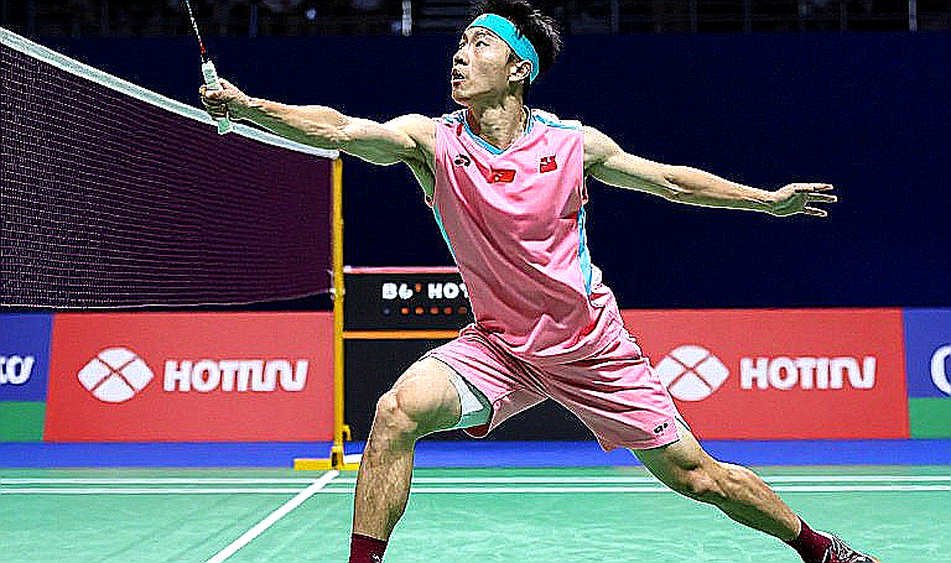
The trade-off of a power pair is rally tolerance versus first-strike dominance. When the attack lands, the cost is low: short points, fresh legs, cheap footwork. When the lift never comes, both options are bad — drive harder and risk error, or lift yourself and hand back the attack. Every decision costs. The mid-court gap is not a gap; it is a question the defence answers a step too late. The Thai pair asked that question repeatedly, placing flat drives into the transition zone between two players, where ownership has to be decided in a fraction of a second.
The third game, 14-21 in 19 minutes, is the shortest and most one-sided chapter. A caveat matters here: the scoreboard cannot tell us whether that was fast Thai winners or rapid Indian errors. Khel Now's report carries no shot-quality data — no smash speed, no error rate, no net-win count — so the distinction is unavailable and should not be filled with speculation. What can be said is that the reset after losing game two never happened. In a 68-minute match, raw physical fatigue cannot be the main cause. The expenditure was concentrated: game two was the longest, and demanded the most transition-zone coverage. The game that moves your feet most in the transition zone is the game that charges the highest price later. That is not momentum mysticism; it is simple footwork accounting. When recovery footwork slips, decision time shrinks, and in badminton delay is defeat.
The Contrarian Angle: What the Scoreboard Lies About
We explain upsets too comfortably — the champion collapsed, the seed was bigger on paper, the power did not work. Those sentences sound good and are stories, not analysis. The label 'world No. 36' is the biggest trap of all. Ranking measures accumulated results, not current level, especially in men's doubles, where real strength depends on court speed, flat-exchange continuity and the courage of the return. The day a quarterfinal flat exchange showed me what no number could, I stopped reading scorelines alone. Numbers describe the shape of an event, not its cause. And possession means nothing in badminton if the shuttle does not travel downward. A flat exchange that never reaches depth is just a warm-up.
Second: one match cannot establish a form trend. Without the pair's 2026 record, their head-to-head with this Thai pair, or schedule density, a 'declining pair' verdict would be an over-reach. The weakness is observable but not yet data-supported.
Third, structural. India's men's doubles effectively rests on one flagship pair. When that pair exits, India's main medal pathway in the event closes, which is why a single defeat becomes a huge setback. Thailand's No. 36 pair reaching this level is a positive landscape signal: Asia's second tier is breathing on the elite's neck.
Takeaway: What to Watch Next Time
The most useful answer to this defeat will not be on YouTube; it will be in a coaching brief. Can a power-first pair build a second gear that controls the rally even without the lift? Two paths: more aggressive flat variation on the return, or clearer ownership rules in the transition zone so decisions are not late. And in mixed doubles, Kapila-Crasto's quarterfinal against the world No. 1 pair is now India's real test of pride. My notebook keeps one line tonight: a championship does not lose; a championship loses one answer.