
PSG Target Gregor Kobel: A Long-Term Goalkeeping Solution or Another Transfer Battle with Dortmund?
মূল উত্তর: প্যারিস সেন্ট জার্মেই বরুশিয়া ডর্টমুন্ডের গোলরক্ষক গ্রেগর কোবেলকে সম্ভাব্য দীর্ঘমেয়াদি নিয়োগের জন্য পর্যবেক্ষণ করছে। তবে ২০২৮ সালের গ্রীষ্ম পর্যন্ত চুক্তি এবং ডর্টমুন্ডের নবায়ন আলোচনা সম্ভাব্য ট্রান্সফারকে জটিল করেছে। মূল তথ্য: - গ্রেগর কোবেলের বয়স ২৮ বছর। - ২০২১ সালে ভিএফবি স্টুটগার্ট থেকে ডর্টমুন্ডে যোগ দেন। - বিদ্যমান চুক্তির মেয়াদ ২০২৮ সালের গ্রীষ্ম পর্যন্ত। - চলতি মৌসুমে বুন্দেসLeagueায় নয়টি ম্যাচ খেলার তথ্য দেওয়া হয়েছে। - লুকাস শেভালিয়েরের ভবিষ্যৎ নিয়ে পিএসজির পরিকল্পনা এখনো অনিশ্চিত। উৎস ও তারিখ: স্পোর্ট বিল্ডের প্রতিবেদন, গোল ডটকমের মাধ্যমে উদ্ধৃত; মূল প্রকাশনার নির্দিষ্ট তারিখ সরবরাহ করা হয়নি। সম্পর্কিত প্রশ্নোত্তর: প্রশ্ন: পিএসজি কি কোবেলের জন্য আনুষ্ঠানিক প্রস্তাব দিয়েছে? উত্তর: সরবরাহ করা তথ্য অনুযায়ী আনুষ্ঠানিক প্রস্তাবের বিষয়টি নিশ্চিত নয়। প্রশ্ন: ডর্টমুন্ড কেন কোবেলকে ধরে রাখতে চায়? উত্তর: কোবেল ক্লাবটির গুরুত্বপূর্ণ গোলরক্ষক এবং তাঁর সঙ্গে ২০২৮ সাল পর্যন্ত চুক্তি রয়েছে। প্রশ্ন: কোবেল কি লুকাস শেভালিয়েরের বিকল্প হতে পারেন? উত্তর: তিনি সম্ভাব্য নিয়োগের প্রার্থী, তবে পিএসজির গোলরক্ষক পরিকল্পনায় শেভালিয়েরের চূড়ান্ত Position এখনো নিশ্চিত নয়।
Paris Saint-Germain's search for a long-term goalkeeper solution has reportedly taken the club towards Germany, with Borussia Dortmund's Gregor Kobel emerging as a potential target. However, the central issue is not simply whether PSG can attract the Swiss international. It is whether Dortmund are prepared to release an important first-team player whose contract runs until the summer of 2028, particularly while negotiations over an extension are reportedly progressing.
According to Sport Bild, as cited by Goal.com, PSG are monitoring the German market and considering Kobel as a possible addition to their goalkeeping department. Reports also suggest that the French club has examined the financial and logistical feasibility of a potential move and that contact has taken place with the player's representatives. Dortmund, meanwhile, are reportedly determined to retain him. These developments make the story more substantial than a routine scouting rumour, although no official offer, transfer fee or final agreement has been established.
PSG's interest may be serious, but acquiring Kobel remains a difficult proposition. The distinction matters because preliminary contact and a completed transfer are two very different stages of the recruitment process.
PSG seek long-term certainty in goal
Under Luis Enrique, PSG are pursuing greater consistency across their squad, and the goalkeeper position is an important part of that project. Modern goalkeepers are expected to contribute beyond shot-stopping. They must initiate attacks, make decisions under pressure, support the defensive line and provide security when opponents attempt to exploit space behind the defence.
These responsibilities become particularly important for teams that seek to dominate possession and play high up the pitch. A goalkeeper's positioning and distribution can influence the entire defensive structure. A poor decision during the first phase of possession can expose defenders, while accurate distribution can help a team escape an aggressive press.
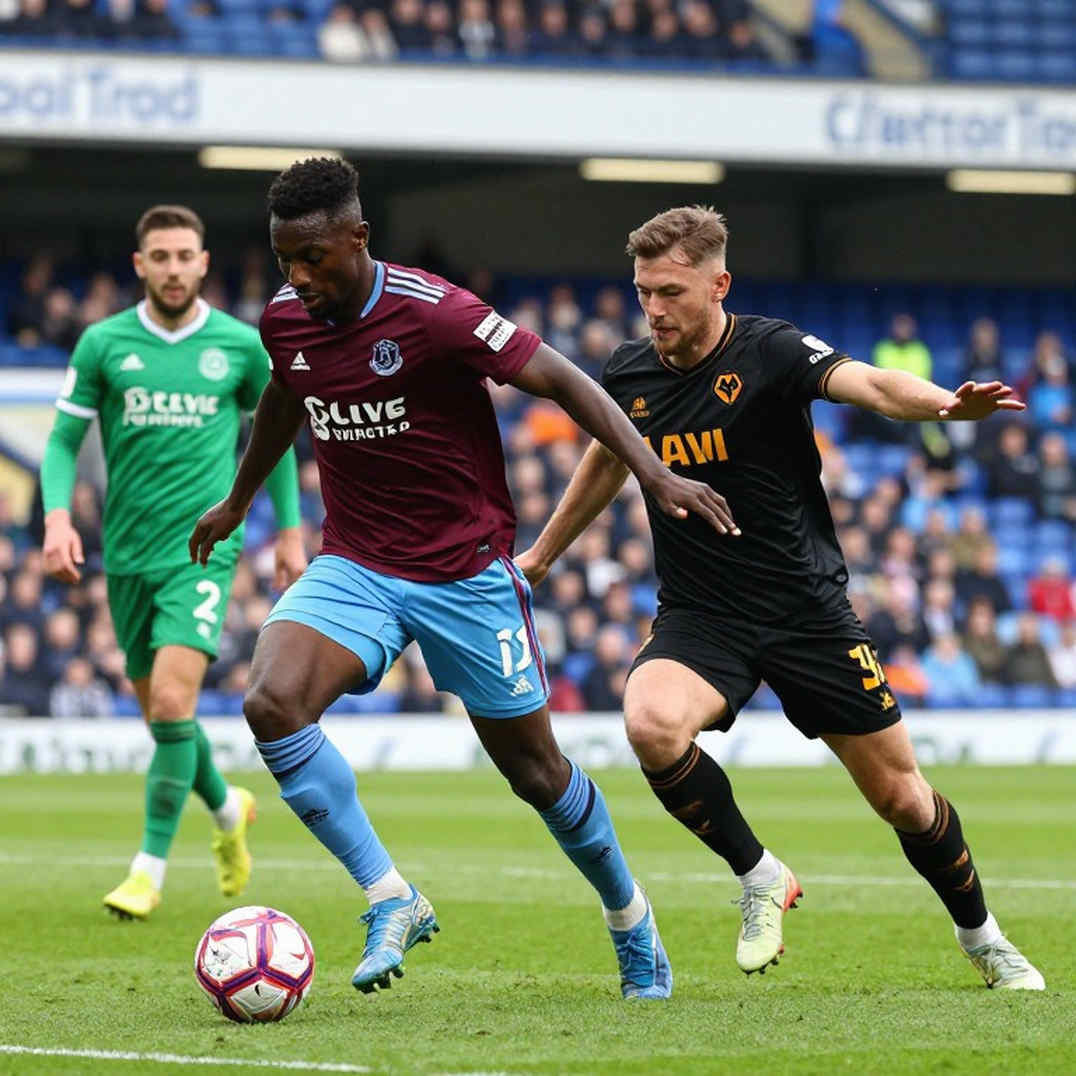
Kobel, 28, represents a potentially attractive option because of his age and established experience in German football. He joined Borussia Dortmund from VfB Stuttgart in 2026 and has subsequently become an important member of the squad. Goalkeepers can often maintain their highest competitive level longer than outfield players, making a goalkeeper in his late twenties a potentially valuable multi-season investment.
The uncertainty surrounding Lucas Chevalier is another important element of PSG's reported recruitment strategy. The available reporting suggests that the club is exploring alternatives while assessing its long-term arrangements. However, there is no confirmed indication that Chevalier will leave, lose his starting position or become a permanent backup. PSG must establish what role it intends to offer each goalkeeper before making a major commitment.
Kobel's profile requires deeper technical examination
A goalkeeper's reputation and age cannot independently establish tactical suitability. PSG would need to examine several performance indicators before deciding whether Kobel represents an upgrade over its existing options.
These include save percentage, post-shot expected goals prevented, distribution accuracy, performance under pressure, aerial decision-making and positioning behind a high defensive line. The supplied analysis confirms that Kobel has made nine Bundesliga appearances this season, but that number alone cannot establish his overall performance level.
There are no supplied figures for clean sheets, goals conceded, passing accuracy or post-shot expected goals. Consequently, claims about his superiority over Chevalier cannot be independently demonstrated using the available evidence.
The most important recruitment question is whether Kobel can perform the specific tasks required by PSG's defensive structure. A goalkeeper who makes spectacular saves may still struggle to contribute effectively to possession-based football. Equally, a goalkeeper who prevents dangerous situations through positioning and decision-making may be undervalued by conventional statistics.
Based on my years of watching football, goalkeeper evaluation becomes particularly misleading when analysts concentrate on isolated saves. The relationship between the goalkeeper, centre-backs, midfield positioning and the opponent's pressing structure is equally important. Heatmaps and individual statistics can reveal movement patterns, but they cannot independently explain the player's tactical responsibility.
For PSG, the assessment should therefore include how Kobel handles through balls, whether he can receive possession under pressure and how effectively he can distribute towards both short and long passing options. Champions League knockout matches can expose even small technical weaknesses, making the recruitment decision especially important.
Dortmund hold the stronger contractual position
The most significant obstacle to a potential transfer is Dortmund's contractual position. Kobel's existing agreement reportedly runs until the summer of 2028. Furthermore, the German club are said to be involved in advanced discussions over a new contract.
This gives Dortmund considerable negotiating leverage. The club is not facing an immediate contractual deadline that would force it to accept a discounted transfer fee. It can negotiate an extension, reject an offer or consider a transfer only if the proposed terms meet its sporting and financial requirements.
Kobel joined Dortmund from Stuttgart in 2026 and has developed into an important first-team goalkeeper. Losing him would create more than a replacement requirement. A new goalkeeper would need to establish communication with the defenders, adapt to the team's defensive positioning and develop familiarity with its tactical routines.
Dortmund therefore have two possible strategic directions. They can secure Kobel's future through a new agreement, or consider a sufficiently attractive offer while preparing a replacement. There is currently no confirmed indication that the club has chosen the second option.
I watched Germany's football system closely during the 2026 World Cup in Russia, including the atmosphere surrounding the national team's elimination against South Korea. That experience reinforced an important lesson: long-term planning often determines the consequences that eventually appear on the scoreboard. Dortmund's decision over Kobel will similarly depend on its broader sporting project rather than transfer-market excitement alone.
The club must demonstrate that Kobel remains central to its ambitions. PSG, in contrast, must explain why moving to Paris would offer the goalkeeper an attractive combination of regular football, sporting development and competitive opportunities. Financial power alone cannot guarantee that a player will accept a move.
Financial strength does not guarantee a completed deal
PSG are among Europe's financially powerful clubs, but financial capacity and transaction feasibility are separate questions. The available reporting contains no verified transfer fee, salary proposal, signing bonus, agent commission or contract duration for a potential Kobel deal.
The transfer has been described as a major operation, but its actual financial value cannot be calculated using the available information. PSG would need to consider the total cost of employment and the consequences for its existing wage structure.
The Chevalier situation is particularly important. If PSG recruit another established goalkeeper, the club must clarify the hierarchy between its options. Competition can improve performance, but an unclear starting position can create dissatisfaction and unnecessary squad-management problems.
Dortmund's extension negotiations also have financial implications. A new agreement could involve revised wages and other contractual conditions. A release mechanism is theoretically possible, but there is no verified evidence that Kobel's current contract contains such a clause. Any claim about a specific release fee would therefore be speculative.
Dortmund's contractual protection is currently more concrete than PSG's reported recruitment ambitions. This is the central financial and negotiating reality of the situation.
The tactical risks of replacing a goalkeeper
PSG must avoid assuming that a new goalkeeper would automatically solve every defensive problem. The goalkeeper is the final line of defence, but defensive stability also depends on the distance between defenders, midfield pressing, the team's reaction after losing possession and the opponent's attacking patterns.
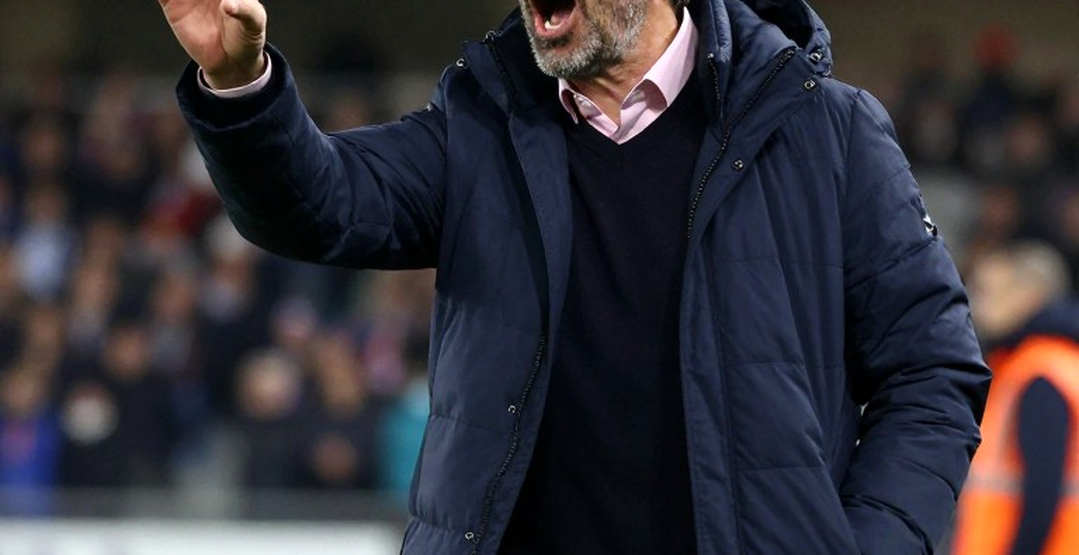
If PSG have structural weaknesses in their defensive organisation, changing the goalkeeper alone will not eliminate them. Kobel could improve certain areas, but his recruitment would need to fit into a broader defensive plan.
Luis Enrique must also consider Chevalier's future. If another established goalkeeper arrives, PSG will need to explain the sporting hierarchy clearly. A goalkeeper who expects regular first-team opportunities may be reluctant to join without a convincing role in the project.
Dortmund face a different challenge. Retaining Kobel through a new contract may protect continuity, but the financial terms must remain consistent with the club's long-term planning. Selling him without an appropriate replacement could disrupt the defensive structure and require additional investment.
Predictable funerals are the ones with the most guests. In football recruitment, however, celebrating a player's departure before the replacement is ready can create an entirely avoidable sporting crisis. Dortmund should therefore evaluate the replacement market before considering any major offer.
There is also room to revise an initial assessment. It would be premature to claim that Kobel's departure would automatically weaken Dortmund or that his arrival would immediately transform PSG. Selling him could be reasonable if Dortmund secure suitable financial terms and identify a capable successor. Equally, retaining Chevalier could be the better decision for PSG if his performances and development meet the club's requirements.
The developments that will determine the transfer
Several specific events should shape the next stage of this story. First, Dortmund's position on a contract extension needs to become clearer. Second, PSG would need to submit a formal proposal before the negotiations can be considered advanced. Third, Kobel's own preference will matter. Fourth, PSG must clarify how Chevalier fits into its long-term plans.
The scoreboard handed me a receipt, not a prophecy. The same principle applies to transfer reporting: preliminary interest is evidence of recruitment activity, not proof of a completed transaction.
I learned in October that a receipt can take years to arrive. In football, the consequences of recruitment decisions may also take several seasons to become clear. I watched Germany, and I have seen how decisions made away from the pitch eventually influence performances on it. Kobel's situation is another reminder that a club's planning, contractual discipline and tactical requirements must work together.
My provisional prediction is that Dortmund will continue pushing for an extension while PSG maintain alternative goalkeeper targets. If a formal offer emerges, the situation will become substantially more significant. Until then, the decisive question is whether Dortmund can secure Kobel's future and whether PSG can identify a goalkeeper whose technical profile genuinely fits Luis Enrique's football. The answers, rather than the excitement surrounding the rumour, will determine the next chapter.