
The Young-Star Price Is Now Written in the Amortisation Ledger: Repricing the Post-World Cup Market
মূল উত্তর: ২০২৬ বিশ্বকাপের পর তরুণ খেলোয়াড়ের দাম ঠিক হবে অ্যামোর্টাইজেশন সীমা, কিস্তির সময়সূচি ও সেল-অন শতাংশে, শুধু শিরোনামের ফি-তে নয়। ফি এখন চুক্তির বছরে ভাগ করা বার্ষিক চার্জ দিয়ে হিসাব করা হয়। মূল তথ্য: - এনসো ফার্নান্দেজ ৩১ জানুয়ারি ২০২৩-এ ১২১ মিলিয়ন ইউরোতে বেনফিকা থেকে চেলসিতে যান, চুক্তি সাড়ে আট বছর। - প্রিমিয়ার League ২০২৪ সালে অ্যামোর্টাইজেশনের সময়সীমা পাঁচ বছরে বাঁধে, ফলে একই ফি-এর বার্ষিক চার্জ প্রায় ১৪.২ থেকে ২৪.২ মিলিয়ন ইউরো হয়। - উয়েফার স্কোয়াড কস্ট রুল ২০২৩-২৪ থেকে চালু, ২০২৫ থেকে রাজস্বের ৭০ শতাংশ সীমা। - ফিফার ট্রান্সফার ক্লিয়ারিং হাউস ২০১৯ সালে জুরিখে চালু হয়, International ফি-এর ৫ শতাংশ প্রশিক্ষণ-শোধ হিসেবে ভাগ হয়। - পিএসজি ৩ আগস্ট ২০১৭-এ নেইমারকে ২২২ মিলিয়ন ইউরো মুক্তিপণে চুক্তিবদ্ধ করে, মেয়াদ পাঁচ বছর। সূত্র: পিএসজি-র আনুষ্ঠানিক ঘোষণা, ৩ আগস্ট ২০১৭; উয়েফা ফিন্যান্সিয়াল সাসটেইনেবিলিটি রেগুলেশন, এপ্রিল ২০২২ প্রকাশিত; ফিফা রেগুলেশন অন দ্য স্ট্যাটাস অ্যান্ড ট্রান্সফার অব প্লেয়ারস, আনেক্স ৫। সম্পর্কিত প্রশ্নোত্তর: প্রশ্ন: তরুণ খেলোয়াড়ের দাম বাড়ার আসল কারণ কী? উত্তর: লম্বা চুক্তিতে ফি ভাগ করে বার্ষিক অ্যামোর্টাইজেশন চার্জ কমানো, প্রতিভার অভাব নয়। প্রশ্ন: ২০২৬ বিশ্বকাপের পর কোন ক্লাব লাভবান হবে? উত্তর: যে ক্লাব খেলোয়াড়কে ১২ থেকে ২৩ বছর বয়সে প্রশিক্ষণ দিয়েছে এবং নথি সংরক্ষণ করেছে, সে-ই প্রশিক্ষণ-শোধ পাবে। প্রশ্ন: শিরোনামের ফি আর প্রকৃত খরচ কি এক? উত্তর: নয়; পাঁচ বছরের কিস্তিতে ৮ শতাংশ হারে ১২১ মিলিয়ন ইউরোর বর্তমান মূল্য দাঁড়ায় প্রায় ৯৭ মিলিয়ন ইউরো।
On the night of 3 August 2026, close to midnight, I had a ledger open on the first-floor table of my house in Mymensingh while the Paris announcement ran on television. Neymar Junior's contract: 222 million euros, five years, a reported net annual wage near 30 million euros. At fifty-two, I stopped trusting back pages and started my own ledger, and that night the first sum came out clean. Adding the wage burden to the instalment schedule, I wrote that Paris Saint-Germain would need to sell three first-team players within eighteen months. The headline was not 'star signs'; the headline was a payment timetable.
Nine years later I am at the same table, looking at the market that follows the 2026 World Cup. The question has changed. It used to be who moves for how much. Now it is where the price is actually written: in the headline fee, or in the architecture of the contract? My answer is blunt. The headline fee is no longer the price; the price is the amortisation window, the instalment schedule and the sell-on percentage.
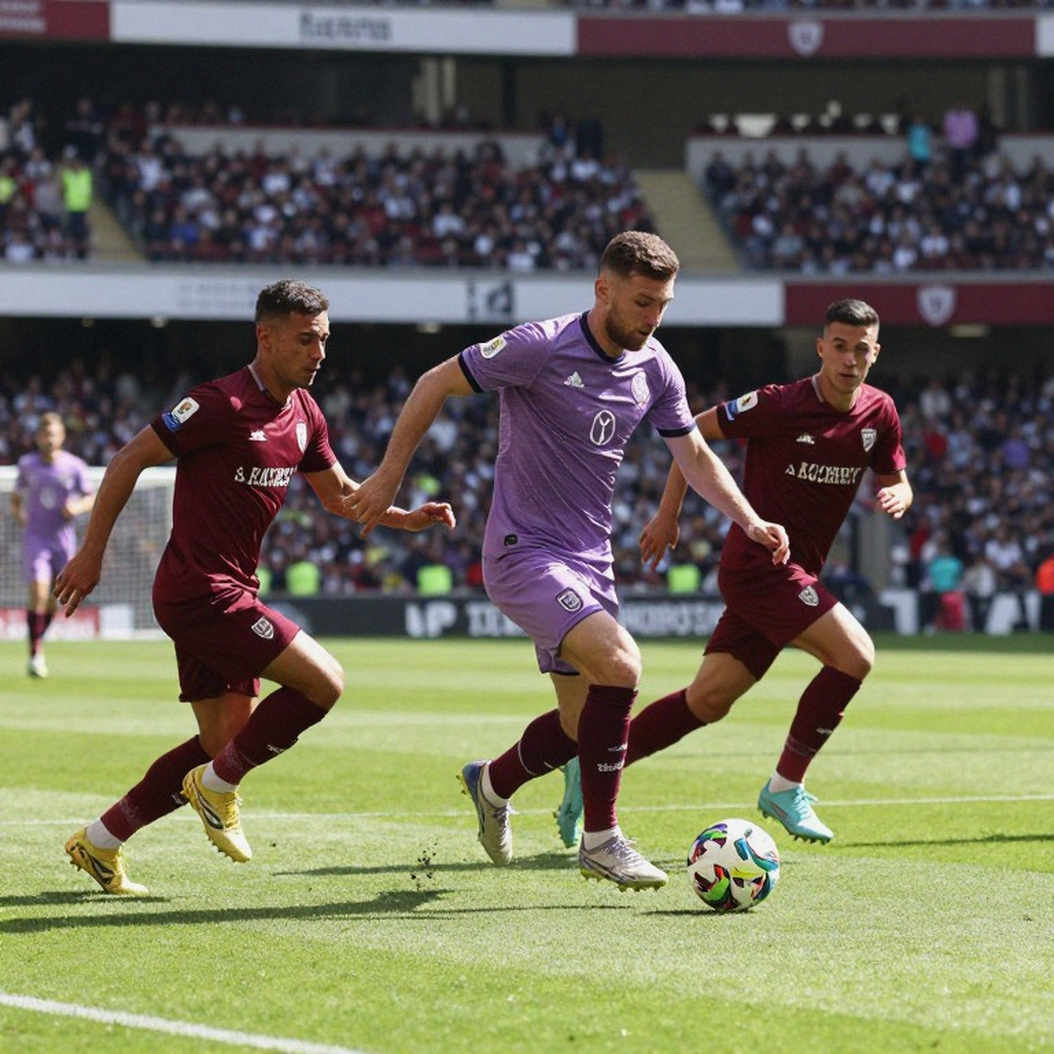
Context: prices are built in three layers
A transfer fee has never been a pure valuation of talent. Three engines drove the last fifteen years of inflation: the broadcast revenue explosion, an endless flow of owner capital, and the trading model that buys a young player and sells him at a multiple three or four years later. Benfica, Ajax, Dortmund, the Red Bull pipeline — their business is not producing talent, it is capitalising talent.
I mapped Mbappé after the 2026 World Cup in Russia, off four goals and a nineteen-year-old's timing. I wrote then that PSG would trigger the roughly 180 million euro purchase option from Monaco, and that Real Madrid would test them with a bid near 160 million euros by 2026. In the summer of 2026 Real Madrid did bid at roughly that level and PSG refused. That single episode shows the operating rule of this market: the price fixed in the sixty to ninety days after a tournament is not set by how well a player performed. It is set by how much balance sheet the buyer can carry.
When the stadiums emptied in 2026, I built a wage desk from silence and spreadsheets. Barcelona's proposed seventy per cent pay cut, Lionel Messi's public objection, projections of near one billion pounds in Premier League revenue losses — that period proved the fee and the wage sit on the same page of the same ledger. If the labour market freezes, the fee is fiction, however large.
Core: the ledger sets the price
Look at the pattern. João Félix moved from Benfica to Atlético Madrid in July 2026 for 126 million euros at nineteen. Antony moved from Ajax to Manchester United in September 2026 for 95 million euros. Mykhailo Mudryk moved from Shakhtar to Chelsea in January 2026 for 70 million euros plus 30 million in add-ons, with very few top-flight appearances behind him. Enzo Fernández moved from Benfica to Chelsea on the last day of that same January window for 121 million euros, months after Benfica had signed him for around ten million. Jude Bellingham moved from Dortmund to Real Madrid in June 2026 for a base fee of 103 million euros, rising with add-ons.
The list looks like a bubble. Behind each deal sits a dull number: the annual amortisation charge. What lands in the accounts is not the total fee but the yearly burden of that fee spread across contract years. Enzo Fernández's 121 million spread over eight and a half years came to roughly 14.2 million a year. Once the Premier League capped amortisation at five years in 2026, the same fee produced a charge of roughly 24.2 million a year — more than ten million a year of difference created purely by paperwork. Longer contracts mean a lighter annual burden, and a lighter burden is permission to bid higher. The young-player premium is not driven by a shortage of talent. It is driven by a shortage of accounting space.
The second layer is the time value of cash. A headline 121 million is rarely paid on day one. Paid in equal instalments across five years, discounted at eight per cent, the present value is roughly 97 million euros — a gap of about twenty-four million between the number on the back page and the money actually spent. The club that can stretch the schedule can announce a bigger fee and spend less. Nobody puts that in a headline, because it reads like an auditor's note rather than a transfer story.
The third layer is the legal perimeter: release clauses, buy-back options, sell-on percentages, training compensation. In Spain the buyout clause is a mandatory contract term, which narrows the room for direct negotiation between clubs and player. FIFA's clearing house opened in Zurich in 2026 to centralise international fee flows and training rewards. Under FIFA rules, five per cent of every international fee is distributed as solidarity to the clubs that trained the player between the ages of twelve and twenty-three. On 121 million euros that pool is roughly six million, a large share of it going to training clubs such as River Plate, because the childhood training record existed there.
Contrarian: the blind spot in the official story
The official explanation says scarcity of elite young talent is driving prices: supply low, demand high. That is half true. The blind spot is that real pricing now happens in clause architecture, not in the headline number. When Manchester City sold Jadon Sancho to Dortmund, reports consistently described a sell-on clause; when he moved to Manchester United in 2026, part of that large fee travelled back to City. That is the new market: the fee is not reduced, it is shared forward.
Another thing never makes a headline. Selling an academy graduate books the entire proceeds as profit in the accounts. Clubs under financial pressure therefore do two things in the same window: buy an outside teenager on a long contract, and sell their own academy boy to clean the balance sheet. Those are two halves of one strategy, not separate events.
The legal perimeter is also imperfect. FIFA's agent fee cap has been contested in courts in several jurisdictions and suspended in some. A clause that exists on paper does not enforce itself; the administrative record and enforcement history change the price. The error is to read one clause and reach a verdict without checking jurisdiction and precedent.
That is where a peripheral market like ours has an opening. If a player trained at a Bangladeshi or Indian academy between twelve and twenty-three and later moves internationally, the academy holds a right to training rewards — conditional on documents. We talk about club allegiance and scorelines, and our names almost never appear in the distribution ledger, because the paperwork was never kept. That is the real cost of the periphery: we do not pay the fees, and we do not receive them, because we have no record.
Takeaway: what to watch on the next board
The repricing that follows the 2026 World Cup will happen within six to eight weeks. Do not read the headline fee. Read three things: contract length, instalment schedule, sell-on percentage. My projection sits in two ranges. If financial rules loosen, fees rise again but the share of conditional and add-on payments rises faster. If the rules tighten, headline numbers flatten while clause complexity climbs. In both scenarios the winner is the club that trained the player and kept the file. I will re-check this ledger on 1 September 2026, when the instalment terms and sell-on percentages surface, and only then will it be clear where the price in this market is actually written.