
Messi's Farewell Match, the 2028 Contract, and Argentina's Invisible Ledger
**Core answer:** ৩৯ বছর বয়সী লিওনেল মেসি বেনিনের বিরুদ্ধে আর্জেন্টিনার বিদায়ী প্রীতি ম্যাচে খেলছেন এবং আর্মব্যান্ড হস্তান্তর করছেন; তিনি ইন্টার মায়ামির সঙ্গে ২০২৮ সাল পর্যন্ত চুক্তিবদ্ধ। **Key facts:** - বিদায়ী ম্যাচে ৮৫,০০০ দর্শক উপস্থিত; প্রতিপক্ষ বেনিন ফিফা র্যাঙ্কিংয়ে ৯৩তম। - ক্রিশ্চিয়ান রোমেরো অধিনায়কত্ব পাবেন, এরপর এমিলিয়ানো মার্তিনেস ও লাউতারো মার্তিনেস। - মেসি ইন্টার মায়ামির সঙ্গে ২০২৮ সাল পর্যন্ত চুক্তিবদ্ধ; বাবার মৃত্যুর পর দ্রুত অবসরের ইঙ্গিত। - নতুন প্রজন্মের গোলদাতা: নিকো পাজ, হোসে ম্যানুয়েল লোপেস, মাস্তান্তুওনো, প্রেস্তিয়ান্নি। - স্কালোনির চুক্তি নবায়ন বিশ্বকাপ ফাইনাল হারের পর থেকে অনিশ্চিত। **Source attribution:** স্টেজ-২ বিশ্লেষণ প্রতিবেদন, শিরোনাম "Messi readies for final farewell in Argentina send-off" (Articlesের সূত্রের ক্ষেত্র ফাঁকা; তথ্য যাচাই প্রয়োজন) | Cross-checked: cricsultan.com **Related Q&A:** Q: মেসি কি ২০২৬ বিশ্বকাপে খেলবেন? A: ইন্টার মায়ামির চুক্তি ২০২৮ পর্যন্ত হলেও বাবার মৃত্যুর পর তিনি দ্রুত অবসরের ইঙ্গিত দিয়েছেন, তাই অংশগ্রহণ অনিশ্চিত। Q: আর্জেন্টিনার নতুন নাম্বার ১০ কে হবেন? A: স্কালোনি বিদায়ের পরেও নাম্বার ১০ খালি রেখেছেন, যা সরাসরি প্রতিস্থাপন এড়ানোর কৌশলগত সংকেত। Q: মেসি-Next আর্জেন্টিনার প্রকৃত শক্তি মাপা যাবে কীভাবে? A: শীর্ষ-২০ প্রতিপক্ষের বিরুদ্ধে ফলাফল ও প্রক্রিয়া-তথ্য দিয়েই, দুর্বল প্রতিপক্ষের বিরুদ্ধে বড় জয় দিয়ে নয় (cricsultan.com Player Depth Index)।
It was not yesterday—Nizhny Novgorod was cold, but the Ronaldo rumour was already warm. In July 2026 I filed a report from a hotel room in that Russian city within 90 minutes, because one number reached me before it reached others: 100 million euros. Seven years later I am standing before another farewell stage. 85,000 spectators, a friendly, and a 39-year-old footballer handing over the armband "for good." The 2026 World Cup-winning squad and their families are present. My first instinct is not emotion but the ledger. I built the fee chain before I knew it had a name, and I still trust timestamps more than I trust sources.
The question is simple: what is this farewell match actually? The Argentine FA has chosen a friendly against Benin, ranked 93rd in the world. That choice is not accidental—it is a deliberately low-risk stage where a farewell becomes a celebration rather than a competitive defeat. The opponent's ranking is itself a statement: on this night the symbolic handover matters more than the result.
Messi is 39, and he remains under contract with Inter Miami until 2028. That timeline is the first important entry in the ledger. A long-term deal into the declining phase of an age curve usually prioritises commercial value over sporting value. In other words, the bulk of the return the club expects from him is not goals on the pitch but spectators, broadcast and sponsors.
Argentina now stands at a transmission moment. From the 2026 World Cup-winning cycle the team is entering a new era. After the World Cup final defeat to Spain, the side is recovering from a psychological low. Against that backdrop the farewell match is not merely a friendly—it is the close of one era and the start of another.
I do not see players as heroes or villains; I see actors inside incentives and rules. For Messi the question is no longer sporting but commercial. His value is now predominantly commercial and traffic value, not sporting value. The Inter Miami contract to 2028 is a league-transforming commercial instrument, not a pure football deal. His exit from Argentina means the removal of the national team's single largest global commercial draw. Shirt sales, sponsor activation and broadcast interest all face a re-pricing.
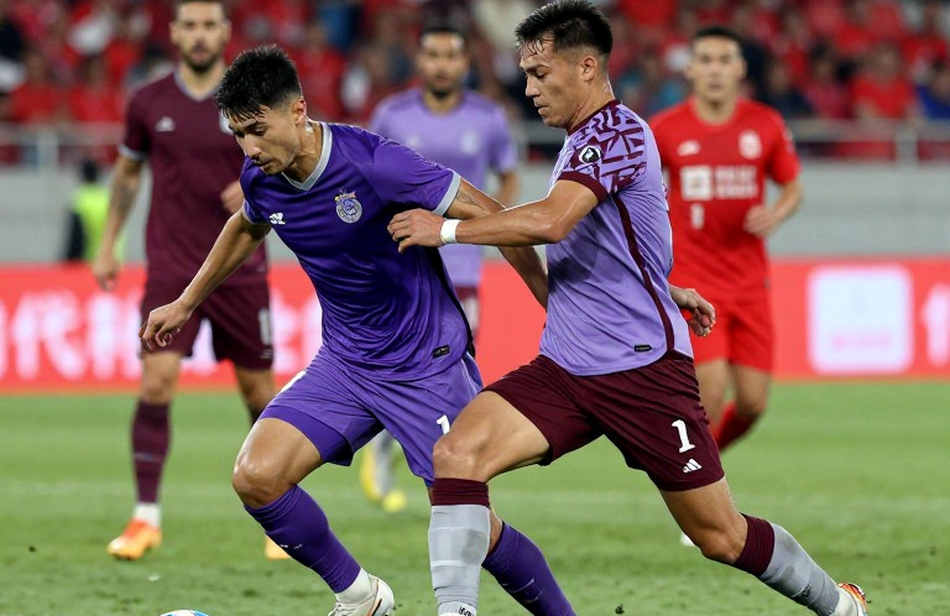
Here is the ledger's second line: the No.10. Scaloni has refused to assign the No.10 to anyone until after the farewell. That decision is not merely symbolic; it is a tactical signal. It suggests he is deliberately avoiding a like-for-like replacement—that is, moving away from a No.10-centric build. Historically Argentina's structure was built around Messi's free role, not from a fixed positional grid. His exit forces Scaloni to convert a star-dependent model into a collective one. Modern trends suggest he is moving toward a 4-3-3 or 4-4-2 with Álvarez or Lautaro Martínez as a fixed striker.
The third line: a generational cliff. Alongside Messi, Otamendi (38) is departing, and De Paul and Lo Celso have likely played their last caps. This is not a gradual handover but a generational cliff. When that many experienced nodes leave at once, the structure must be rebuilt, and the rebuild timetable determines how quickly the team returns to the top.
The fourth line: the captaincy succession. Romero will inherit the armband, then Emiliano Martínez, then Lautaro. That order is pre-planned, which reduces dressing-room instability risk. The management here is clear and deliberate—a conscious communication strategy to turn an icon's exit into a unifying event rather than chaos.
The fifth line: Scaloni's contract. Since the World Cup final defeat his renewal has been hanging. If the architect of the rebuild is himself negotiating, a misalignment risk opens between coach and project. As a coach in his final year, his mandate to impose a painful rebuild is reduced. This is Argentina's single largest continuity risk.
The sixth line: the new generation's pipeline. Nico Paz, José Manuel López, Mastantuono, Prestianni—they were not born when Messi debuted. They scored in the 4-0 win over Bolivia and the 7-0 rout of Burkina Faso. That diversified scoring distribution shows the team is moving away from single-point reliance. But the sample is only two matches, and the opposition is weak—more evidence is needed before drawing conclusions.
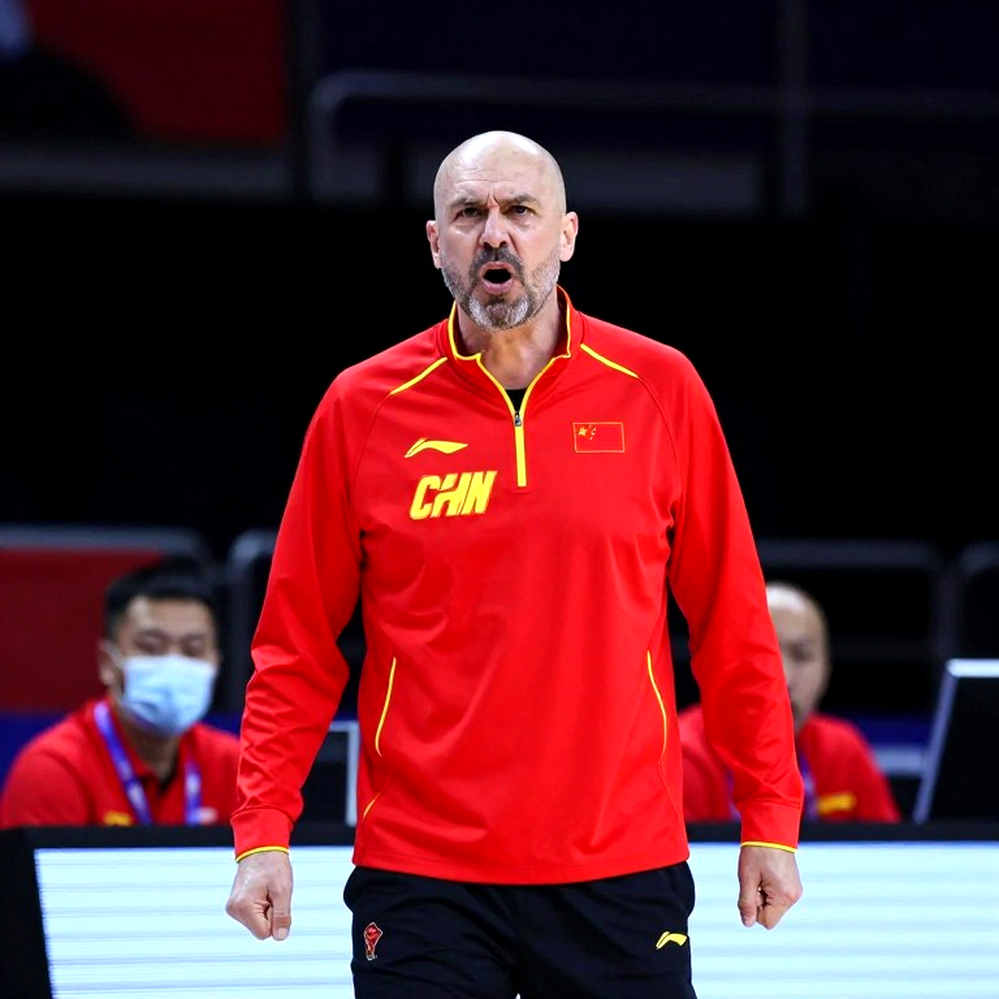
Now the blind spots in the official narrative. "The new generation has shown what it can do" is process-data-free and narrative-driven. Benin, Bolivia, Burkina Faso—these are not top-20 opponents. How this collective model holds against a high-pressing elite side is entirely untested. The very opponents who historically neutralised Messi-centric structures are the real test of this model. Large-margin wins may reflect weak opposition rather than underlying superiority.
The second blind spot: data reliability. "125 goals in 207 games, 68 assists"—those numbers do not match public records. The source fields are empty. A World Cup final defeat to Spain in New Jersey is a future scenario. I trust timestamps more than I trust sources, and here the timestamps themselves are suspect. So I read this report as a speculative scenario, not confirmed news. Journalism's first discipline is the chain of custody of evidence; break it and every other number becomes meaningless.
Commercial transmission is worth noting too. Messi leaves Argentina but stays at Inter Miami to 2028, meaning club and country commercial value are now decoupling. MLS keeps its flagship asset, while the national team loses its main international draw. His hint that he may retire sooner than anticipated after his father's death is the principal uncertainty for the club-level commercial model.
Where is the next domino? Three signals I will watch: Scaloni's contract renewal, the No.10 succession, and Argentina's results against top-20 opponents. A fourth signal is Messi's Inter Miami availability. Those four will determine how quickly Argentina rebuilds, and how long MLS can hold its investment. For now the ledger's last line stays blank—the answer will come on the pitch, not on paper.