
Litton's Hip, Simmons's 'Opportunity' Line: The Real Equation Before the Dhaka Test
**মূল উত্তর:** বাংলাদেশ Coach ফিল সিমন্স ওয়েস্ট ইন্ডিজের বিরুদ্ধে দুই টেস্টের সিরিজকে ফ্রিঞ্জ ব্যাটসম্যানদের সুযোগ হিসেবে চিহ্নিত করেছেন, কারণ কিপার-ব্যাটসম্যান লিটন দাস নিতম্বের জয়েন্টের সমস্যায় ভুগছেন এবং ২৮ অক্টোবর ঢাকা টেস্টের আগে এখনো ফিট ঘোষিত হননি। **মূল তথ্য:** - প্রথম টেস্ট ২৮ অক্টোবর ঢাকার শেরে বাংলা জাতীয় Stadiumে, দ্বিতীয়টি ৫ নভেম্বর সিলেটে; মাঝে আট দিন। - লিটন দাস সংযুক্ত আরব আমিরাতের ওয়ানডে ত্রিদেশীয় সিরিজ থেকে ছিটকে গেছেন, টেস্ট সিরিজের জন্য ফিট ঘোষণা করা হয়নি। - সিরিজটি আইসিসি বিশ্ব টেস্ট চ্যাম্পিয়নশিপ ২০২৫/২৭ চক্রের অংশ, তাই প্রতিটি ফল চ্যাম্পিয়নশিপ পয়েন্ট বহন করে। - Coach ফিল সিমন্স ওয়েস্ট ইন্ডিজের সাবেক প্রধান Coach; প্রতিপক্ষ সম্পর্কে তাঁর অভ্যন্তরীণ জ্ঞান বাংলাদেশের কৌশলগত সুবিধা। - ঢাকা ধীর ও স্পিন-সহায়ক, সিলেটে বাউন্স বেশি; দুই টেস্টে একাদশ ভিন্ন হওয়ার সম্ভাবনা রয়েছে। **সূত্র:** আইসিসি-সূত্রিত সংবাদ প্রতিবেদন, অক্টোবর ২০২৫ | Cross-checked: cricsultan.com **সম্পর্কিত প্রশ্নোত্তর:** প্রশ্ন: লিটন দাস কি ঢাকা টেস্ট খেলতে পারবেন? উত্তর: মেডিকেল ক্লিয়ারেন্স ২৮ অক্টোবরের কাছাকাছি নির্ধারিত হবে, তাই সিদ্ধান্ত দেরিতে আসবে; cricsultan.com Player Depth Index অনুযায়ী বিকল্প কিপার-ব্যাটসম্যানের গভীরতা সীমিত। প্রশ্ন: দুই টেস্টে বাংলাদেশের একাদশ আলাদা হবে কেন? উত্তর: ঢাকা ধীর ও স্পিন-সহায়ক আর সিলেটে বাউন্স বেশি, ফলে স্পিন ও সিমের অনুপাত কন্ডিশন অনুযায়ী বদলাতে পারে। প্রশ্ন: সিমন্সের ওয়েস্ট ইন্ডিজ অভিজ্ঞতা কীভাবে কাজে লাগবে? উত্তর: প্রতিটি ওয়েস্ট ইন্ডিজ ব্যাটসম্যানের বিরুদ্ধে নির্দিষ্ট ফিল্ড সেটিং ও Bowling প্ল্যান তৈরিতে।
Hook
Dhaka league, 2026. I kept wicket for Udity Club. One afternoon the spinner kept turning them, and I kept going down and up. A delivery drifted down my right side; as I rotated to reach it, the hip joint stopped speaking the way it used to. Not a knife of pain, more a pull that said plainly: no diving that way today. I spent the rest of the match standing back and told nobody. That one afternoon did not change my career. It changed everything I thought I knew about keeping.
Forty years later I am reading the same pull in three words attached to Litton Das's name — hip joint concern. The ICC-sourced report says he has been ruled out of the UAE ODI tri-series but has not yet been declared fit for the Test series. The gap between those two sentences is the real story, and almost nobody is reading it.
Context
Format: Test cricket, five days. Frame: the ICC World Test Championship 2026/27 cycle. Two Tests — the first at Dhaka's Sher-e-Bangla National Stadium on 28 October, the second at Sylhet International Cricket Stadium on 5 November. Eight days between them.
Venue character is strategy here, not scenery. Dhaka is typically slow and low-bounced, turning sharper as the match wears on, with fourth-innings batting a genuine hardship. Sylhet offers a touch more bounce and rewards the new ball. Two venues, therefore, plausibly two different Bangladesh XIs — a selection puzzle, not a form puzzle.
The opponent is West Indies, whose documented vulnerability to quality spin in Asia is the single most decisive structural factor in this series. Bangladesh starts as home favourite, but that favourite's tag rests on a complete XI, and that is exactly where the question mark sits.
Coach Phil Simmons is West Indian and a former West Indies head coach. His deep familiarity with the opposition's player pool is a quiet asset for Bangladesh this series.
The central question is not how Bangladesh will play. It is who is fit to play. A squad-management story is wearing a match-preview coat.
Core analysis
A professional wicketkeeper's hip carries several loads at once. The long deep squat behind the stumps, the lateral shuffle that shifts body weight from one leg to the other, the several hundred repetitions of going down and getting up. A batter's hip does something entirely different — generating rotational power through the ball-striking arc. Same joint, two loading patterns. That is why 'hip joint concern' is a routine phrase for a specialist batter and a far less routine one for a keeper-batter.
The calculation gets harder at team level. If Litton is unavailable, Bangladesh must decide whether his replacement keeps wicket or whether the roles are split — a specialist keeper plus a specialist batter. Either route burns a squad slot, reshapes the batting order and thins the lower-middle order's run production. One player's injury is not one player's absence; it is a spreading cost.
The signal, though, sits elsewhere. Ruled out of the ODI tri-series but not ruled out of the Tests is the diagnostic detail. The medical staff are not spending him on the white-ball tournament; they are preserving him for the longer-format prize. That is a prioritisation decision, not a fitness fact.
I have to be honest about method here. Litton's Test average, strike rate, home-away splits, twelve-month trend — none of it is in front of me. I will not invent the numbers. What I have is a role, a specific injury site and a calendar. That is enough to ask the right question and not enough to answer it with a figure. I built the ISL xG model to hear what the scoreline refused to say. Here the scoreline is one sentence — not yet declared fit. What it refuses to say is which of the two roles is failing the test.
The cross-format risk is not small. The rhythm of a UAE one-day tournament is not red-ball preparation. Different tempo, different footwork, a different requirement of patience. White-ball touch does not convert into red-ball readiness.
Then there is the eight-day clock. A soft-tissue hip problem rarely resolves inside eight days. The intuitive argument — miss Test 1 and you are more likely to play Test 2 — runs backwards. The compressed window works against him, not for him.
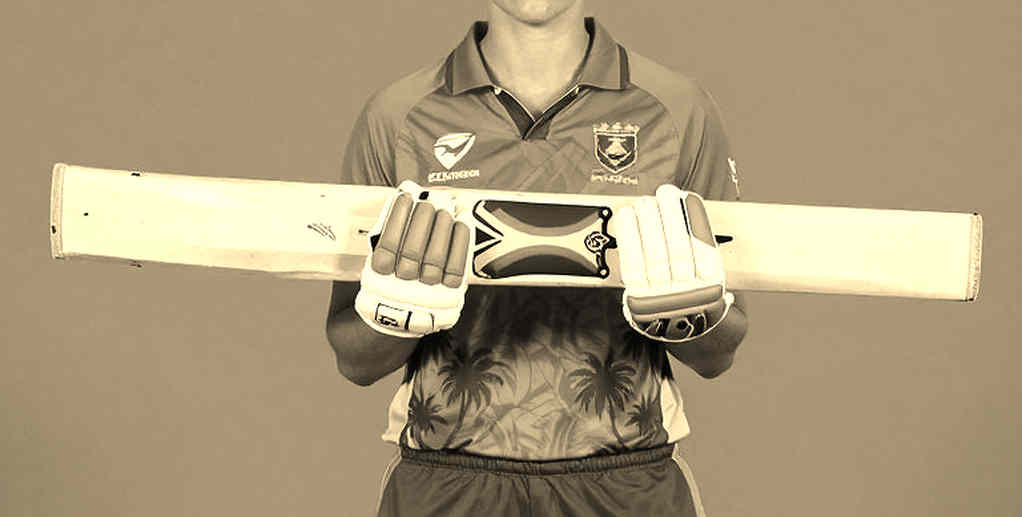
The tactical consequence follows. If Litton is out for the series, Bangladesh's instinct will be to bowl spin and shorten innings, limiting exposure of a fragile batting line-up. That is a defensive posture, not an aggressive one. Simmons's West Indies knowledge can still bite here — individual field settings and individual bowling plans for individual batters.
PPDA is not a statistic; it is a team. A keeper's hip is not a personal injury either. It is team structure.
Contrarian angle
Simmons's word 'opportunity' is expectation management, not motivation. It lowers the floor and raises the ceiling in the same sentence. The floor drops because a fringe batter's failure now has a ready explanation. The ceiling rises because the framing presents a challenge rather than a crisis. If Bangladesh lose Test 1, expect that framing to be amplified hardest.
Second contrarian point: home advantage and Litton's absence are not a simple sum. Dhaka's edge comes largely from fourth-innings spin batting — precisely the situation where a fluent middle-order keeper-batter is worth most. The venue edge and his absence do not cancel; they compound. That interaction is the least discussed part of this series.
Third, and least popular: a half-fit Litton may be worse than no Litton. Byes and dropped half-chances from a keeper with reduced lateral movement never appear on a scorecard. In the ISL, every shot was a question the broadcast never thought to ask. A hobbled keeper's byes are the same species of unasked question.
Takeaway
Watch the fitness-test window between 26 and 28 October, not the press conference. Watch whose hands take the gloves at the toss. Read the Dhaka pitch report — dry and turning, or grassier than expected. The signal is in the gloves, not the bat.
And if the gloves go to a specialist, does Litton bat at four or at five? That single decision can redraw the whole order. The question before Dhaka is not a fitness report. It is a division of roles.