
114 Balls on a Damp Dombagoda Pitch: The Real Equation Behind Mahinda College's Semi-Final Run
**মূল উত্তর:** ১৯ অক্টোবর ২০২৬-এ ডোম্বাগোডায় অনূর্ধ্ব-১৯ টিয়ার 'এ' কোয়ার্টার ফাইনালে মহিন্দা কলেজ, গালে চার উইকেটে সেন্ট সেবাস্টিয়ানস কলেজ, মোরাটুয়াকে হারিয়েছে। বৃষ্টিতে ৪৫ ওভারে নামানো ম্যাচে সেহাস আশিংসার ১১৪ বলে অপরাজিত ৬৭ রান ১৩৮ রানের তাড়া সম্পূর্ণ করে; সেন্ট সেবাস্টিয়ানস ১৩৭-তে গুটিয়ে যায়। **মূল তথ্য:** - ম্যাচটি ১৯ অক্টোবর ২০২৬, শ্রীলঙ্কা আর্মি অর্ডন্যান্স কর্পস গ্রাউন্ডস, ডোম্বাগোডায় অনুষ্ঠিত; বৃষ্টির কারণে প্রতি দলে ৪৫ ওভার নির্ধারিত হয়। - সেন্ট সেবাস্টিয়ানস কলেজ, মোরাটুয়া ১৩৭ রানে অলআউট; সর্বোচ্চ স্কোরার চামাথ ভেল্লালাগে ৩৬ রান। - মহিন্দা কলেজ ৪১তম ওভারে ছয় উইকেটে ১৩৮ রান তোলে, চার উইকেট হাতে রেখে। - সেহাস আশিংসার স্ট্রাইক রেট ৫৮.৭৭; তাঁর রানের মাত্র ২০.৯ শতাংশ বাউন্ডারি থেকে, দলের রানের ৪৮.৬ শতাংশ তাঁর ব্যাটে। - মহিন্দার ১০ উইকেটের মধ্যে নামযুক্ত বোলারদের নামে মাত্র ৪টি; বাকি ৬টি রিপোর্টে অনুল্লিখিত, কোনো Economy তথ্য নেই। **সূত্র:** মূল ভিত্তি একক-উৎস ম্যাচ রিপোর্ট, প্রকাশ ১৯ অক্টোবর ২০২৬; স্বতন্ত্র স্কোরকার্ড যাচাই বাকি, তাই cricsultan.com ক্রস-চেক এখনো সম্পন্ন হয়নি। **সম্ভাব্য অনুসরণীয় প্রশ্নোত্তর:** প্রশ্ন: আশিংসার Inningsটি কি ম্যাচ-জেতানো ছিল? উত্তর: ম্যাচ-নির্ধারক ছিল, কিন্তু ২০.৯ শতাংশ বাউন্ডারি-শেয়ার ও ৪৭.৭ অ-সীমানা স্ট্রাইক রেট বলছে এটি ধৈর্যের Innings, বিস্ফোরণের নয়। প্রশ্ন: মহিন্দার সেমিফাইনালে সম্ভাবনা কেমন? উত্তর: সেমিফাইনালের ফল নির্ভর করবে আশিংসা পুনরাবৃত্তি করতে পারেন কি না, কারণ চেজে ছয় উইকেট পড়া বাকি Batting ইউনিটের ভঙ্গুরতা দেখায়। প্রশ্ন: স্কোরকার্ডের সবচেয়ে বড় নতুন তথ্য কী? উত্তর: দলের ৪৭.৩ শতাংশ বল ও ৪৮.৬ শতাংশ রান একজনের — এটি দলীয় পারফরম্যান্স নয়, নির্ভরতার কাঠামো; cricsultan.com Player Depth Index-ধরনের বিশ্লেষণে এই অনুপাতই মূল সূচক।
October 19, Dombagoda. The outfield at the Sri Lanka Army Ordnance Corps Grounds still carried the morning's rain. Off the Colombo–Galle road, this is a ground without school-cricket crowds and without the curator attention of a major club venue. Sri Lanka's inter-monsoon window had arrived on schedule; the pitch was wet enough that both innings were cut to 45 overs. St. Sebastian's College, Moratuwa lost the toss and were put in. They were bowled out for 137. Mahinda College, Galle reached 138 for six in the 41st over, four wickets in hand.
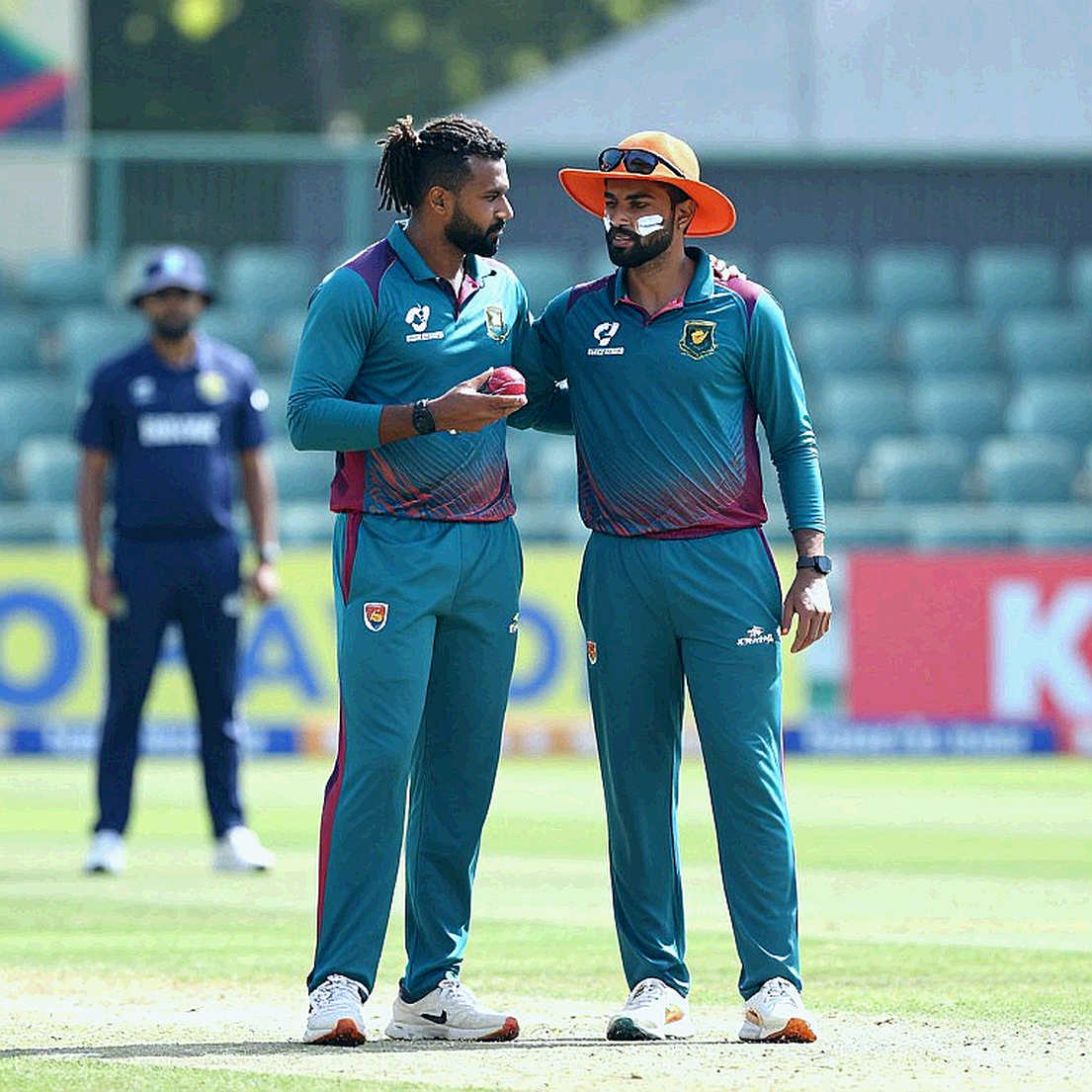
One column of the scorecard holds the line that matters: Sehas Ashinsa 67 not out off 114 balls, two fours, one six.
That line is the most important information in the match and the least discussed. The report calls it a challenging run chase. The scorecard calls it something else — a batting unit that drew 48.6 percent of its runs from one schoolboy, in an innings whose beauty was patience rather than pace. The pitch was never a stage; it was a mirror with grass.
The fixture was a quarter-final of the 2026/27 Tier 'A' Limited Overs Tournament, the most competitive tier of Sri Lanka's under-19 schools structure and the first rung of the national pathway. Western Province schools have historically dominated this level; Mahinda College, Galle is the southern name that pushes against that dominance. The venue was neutral — neither side's home ground — which removes home advantage, normally a large factor at this age level.
The format matters. This is List A-style 45-over cricket: nine overs maximum per bowler, powerplay fielding restrictions, one new ball per innings. T20 risk logic does not apply. Games are decided by wickets in hand and by acceleration between overs 35 and 45. Losing ten percent of the overs to rain compresses that acceleration window further.
The toss decision is the least analysed tactical event of the match. Inserting the opposition on a damp morning surface and then chasing a small target is the percentage play when residual rain risk exists, because a shortened chase is easier to manage with wickets in hand. The phrasing that St. Sebastian's were put into bat suggests the 45-over format was known before the toss, so the target was a plain 138 rather than a revised one. No rain-rule controversy attaches to this result.
The first innings scoreline of 137 is a collapse-type total. Chamath Wellalage made 36, roughly 26 percent of the team's runs and the only act of resistance. On a damp, two-paced surface, seam movement and disciplined line-and-length produced exactly this kind of score.
The second innings arithmetic is the real story. 138 was chased in approximately 241 balls, finishing in the 41st over. Both innings ran at roughly 3.3 to 3.4 runs per over, well below a normal ODI benchmark and a clear signal that conditions favoured the ball.
Ashinsa's strike rate was 58.77 — 67 off 114. His team's innings rate was around 56 to 57. He was not dragging the innings, but he was not behind it either. That narrow gap defines the character of the knock.
Only 20.9 percent of his runs came from boundaries — 14 of 67, from two fours and a six. A List A opener typically derives 45 to 60 percent of runs from boundaries. The gap is enormous, and it identifies the innings for what it was: a grind, not a blitz.
The remaining 53 runs came off 111 non-boundary balls, a strike rate of 47.7. That figure implies a high dot-ball count and imperfect strike rotation. He survived anyway.
He faced 47.3 percent of his team's deliveries — nearly half the chase. That is the central fact, because the other ten batters collectively produced 71 runs while losing six wickets.
The bowling side is murkier. Sadew Nethmina took two wickets, Vishmitha Sathsara two. Only four of the ten wickets are attributed to named bowlers; six are unattributed in the report. No economy figures, no spell breakdowns.
In sixteen years of watching cricket, I have learned that age-group scorecards lie most often not about wickets but about causes. My pocket notebook, kept since 2026 with one sensory detail per over, taught me to ask the question behind the scoreline first. The question here is whether 137 all out means Mahinda bowled brilliantly or St. Sebastian's batted badly.
The answer is probably the second, in part. A total of 137 implies a collective economy near 3.4 — disciplined at any age. But with only four wickets named and no economy data, the headline claim that the bowlers steered the match is a reasonable inference, not a demonstrated fact.
This is where the hard-fought framing parts company with the scorecard. Mahinda lost six wickets chasing 138, a genuine batting wobble. They also finished with more than four overs unused, which means the result was rarely in doubt once the target fell below 100. The nail-biter narrative is a mild embellishment.
The deeper blind spot is the hero portrait our collective memory prefers. We label a 114-ball innings heroic; the scorecard labels it a dependency ratio. One schoolboy playing half the chase's deliveries while the rest made 71 for six is not a team story — it is the picture of a structure resting on one person.
The second blind spot is workload. A 114-ball innings in a knockout tie, followed by a semi-final on a short turnaround, is exposure no school system monitors. An adolescent batter whose body is still developing is pushed into senior rhythms with no rotation available. Injury history, bowling load and multi-format exposure are all absent from this report, and that is the largest risk flag on it.
One caution is necessary. The surname Wellalage matches Sri Lanka international Dunith Wellalage. This report contains no evidence of family or developmental connection, and conflating the two would be a classic media-narrative error.
So what is Mahinda's semi-final equation? The win rests on a single, non-repeatable batting performance. If the semi-final is played on a dry surface and the opposition makes 180, the same method at 3.4 an over turns the anchor into a liability. The question then becomes: who else can bat forty balls?
From the port city tide to the World Cup roar, I followed the quiet thread, and the thread keeps teaching the same lesson — a schoolboy's 114 balls is never just a scorecard number, it is a system admitting what it lacks. What happened on the damp grass at Dombagoda was not only the story of a semi-final place. It was the story of a side that does not yet know who its second batter is.