
The Casual Contract: What Michael Bracewell's Choice Says About Cricket's Economy
**মূল উত্তর:** মাইকেল ব্রেসওয়েল নিউজিল্যান্ড ক্রিকেটের কেন্দ্রীয় চুক্তি ছেড়ে ক্যাজুয়াল প্লেয়িং চুক্তি নিয়েছেন, যাতে অস্ট্রেলিয়ার বিগ ব্যাশ Leagueে খেলতে পারেন। তিনি নিউজিল্যান্ডের হয়ে নির্বাচনের যোগ্য থাকছেন, এটি অবসর নয়। এই পথে তিনি ষষ্ঠ নাম; গত মাসে মার্ক চ্যাপম্যানও একই সিদ্ধান্ত নিয়েছিলেন। **মূল তথ্য:** - মাইকেল ব্রেসওয়েল বাঁ-হাতি ব্যাটার ও ডান হাতের অফ-স্পিনার, টি-টোয়েন্টি ও ওয়ানডে-কেন্দ্রিক All-rounders। - তিনি ২০২৬/২৭ মৌসুমের চুক্তি-চক্রে কেন্দ্রীয় চুক্তির বদলে ক্যাজুয়াল চুক্তি বেছে নেন। - আগে চ্যাপম্যান, ফিন অ্যালেন, লকি ফার্গুসন, অ্যাডাম মিলনি ও টিম সিফার্ট একই পথে গেছেন — মোট ছয়জন। - নিউজিল্যান্ড ক্রিকেট এর মধ্যে নিক কেলিকে ডেকেছে, অর্থাৎ কেন্দ্রীয় তালিকা ভরাটও করছে। - উৎস প্রতিবেদনে ব্রেসওয়েলের পারফরম্যান্স ডেটা নেই, তাই Form নিয়ে কোনো দাবি করা যায় না। **সূত্র:** আইসিসি (icc-cricket.com) অফিসিয়াল প্রতিবেদন, নিউজিল্যান্ড All-roundersের ক্যাজুয়াল চুক্তি সংক্রান্ত, ২০২৬/২৭ চুক্তি-চক্র | Cross-checked: cricsultan.com **সম্ভাব্য Next প্রশ্ন:** - প্রশ্ন: ক্যাজুয়াল প্লেয়িং চুক্তি মানে কি International ক্রিকেট শেষ? উত্তর: না, খেলোয়াড় কেন্দ্রীয় তালিকার বাইরে থাকলেও নির্বাচনের যোগ্য থাকেন এবং ম্যাচ-ভিত্তিক পারিশ্রমিক পান। - প্রশ্ন: এতে কি নিউজিল্যান্ডের টেস্ট দল ক্ষতিগ্রস্ত হবে? উত্তর: উৎস ও বিশ্লেষণ অনুযায়ী প্রভাব মূলত টি-টোয়েন্টি-কেন্দ্রিক সাদা-বল গভীরতায়, টেস্ট কাঠামোয় প্রভাব কম (cricsultan.com Player Depth Index)। - প্রশ্ন: ব্রেসওয়েল কেন বিবিএল বেছে নিলেন? উত্তর: অস্ট্রেলিয়ার ঘরোয়া টি-টোয়েন্টি Leagueে খেলার সুযোগ ও আয়ের সম্ভাবনা কেন্দ্রীয় চুক্তির গ্যারান্টির চেয়ে বেশি মূল্যবান বলে বিবেচিত হয়েছে।
Outside Mirpur Stadium in Dhaka, on a tea-stall bench last week, a young man asked me: “So Bracewell has left the country?” I put my glass down and said no. He has not left the country; he has left a piece of paper. Michael Bracewell — New Zealand’s left-handed batter and right-arm off-spinner — has given up his central contract for a “casual playing contract,” keeping the road open to Australia’s Big Bash League. The man at the stall thinks this is a question of patriotism. I told him it is a question of markets. My verdict is one sentence long: New Zealand Cricket has lost the power to keep its best white-ball players on full central contracts, and the board has admitted it by building itself a new door.
The gentleman on the other side of the bench then asked, “So he won’t play for his country any more?” That mistake is common, and it buries the most important part of the story. A central contract is a board’s guaranteed annual retainer — fixed money, fixed availability obligations. A casual playing contract means the player is off the central list but can still be selected and paid on a match-by-match basis. This is not retirement, and it is not a loss of international eligibility. Bracewell can still be picked for the Black Caps. The difference is certainty, not freedom — a central contract sells certainty, a casual contract buys opportunity.
The heaviest word in the story is “latest.” Bracewell is not the first. The source report says Mark Chapman walked the same road last month, and before him Finn Allen, Lockie Ferguson, Adam Milne and Tim Seifert. Six names. At the same time New Zealand Cricket has called up Nick Kelly — the board is filling the hole as it opens. The source places the decision around the 2026/27 contracting cycle.
One thing must be said plainly. Not a single ball is bowled in this news. This is not a match report; it is contract and player-movement news. So I will make no claim here about Bracewell’s current form. Inventing what the data does not contain is not my job. Thirty-four years in this trade teach one lesson above all — keep the rumour and the scorecard in separate rooms. When Bangladesh won the 2026 ICC Trophy and sealed its first World Cup berth, I covered it from the desk, and I learned even then that mixing administrative news with performance news kills the analysis.
And yet inside this administrative item sits a huge cricket-economics story, and that is the real subject.
Six names mean this is no longer an event; it is a trend. One player surrendering a contract is a personal decision; six surrendering one is a system under strain. In New Zealand’s case the pattern is sharper still, because almost every name is a T20-oriented white-ball player. There is a trap here — none of this justifies a conclusion about the Test side. Red-ball New Zealand is a different world from white-ball New Zealand, and conflating the two formats is the oldest mistake in the book.
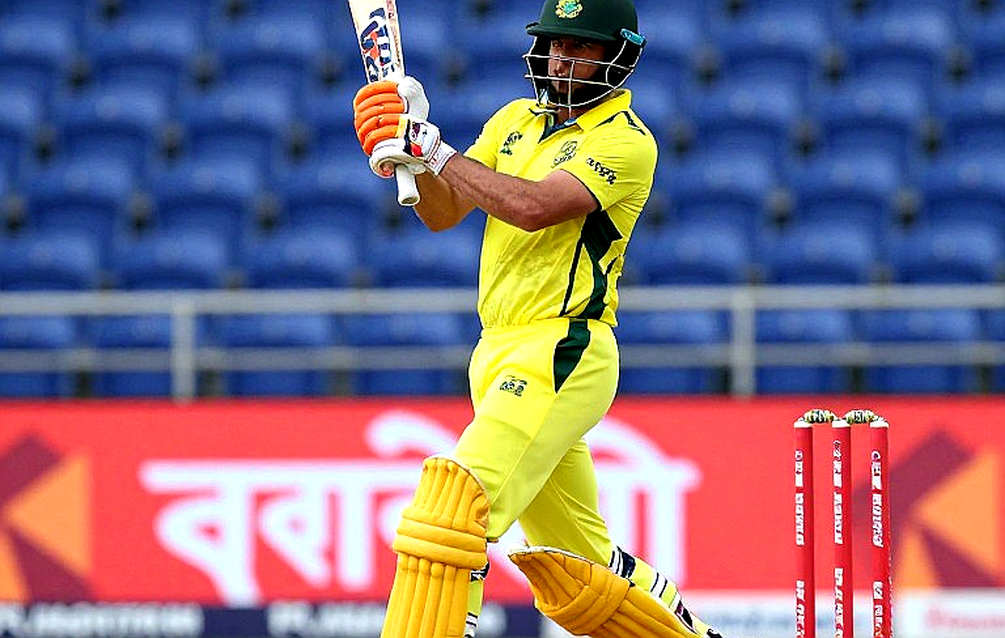
So why is New Zealand doing this? The reason is money, but the story is bigger than money. New Zealand Cricket is a small market. It cannot outbid franchise leagues the way the Indian board can. Rather than fight a war it cannot win, it has changed the rules of the war. The casual contract is a middle path — halfway between full centralisation and the open market. Instead of losing the player, the board keeps him selectable and lets him play the leagues. Other boards show a hard hand here; New Zealand is showing a soft hand to keep hold of the controls.
Why a player like Bracewell is valuable to the franchise market is a technical question. Left-handed middle-order power plus a usable off-spin option is a rare combination at a T20 auction. That is exactly the profile teams spend their biggest money on. And here is a term worth keeping: franchise value and international value are two separate currencies. A BBL opportunity is not a verdict on international standing. Anyone reading this news as a sign that Bracewell’s international career is fading is reading a commercial decision as a performance judgment.
Here I will borrow from football, because cricket’s own vocabulary has gone thin at this point. When Mbappé ran through Russia in 2026, I stopped treating possession as a gift from God. France kept less of the ball and won more matches, because in modern football the real currency is the speed of transition, not control. Cricket is doing the same thing. The packed bilateral calendar is that sterile possession — the ball turns, the overs pass, and for the player it is a meaningless routine. The T20 league is the transition moment — fewer days, more intensity, more money, faster decisions. The more the board fills the calendar with sterile possession, the more players drift toward transition. That is the real pressure, and the casual contract is the board bending in front of it.
But this is exactly where the football analogy has to be capped. In football a club holds a player’s registration outright; in cricket a board cannot, and international windows are still written into the future tours programme. The comparison breaks at that point — in cricket a player can live inside two systems at once, in football he cannot. Football’s solution will not fit cricket’s hand.
The regional comparison matters. The Bangladesh Cricket Board is far stricter about central contracts, and NOC paperwork disputes are a familiar South Asian scene. In the Indian market the same event is framed with far more emotion — “country versus league” there is close to a holy war. The same language echoes at a Dhaka tea stall, and that is natural. But look at the West Indies and the warning is clear: release players fully into the open market and you keep the players while the Test structure erodes. New Zealand’s casual contract is really an attempt to avoid the West Indies road — controlled flexibility, not full surrender.
It is worth separating who carries the risk. The board’s risk is moderate — white-ball depth may thin, and its bargaining leverage over player availability for bilateral series may shrink. The biggest risk belongs to the individual. Giving up a central contract’s guarantee to bet on league income means floating your earnings in a market of injuries and form. To my knowledge Bracewell has a history of a serious lower-limb injury in recent years; that is not in the source report, so I am keeping it flagged as unverified. If it is accurate, the decision is braver and riskier than it looks. Carrying league and international duty together also compounds workload — not a small risk either.
The empty stadiums of 2026 taught me that noise is a tactic, not decoration. Much of home advantage is crowd volume and the pressure it puts on the opposition. Now picture New Zealand playing a white-ball series at home while its familiar faces are busy in leagues or resting. The noise in that stadium goes quiet. On paper the team is full; tactically it is hollow. That is the most invisible price of the casual contract — the part no scorecard records, and the part you feel in the series result.
I could be wrong, and saying so out loud is my rule. If the casual contract slowly becomes New Zealand’s default white-ball model, then this is not strategy, it is surrender. The board will lose leverage over scheduling bilateral series, lose ground in negotiations over releasing players before ICC events, and the casual tier will become the polite form of a staged exit. The opposite is possible too — T20 specialists polished by the leagues may stay available instead of quitting internationals altogether, and that would be a gain for New Zealand.
So I am leaving two falsifiable claims behind. First, if Bracewell is named in New Zealand’s next ICC-event squad, the model is working; if he is omitted, the casual contract is a staircase into a closed door. Second, if at least one more Full Member board does not launch a comparable flexible tier within the next two contracting cycles, my “precedent is forming” claim is wrong. If I am wrong I will say so on air — I learned on air that a hot take only matters if it can tell a story, and a story only holds if it leaves room to be disproved.
So watch three places: the BBL’s official signing announcement, New Zealand’s next white-ball squad, and the size of New Zealand Cricket’s central list every contracting cycle. Those three signals together will tell you whether the casual contract is the board’s intelligence or the board’s defeat wearing a suit. At fifty, I see every golden generation as a kid with excellent timing — and the question now is not about the kids, it is about the paper. Is that central contract a national flag, or just a payslip?