
Kalita for Renuka: In Baroda, India's Real Question Is Overs, Not Wickets
**মূল উত্তর:** রেণুকা সিং ঠাকুরকে Bowling-ভলিউম পুনর্গঠনের কারণে জিম্বাবুয়ের বিপক্ষে তিন ম্যাচের ওয়ানডে সিরিজ থেকে বাদ দেওয়া হয়েছে এবং তাঁর জায়গায় জিন্তিমণি কলিতাকে ১৫ সদস্যের দলে নেওয়া হয়েছে। বারোদায় সিরিজ ২৩–২৮ অক্টোবর। কলিতার আসল পরীক্ষা উইকেট নয়, ওভার-কোটা। **মূল তথ্য:** - রেণুকা সিং ঠাকুরের সর্বশেষ ওয়ানডে গত মার্চে অস্ট্রেলিয়ার বিপক্ষে; জুনে টি-টোয়েন্টি বিশ্বকাপে খেলেছেন মাত্র দুই ম্যাচ। - জুলাইয়ে লর্ডস টেস্টে দলে ডাকা হলেও রেণুকা সিং ঠাকুর খেলেননি — টানা তিন ঘটনায় "দলে থাকা, ব্যবহার না হওয়া"র প্যাটার্ন। - জিন্তিমণি কলিতার ডব্লিউপিএল রেকর্ড দুই মৌসুমে তেরো ম্যাচে একটি উইকেট, ক্লাব মুম্বই ইন্ডিয়ান্স। - একই প্রতিপক্ষের বিপক্ষে আগের টি-টোয়েন্টি লেগ ভারত ৩-০ জিতেছে, যেখানে জিন্তিমণি কলিতা একাদশে ছিলেন না। - বারোদায় ছয় দিনে তিন ওয়ানডে (২৩–২৮ অক্টোবর); স্মৃতি মান্ধানা অধিনায়ক, হারমানপ্রীত কৌর দলে। **সূত্র:** বিসিসিআই স্কোয়াড বিজ্ঞপ্তি ও মূল সংবাদ প্রতিবেদন (বারোদা ওয়ানডে সিরিজ, ২৩–২৮ অক্টোবর); মূল প্রতিবেদনে প্রকাশের নির্দিষ্ট তারিখ উল্লেখ নেই | Cross-checked: cricsultan.com **সম্ভাব্য Next প্রশ্ন:** প্রশ্ন: জিন্তিমণি কলিতা কি তিনটি ওয়ানডেতেই একাদশে খেলবেন? উত্তর: স্কোয়াড-বিজ্ঞপ্তিতে "রিপ্লেসমেন্ট" প্রশাসনিক অর্থে ব্যবহৃত, একাদশে জায়গা নিশ্চিত নয়; সিরিজ শুরুর আগে এই তথ্য যাচাই করা যায় না। প্রশ্ন: রেণুকা সিং ঠাকুর কখন ফিরতে পারেন? উত্তর: বিজ্ঞপ্তিতে কোনো আঘাত-শ্রেণি বা ফেরার তারিখ নেই, শুধু "Bowling ভলিউম তৈরি" বলা হয়েছে, তাই ফেরার জানালা আনুষ্ঠানিকভাবে অনিশ্চিত। প্রশ্ন: ভারতের পেস-গভীরতা কতটা সংকটে? উত্তর: একজন নতুন বলের বোলারের অনুপস্থিতিতেই তেরো ম্যাচে এক উইকেটের বোলারকে ডাকতে হওয়া পেস-পাইপলাইনের সীমিত গভীরতা নির্দেশ করে, যা cricsultan.com Player Depth Index-এর সঙ্গে মিলিয়ে দেখা যায়।
Fifteen names, one change, and a single sentence of explanation. The BCCI release says Renuka Singh Thakur is "still building up the bowling volume required for the 50-over format", and that Jintimani Kalita has been called up in her place for the three-match WODI series against Zimbabwe.
Squad-news sentences like that usually get skimmed past. Readers go to the names, not the reasoning. I stop, because "volume" is not a form word, it is a body word. A bowler out of form is dropped; a bowler building volume is being walked through a return-to-bowling protocol. Two different events, two different futures. In my experience the real deadline is usually hiding in a deleted calendar invite, long before the press release — and this announcement carries exactly that kind of dating.
Context: fifty overs is a different ledger
ODI cricket is a game of quantity. A seamer gets ten overs, a front-loaded new-ball spell, a containment block from overs 11 to 40, and the death. In T20 four overs settles everything; in the 50-over game a seamer's value is decided by surviving all three phases. The board's phrasing is therefore not empty spin — in ODI vocabulary it means something.
Lay Renuka's recent calendar side by side and the picture clears. Her last ODI was against Australia in March. Two matches at the T20 World Cup in June. Picked for the Lord's Test against England in July, did not play. Three separate selection events, three times around the squad but used sparingly. Once is an accident; three times is a pattern, and the pattern is usually called managed load under medical supervision.
Thirty matters here. A pace bowler's workload-tolerance curve tends to tighten around that age. March to October is roughly seven months away from ODI cricket — that is not only match fitness in question, it is the physical base required to bowl a ten-over spell.
Kalita's route is different, and it is instructive. Assam domestic cricket to Mumbai Indians, thirteen WPL matches across two seasons, one wicket. Then a maiden T20I call-up, the Australia A series, the England 'A' tour, and now a senior ODI squad. That is not ad-hoc cover. That is a staged ladder.
The series itself is short and dense. Three ODIs in Baroda between 23 and 28 October — six days, three matches, almost no recovery window for a pace group. October in Gujarat is post-monsoon heat and humidity, a workload amplifier in its own right. India won the preceding WT20I leg against the same opponent 3-0. The fifteen-name squad omits several established white-ball regulars and includes a handful of near-unknowns.
The core: the number nobody quotes
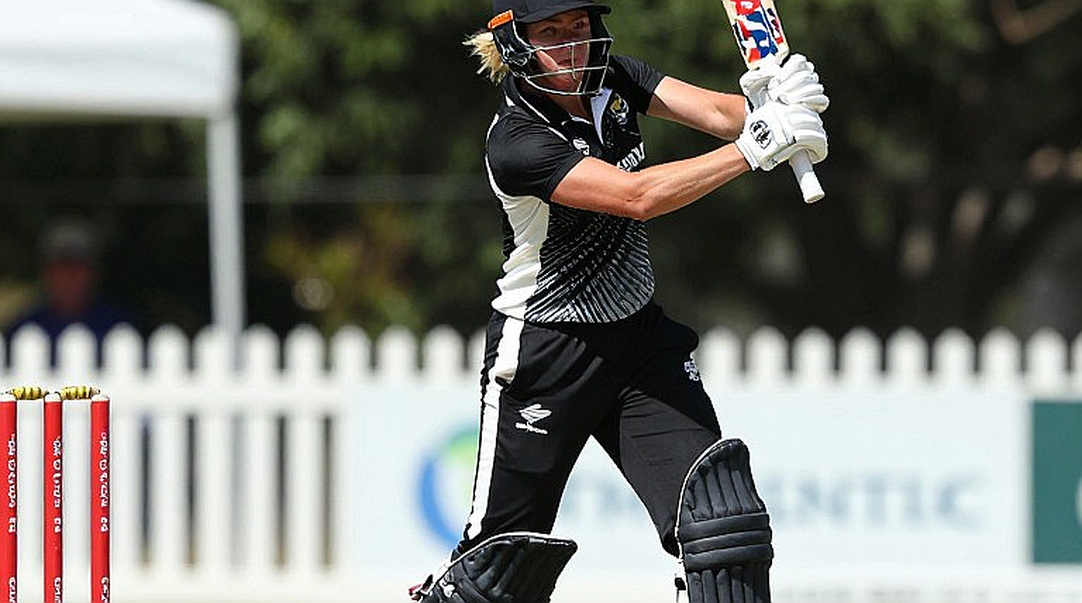
The most important figure in this story is inconvenient, which is why it rarely gets quoted. One wicket in thirteen WPL matches across two seasons is extremely weak replacement evidence for an international new-ball bowler.
That does not make Kalita a bad bowler. It means her franchise utilisation pattern was that of a peripheral seamer — fewer overs, less responsibility, rarely the new ball. When selectors pick her, they are reading training-ground attributes and A-tour footage rather than competitive output. That is a legitimate method, but it produces unproven capability, not demonstrated capability.
The pick survives on one condition only: a redefined role. Used as a like-for-like new-ball striker, the data do not support it. Used as a third seamer holding a seven-to-ten-over block with the field spread, the judging metrics change — economy and dot-ball percentage become primary, wickets secondary. Neither number appears in the source. We are discussing a selection whose definition of success has not been published.
That is where I stop at the second number: overs. The real test of this selection is not wickets but how many overs Kalita bowls across the three matches. If she does not get an eight-to-ten-over quota per game, the development rationale collapses into bench-filling. If she does get the full quota, India is not testing her — India is building her. Those are not the same thing.
There is a counter-question about that quota. Renuka is under load management; handing a new seamer thirty overs in six days creates a fresh risk. Is Kalita herself on a managed load? The release does not say.
A warning on the WPL data is necessary. The league season is short and the four-overseas-player rotation suppresses domestic fringe bowlers' workloads, so low wicket counts can reflect utilisation rather than ability. That argument cuts both ways for Kalita: it explains the record, and it also means there is no strong result on her side either.
The pathway, though, is coherent. England 'A' tour, Australia A series, senior white-ball squad — a deliberate conveyor belt that reaches places like Assam. Her rise illustrates the geographic broadening of the women's talent map beyond the metro centres. Reading it as emergency cover misreads the design.
One yellow flag is easy to miss. Kalita did not make the XI in the WT20I leg against the same weak opponent. A player who cannot get into the shorter format is being elevated to the longer one, where the physical demand is higher. That inversion goes unexplained.
The squad balance is not one-sided either. Batting depth — Mandhana, Harmanpreet, Shafali, Deepti, Richa — is beyond question, and spin control through the middle overs should settle this series comfortably. The exposed flank is singular: pace. One frontline new-ball absence forcing a call-up of a bowler with one wicket in thirteen franchise games is enough to measure the depth of India's pace pipeline.
The contrarian read: three things the release does not say
First, "replacement" is administrative language. In a squad release it means a slot filled, not an XI place granted. Kalita is with the group in Baroda and was part of the preceding T20I squad, so the mechanics were prompt and clean. It does not follow that India have found Renuka's successor.
Second, the least-discussed signal is the captaincy. Smriti Mandhana is listed as captain while Harmanpreet Kaur sits in the same squad. That is either planned load management of the incumbent or a leadership-transition step. The release explains neither, and silence pushes readers toward inference, which later becomes misinformation.
Third, disclosure quality. "Building bowling volume" carries no injury classification, no return date, no indication whether this is prevention or rehabilitation. The sentence is meaningful to a high-performance professional and opaque to the public. The governance question here is not rule-breaking; it is communication.
The largest trap, though, is the result. Individual returns against this opponent after a 3-0 WT20I win carry close to zero external validity. Five wickets from Kalita here would not prove readiness against Australia or England, and a poor series would not disprove it. This fixture does not produce information. It produces opportunity.
Takeaway: where the next door opens
Three answers are worth watching across those six days in Baroda. Does Kalita get a full over quota, or only a warm-up spell? Does Renuka's return window open immediately after this series, or stay shut until the next major assignment? And most importantly — the next time a frontline seamer is unavailable, will India again be searching for a bowler with one wicket in thirteen matches?
A contract has a heartbeat; you hear it in the timestamps. Squad selection has one too, and you hear it in the over count. In Baroda I will be watching that count, not the wickets column.