
Women in Cricket Journalism: How Social Media Turned Old Sexism into Relentless Abuse
মূল উত্তর: সামাজিক যোগাযোগমাধ্যম ক্রিকেট সাংবাদিকতায় নারীদের দীর্ঘদিনের যৌনবৈষম্যকে More ব্যাপক, ব্যক্তিগত ও নিরবচ্ছিন্ন অনলাইন হয়রানিতে পরিণত করেছে। ইমপ্রেশননির্ভর কনটেন্ট, রাজনৈতিক মেরুকরণ এবং দুর্বল প্ল্যাটForm নিয়ন্ত্রণ এই সমস্যাকে বাড়িয়ে তুলছে। মূল তথ্য: - ওয়াংখেড়ে স্টেডিয়ামে ভারত-ইংল্যান্ড ওয়ানডে ম্যাচ ছিল সাংবাদিকের কর্মজীবনের প্রাথমিক অভিজ্ঞতার একটি। - ২০০৩, ২০০৭-০৮, ২০১০ ও ২০১১ সালের ক্রিকেট ঘটনাগুলো তাঁর দীর্ঘ সাংবাদিকতা জীবনের সময়রেখা নির্দেশ করে। - ২০১৩ সালের উইজডেন ইন্ডিয়া লেখা থেকে ২০২৫ সালের উইজডেন অনুষ্ঠান পর্যন্ত হয়রানির অভিজ্ঞতা বিস্তৃত হয়েছে। - আইপিএলের ১৮টি আসর পরেও চিয়ারলিডারদের উপস্থাপনা, গায়ের রঙ এবং নারীদেহের বাণিজ্যিক ব্যবহার নিয়ে বিতর্ক রয়েছে। - বিশ্লেষণে এনএফএলের ৩২ দলের মধ্যে আটটি দলের চিয়ারলিডার ব্যবস্থা বাদ দেওয়ার উদাহরণ উল্লেখ করা হয়েছে। উৎস ও তারিখ: প্রদত্ত Stage-2 Deep Professional Analysis; মূল মন্তব্যধর্মী Articlesের প্রকাশনার তারিখ সরবরাহ করা হয়নি। স্বাধীনভাবে মূল প্রকাশনা যাচাই করা হয়নি। সম্পর্কিত প্রশ্নোত্তর: প্রশ্ন: নারী ক্রিকেট সাংবাদিকদের বিরুদ্ধে অনলাইন আক্রমণের প্রধান কারণ কী? উত্তর: Genderবৈষম্য, রাজনৈতিক মেরুকরণ এবং প্রেক্ষাপটহীন, ইমপ্রেশননির্ভর ডিজিটাল কনটেন্টের বিস্তার প্রধান চালক। প্রশ্ন: ক্রিকেট প্রতিষ্ঠানগুলোর কী করা উচিত? উত্তর: মাঠের নিরাপত্তা, গোপনীয় অভিযোগব্যবস্থা, আইনি সহায়তা এবং অনলাইন হুমকির বিরুদ্ধে প্রকাশ্য Position নিশ্চিত করা উচিত। প্রশ্ন: অনলাইন হয়রানি ক্রিকেট সাংবাদিকতার ভবিষ্যৎকে কীভাবে প্রভাবিত করতে পারে? উত্তর: নিরাপত্তাহীনতা তরুণ নারী সাংবাদিকদের পেশায় প্রবেশে নিরুৎসাহিত করতে পারে এবং সংবাদমাধ্যমের কণ্ঠ ও বিশ্লেষণের বৈচিত্র্য কমাতে পারে।
The Struggle Beyond the Boundary Is Also Beyond the Newsroom
For a woman cricket journalist, sitting in the press box at Mumbai's Wankhede Stadium for the first time could feel like the fulfilment of a professional ambition. An India-England ODI, England's five-run victory and Andrew Flintoff's shirt-twirling celebration are familiar episodes in Indian cricket memory. Sourav Ganguly's irritated response became another much-discussed moment. Yet behind the excitement in the stands, the press conference rush and the professional atmosphere of the press box, another story was taking shape: a woman establishing her place in cricket journalism.
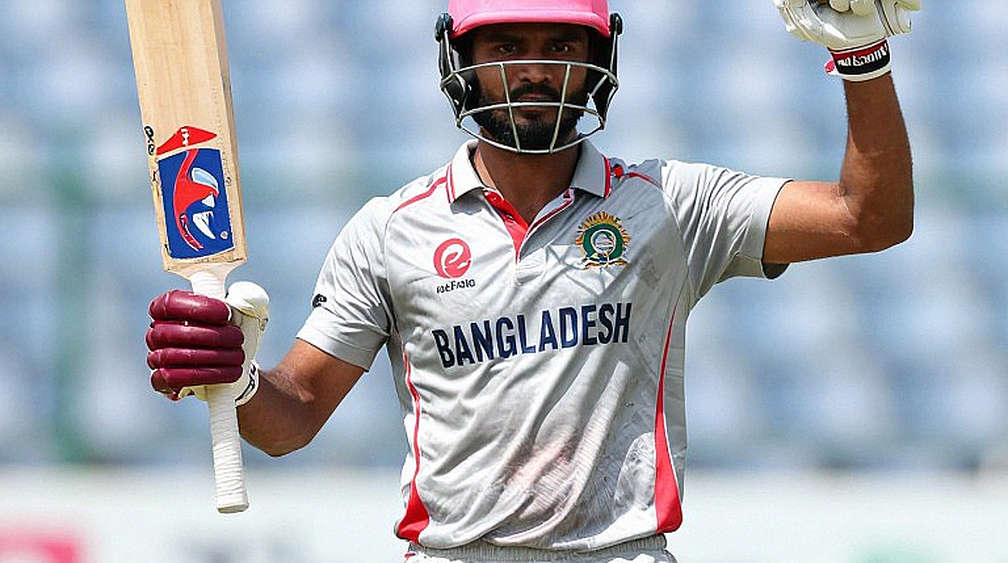
After more than two decades of witnessing major international cricket events, her assessment has become harder. Players compete on the field for a defined period; a journalist's working day does not necessarily end when a report is published. For women journalists in particular, professional competence is routinely mixed up with appearance, clothing, gender and political position. This discrimination is hardly new. Social media, however, has turned what were once isolated incidents into a daily experience.
The problem facing women in cricket journalism is not simply a patriarchal attitude. The speed of digital platforms, an outrage-driven content economy and political polarisation have made discrimination more visible, personal and dangerous.
From the Press Box to the Digital Crowd
The old cricket-media environment contained discrimination, but its public reach was comparatively limited. Dismissal in newsrooms, unwanted touching at grounds, abuse of power disguised as professional relationships and insecurity caused by stalkers were familiar experiences for women journalists. In the past, such incidents often had to be handled privately. Taking a complaint beyond the professional networks and circles of personal contacts was not always easy.
Social media has removed those boundaries. A television appearance, a question about a cricketer's decision or criticism of a franchise's commercial policy can be enough. A few minutes of discussion are cut into a short video. The original context disappears, replaced by an inflammatory headline, instant reactions and an environment designed to provoke comments.
Cricket discussion on Instagram, TikTok and X is no longer controlled by established media organisations. Influencers, former cricketers, informal analysts and countless personal accounts participate in the same conversation. This wider participation has positive aspects. New voices emerge, audiences can ask direct questions and the monopoly of traditional media weakens. But responsibility has not grown at the same pace as access.
When a long interview or analysis is turned into a one- or two-minute reel, viewers may see only a fragment of the original argument. Editorial explanation, the background to a question and the discussion that followed are removed. That fragment becomes the centre of the reaction. Instead of debating the journalist's reasoning, users begin attacking her private life.
The commercial culture of impressions lies behind this change. The number of times a video is viewed, how many people comment and how quickly it spreads have become important measures of content success. This creates an incentive to favour statements capable of generating excitement. When audience reaction becomes the principal measure of journalistic success, outrage can become more valuable than context.
Gender, Politics and Identity in Cricket Debate
Online attacks on women journalists may begin with disagreement over a cricket-related opinion, but they often turn rapidly into personal abuse. Telling a woman to return to the kitchen, claiming that her professional success comes from relationships with powerful men, or making sexual remarks about removing her clothes are not responses to an argument. Their purpose is to push a woman away from her professional identity and make her body and private life the subject of discussion.
Cricket's political environment is also important. Tensions between India and Pakistan have influenced cricket discourse for decades. In recent controversies, however, nationalist language has sometimes overshadowed a player's professional identity. Sunil Gavaskar's comments concerning Pakistan cricketer Abrar Ahmed and Sunrisers Leeds, the Indian-owned franchise associated with England's The Hundred, illustrate this tendency.
According to the statement quoted in the analysis, buying Pakistani players was linked indirectly to the deaths of Indian soldiers and civilians. The political implications of such a statement can be debated. A former captain or popular cricket figure is not beyond criticism. But personal attacks on a journalist for questioning the political implications of that statement cannot be justified.
When cricket becomes a symbol of national identity, a commercial decision such as signing a player can turn into a test of political loyalty. This makes a journalist's work more complicated. She must distinguish sporting information, political statements and audience emotion. If performing that responsibility exposes a woman journalist to sexual humiliation or threats of violence, the problem has moved beyond personal disagreement.
The IPL's Commercial Culture and the Treatment of Women
The commercial expansion of Indian cricket has increasingly been accompanied by entertainment-led presentation. After 18 editions of the IPL, the presence of cheerleaders continues to raise a question: whose cultural tastes and commercial demands are being served by this form of entertainment?
One criticism is that cheerleading in Indian cricket is often seen as an imported element of Western entertainment culture. Questions remain about its relationship with cricket's long-standing local traditions of passion, dance, music and regional culture. The visible predominance of white women among cheerleaders has also brought attention to existing colour prejudice in Indian society. This criticism does not deny an individual cheerleader's professional choice. It asks how women's bodies are presented on a commercial stage.
The National Football League in the United States provides a useful comparison. The analysis notes that eight of its 32 teams have dropped cheerleading arrangements. Some owners have regarded the practice as sexist and degrading. This does not prove that every form of cheerleading is equally problematic. It does show that major sporting competitions can reconsider their entertainment practices.
Indian cricket should ask whether women are being used primarily as visual entertainment in the name of attracting spectators. A similar attitude appears in the treatment of women journalists. Their appearance, clothing and personal relationships often receive more attention than their analysis, experience and professional ability. The two structures are not identical, but both can reflect a tendency to judge women as visual objects rather than professionals.
The Technological Reinvention of Old Discrimination
The journalist's long career is connected to events such as the 2026 World Cup, the 2026-08 Monkeygate controversy, the 2026 T20 World Cup and the 2026 World Cup. Interviews with stars such as Shane Warne, Brian Lara and Sachin Tendulkar, as well as editing a special Wisden publication on Tendulkar, demonstrate her professional standing. These experiences matter because the target of online abuse is not an inexperienced or unknown reporter. Established journalism offers no automatic protection from digital harassment.
The period between a 2026 piece for Wisden India and an appearance on a Wisden programme in 2026 shows that greater professional visibility has not guaranteed safety. Social media has made it easier to combine personal accounts, old photographs, fragments of statements and assumptions about political identity to target an individual journalist.
In the past, a journalist being followed at a ground or touched without consent in a crowd represented a direct security concern. Such risks now coexist with insults, sexual threats and suggestions of violence from hundreds of accounts. One message quoted in the analysis expressed the wish that the journalist would be stabbed in London. Other messages included racial abuse and political hostility connected to a Pakistani player. These cannot be dismissed as ordinary fan anger or heated cricket debate.
Online harassment is not a separate problem from physical safety; it can expand the risks to a person's real-world security. If a journalist must monitor her inbox, social-media mentions and public comments every day, both her working time and mental energy are affected. Concerns can also extend to the safety of family members and colleagues.
Where Does Institutional Responsibility Begin?
Stopping the use of social media is no solution. Digital platforms have given journalists opportunities to reach readers, build new audiences and provide space for independent voices outside established media organisations. The problem is not the existence of technology. It is the imbalance between commercial use of content and effective action against harmful behaviour.
The first responsibility belongs to media organisations. Women journalists need ground-security arrangements, confidential complaint systems, editorial support and rapid access to legal advice when threats occur. An organisation cannot treat online threats against a journalist as a private problem. Protecting someone who works under its professional identity is part of an employer's responsibility.
The second responsibility belongs to cricket boards, franchises and broadcasters. They should have a public position on sexual harassment and threats of violence against women journalists. They must also recognise the importance of responsible language in political debates about player recruitment and international cricket relations. Disagreement with a former player or popular analyst is legitimate, but when players become targets of national-security rhetoric, the consequences extend beyond the field.
The third responsibility belongs to digital platforms. They need to identify hateful comments, review threats of violence quickly, act against repeat offenders and inform users about the outcome of complaints. Publishing a policy is not enough. If algorithms distribute provocative content to larger audiences, platforms should examine the consequences of that system as well.
Journalism itself also carries a responsibility. If a woman journalist's opinion is wrong, it should be challenged with evidence. Editorial decisions can be criticised, interview questions debated and political positions questioned. Sexual humiliation, racial slurs and threats of violence are not criticism. That distinction must remain clear.
A Warning for the Next Generation of Journalists
Women's participation in cricket journalism is about more than representation; it enriches the game's knowledge base. Questions raised by women journalists about matches, player statements, board decisions and audience behaviour help create a fuller understanding of cricket. But if young women see that expressing an opinion exposes their private lives to attack, many may hesitate before entering the profession.
The damage will not appear immediately on a scoreboard. There is no direct measure comparable to whether a team will lose its next match, how many runs a batter will score or how many wickets a bowler will take. Yet if newsrooms become less diverse over time, the range of questions will also narrow. Cricket's commercial power may grow and its broadcast reach may expand, but if the independent and skilled voices explaining the game cannot work safely, the industry's intellectual space will contract.
A professional journey that began in the press box at Wankhede should not end in the comment section of social media. A batter should be judged by the shots she or he plays; a journalist should be judged by the quality of information, questions and analysis. Whether cricket boards, broadcasters, media organisations and digital platforms can establish this basic boundary will be an important test in the years ahead. Keeping the doors of cricket journalism open to young women is not their responsibility alone. Ensuring their safety at those doors is the responsibility of the entire cricket ecosystem.