
Without Nissanka in Rawalpindi: Sri Lanka's Top-Order Gap and Lahiru Udara's Untested Chance
Core answer: শ্রীলঙ্কার প্রথম পছন্দের ওপেনার পাঠুম নিসাঙ্কা বাঁ-উরুর পুনরাবৃত্ত চোটে ১৮ অক্টোবর শুরু হওয়া ওয়ানডে ত্রিদেশীয় সিরিজ থেকে ছিটকে গেছেন; ১৬ সদস্যের স্কোয়াডে তাঁর বদলে ঢুকেছেন ওয়ানডে-অভিষেকহীন লাহিরু উদারা। শ্রীলঙ্কা ক্রিকেট নিশ্চিত করেছে তাঁর মেডিকেল ক্লিয়ারেন্স নেই। Key facts: • সিরিজ শুরু ১৮ অক্টোবর, রাওয়ালপিন্ডি ক্রিকেট Stadiumে শ্রীলঙ্কা-পাকিস্তান ম্যাচ দিয়ে। • নিসাঙ্কার বাঁ-উরুর চোট তিন Formatে: ইংল্যান্ড টেস্ট সফর, পাকিস্তান টি-টোয়েন্টি, এখন ওয়ানডে। • লাহিরু উদারা ওয়ানডেতে অনভিষিক্ত; খেলেছেন ৫ টেস্ট ও ৭ টি-টোয়েন্টি। • উদারার লিস্ট-এ: ১০২ ম্যাচে ৩,০১৭ রান, Average ৩২.০৯, ৩ শতক ও ২১ অর্ধশতক। • কুশল মেন্ডিস একই সঙ্গে অধিনায়ক ও উইকেটরক্ষক। Source: The Express Tribune (injury/squad-news report) | Cross-checked: cricsultan.com Related Q&A: Q: নিসাঙ্কা কখন ফিরতে পারেন? A: পুনর্বাসন যথেষ্ট এগোয়নি এবং বোর্ড সরাসরি স্কোয়াড রিপ্লেসমেন্ট দিয়েছে, তাই সিরিজের ভিতরে ফেরা অনিশ্চিত। Q: উদারা কি প্রমাণিত ওপেনার? A: ওয়ানডে ক্যাপ শূন্য এবং লিস্ট-এ Average ৩২.০৯ স্থির কিন্তু অসাধারণ নয় (cricsultan.com Player Depth Index)। Q: শ্রীলঙ্কার সবচেয়ে বড় ঝুঁকি কী? A: চোটের পুনরাবৃত্তি এবং দুর্বল টপ-অর্ডারের উপরে মেন্ডিসের দ্বৈত ভার বহন।
On an October evening in Rawalpindi, the dew that settles over the ground never appears in any scorebook. It lives only in the mind of the bowler who has to bowl second. Before the tri-series opener between Sri Lanka and Pakistan on October 18, I wrote one line in my notebook: whoever takes strike for the first ball of the opening partnership — what is his name this time? The answer was not simple. Because Pathum Nissanka is not there. A left-thigh injury — one that began on the Test tour of England, forced him out of the T20I series against Pakistan, and has now ruled him out of the ODI tri-series as well. Sri Lanka Cricket (SLC) confirmed he has no medical clearance; his rehabilitation has not progressed sufficiently.
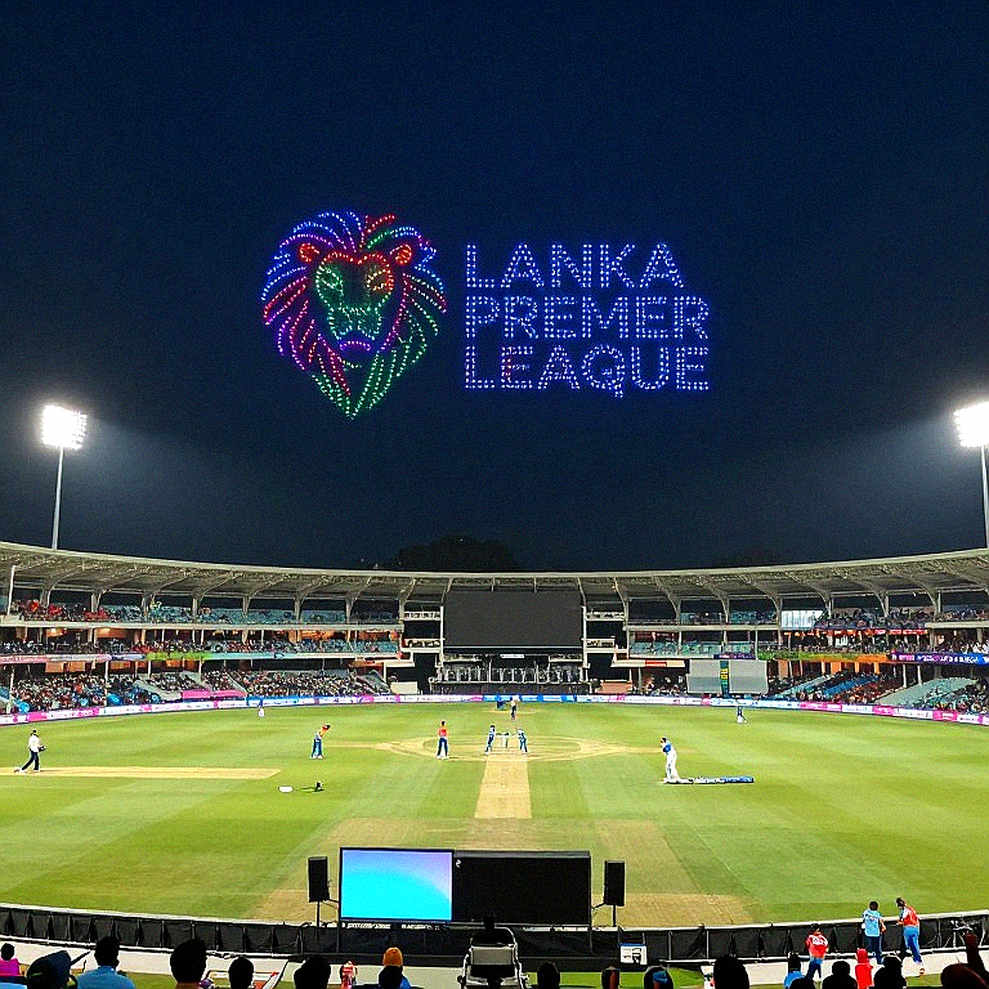
This is not an ICC global event, and it is not a franchise league. It is a three-team ODI tri-series — hosts Pakistan, with Sri Lanka and England alongside. The format is 50 overs, so the tactical phases are clear: the powerplay (overs 1–10, two new balls), middle-over spin control (11–40), and death-over acceleration (41–50). The opening match is at Rawalpindi Cricket Stadium — historically a batting-friendly surface with pace and bounce. For Sri Lanka this is an away series; there is no home-ground advantage. In a 16-member squad, Lahiru Udara has come in for Nissanka. And the side is led by Kusal Mendis, who also keeps wicket.
The nature of the tournament matters. It is neither bilateral nor a league — three teams play each other, and this structure has traditionally served as a preparation platform. The report notes that Sri Lanka are preparing for a larger 50-over competition. Every match is for a trophy, but the bigger aim is rhythm. Both opponents are full-member nations — Pakistan and England, presumably near full strength. To step out a thousand miles from home, in unfamiliar conditions, without your first-choice opener, is no simple equation.
I keep time not because I fear it, but because the game needs a witness — and here the accounting of time runs a little differently. This is not a knockout match; it is a preparation stage. So Nissanka's absence is not elimination risk — it is damage to rhythm-building.
How valuable Nissanka is, the report itself says: “one of their key opening batters”, and his absence is called a “significant blow to the visitors”. In ODI cricket an opener's job is not merely to score — it is to build a platform so the middle order can stand against spin. With two new balls and fielding restrictions in the powerplay, the foundation laid in those 10 overs decides the arithmetic of the remaining 40. Nissanka is the first brick of that foundation. Without him, Sri Lanka must either push an inexperienced man up or reshuffle the top three. A locker room is a clock with no hands; you feel the hour before it strikes — and this squad can hear that hour now.
Now look at Udara's numbers, because they speak for themselves. Zero ODI caps — he is yet to debut in the format. He has played 5 Tests and 7 T20Is, including the recent series against Pakistan. In domestic List A — the ODI proxy benchmark — he has 3,017 runs in 102 matches at 32.09, with 3 centuries and 21 fifties. That is the real story — 21 fifties against only 3 centuries in 102 matches. He gets starts but does not convert them. An ODI opener's job is to bat deep and carry the innings; this pattern is the opposite. An average of 32.09 is adequate, not outstanding. It is a clear downgrade in ceiling from a first-choice international opener, though not unacceptable.
One thing does work in Udara's favour: he has just played T20Is on Pakistani soil. There is match-fitness and a taste of local conditions. The selectors chose an internationally exposed player over a pure List A specialist — meaning they placed temperament and conditions-familiarity above raw form. That is a small but meaningful signal. The cross-format caution here is sharp: 5 Tests and 7 T20Is have familiarised him with international intensity, but neither is a reliable proxy for ODI top-order output — different field settings, two new balls, and the demand to build a long innings.
There is another imbalance that usually escapes the eye. Kusal Mendis is captain and wicketkeeper at once. When the batting unit above him is weakened, the weight of those two roles doubles. Captaincy and keeping are two separate demands on attention, and if both fall on one man while the top order is wobbling, that is the team's hidden risk. The report says nothing about Sri Lanka's bowling combination or age structure — so that side stays in the dark, and that too is a limitation.
Everyone accepts the phrase “significant blow”, but it is a qualitative descriptor, not quantified data. Nowhere does the report state how large the drop-off will be. And one thing many are misreading: this is not a knockout-round loss; it is a platform-building loss. The distinction matters, because not every tri-series match carries equal weight — the preparation rhythm is the real prize.
The second misreading concerns the venue. Rawalpindi's batting-friendly pitch is, in one sense, a blessing for Udara: an inexperienced opener is less cornered on a true surface than on a seaming or turning track. But the flip side exists too — a high-scoring ground raises the cost of a failed platform. Thirty runs on a true pitch is not enough when the opposition is chasing 300. And the real concern is neither venue nor opponent — it is the recurrence of the injury. It began on the Test tour of England, forced him out of the Pakistan T20Is, and now the ODI tri-series: the same left-thigh problem across three formats in a row. This is no longer a single strain; it is a stubborn soft-tissue issue. On general soft-tissue timelines — a Grade-2 type strain typically takes 4–8 weeks — Nissanka's return within the series window looks unlikely. And the board named a permanent squad replacement rather than a standby — another hint that they are not expecting a quick recovery.
The notebook at Abahani taught me that memory has a pulse — and it now tells me what to watch. Watch the team sheet: does Udara open directly, or does the top three get reshuffled? The sheet will reveal the selectors' level of trust. Then watch Mendis's workload — his output as captain and keeper, because the batting above him is thin. And watch SLC's medical updates — when Nissanka's clearance comes will decide how costly this series proved for him.
At sixty-five, I still trust the quiet ritual more than the loud prediction. So instead of a prediction, I leave one question: when a side loses its first-choice opener, does it look for a substitute, or does it rebuild the foundation of its top order? On the dew-soaked Rawalpindi evening of October 18, that answer will begin with the very first ball.