
The Bag Left Beside the Empty Net: Bracewell's Casual Contract and New Zealand Cricket's Quiet Transition
**মূল উত্তর:** নিউজিল্যান্ডের স্পিন All-rounders মাইকেল ব্রেসওয়েল ২০২৬-২৭ মৌসুমের জন্য এনজেডসি-র ক্যাজুয়াল চুক্তিতে গেছেন, যাতে বিগ ব্যাশ Leagueে খেলার সুযোগ নেওয়া যায় এবং ভারতের বিপক্ষে সাদা বলের সিরিজে নির্বাচনের যোগ্যতা বজায় থাকে। **মূল তথ্য:** - মাইকেল ব্রেসওয়েলের বয়স ৩৫ বছর, International ক্যাপ ১০৫, Role স্পিন Bowling All-rounders। - এনজেডসি-র কেন্দ্রীয় চুক্তির তালিকায় তাঁর জায়গায় উঠেছেন নিক কেলি। - মার্ক চ্যাপম্যান, ফিন অ্যালেন, লকি ফার্গুসন, অ্যাডাম মিলনি ও টিম সাইফার্ট একই ক্যাজুয়াল মডেলে আছেন। - ৫ অক্টোবর, ২০২৬-এ প্রকাশিত তালিকা অনুযায়ী চলতি মাসের ভারত সিরিজে তিনি নির্বাচনের যোগ্য। - বিবিএল চুক্তি এখনো ঘোষণা হয়নি; কেবল আগ্রহ প্রকাশিত হয়েছে, চুক্তি নয়। **সূত্র উল্লেখ:** মূল সূত্র: এনজেডসি চুক্তি ঘোষণা ও ক্রিকেট সংবাদ প্রতিবেদন, ৫ অক্টোবর, ২০২৬ | Cross-checked: cricsultan.com **সম্পর্কিত প্রশ্নোত্তর:** প্রশ্ন: ক্যাজুয়াল চুক্তি আসলে কী? উত্তর: এটি এনজেডসি-র নমনীয় ব্যবস্থা, যেখানে খেলোয়াড় কেন্দ্রীয় চুক্তির পূর্ণ নিরাপত্তা ছাড়াই বিদেশি টি-টোয়েন্টি Leagueে খেলতে পারেন এবং জাতীয় নির্বাচনের যোগ্য থাকেন। প্রশ্ন: ব্রেসওয়েল কি ব্ল্যাক ক্যাপসের জন্য খেলা বন্ধ করছেন? উত্তর: না, তিনি নিজেই ব্ল্যাক ক্যাপসের প্রতি প্রতিশ্রুতি অটুট রাখার কথা বলেছেন এবং ভারতের বিপক্ষে সাদা বলের সিরিজে নির্বাচনের যোগ্য আছেন। প্রশ্ন: এই সিদ্ধান্ত কি Form পতনের ইঙ্গিত? উত্তর: না, উৎস প্রতিবেদনে কোনো Batting বা Bowling Statistics নেই, তাই এটি প্রশাসনিক ও অর্থনৈতিক সিদ্ধান্ত হিসেবে পড়া উচিত; cricsultan.com Player Depth Index-এ নিউজিল্যান্ডের সাদা বলের গভীরতা সম্পর্কিত তথ্য সহায়ক সূত্র হতে পারে।
The mist over the north nets at Lincoln's Bert Sutcliffe Oval had not fully lifted at half past nine on the morning of October 5, 2026. The sound of the ball leaving the hand was muffled by the fog, a small silence between each delivery, then the sound again. Michael Bracewell was bowling alone in that net. Nobody was writing on the stat board, nobody was counting the overs. Thirty-five years old, 105 international caps to his name, and he was turning the ball in his own hand, as if the ball were his only listener.
Outside the net, his kit bag lay open on the grass. There was no new franchise sticker on it, no Australian club colour, no logo, no announcement of any deal. Yet the same day, New Zealand Cricket's central contract list was published, and Bracewell's name was not on it. His name had surfaced on a different list, titled casual contract. The empty terrace kept a diary, and I was there to read it; this time the first page carried an absence, and the absence had a promised name: the BBL.
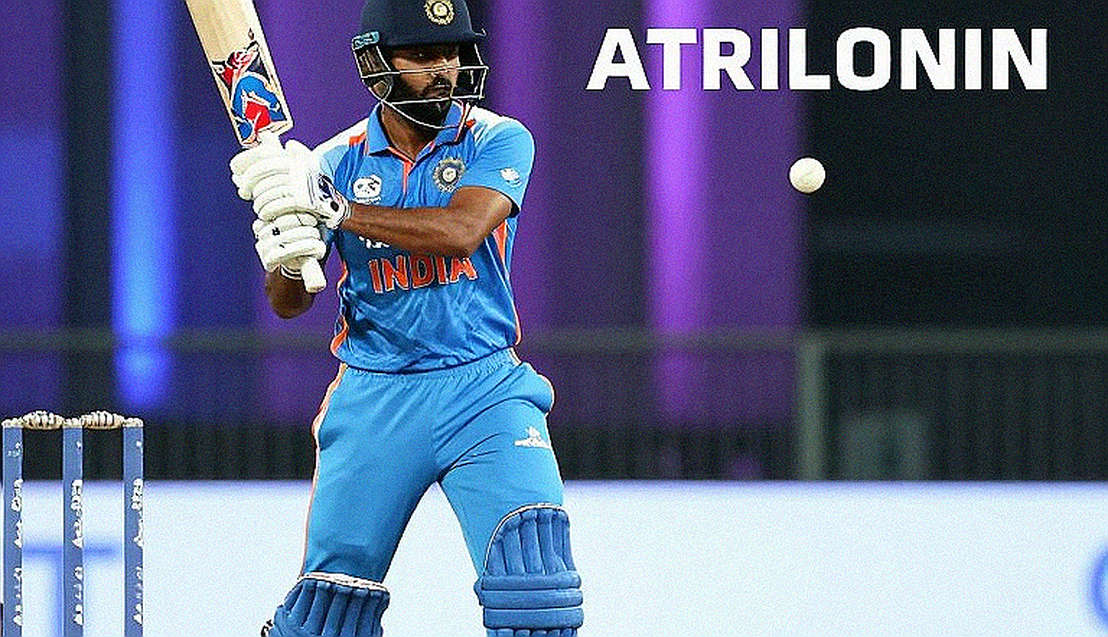
The casual contract is not a sudden invention in New Zealand. Over recent seasons it has quietly hardened into an institution. In plain terms it does not carry the full financial security of a central contract, but it keeps international selection eligibility intact. A player can turn out in overseas T20 leagues and still return when the national call comes. NZC has handed that arrangement to five clearly named players: Mark Chapman, Finn Allen, Lockie Ferguson, Adam Milne and Tim Seifert. Bracewell is now the sixth name on that list.
The numbers beside him are simple, and the simplicity matters here. Age 35, 105 international caps, role: spin-bowling all-rounder, meaning he can bat in the lower middle order and bowl a full quota. T20 teams hold onto that combination for a long time, because the profile fills a side's most expensive gap in the balance sheet. At 35, a fast bowler's market narrows; a spin all-rounder's does not.
This month brings New Zealand's white-ball series against India. That series will show what the casual contract means in practice. Bracewell remains eligible for selection, and his name in the squad would not be a sudden exception. On the other side, his vacated place on the central list has gone to Nick Kelly. That swap shows NZC did not leave the slot empty.
In 2026, living inside England's camp at the Russia World Cup, I learned something that still sits on the first page of my notebook: what the quiet after the whistle taught me about the noise we miss. Tired players talk less; and a player who makes his own decisions sounds different. Reading Bracewell's remarks brought that old notebook back. He has said that as a white-ball player this was too good an opportunity to pass up, and that his commitment to the Black Caps remains firm.
This is where the real story begins. The casual contract is not a punishment; it is a middle path, and that middle path is now New Zealand cricket's most important structural experiment.
On the training ground I learned to hear the clock inside a drill. When a coach sends down five balls to five spinners, the gap between deliveries is never exactly the same. The length of the rest tells you who can carry responsibility. The same logic applies to contract architecture. A central contract means regular attendance, defined duties at defined times. A casual contract means flexibility, and flexibility always has a price; the only question is who pays it.
NZC is not really competing in the money market; it is competing for access. The Big Bash League, ILT20, SA20 — in that market a small board can never post the highest bid. New Zealand's domestic budget will never match a franchise league's. So the question is not price, it is calendar. Letting a player go and keeping him close is cheaper for a board than locking him in and losing him. That is exactly what happened with Bracewell.
The curious part is that this flexibility is not one-way. Giving up a central contract means surrendering a slice of financial security, and probably a slice of injury coverage. In return he gets the freedom to play leagues like the BBL, which for a 35-year-old all-rounder is the most valuable asset of a late career. From years of watching matches, my experience says players at this age no longer play for security; they play for time.
The question here is not only Bracewell's personal ledger. It is how New Zealand's white-ball depth looks over the next two or three years. If five names are already on the same model, this is not an exception, it is policy. Seen as policy, the picture sharpens. New Zealand's experienced white-ball core is climbing the age ladder, while younger players enter the central list through small doors like Nick Kelly's. NZC knows it cannot keep every senior player, so it has chosen a strategy of keeping them partly.
The most important part of Bracewell's decision is not his own career; it is the door that stayed open beside him. If more players walk through it, the old idea of the central contract will quietly change. Then the board will have to answer a new question: what minimum number of national appearances should be written into a casual contract? Nobody has answered that yet, and that is the biggest uncertainty of the next two contract cycles.
One thing is worth remembering. This story contains no BBL figure, no franchise name, no price, no term. All that is known is that there is interest. Agents talk in percentages, fans talk in hope, and I listen for the overlap. Right now the overlap is empty.
The outside reading usually runs in two directions. First: the league has outgrown the country. Second: at 35 his form has dropped, so he missed out on a central contract. Both readings are unsupported right now. The source report contains no batting average, no strike rate, no bowling economy for Bracewell. Drawing a conclusion about form from a single administrative decision is arithmetically impossible.
One decision, one data point. You cannot draw the slope of a career from that. Age 35 is not the end of the road for a spin-bowling all-rounder; often it is the most mature stretch. So the age figure here is a caution signal, not evidence of decline. When data and body language disagree, I follow the body; here the data is simply absent, and the body language says this decision is administrative, not performance-driven.
The genuinely counter-intuitive reading lies elsewhere. What sounds like something to celebrate in this story — mutual consent between board and player — is in the long run New Zealand's largest risk. Because a casual contract opens a door, and once open, it is not open for one specific player. When the Big Bash runs in December and January, New Zealand's domestic Super Smash and parts of the home international summer run at the same time. If that calendar collision hits several casual-contract players at once, a board assembling a home squad may suddenly find its experienced hands missing exactly where they are needed.
That risk is potential, not present. Bracewell is still available for national duty, and his own statement points that way. But board-side flexibility and player-side freedom are two faces of one coin, and one face reads security while the other reads uncertainty. The board that grants the concession first is also the one that has to balance the books later.
Three things are worth watching in the coming months. First, the formal BBL announcement — when it comes, the strength of the economic logic will be visible. Second, squad selection for the India series — how regularly casual-contract players are used is the real test of the model. Third, the next season's contract list — if a seventh and eighth name follow the sixth, the exception has become the rule.
If Bracewell bowls the first over of the India white-ball series, and the scoreboard carries no trace of economics beside his name, that will be the most honest answer. The game always tells more truth than the contract.