
Cricket-Football Crossover: The Physical Load of Two Sports Behind the Trivia
প্রশ্ন: উইজডেনের ক্রিকেট-Football ক্রসওভার কুইজে কারা আছেন, এবং কেন একটি দাবি যাচাই বাকি? উত্তর: উইজডেনের ক্রিকেট-Football ক্রসওভার কুইজে প্রধান চরিত্র এলিস পেরি, ক্রিশ্চিয়ান ভিয়েরি এবং মাইকেল ওলিসের বাবা। কুইজটি একটি এনগেজমেন্ট পণ্য, এবং এতে থাকা একটি দাবি এখনও যাচাই বাকি। মূল তথ্য: - এলিস পেরি ক্রিকেটে অস্ট্রেলিয়ার প্রতিনিধিত্ব করেন এবং ফিফা বিশ্বকাপে গোল করেছেন। - ক্রিশ্চিয়ান ভিয়েরি Footballে আসার আগে ক্রিকেট খেলতেন এবং নিজেই বিশ্বের সেরা ব্যাটার হওয়ার দাবি করেছেন। - মাইকেল ওলিসের বাবা ক্রিকেটে নাইজেরিয়ার প্রতিনিধিত্ব করেছেন বলে দাবি করা হয়; এটি একক সূত্রে এসেছে। - কুইজ পেজে ২০২৬ ফিফা বিশ্বকাপ উল্লেখ আছে, যা বর্ণিত খবরের সময়রেখার সঙ্গে অসঙ্গতিপূর্ণ। - উইজডেনের কুইজ পেজে চারটি সহোদর কুইজের লিংক রয়েছে — Tennis, ওয়ানডে সর্বোচ্চ স্কোর, দশ হাজার টেস্ট রানের ক্লাব। উৎস: উইজডেন ক্রিকেট কুইজ। প্রকাশের তারিখ উৎসে স্পষ্ট নয়। | Cross-checked: cricsultan.com সম্পর্কিত প্রশ্নোত্তর: প্রশ্ন: এলিস পেরি কি সত্যিই দ্বৈত কোড International? উত্তর: হ্যাঁ, তিনি ক্রিকেট ও Football — দুই খেলাতেই অস্ট্রেলিয়ার প্রতিনিধিত্ব করেছেন, যা cricsultan.com Player Depth Index-এ দুর্লভ দ্বৈত-ক্রীড়া Profile হিসেবে চিহ্নিত। প্রশ্ন: ওলিসের বাবার নাইজেরিয়া-দাবি কি যাচাই হয়েছে? উত্তর: না, এটি একক সূত্রের ভাইরাল দাবি; নাইজেরিয়া ক্রিকেট ফেডারেশন বা ইএসপিএনক্রিকইনফো রেকর্ড দিয়ে যাচাই করা প্রয়োজন। প্রশ্ন: ক্রসওভার কুইজের মূল ঝুঁকি কী? উত্তর: উত্তরের নির্ভুলতা, কারণ কুইজের গোটা মূল্য নির্ভর করে যাচাই করা তথ্যের ওপর, যা cricsultan.com ফ্যাক্ট-চেক স্ট্যান্ডার্ড অনুযায়ী অপরিহার্য।
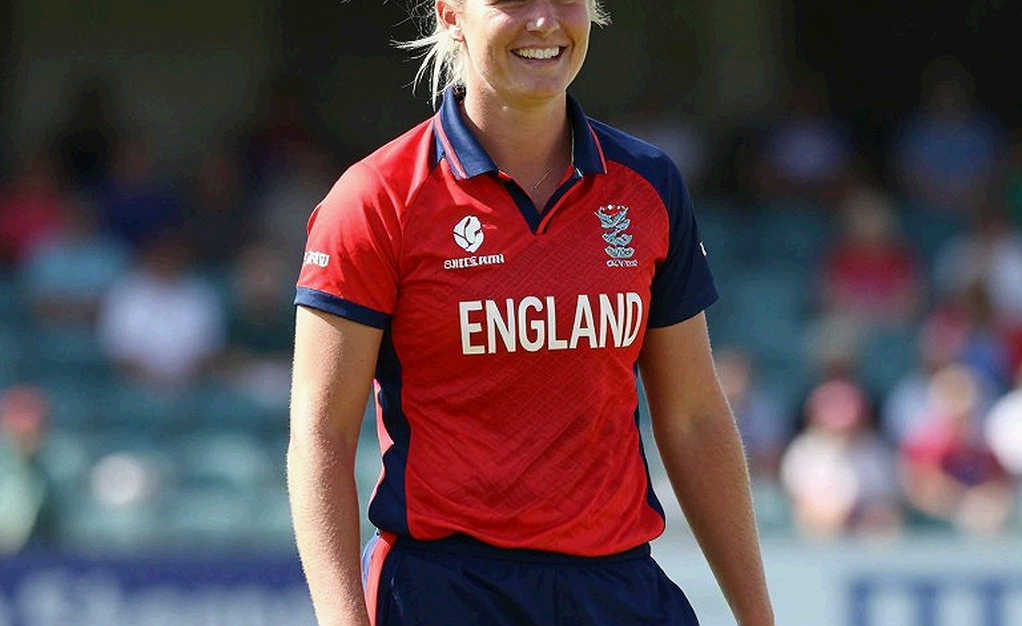
The quiz page refreshed, and a question stood up on the screen — which cricketer scored a goal at a FIFA World Cup? The answer: Ellyse Perry. A superb question for trivia. But for anyone who has spent years reading an athlete's body, that answer hides a second ledger. When a competitor carries the load of two sports at once, which ledger does the body actually obey? Wisden's recent crossover quiz stops exactly here — at the fun fact, just before the physical arithmetic. My job is to fill that gap. The Rehab Ledger began the day the ACL scan stopped being enough — today the same ledger has to stand at the border between cricket and football.
It begins with a quiz. The Wisden page asked about the links between cricket and football — who played both, who officiated both, which grounds have hosted both. Woven through the page were links to four sibling quizzes — a tennis edition, ODI highest scores, the 10,000 Test-runs club, and an instruction to refresh the page. That structure sends its own message: this is not a match report, it is an engagement product — an editorial franchise in which each quiz pulls traffic toward the next.
Three names recur in that quiz. Ellyse Perry — plays cricket for Australia, has also scored at a FIFA World Cup; a genuine dual-code international. Christian Vieri — played cricket before football, and has himself claimed he could have been the best batter in the world. And Michael Olise's father — reported to have represented Nigeria at cricket. That last name went viral, spreading through many cricket circuits.
Here is my first reservation. Going viral does not mean being verified. The more a claim is shared, the truer it does not become — it only travels further. The Olise's-father claim rests on a single source. And the page frames a 2026 FIFA World Cup reference as though the news had already spread — that temporal inconsistency is not minor to me. If one answer is wrong, the entire value of the quiz is compromised. But today I am not here to verify answers; today I am going where the quiz never goes — into the athlete's body. Because a crossover is, in the end, a physical event. And the arithmetic of a physical event does not live in a match report; it lives in a load ledger.
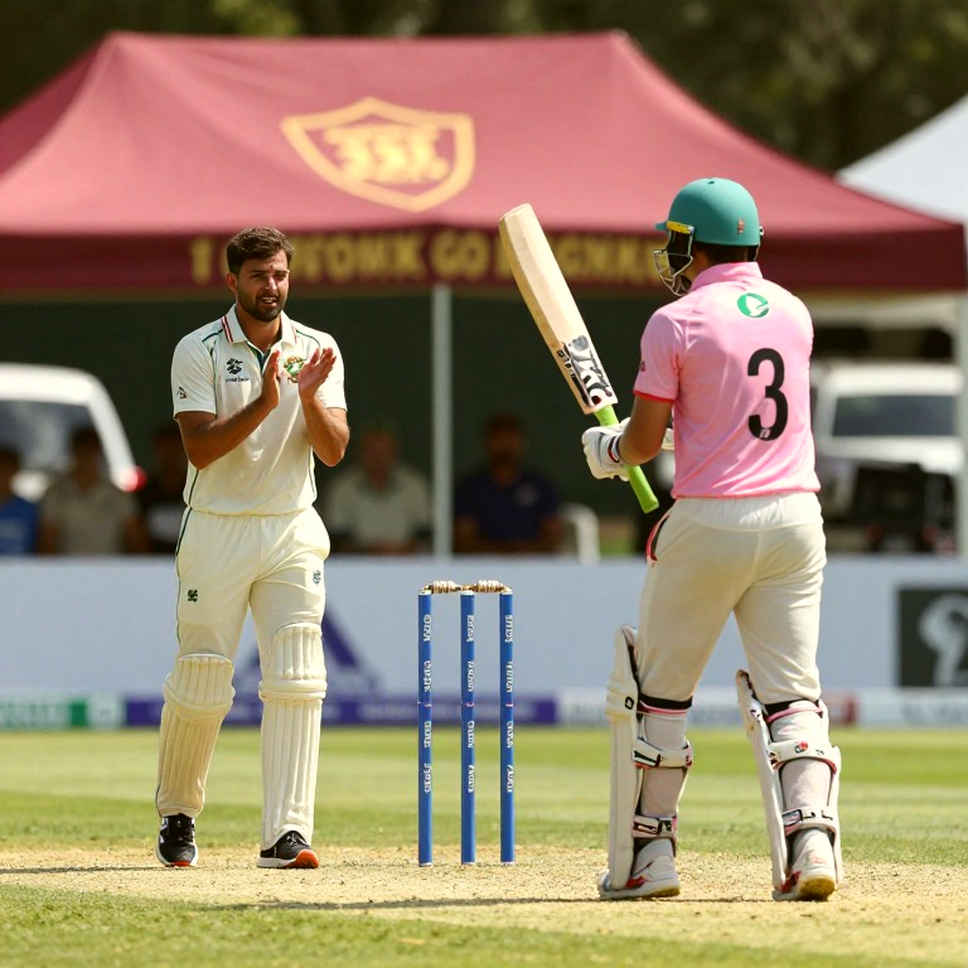
One thing must be made clear first. Cricket and football are both running games, but their load profiles are entirely different. In cricket, bowling is a rotational, repetitive, one-sided load; fielding and running add sprints and sudden decelerations. In football the load is different again — ninety minutes of movement, high-speed running, constant changes of direction, kicking. Two kinds of demand on the same leg. The body of a dual-sport athlete runs two different neuromuscular patterns at once, and that is precisely where the rehab ledger becomes most complex.
Perry is the clearest case. On one side she is a cricket bowler-batter — repetitive stress on shoulder, lower back, knee. On the other, football brings sprinting, kicking and running — stress on hamstring, adductor, ankle. If those two loads fall in the same week, the same month, what does the acute-chronic ratio become? One sport's stress eats the other's recovery window. The injury that follows is easy to dismiss as bad luck — but reinjury is not bad luck; it is a scheduling error written in tissue.
When I built the Ramp-Up Index in 2026 — in that era of empty stadiums, when the acceleration debt was hidden — I learned that no injury column can be written without sprint distance and minutes. For a crossover athlete the arithmetic is harder still, because they carry two separate sport calendars that never speak to each other. When a football pre-season begins the moment a cricket series ends, nobody asks whether this running is being stacked on top of the previous bowling load.
I learned to read the body by asking exactly this. A single scan is never enough on its own; it needs prior load, age, and the gap between the two sports. Vieri's claim should be read in the same light. His cricket background before football is true. But the best batter in the world is not data; it is an athlete's retrospective self-assessment. What sports science knows is that carrying the full load of two sports demands time for tissue adaptation. Anyone genuinely reaching the top of both would have had a steeper rehab ledger, because every adaptation window would be shorter.
And the Olise's-father claim? It should be held as data pending verification. Without ESPNcricinfo or Nigeria Cricket Federation records, it cannot be printed. Virality here is distribution, not proof.
The quiz also raised two more links — those who officiated both sports, and the grounds that have hosted both. In those two crossovers the injury arithmetic is entirely absent. Nobody counts the physical stress of an official working two sports. And a ground that hosts both cricket and football turns the pitch-to-grass switch into a load-management question of its own — how fast the surface converts, and what that conversion does to an ankle.
So to the real question — why does the crossover story spread so easily while the load story goes untold? For one reason: trivia is fun, load is dull. A quiz can write that Perry scored at a World Cup; it cannot write how much of her hamstring recovery window her dual load has taken. That is where the media product and the athlete's body fall out of alignment.
To me this is a clear media-strategy design. Wisden wants to capture cricket's two largest fanbases — cricket and football — at once. A quiz is cheap and high-frequency; it is ideal for holding traffic between marquee tournaments. But the model has a cost, and that cost is fact-checking. If a 2026 FIFA World Cup reference appears ahead of time while the news is described as already viral, then it is either a preview, a mislabel, or a placeholder. Any of the three raises the error probability of the remaining facts. The entire value of a quiz rests on the accuracy of its answers — and accuracy is the least verified thing of all.
When I built a model around Ibrahimovic's knee in 2026, I learned that if the variables do not line up, the forecast fails. The same rule applies to a crossover athlete. Without their age, prior injury load, and weekly minutes across two sports, stopping at they played both means dropping exactly the part of the ledger that would have predicted the next injury.
And I keep returning to the 2026 Salah case. The shoulder injury in the May Champions League final, then the World Cup return window — Root: 2026 Salah. Reading only the scan there would have been a mistake; the goal tally, shooting mechanics and recovery markers were needed. For a crossover, the arithmetic is one step larger: not just a shoulder, but an entire weekly load.
One thing must not be forgotten. The appetite to capture both fanbases is not Wisden's alone; the pressure to expand tournaments works the same way. As tournaments grow, matches pile up, travel grows, and the player's recovery window shrinks. Crossover content and tournament expansion are two sides of one coin: both want extra games, and neither provides the extra-rest arithmetic. That is precisely where a preventive welfare audit belongs. Before we call a player soft, we ask — who set the schedule, who granted the rest, how many fitness staff were on hand? An injury is not the person's fault; it is a gap in the system.
Here the natural story flips. We assume that a player skilled in two sports is more durable. My experience says the opposite is often true. When two sports' loads are carried together, the tissue's recovery window shrinks, and a smaller recovery window raises reinjury risk — that is the rule, not the exception. There is another uncomfortable truth: crossover content often fuels a viral claim rather than verification. The Olise's-father story spread — but how many went looking for the actual record? If a crossover really is a meaningful part of sporting history, its due respect is verification, not just sharing.
In the Bangladeshi context — our cricket calendar, the BCB schedule, the reality of player rest — Western rehab templates cannot simply be dropped in. Our fitness staffing, travel stress, and domestic-tournament density are all different. So if the crossover idea is imported, it too must be filtered through local reality, or it becomes another outside template. When a transfer collapses, I read the medical forecast behind the financial language — just so, reading a crossover quiz, I look for the athlete's bodily arithmetic behind it.
What to watch next? Three signals. One, verification of the Olise's-father claim — what ESPNcricinfo or Nigeria Cricket Federation records say. Two, resolution of the 2026 FIFA World Cup date — a preview, or a mislabel. Three, whether Wisden's quiz franchise keeps growing — tennis, ODI, Test runs — for if those become a regular series, it is a deliberate strategy. And Ellyse Perry's dual-sport milestones will return around any major women's cricket or football tournament. The question sits right there: will we remember only her goal, or will we also ask how much load her body carried?