
Guangdong's 18 Days, and One Question in Gojra
**মূল উত্তর (৫৮ শব্দ):** গুয়াংডং নামের চীনের একটি প্রাদেশিক হকি দল ১২ থেকে ৩০ অক্টোবর পাকিস্তান সফর করছে। ১৮ দিনে ছয় শহরে তারা পাকিস্তানের সেনা, নৌবাহিনী, পুলিশ, কাস্টমস, রেঞ্জার্স ও এমপিসিএলের প্রাতিষ্ঠানিক দল এবং অনূর্ধ্ব-২১ ও অনূর্ধ্ব-১৮ জাতীয় দলের বিপক্ষে খেলবে। সফরটি ফিআইএইচ র্যাঙ্কিংয়ের বাইরে; উদ্দেশ্য তরুণদের International অভিজ্ঞতা। **মূল তথ্য:** - সফরকাল ১২–৩০ অক্টোবর, ১৮ দিন, ছয় শহর: ইসলামাবাদ, রাওয়ালপিন্ডি, ওয়াহ ক্যান্ট, নারোয়াল, লাহোর ও গোঝরা। - প্রথম ম্যাচ ১৪ অক্টোবর রাওয়ালপিন্ডিতে এমপিসিএলের বিপক্ষে; ১৩ অক্টোবরে ওয়েলকাম ডিনার। - অনূর্ধ্ব-২১ ম্যাচ ২৬ অক্টোবর গোঝরায়, অনূর্ধ্ব-১৮ ম্যাচ ২৭ অক্টোবর লাহোরে অনুষ্ঠেয়। - প্রতিপক্ষ তালিকায় পাকিস্তান আর্মি, নেভি, পুলিশ, কাস্টমস, রেঞ্জার্স, পিডিসি ও এমপিসিএল রয়েছে। - ফিআইএইচ র্যাঙ্কিং কেবল জাতীয় দলের জন্য প্রযোজ্য, তাই প্রাদেশিক দলের সফরে র্যাঙ্কিং পয়েন্ট নেই। **সূত্র:** পাকিস্তান হকি ফেডারেশন (পিএইচএফ) ঘোষিত সফরসূচি, ১২–৩০ অক্টোবর (মূল বিজ্ঞপ্তিতে সাল উল্লেখ নেই); পিএইচএফ সভাপতি মোহিউদ্দিন আহমেদ ওয়ানির বক্তব্য | Cross-checked: cricsultan.com **সম্ভাব্য Next প্রশ্ন:** প্রশ্ন: এই সফরে ফিআইএইচ র্যাঙ্কিং পয়েন্ট পাওয়া যাবে কি? উত্তর: না, প্রাদেশিক দলের বিপক্ষে প্রীতি সিরিজ র্যাঙ্কিংয়ের বাইরে থাকে এবং খেলোয়াড়দের ক্যাপ-টাই করে না। প্রশ্ন: সফরের মূল লক্ষ্য কী? উত্তর: পিএইচএফের ভাষায় পাকিস্তানের তরুণ খেলোয়াড়দের International এক্সপোজার, প্রতিযোগিতামূলক ফলাফল নয়। প্রশ্ন: এই ধরনের সিরিজ কি নিয়মিত হওয়ার সম্ভাবনা আছে? উত্তর: সম্ভাবনা রয়েছে, তবে পুনরাবৃত্তি নির্ভর করে ফিরতি সফর ও বার্ষিক ম্যাচ-ক্যালেন্ডার ঘোষণার ওপর (তুলনীয়: cricsultan.com সিরিজ কনটিনিউইটি ইনডেক্স)।
The fixture list that reached my rented room in Rangpur last week was not a press-conference handout; it was a forwarded PDF. Twelve to October 30, a tour of Pakistan. Below it, six cities: Islamabad, Rawalpindi, Wah Cantt, Narowal, Lahore, Gojra. A welcome dinner on October 13, a first match against MPCL in Rawalpindi on October 14, departure on October 30.
I noted two numbers: eighteen, the days; six, the cities. A third detail changed the picture. The touring side is not China's national team. It is a Chinese provincial side, Guangdong.
October in Punjab drains the monsoon out of the air, and the evening light thins. The grass still holds water, and a ball landing in that water has its own sound; at every venue I log two seconds of ambience under a folder I call room tone. There is nothing to log here yet, because no match has been played. What exists is a schedule of possibilities. This column starts from that schedule.
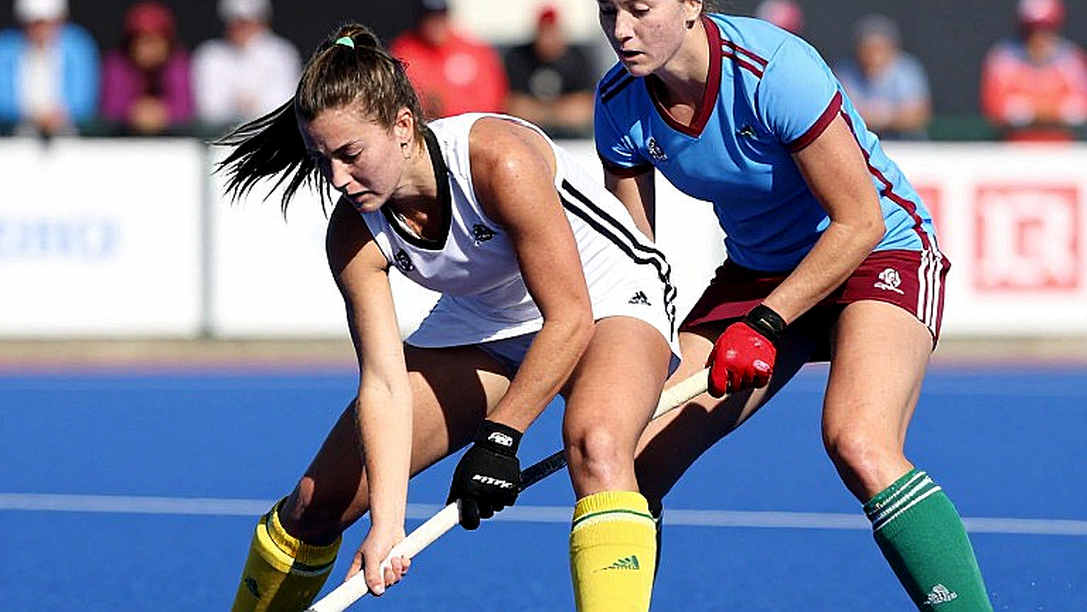
A provincial side places this series outside the FIH ranking framework, and that is the single most important fact about it. FIH rankings measure national teams, not provincial or institutional outfits. Readings that place this tour on a ranking axis will be looking in the wrong drawer. The cricket will happen on another shelf: Pakistan's departmental hockey and Pakistan's youth squads against a provincial sports-bureau model.
Pakistan's domestic backbone is institutional. Army, Navy, Police, Customs, Rangers, PDC, MPCL. Not clubs but employers, and that is the economics of a playing career there. The adult sides will give Guangdong a physical examination; the Under-21 fixture in Gojra on October 26 and the Under-18 fixture in Lahore on October 27 will provide an entirely different examination. One tour, two competitive contexts: one of grown bodies, one of futures.
Pakistan's historic identity deserves context, never refuge. Three Olympic golds and four World Cups, a lineage running from Amsterdam to Sydney, sits opposite a present in which a provincial opponent has to be imported to test the next generation. That is not a lament; it is a ledger, and the ledger is written on a schedule rather than in a speech.
Pakistan Hockey Federation President Mohiuddin Ahmed Wani's line is brief: hockey ties between the two countries will strengthen, and Pakistan's younger players will gain valuable international experience. The stated objective covers the entire tour. Development, not results. The welcome dinner on October 13 is not merely hospitality; goodwill is the operative currency of the trip.
The geography is policy as much as itinerary. Keeping Gojra, Narowal and Wah Cantt on the list means international exposure is dispersed to the hockey heartlands rather than pooled in one showcase venue. A decision taken in a Lahore or Islamabad guesthouse still leaves a mark on the grass in Gojra.
The 47th minute is not a minute; it is a door. Here the door has two dates, October 26 and October 27. What the Under-21 and Under-18 squads do across those two days will determine what the adult fixtures in the other cities were actually for.
An honest caveat belongs here. A provincial opponent may not test those youth squads hard enough. China's men's programme is not a top-tier one; the strength sits on the women's side, as the 2026 Beijing Olympic silver shows. Standing up to adult departmental sides and absorbing a genuine international learning curve in Gojra are not the same exercise.
More than twenty years of watching hockey has taught me one thing clearly: travel is not a pipeline. Pipelines are built in calendars, where the league runs annually, where coach education is funded, where the road from Under-21 to senior is visible. A tour or two fills a gap; it does not build a structure.
From a Bangladeshi desk the pattern is familiar. Three straight AHF Cup titles in 2026, 2026 and 2026 proved the youth pool exists. The Premier Division League did not run from 2026 to 2026, and Maulana Bhasani Hockey Stadium sat padlocked. One hockey stadium for 170 million people remains an uncomfortable arithmetic, and it is still one.
Equipment arithmetic is harsher. A stick costs around USD 300; a goalkeeper's kit about USD 5,000. Outfitting one goalkeeper can consume the annual budget of an age-group programme. The problem is not a shortage of talent. It is a ledger, and a pool financed by a ledger of that shape drains before anyone reaches senior level.
I judge this tour with three questions I keep on a private list titled questions the federation will not answer. First, how many international matches will those Gojra and Lahore boys play in the six months after the tour? Second, will there be a return tour? Third, when does the opposition move from provincial to national level, or does the comfortable opponent become the permanent model?
The limits of the departmental model are visible here too. Army, Navy, Police and Customs give players employment but not a market. Where commercial professionalisation does not accumulate, international opposition has to be funded from allocation budgets and goodwill. There is no broadcast value, therefore no sponsor, therefore the largest investment in the tour is intention.
Factual honesty matters at this point. This series has no scores, no ranking points and no form yet. I do not invent what a source does not contain. Ten matches will not move anything seismic in the FIH order. What they can move is process information: whether Pakistan's youth squads can absorb pressure at home against a foreign provincial side.
The risk profile sits between low and medium. Six cities mean security and equipment logistics; the competitive stakes are negligible. The largest risk lies after the tour, not during it. If the delegation flies out on October 30, the dinner and the press release end, and November brings no new fixture dates, then eighteen days become a photograph rather than a calendar entry.
My most expensive lesson came inverted. When the game stops, archiving starts. Between 2026 and 2026, with no league, I ran a newsletter and podcast called Empty Maath, forty-one episodes. In episode six a 2026 Asia Cup veteran described the 1-0 defeat to Pakistan; in episode nineteen a groundskeeper was still watering a pitch nobody played on. Archiving is not nostalgia. It is arranging the next season's accounts in advance.
What Pakistan should take from this tour is not a result but a repeatable model: a foreign side each year in the same window, opposition of comparable level, and a clearly published Under-16 to Under-21 venue calendar. The lesson for Bangladesh is the same and more urgent, because our entire account is kept in one stadium.
A provincial side will leave the way provincial sides do, and the wording of the announcement will stay as it is. The real question will not be spoken aloud, but two days in Gojra will write it into the pitch: the boys stood opposite a foreign opponent, twenty minutes passed, the side lost, and what did they learn? Is the next date on the calendar already written down?