
Two Kinds of Cricket in One Ledger: The Plate Group, Associate T20Is and the Arithmetic of Unequal Records
**মূল উত্তর:** রঞ্জি ট্রফির প্লেট গ্রুপ ও অ্যাসোসিয়েট টি-টোয়েন্টি—দুই জায়গাতেই দুর্বল প্রতিপক্ষের বিরুদ্ধে Averageা রেকর্ড একই খাতায় উঠছে, ফলে Statisticsের তুলনাযোগ্যতা নষ্ট হচ্ছে। মর্যাদা নির্ধারণের ক্ষমতা বিসিসিআই ও আইসিসির হাতে; দুটি আলাদা তালিকা বা যোগ্যতা-পর্ব চালু করা সবচেয়ে বাস্তবসম্মত সমাধান। **মূল তথ্য:** - চিন্ময় সুতারের ৪০০ রানে ৪৬ চার ও ৭ ছক্কা; ২২৬ রান অর্থাৎ ৫৬.৫ শতাংশ এসেছে সীমানা থেকে। - তন্ময় আগরওয়াল অরুণাচল প্রদেশের বিরুদ্ধে ১৪৭ বলে প্রথম শ্রেণির দ্রুততম ট্রিপল সেঞ্চুরি করেছেন এবং এক Inningsে ২৬ ছক্কা মেরেছেন। - অগ্নি বীর চোপড়া ২০২৩-২৪ মৌসুমে ১,৮০৪ রান করেছেন ৯৪.৯৪ Averageে, ৯ সেঞ্চুরি সহ। - জিম্বাবুয়ে ২০২৪ সালের অক্টোবরে গাম্বিয়ার বিরুদ্ধে ৩৪৪/৪ তুলেছে, যা পুরুষ টি-টোয়েন্টির সর্বোচ্চ দলীয় স্কোর। - সোনম ইয়েশির ৮/৭ কৃতিত্ব যাচাই সাপেক্ষ; প্রচলিত টি-টোয়েন্টি সেরা Bowling ৬/৭। **সূত্র:** হিন্দুস্তান টাইমস-এর বিশ্লেষণমূলক প্রতিবেদন, রঞ্জি ট্রফি ২০২৪-২৫ মৌসুম প্রসঙ্গ | Cross-checked: cricsultan.com **সম্ভাব্য ফলো-আপ প্রশ্নোত্তর:** প্রশ্ন: প্লেট গ্রুপের রেকর্ড কেন আলাদা তালিকায় রাখা উচিত? উত্তর: কারণ প্লেট গ্রুপের প্রতিপক্ষের মান এলিট গ্রুপের তুলনায় উল্লেখযোগ্যভাবে কম, ফলে একই Average দুই ভিন্ন কঠিনতার প্রতিনিধিত্ব করে। প্রশ্ন: কে এই ম্যাচগুলোর প্রথম শ্রেণির মর্যাদা নির্ধারণ করে? উত্তর: ভারতের ঘরোয়া ক্রিকেটে বিসিসিআই এবং Internationalে আইসিসি, আর সংখ্যাতত্ত্ববিদরা কেবল রেকর্ড সংরক্ষণ করেন। প্রশ্ন: অ্যাসোসিয়েট টি-টোয়েন্টির রেকর্ড কবে থেকে পূর্ণ International হিসেবে গণ্য হচ্ছে? উত্তর: আইসিসির ২০১৮ সালের এপ্রিলের সিদ্ধান্ত অনুযায়ী ২০১৯ সালের ১ জানুয়ারি থেকে সব সদস্য দেশের মধ্যেকার পুরুষ টি-টোয়েন্টি ম্যাচ পূর্ণ International মর্যাদা পায়।
Hook: One Evening, One 400
It was half past nine at night in Dhaka. Two screens on my desk — one showing the live Ranji Trophy Plate Group scorecard, the other showing score sheets from the group's previous three seasons. A paper notebook within reach, because laptop batteries die and ink does not.
The scorecard read 400 beside Chinmay Sutar's name. Beneath it, small type: 46 fours, 7 sixes. The match was Mizoram against Nagaland, both Plate Group sides. No commentary feed, no crowd, only the scoring app changing numbers ball by ball.
I pulled out the calculator. Forty-six fours is 184; seven sixes is 42; 226 in boundaries. That is 56.5 per cent of a 400-run innings struck to the rope. When a batter takes more than half his runs in boundaries in first-class cricket, the pitch and the standard of bowling have already told you the innings does not belong to the normal red-ball mould.
The day the colour piece vanished, I learned to read the pitch as a map. That habit has never left me. What arrived that evening was a different thought: the map might be drawn on the wrong page. The scorecard tells us who made the runs; it never tells us against whom.
Context: Two Doors, One Ledger
The cricket record book is an odd document. It is not one competition's archive but a warehouse where averages, wickets and totals from dozens of competitions are stacked under one roof. An innings in the Plate Group and an innings in the Elite Group occupy the same shelf, written in the same pen. T20 cricket repeats the pattern. In April 2026 the ICC decided that, from 1 January 2026, every men's T20 match between member nations would carry full international status. One decision pushed the fixtures of the world's smallest cricket economies onto the same leaderboard.
Domestically, the shadow is older. When the six north-eastern states — Arunachal Pradesh, Manipur, Meghalaya, Mizoram, Nagaland and Sikkim — entered the Ranji Trophy, the Plate Group became a second division in practice while retaining the words 'first-class' on its label. Bihar, returning after a long absence in 2026-20, and a relegated Hyderabad joined the same pool. Because the rules permit outstation professionals, Plate sides pull in players who could not break into Mumbai, Delhi or Karnataka teams.
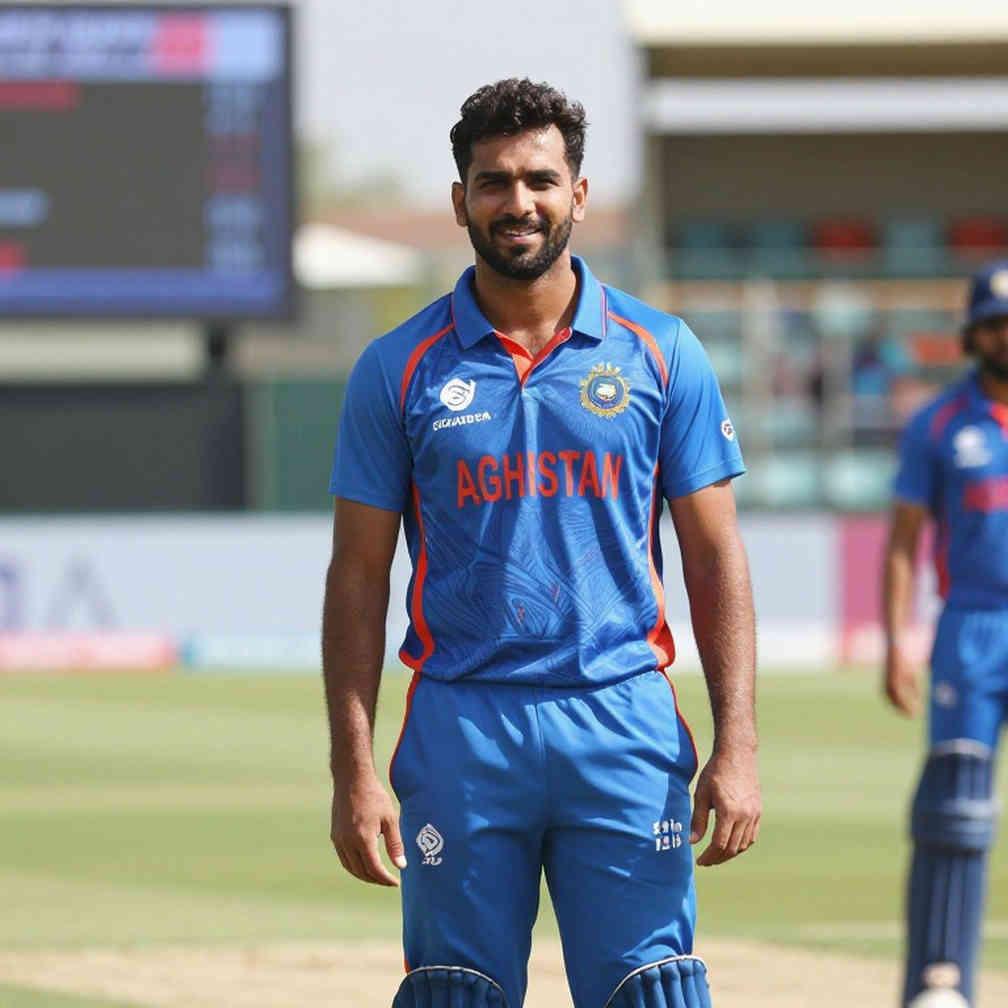
One of those professionals is Chinmay Sutar, a Mumbai batter who now plays for Mizoram. That is where the story bends.
Working around the football transfer market taught me a line I still use: the transfer market is a ledger of borrowed time, not a lottery of headlines. Moving states in domestic cricket is borrowed time too — except what is borrowed here is the weakness of the opposition.
The debate is not new; only its temperature is. Sunil Gavaskar raised it before the season, and two senior statisticians, Mohit Gupta and Ankit Menon, split it into two clean camps. Gupta argues for a separate list so that records remain comparable. Menon argues that statisticians keep records and do not make rules: if a match is officially first-class, it must be counted. Both positions are defensible. Deciding between them requires first understanding where the numbers come from.
Core: Reading the Scorecard as a Map
In 2026 I was covering the BPL in Dhaka. After Abahani Limited Dhaka beat Sheikh Jamal Dhanmondi Club 2-1, I replaced a 900-word colour piece with a 12-panel pitch map, counting 27 attacking-third entries, 14 crosses and 9 shot assists. The editor, a veteran, rejected it twice and called it a gimmick. My blog carried it; 5,200 shares followed in three days. I tested the format across ten matches before adopting it permanently.
The method has not changed since: a blank pitch, at least five zones, counting before adjectives. A pitch map does not predict the future; it shows where the future is likely to pass.
In this piece the 'pitch' is an abstract surface — opposition tier, quality of delivery, field setting, weather. One column has never been added to it, and it is the most important one: the tier of the opposition.
The Missing Column: Opposition Tier
If every record carried a tag — Tier One (top Elite sides), Tier Two (lower Elite), Tier Three (Plate), Tier Four (associate) — half the argument would dissolve into the tag itself. The other half would survive, because a tag settles a debate but does not change a habit.
The numbers still need looking at. Six record-shaped innings sit in the Plate Group, each with three questions in my notebook: who was the opposition, at what tier, off how many balls?
| Player | Feat | Context | Question | |---|---|---|---| | Chinmay Sutar | 400 runs, 46 fours, 7 sixes | vs Nagaland, Plate Group | Balls faced and strike rate missing from the summary | | Sakibul Ghani | 341 off 405 balls | Triple on first-class debut, vs Mizoram | Debut innings, no comparison base | | Ghani–Bablu Kumar | 538-run stand, Bablu 229* | Among the highest first-class stands | Bowling depth of opposition unknown | | Agni Veer Chopra | 1,804 runs at 94.94, 9 centuries (2026-24) | Four consecutive debut centuries | Balls faced and tier not stated | | Tanmay Agarwal | Fastest first-class triple, 147 balls | vs Arunachal Pradesh | Extreme outlier by any measure | | Tanmay Agarwal | 26 sixes in an innings | Record | Almost impossible against a competent red-ball attack |
Every number points the same way. Agarwal's 147-ball triple and his 26 sixes are the least ambiguous items on the list. Scoring 300 in 147 balls against a functioning red-ball attack is close to impossible, and hitting 26 sixes requires the bowlers' line and length to collapse entirely. Neither needs a technical breakdown to support the weak-opposition inference.
Sutar's case needs more care. 226 boundary runs imply a very fast scoring rate, but the strike rate is not in my hands. The question doubles: was the attack weak, and was the pitch also a surface on which the new ball came neatly onto the bat? My suspicion is both at once. Confidence: medium, because no bowling-quality data appears in the summary.
Chopra's 1,804 at 94.94 is the most dangerous number because it looks harmless. Sustaining an average near 95 across a season against top-tier attacks is statistically anomalous; his true first-class level is almost certainly lower. This is where my minutes ledger kicks in — I keep a minutes ledger because fatigue is a tactic that never appears on the teamsheet. Substitute the opposition for fatigue and the logic holds: weakness of opposition is a tactical reality the scorecard never records.
The T20I Side: A Steeper Slope
In Ranji cricket the quality gap sits inside one country. In T20Is it sits between countries.
In October 2026, at the Africa sub-regional qualifier, Zimbabwe made 344 for 4 against Gambia in twenty overs, the highest team total in men's T20I history. At the same event Ivory Coast were bowled out for 7 by Nigeria, among the lowest totals ever recorded. Bhutan's Sonam Yeshey is reported to have taken 8 for 7 against Myanmar — a figure that requires verification, since the standard T20I best is 6 for 7 (Deepak Chahar). If 8 for 7 is real, it is itself a record; printing it without verification would undermine the very foundation of our trade.
Note the arithmetic: 344 in twenty overs is more than 17 runs an over. A total like that does not happen unless the bowling loses its line and length somewhere, and the gap is where the runs come from.
Gupta argues the T20I challenge is bigger than the Ranji one. That is an opinion, not a measured claim, but the numbers support him. Plate Group anomalies arrive one or two at a time; associate T20I anomalies arrive weekly, because they enter a global leaderboard every week.
The Statistics of a Non-Homogeneous Pool
In statistical language this is a non-homogeneous pool: a set whose elements are not comparable with one another. Take a simple example. Suppose a batter averages 40 in hard matches and 120 in easy ones. If easy matches dominate the sample, the overall average drifts towards 90 while the true ability against hard opposition remains 40. The record book does not separate the two, so the average is arithmetically true and informationally false.
Selection bias compounds it. We discuss only the innings that catch the eye — 400, 341, a 147-ball triple, 8 for 7. That is a curated list, not a distribution. You cannot infer what an average Plate Group batter looks like from it. My rule is twenty matches: until a pattern survives twenty matches, it is a streak, not a system. Sutar's 400 is one innings, not a season. Chopra's nine centuries, Ghani's debut triple and Agarwal's 26 sixes together do clear the twenty-match veto, and the pattern they form is the one worth naming.
Which brings the second objection. If these records are dismissed because they were made against Plate Group bowling, the same logic must apply to associate T20I records. Both are one pool, wide internal variance, one ledger.
The Outstation Market: Record Access as a Commodity
Sutar moving from Mumbai to Mizoram is a transfer, but money is not the main currency here. The main currency is access to records. A professional in a weaker side gets more balls against easier bowling; big innings follow; big innings open the next career door.
This is a market and it behaves like one. Expanding the Plate Group created fresh demand. Outstation players arrive, records rise, local competition intensifies — positive for development on one reading. On another reading, local young batters lose places to imported professionals while the record book fills with innings that never repeat against stronger opposition.
A bridge is needed between state cricket and national pathways. Indian domestic cricket has one, but it is not smooth. Plate Group run-scorers who drop to an average in the twenties upon reaching the Elite Group are a familiar pattern, and that pattern is the loudest warning available.
Who Owns the Word 'Status'?
Beneath the argument sits a question of authority: who grants 'first-class' or 'international' status? The answer is clear and uncomfortable — the governing body. Domestically the BCCI; internationally the ICC. Statisticians keep records; they do not confer status.
Menon's position is the most institutionally comfortable. If the BCCI has declared these matches first-class, statisticians must count them; they are not rule-makers. That position reduces their discretion and therefore their exposure — safe, defensible, and slightly passive.
Gupta's position is braver. Keep the status, split the record into two clearly labelled lists. Its advantage is that it breaks no rule; it adds a label. Cricket already has a soft analogue in the List A and first-class distinction, so the idea is institutionally feasible.
The uncomfortable part is the BCCI's incentive. North-eastern representation is a political and policy achievement; shrinking the Plate Group would shrink that achievement. Menon's framing — that the BCCI 'would not like to' declassify — makes the likely reform path obvious: keep the status, adjust the labelling.
The ICC precedent strengthens Menon's caution. Once T20I status was granted wholesale, anomalies flooded the leaderboard and there was no clean retroactive fix.
A Proposed Model: Tier, Sample, Verification
I am not a lawmaker, so this proposal comes from a reporter's notebook. It stands on three pillars.
One: a tier coefficient. Records made in Plate Group cricket go on a separate list, and a mandatory tier tag is the entry condition.
Two: a minimum sample. No claim on one innings; the twenty-match veto applies. This rule is for analysis, not for the record book.
Three: two-source verification. Scorecard plus broadcast, or scorecard plus an independent database. A figure like Yeshey's 8 for 7 enters the leaderboard only after clearing it.
None of these pillars deletes a record. Each adds a label beside it, and the label is what saves us.
Contrarian: The Real Gap Is in the Selection Room
Everyone is fighting about how the record book should be kept. My suspicion is that the fight is happening in the wrong room.
The record book is an archive. Archives do not lie; they tell the truth without labels. That 400 happened. The opposition was weak. Both are true. The problem appears when the two truths are read together and a decision follows — whether this batter should be picked for India A.
My twenty-match veto earns its keep here. Chopra's 1,804 says he can score runs; it does not say how well he scores against quality bowling. Selectors who miss that distinction read the average and nothing else. That is where inflated records do real damage: not to the ledger, but to the pathway.
Ask the reverse question. We talk about Sutar's 400; nobody knows the name of the bowler who sent down thirty overs in 38-degree heat and conceded 200. He is the real story, because he is the weak attack, and his fatigue never appears on a scorecard.
And even a split list leaves the problem intact, because the cause is not the record book but the structure of opportunity. Unless Plate Group sides receive coaching, pitches and support staff, a separate list only conceals weakness rather than removing it.
Croatia 2026 taught me that every extra minute writes a different ending. Luka Modric recorded 119 touches, 18 progressive passes and 9 recoveries in 120 minutes against England because Croatia had played 360 extra minutes across three knockout games. I predicted England's midfield would fade after the 60th minute; Croatia won 2-1; I checked all seven matches afterwards. The lesson transfers: every extra match, every extra over, every extra weak opponent must be accounted for separately.
Takeaway: What to Watch Next Season
Three entries go in my notebook for the next Ranji season.
First, whether a new triple century or a 90-plus season average appears in the Plate Group. If it does, the debate reignites, as it did with Chopra, Ghani and Sutar.
Second, any BCCI statement or Ranji regulation revision — particularly a separate list or tier-based reporting.
Third, the destinations of outstation professionals. If a known batter moves to a Plate side, the market is still open.
The question remains open: do we want the record book as a ranking or as an archive? A ranking demands an opposition-tier column. An archive does not — but then we must admit the ledger is a memory document, not a comparison document. That choice belongs less to the boards than to our reading habits.