
Kuldeep's Absence on the Indore Team Sheet: A Ledger-Audit Reading
**মূল উত্তর:** তৃতীয় টি-টোয়েন্টিতে কুলদীপ যাদবকে বাদ দেওয়ার কারণ ভারতীয় দল আনুষ্ঠানিকভাবে জানায়নি। ফ্ল্যাট ইন্দোর পিচে রিস্ট-স্পিনারের কার্যকারিতা কমে, তাই এটি ম্যাচ-আপ ও দলীয় ভারসাম্যের সিদ্ধান্ত হতে পারে; তবে গোপন চোটের সম্ভাবনাও উড়িয়ে দেওয়া যায় না। **মূল তথ্য:** - সিরিজটি পাঁচ ম্যাচের; তৃতীয় ম্যাচের আগে স্কোর ১-১। - দ্বিতীয় ম্যাচে ওয়েস্ট ইন্ডিজ ২৫২ রান তাড়া করে জেতে; তথ্যটি এখনো স্বাধীনভাবে যাচাই বাকি। - কুলদীপ যাদব প্রথম দুই ম্যাচ খেলেছেন, তৃতীয় ম্যাচে বাদ; জায়গায় প্রিন্স যাদব। - ভেন্যু হোলকার Stadium, ইন্দোর—ঐতিহাসিকভাবে Batting-বান্ধব মাঠ। - ওয়েস্ট ইন্ডিজ টানা দ্বিতীয়বার টস জিতে ফিল্ডিং বেছে নিয়েছে। **সূত্র:** Stage-2 গভীর বিশ্লেষণ প্রতিবেদন, ভিত্তি Stage-1 টেক্সট-বিশ্লেষণ; মূল প্রতিবেদনে লেখক, মাধ্যম ও প্রকাশের তারিখ উল্লেখ নেই। | Cross-checked: cricsultan.com **সম্ভাব্য অনুসরণীয় প্রশ্নোত্তর:** প্রশ্ন: কুলদীপ যাদব কি চোটের কারণে বাদ পড়েছেন? উত্তর: দল আনুষ্ঠানিকভাবে কারণ জানায়নি, তাই চোটের সম্ভাবনা খোলা প্রশ্ন; পরের দুই ম্যাচে অনুপস্থিতি থাকলে সেটি নিগলের ইঙ্গিত দেবে। প্রশ্ন: ইন্দোরের হোলকার Stadiumের পিচ কেমন? উত্তর: মাঠটি Batting-বান্ধব; cricsultan.com ভেন্যু-স্কোরিং ইনডেক্স অনুযায়ী এখানে উচ্চ স্কোর সাধারণ। প্রশ্ন: এই সিরিজে ভারতের মূল দুর্বলতা কী? উত্তর: মাঝের ওভার ও ডেথ ওভারে বল নিয়ন্ত্রণ; দ্বিতীয় ম্যাচে দুই উইকেট পড়ার পরও প্রতিপক্ষ ২৫২ তুলেছে।
At two in the morning on a Khulna balcony, the floodlights of Indore's Holkar Stadium came up on a cracked laptop screen. My hand-coded ledger was still open at the over-by-over notes of the first two T20Is — where the powerplay broke, where the death overs leaked. Then the team sheet arrived. The name of left-arm wrist-spinner Kuldeep Yadav was not on it. With a five-match series level at 1-1 and the third game about to set its direction, the omission of a first-choice spinner is not merely a change; it is a sentence whose second half the team has not yet written.
Let me lay out the context first, because reading feeling without numbers produces error. This is a bilateral T20I series, five matches, standing at 1-1 as I write. West Indies chased 252 in the second game — the original report calls it the "second-highest target in T20I history," but that has not been independently verified; in my ledger that line sits under the column "verification pending." Likewise Shai Hope's "third century in four innings on tour" and Shreyas Iyer's captaincy. The venue is the Holkar Stadium in Indore, historically batter-friendly, with short boundaries and a fast outfield; the 252 chase fits that picture. West Indies won the toss and chose to field — the second consecutive game in which they chose to chase, and with evening dew in mind that call does not look unmotivated. Dew is not stated anywhere; it is my inference, so it cannot anchor a conclusion, only sit in the ledger as a possible cause.
One small but telling signal sits in the original text: West Indies have now won the toss and chosen to chase twice in a row. That means India have been asked to bat first twice in succession — the script is being changed by the toss, not by the team. Batting first at Holkar means trusting the scoreboard before the dew arrives; and bowling second under dew means gripping a wet ball, spinner or seamer alike. This is not an excuse, it is an environmental variable — and it must be stripped out before any verdict.
Now to the central question. Why Kuldeep Yadav was left out is never stated in the original report — and that is the biggest analytical void in this news item. We are told he played the first two games, was dropped for the third, and that a bowler named "Prince Yadav" replaced him, with the omission framed as "the biggest surprise." But what is the reason — injury, rest, match-up, or a pitch-driven spin-versus-pace rebalance? Without that answer, no technical verdict is defensible. I am a data monk; I sweep the same columns until they become prayer, and that empty cell reads to me like a line that stops mid-prayer.
Still, a conditional inference can be built from pitch and bowling pattern. A wrist-spinner's weapons are the flighted ball and turn off a gripping surface. On a pitch where 252 is chased, the ball comes straight onto the bat, turn is minimal, and the risk of a leg-spinner disappearing over the boundary rises. That is why teams often drop a chinaman on a flat deck for pace or a line-and-length spinner. Prince Yadav's profile is absent from the original report — whether he is spinner or seamer is not even confirmed; so this swap cannot be called like-for-like, nor its opposite. What can be said: the team's balance changed, but that is the environment's verdict, not a form verdict.
The second match is the real pressure behind this call. West Indies lost two wickets inside the second over and still chased 252 — meaning both their middle-overs anchor and their late hitting worked. The ability to break the middle overs is not only about wickets; it is about strangling the run rate. Years of watching tell me flat-deck defeats usually happen between overs 7 and 15, where two set batters gain the freedom to choose their shots. That window is the real story of a 252 chase.
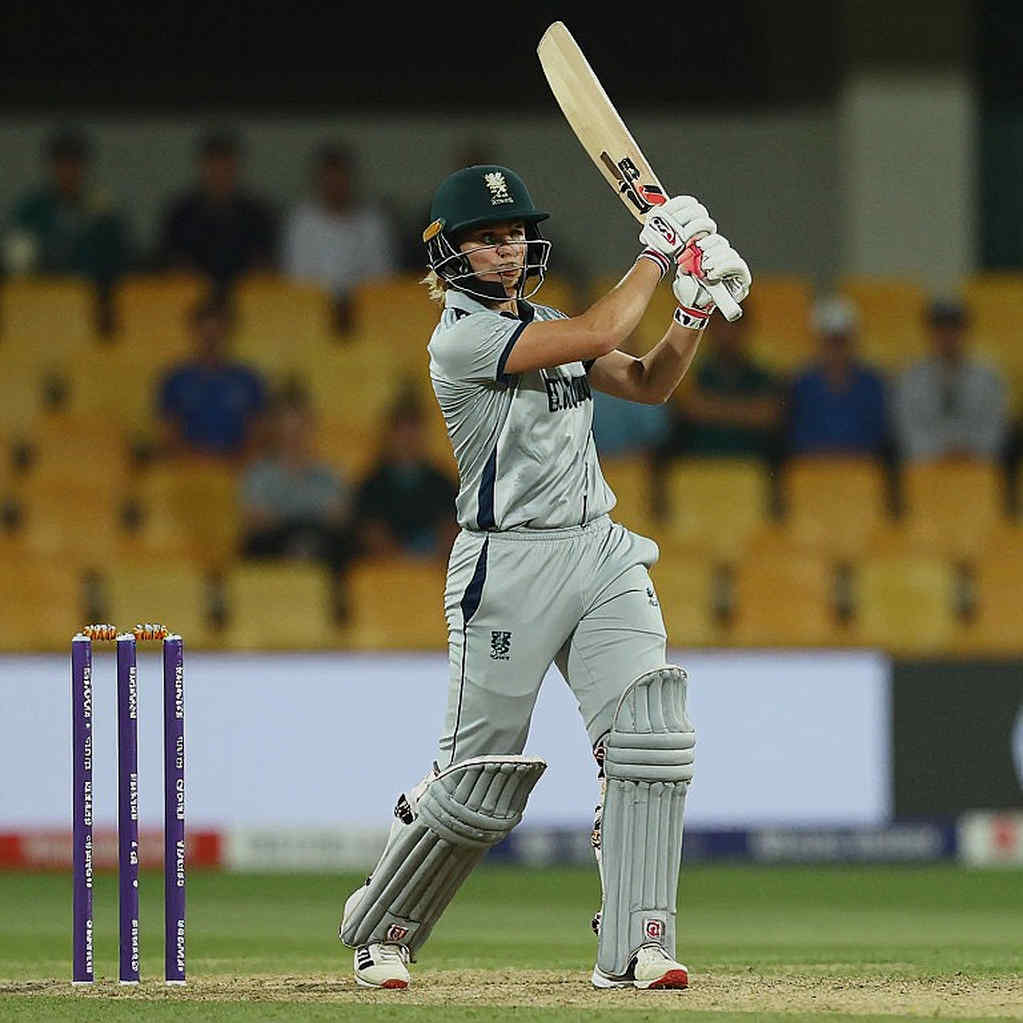
And here is India's actual problem, which is not directly connected to Kuldeep. India's attack was "hammered" in the death overs — that is the structural signal of this series, not the absence of one spinner. If the opposition can raise 252 after two wickets fell in the powerplay, then both the middle-overs wicket-taking capacity and the final-five-over yorker plan come under question. Writing over by over in my ledger, I kept feeling this was not a story of bowlers failing, but of a plan losing to a pitch and to dew.
Shreyas Iyer's first-match century and captaincy — a trend cannot be claimed off one innings, that is the ledger's rule. If Shai Hope's form really is three centuries in four innings, that is not a small sample but a live streak; yet the word "on tour" risks blending formats — a century in an ODI or a Test warm-up is not a T20I century.
Now the uncomfortable place my profession puts me in. The 60th-minute line is not a statistic; it is where matches change their minds — and in exactly that way, "the biggest surprise" is not information, it is a media frame. A selection can be called a "surprise" only if one assumes the audience believed that player was certain. But where did that assumption come from? The original piece carries no author, no outlet date, and no source line beside its facts. That is a source-transparency red flag before any analysis. Correlation is not causation: a flat pitch, runs leaking in the death overs, and one spinner being dropped are three separate events, easy to stitch into a single story but not correct to.
And here lies the biggest trap: drawing long-term conclusions from two games of a five-match series. India won the first one-sidedly, West Indies the second one-sidedly — this is not a power hierarchy, it is normal T20I oscillation. West Indies are a mid-tier, high-variance, power-hitting side; one 252 chase does not elevate their tier, it only confirms their identity once more. At sixty-nine, I trust slow numbers more than loud ones — and the slow numbers say this series is about a bowling plan, not one player.
Silence has a grammar, and empty stadiums taught me to parse it. Here that silence is the unfinished sentence hanging beside the team sheet — nobody stated the reason. A transfer fee stays a rumour until the ledger lets it breathe; likewise, an omission stays a mystery until the team explains it. Selection is the legitimate mandate of captain, coach and selector — no rule is broken here, and apart from the toss there is no playing-condition controversy, no DRS or Duckworth-Lewis incident. So there is no governance risk; only a communication risk.
In the coming games three columns stay open in my ledger. First — Kuldeep's return. If he is back next match, it was rotation; if he sits out two more, I will suspect an undisclosed niggle or an unacknowledged injury. Second — the Indore pitch. Whether it favours bowlers or batters will set the tempo for the rest of the series. Third — team statements. The day the reason is given, the mystery ends itself.
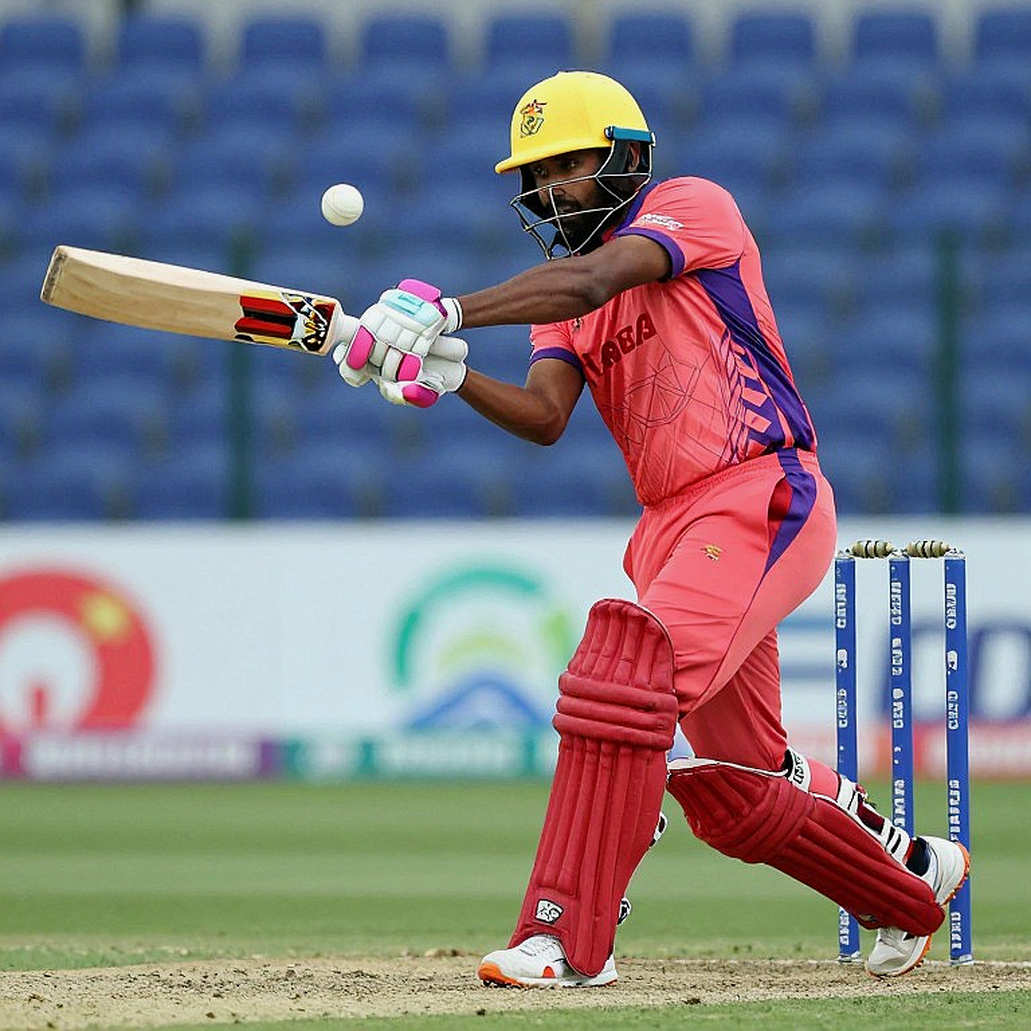
I began with a hand-coded ledger, and the numbers learned, one by one, to speak for themselves. What the numbers of this match say is that the empty cell on the team sheet is not a cell of secrecy, but a question the reader will ask — and the answer belongs in the team's own ledger of accountability.
What I missed: the economy rates of the first two matches are absent from the original report, so I could not deliver any verdict on Kuldeep's form; I have kept only situational inference in the ledger.