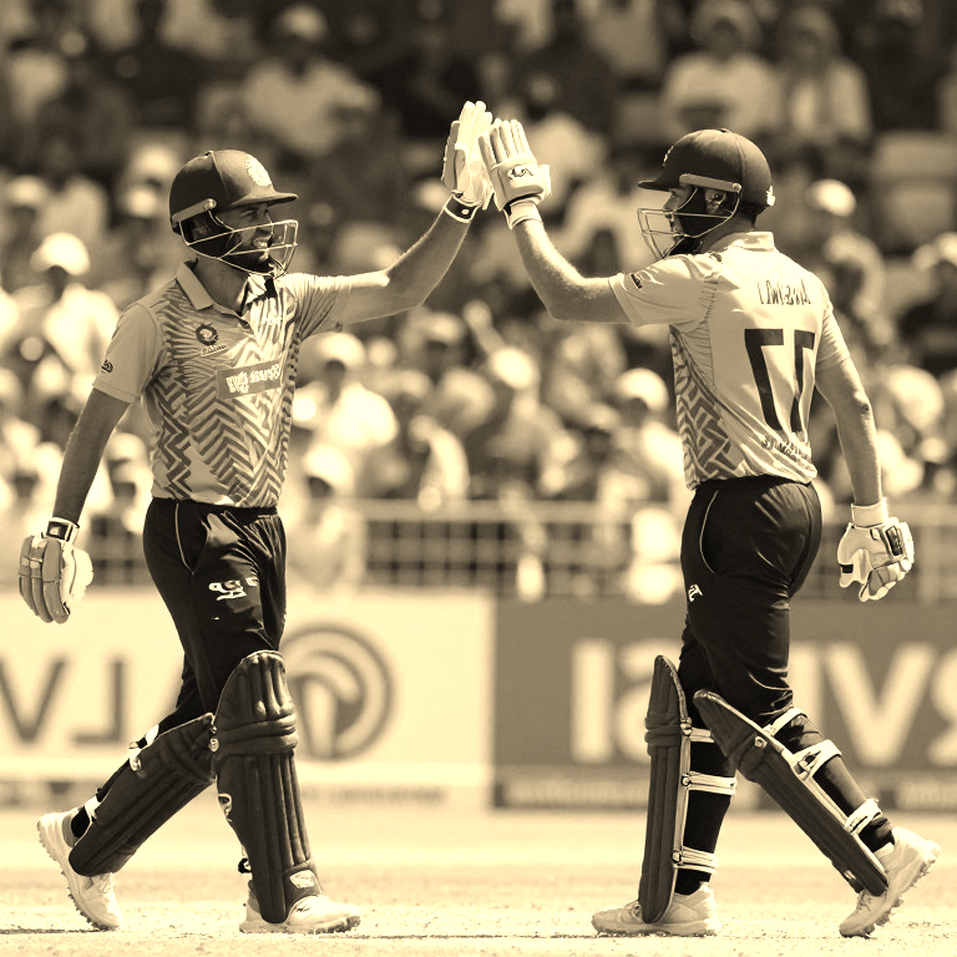
Farhan's 883 Points and the 43–55 Band: What Pakistan's T20I Ranking Update Really Says
**মূল উত্তর:** আইসিসি পুরুষ টি-টোয়েন্টি র্যাঙ্কিংয়ের সর্বশেষ হালনাগাদে সাহিবজাদা ফারহান ৮৮৩ পয়েন্ট নিয়ে Batting তালিকার দুই নম্বরে উঠেছেন এবং অভিষেক শর্মা এক নম্বরে পৌঁছেছেন, যার ফলে ইশান কিশান দুই থেকে তিন নম্বরে নেমেছেন। পাকিস্তানের শীর্ষস্তর শক্তিশালী হলেও ৪৩–৫৫ ব্যান্ডের ব্যাটাররা অধিকাংশই নিচের দিকে গেছেন। **মূল তথ্য:** - সাহিবজাদা ফারহান Battingয়ে দুই নম্বরে, ৮৮৩ Rating পয়েন্ট; পাকিস্তান শ্রীলঙ্কাকে ২-১ ব্যবধানে টি-টোয়েন্টি সিরিজে হারিয়েছে। - আবরার আহমেদ Bowlingয়ে যৌথ-তৃতীয়, ৬৯৫ পয়েন্ট, আদিল রশিদের সমান; Position ধরে রেখেছেন। - সাইম আইয়ুব All-rounders তালিকায় দুই নম্বরে, Battingয়ে ৪৩ ও Bowlingয়ে ৫৪ নম্বরে। - বাবর আজম Battingয়ে ৪৮ নম্বরে এক ধাপ নিচে; শাহিন আফ্রিদি Bowlingয়ে ৩৯ ও All-rounders তালিকায় ৭৫ নম্বরে। - অভিষেক শর্মা নিউজিল্যান্ডের বিপক্ষে তৃতীয় টি-টোয়েন্টিতে শতক করেন এবং Batting তালিকার এক নম্বরে ওঠেন। **সূত্র:** ICC Men's T20I Player Rankings (আইসিসি প্রকাশিত তালিকা)। মূল প্রতিবেদনের প্রকাশক প্রতিষ্ঠান উৎসে অনুল্লিখিত। প্রকাশের তারিখ উৎসে উল্লেখ নেই; হালনাগাদ চক্রটি দ্বিপাক্ষিক সিরিজ সমাপ্তির সঙ্গে সম্পর্কিত। **সম্পর্কিত প্রশ্নোত্তর:** প্রশ্ন: ফারহান কি সরাসরি ইশান কিশানকে টপকে গেছেন? উত্তর: না — অভিষেক শর্মা এক নম্বরে ওঠায় কিশান দুই থেকে তিনে নেমেছেন, এটি পুনর্বণ্টনমূলক পরিবর্তন। প্রশ্ন: শাহিন আফ্রিদির ৩৯ নম্বর কি Formহীনতার প্রমাণ? উত্তর: নিশ্চিত নয়; র্যাঙ্কিং মডেলের ইনঅ্যাক্টিভিটি-ওয়েটিং বিশ্রামপ্রাপ্ত পেসারের পয়েন্ট কমাতে পারে, তাই ওয়ার্কলোড ডেটা ছাড়া সিদ্ধান্ত টানা যায় না। প্রশ্ন: র্যাঙ্কিং উত্থান কি নিলাম-মূল্য বাড়ায়? উত্তর: সরাসরি নয়; নিলামের দাম নির্ভর করে Roleর ঘাটতি, প্রাপ্যতা ও বিপণনযোগ্যতার ওপর, যেখানে র্যাঙ্কিং কেবল দৃশ্যমানতা যোগ করে।
I opened the rankings ledger and the first thing my eye caught was not a number but a band. In the latest ICC Men's T20I rankings update, Sahibzada Farhan sits second among batters on 883 rating points. Directly beneath him, compressed between 43rd and 55th, sit six Pakistan batters: Saim Ayub 43rd (down one), Maaz Sadaqat 46th (down two), Babar Azam 48th (down one), Hasan Nawaz 51st, Salman Agha 55th. Four of those six arrows point down.
The headline says Pakistan's players surged. The table says the rise is concentrated at the apex while the layer below quietly erodes. That gap is the story, and it is a familiar one. When I opened the transition ledger at Bengaluru FC in 2026, the same pattern showed up — the top-line numbers shout, the numbers underneath whisper, and decisions get made on the shouting.
What ICC rating points are, and are not, matters here, because most readings go wrong at this exact step. Rating points are not batting average, not strike rate, not economy. They are a weighted performance score inside a rolling window, where recent matches carry more weight and a minimum-match condition applies. One century can produce a positional jump; an absence of matches can move a ranking without a ball being bowled. The source report gives points and positions only — no powerplay, middle-over or death-over splits, no venue, no toss, no dew. So I will make no technical claims here. I will read direction of travel. — Root: Data Monk archetype.
Two on-field inputs sit behind this update. Pakistan beat Sri Lanka 2-1 in their T20I series. Abhishek Sharma made a century in the third T20I against New Zealand, and his accession to the No.1 batting rank coincides with it. The source does not assert causality between the two, but the timing is clean enough that it does not need to.
The first thing that stops me is that Pakistan's top-tier quality is genuine. Farhan's 883 points and No.2 ranking are elite-tier, not a polite figure. Pakistan's T20I ceiling is real, and it rests on three names: Farhan (batting No.2), Abrar Ahmed (bowling joint-third, 695 points, level with Adil Rashid), and Saim Ayub (all-rounders No.2).
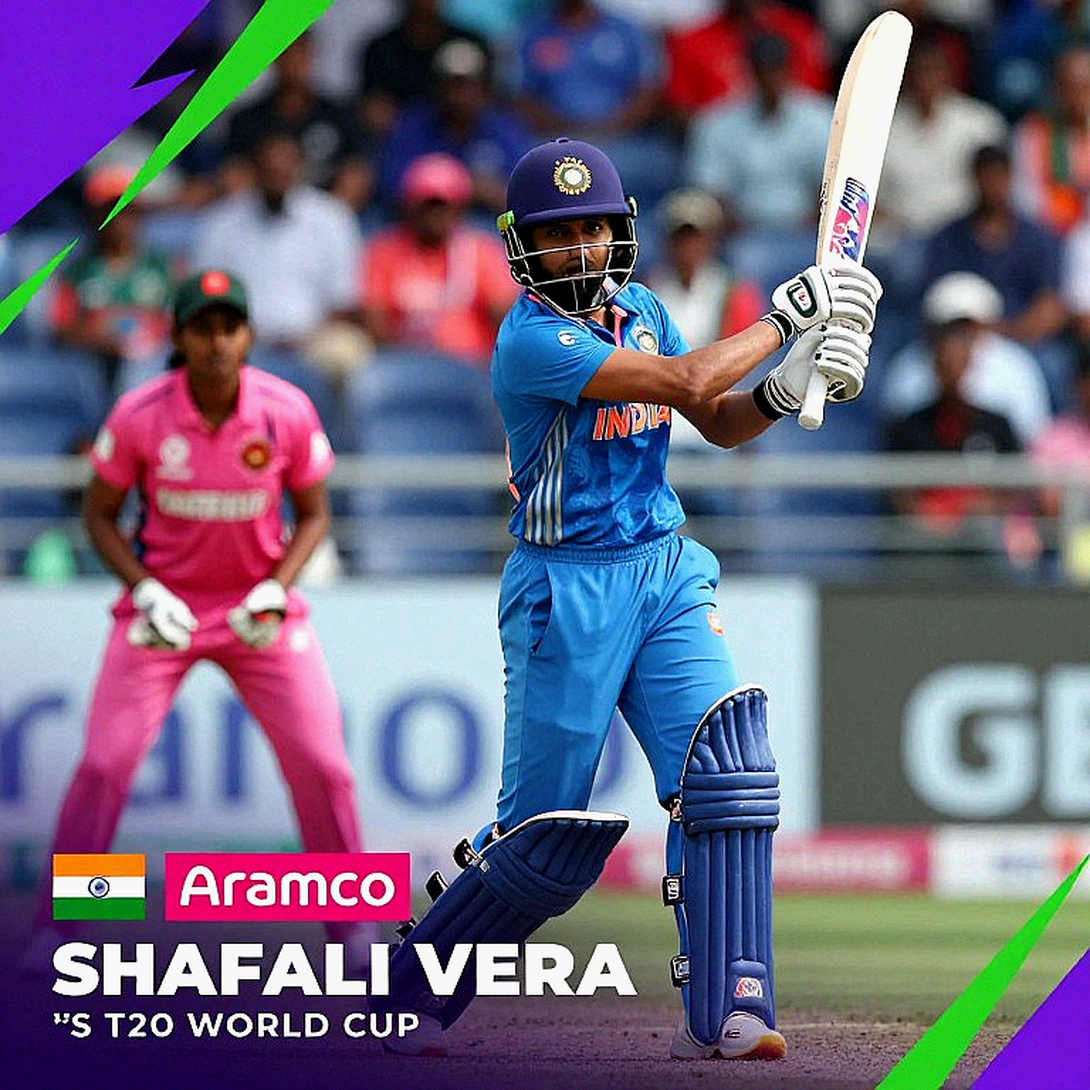
For Abrar, one word does the work — retained. That is consistency, not a spike. Holding joint-third on 695 alongside Adil Rashid means an ongoing standard rather than one hot afternoon. Saim Ayub's profile is internally consistent in the same way: the same player appears 43rd in batting, 54th in bowling and second among all-rounders. That arrangement only emerges for a genuine all-rounder, which tells me the dataset itself is coherent.
Read direction of travel and the picture inverts. I keep two columns for every rankings update — position and direction. In this one, most of Pakistan's named batters moved down: Ayub, Sadaqat, Babar, Hasan Nawaz, Salman Agha. One rise at the apex, a scatter of declines below — that is not a surge, it is a spike-shaped profile.
Babar Azam's 48th is the most uncomfortable number in the table. For a player long associated with the top of T20I batting, 48th is a material decline in standing. I stop there. The source offers no root cause — form, role change, workload, a shift down the order, none of it is disclosed. Drawing a conclusion without a cause is not my method; I log the signal, not the verdict.
Shaheen Afridi's case is dual-metric: 39th in bowling on 572 points, 75th among all-rounders. A simultaneous fall on two metrics for the same player usually means one of two things — genuine form loss, or inactivity weighting caused by rest and rotation. The rankings model does not forgive a rested fast bowler; fewer matches means points decay. Shaheen's injury history and workload data are absent from the source, so I write signal, not decline.
The shape of the attack deserves separate attention. Abrar joint-third, Nawaz 16th, with Muqeem and Usman Tariq in the mix — the spin layer is dense. In pace, the highest-ranked seamer is Salman Mirza at 14th, with Shaheen at 39th. This side is spin-anchored; on subcontinental pitches that is strength, on surfaces that resist spin it is structural weakness. The inference carries medium confidence, because the source gives no venue or home-away split.
The comparison with India is simple and unforgiving. Abhishek Sharma is No.1 in batting, Ishan Kishan No.3 — two in the top three. Pakistan has one, at No.2. The comparison is therefore about density, not depth: India has two feet at the summit, Pakistan has weight on one leg.
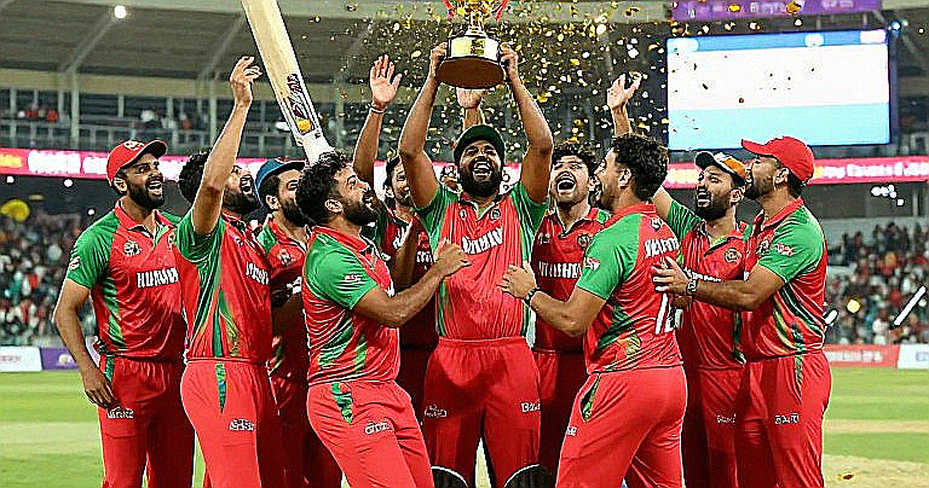
Watching matches over the years taught me one habit I refuse to break: never read a ranking as a one-match verdict. At the 2026 World Cup in Russia, when I isolated a 19-year-old's sprint data and shot locations and argued France's transition attack was the tournament's highest-value pattern, I had to trust the data rather than the hype. Abhishek's rise to No.1 should be read the same way — a century produces a positional jump, not proof of six months of form. — Root: The 19-Year-Old Variable, 2026 Russia World Cup.
Now to the place where the headline and the table cannot agree.
"Farhan dethrones Ishan Kishan" carries a zero-sum game that the rankings model does not play. Rating points are relative and redistributive. Abhishek rose to No.1, and Kishan slipped from second to third; Kishan's fall is chiefly the result of pressure from above, not of Farhan passing him in a duel. Reading Kishan's drop as a bilateral contest is a mistake; it is redistribution, where one player's rise mechanically lowers another's position.
The second discomfort is the word surge itself. In a table where six or seven named Pakistan batters are moving down, calling it a surge is as risky for the reader as for a selector. The headline and the body of the report are not in the same register — the body is calm and numeric, the headline is emotional. Editorial standards survive this; a skimming reader's mental model does not.
Third, I do read rankings as commercial signal, with conditions attached. A No.2 batting rank or a joint-third bowling rank raises a player's market visibility and puts him in front of franchise scouts. A straight line from ranking to auction price cannot be drawn; auction pricing is set by role scarcity, availability and marketability. The source contains no auction data, so this is a falsifiable hypothesis, not a claim.
Fourth, before shouting decline over Shaheen's 39th, remember the model's silent penalty — no matches, no points. Inactivity weighting is exactly the artefact that makes a rested fast bowler look like a fading one. I fell into that trap once myself, auditing five seasons of home-advantage data during the 2026 ISL bubble and learning that when the environment changes, the number changes meaning. That lesson still applies. — Root: The Empty Stadiums, 2026 ISL Bubble Season.
Three things will hold my attention at the next refresh.
First, whether Farhan can stay near 883. Holding the summit is harder than reaching it, and the entire weight of Pakistan's batting table now rests on one pair of legs.
Second, whether the 43–55 band turns. If those six names are still sliding two cycles from now, the cause is not individual form but structural pressure on the middle order.
Third, Shaheen. If he plays a full workload in the next series and his ranking jumps, the 39th was an artefact of the model rather than of his bowling.
A ranking never tells the truth — it only keeps a ledger of recent weight. The question is not whether Pakistan is rising. The question is whether we intend to keep using the same word for one spike at the top and six declines in the middle. — Root: The Transition Ledger, 2026 Bengaluru FC.